





Stamford's location on Long Island Sound creates specific plumbing vulnerabilities that local homeowners need to understand. The city's older neighborhoods like Shippan Point and Glenbrook contain homes built between the 1920s and 1950s with galvanized steel pipes now reaching the end of their lifespan. These corroded pipes reduce water pressure and leach rust into your water supply.
Stamford's freeze-thaw cycles hit hard. Winter temperatures regularly drop below freezing, then rise above 40 degrees, causing pipes in exterior walls and unheated basements to expand and contract. This movement creates stress fractures that burst when temperatures plummet overnight. The city's clay-rich soil shifts with seasonal moisture changes, putting pressure on underground sewer lines and causing separations at connection points.
Connecticut's strict plumbing codes require permits for most repairs beyond simple fixture replacement. Stamford enforces Title 16 of the Connecticut State Building Code, which mandates licensed contractors for water heater installations, repiping work, and sewer line repairs. DIY attempts often create code violations that surface during home sales, costing thousands to correct. The Stamford Building Department requires inspections for major plumbing work, and only licensed professionals can pull these permits.
United Plumbing Greenwich built its reputation responding to Stamford emergencies at 2 AM, not through marketing. We dispatch from Greenwich, putting us 15 minutes from downtown Stamford and 20 minutes from the North Stamford neighborhoods near the Westchester County line. This proximity matters when a burst pipe floods your finished basement or a failed water heater threatens your morning routine.
Our plumbers carry Connecticut master plumber licenses and maintain continuing education in current code requirements. When we install a water heater or repipe your bathroom, the work passes inspection the first time because we know what Stamford inspectors look for. We handle the permit process, coordinate inspections, and provide documentation that protects your home value.
We stock our trucks with parts that fit Stamford's housing stock. Your 1940s Colonial in Belltown has different fixtures than your 1990s construction in Turn of River. We carry brass fittings for older systems, PEX connectors for modern repiping, and commercial-grade parts for multi-family buildings downtown. This preparation means we complete repairs in one visit instead of making you wait while we order parts.
Our pricing structure stays transparent. Before we start work, you see the cost broken down by labor, materials, and permit fees. No surprise charges appear when we finish. We provide written estimates for non-emergency work and explain your options when multiple solutions exist. If a repair costs more than replacement, we tell you straight.

Our Greenwich location puts us closer to Stamford than plumbing companies based in Norwalk or Bridgeport. When you call with an emergency, our dispatcher sends the nearest available truck. Most Stamford calls get a plumber on-site within 15 to 25 minutes, stopping water damage before it spreads through walls and ceilings.

Every technician we send to your Stamford home holds a Connecticut master plumber license and passes background checks. We don't send apprentices to handle complex repairs. Our plumbers average 12 years of field experience and complete annual training on code updates, new materials, and advanced diagnostic techniques for residential plumbing systems.
We maintain inventory specifically for Stamford's housing types. Our trucks carry fixtures, valves, and pipes that match what contractors installed in Stamford homes from the 1920s through today. This preparation eliminates the delays other plumbing contractors create when they need to order parts. We fix your problem today, not next week.
We pull permits and coordinate inspections with Stamford's Building Department for all work requiring approval. Our familiarity with local inspectors and their expectations means your installation passes on the first inspection. When you sell your home, buyers won't find unpermitted plumbing work that kills the deal or forces price reductions.
United Plumbing Greenwich handles every plumbing challenge Stamford properties face, from emergency repairs that can't wait to planned upgrades that improve your home's value and efficiency. Our service range covers single-family homes, multi-family buildings, and commercial properties throughout the greater Stamford area.
Plumbing contractors need specialized knowledge for different service categories because the tools, techniques, and codes vary dramatically. Emergency repairs require rapid diagnosis and immediate parts availability. Renovation projects demand precision measurements and coordination with other trades. System replacements involve permit applications, code compliance, and inspection scheduling.
We organize our services around how plumbing problems actually occur. Some issues demand immediate attention because they cause active damage. Other situations develop slowly, giving you time to plan and budget. A third category covers improvements you choose to make for comfort, efficiency, or home value. Understanding these differences helps you make smart decisions about when to call professional plumbers and what level of service your situation requires.
Burst pipes, backed-up sewers, failed water heaters, and major leaks require immediate response to prevent structural damage and water contamination. We dispatch within minutes and arrive equipped to stop the damage, extract standing water, and complete permanent repairs the same day. Our emergency service covers frozen pipe thaws, sewer line clearing, gas leak repairs, sump pump failures, and complete fixture replacements when parts fail catastrophically. We work directly with your insurance company to document damage for claims.
Aging plumbing systems need complete replacement before catastrophic failures occur. We repipe homes with corroded galvanized lines, replace water heaters approaching the 10-year mark, and upgrade sewer lines showing root intrusion or separation. Our replacement services include water service line upgrades from the street, main drain replacements, complete bathroom repiping, and water treatment system installations. We handle permits, inspections, and coordination with Stamford utilities. These planned replacements cost less than emergency repairs after systems fail.
Bathroom and kitchen renovations require precise plumbing installation to prevent leaks and ensure proper function. We install toilets, sinks, faucets, garbage disposals, dishwashers, and washing machines according to manufacturer specifications and Connecticut code requirements. Our fixture installation includes water line connections, drain hookups, shutoff valve installation, and complete testing before we consider the job finished. We work with your contractor or handle standalone upgrades when you replace worn fixtures or upgrade to water-efficient models.
Stamford's combination of older housing stock, aggressive freeze-thaw cycles, and clay soil creates specific plumbing problems that surface predictably throughout the year. Understanding these issues helps homeowners recognize warning signs before minor problems become expensive emergencies.
Winter cold penetrates exterior walls in older Stamford homes that lack proper insulation. Pipes in these walls freeze when temperatures stay below 20 degrees for extended periods. The freeze itself doesn't cause the burst. When temperatures rise and ice thaws, the pressure from expanding water splits the pipe. These failures flood walls and ceilings, often going unnoticed until water stains appear or ceilings collapse.
Stamford's mature trees send roots seeking water sources. These roots penetrate older clay sewer lines through joints and cracks, creating blockages that worsen over time. By the time you notice slow drains or sewage backups, roots have often filled significant sections of your main drain. Chemical treatments don't solve root intrusion. Professional plumbers need to clear the line and often recommend repair or replacement of compromised sections.
Pipes in exterior walls freeze during cold snaps, then burst when thawing begins. Water floods insulation, drywall, and framing before homeowners notice. We respond immediately to shut off water, extract standing water, and install new pipe sections. Prevention requires pipe insulation and heat tape installation, which we complete before winter arrives.
Homes built before 1960 used galvanized steel pipes that corrode from the inside out. After 60 years, these pipes develop pinhole leaks, reduce water pressure to a trickle, and contaminate water with rust particles. Repiping with PEX or copper eliminates these problems permanently and increases home value when selling older Stamford properties.
Tree roots penetrate clay sewer lines through joints and cracks, creating blockages that cause sewage backups into basement drains and toilets. Rooter service provides temporary relief, but roots return within months. Camera inspection reveals the extent of damage, and trenchless repair techniques replace compromised sections without excavating your entire yard.
Water heaters last 8 to 12 years before the tank corrodes and fails. A failed tank releases 40 to 80 gallons across your basement floor, damaging finished spaces, stored belongings, and mechanical systems. We replace aging water heaters before they fail, install catch pans beneath new units, and recommend tankless systems for homes with limited space.
Calling a plumbing company during an emergency creates stress. Water spreads across floors, panic sets in, and you need help now. Our process eliminates confusion and gets help to your Stamford home fast.
When you call our dispatch line, a real person answers within three rings. We don't use automated systems or make you navigate phone menus while water floods your basement. Our dispatcher asks about your situation, provides immediate guidance to minimize damage, and dispatches the closest available plumber to your location.
You receive a text message with your plumber's name, photo, and estimated arrival time within five minutes of your call. Our GPS tracking system lets you see your plumber's location as they drive to your Stamford address. This transparency eliminates the frustration of waiting without information. If traffic delays arrival, we call to update you. Our plumbers arrive in clearly marked trucks, wearing United Plumbing Greenwich uniforms with name badges.
Our dispatcher stays on the line until you understand what to do before the plumber arrives. For burst pipes, we tell you exactly where to find your main shutoff valve. For sewer backups, we explain which drains to avoid. For water heater failures, we guide you through safe shutdown procedures. This immediate support prevents additional damage while our plumber drives to your location. You're never left wondering what to do next.
After diagnosing your problem, our plumber explains what failed, why it failed, and what repairs you need. You receive a written estimate showing labor costs, parts costs, and any permit fees before we start work. For situations with multiple repair options, we explain the pros and cons of each approach. Emergency repairs carry premium pricing for after-hours service, but we disclose this upfront. No surprise charges appear when we finish the job.
We don't consider a repair finished until we test the system, clean up our work area, and verify you're satisfied. After completing repairs, we run water through fixtures to check for leaks. We test water pressure and verify drainage. Our plumbers carry floor protection, drop cloths, and cleaning supplies. We remove all debris and packaging materials. Before leaving, we walk you through what we did and answer any questions about maintaining your newly repaired system.
We structure our service around getting your plumbing working again as quickly as possible while ensuring repairs last. No unnecessary steps, no delays waiting for approvals.
Our plumber arrives with diagnostic tools to identify the problem fast. For visible leaks, we trace the source and check for additional damage. For drainage issues, we use cameras to inspect pipes and locate blockages. For water pressure problems, we test at multiple fixtures to isolate the cause. This thorough diagnosis prevents misdiagnosis and wasted repairs. We explain what we found in plain language and show you evidence when possible.
Once you approve the estimate, we complete repairs using professional-grade materials designed to last decades. Our plumbers follow manufacturer installation procedures and Connecticut plumbing codes. We use proper pipe support, correct fitting torque, and appropriate sealants for each connection type. For jobs requiring permits, we complete the work to pass inspection on the first attempt. Most repairs take two to four hours from arrival to completion.
After completing repairs, we pressure test the system to verify no leaks exist. We run fixtures through complete cycles and check drainage flow. You receive a written invoice documenting the work completed, parts installed, and warranty coverage. Our labor warranty covers workmanship for one year, and manufacturer warranties cover parts. We provide our direct line for any follow-up questions or concerns about your newly repaired plumbing system.
Connecticut enforces some of the strictest plumbing codes in the Northeast through Title 16 of the State Building Code. Stamford's Building Department requires licensed contractors to pull permits for water heater installations, repiping work, sewer line repairs, and gas line modifications. These regulations protect homeowners from substandard work that creates safety hazards and property damage.
The Connecticut State Plumbing Code mandates specific materials, installation methods, and safety features that directly impact repair costs and timelines. Water heaters require thermal expansion tanks, earthquake straps in certain installations, and proper venting to prevent carbon monoxide accumulation. Sewer line repairs must include proper slope calculations, clean-out access points, and inspection ports for future maintenance.
Professional plumbing contractors must maintain state licenses renewed every three years through continuing education. This requirement ensures plumbers stay current with code changes, new materials, and evolving best practices. The state licensing board investigates complaints and can suspend or revoke licenses for code violations or unsafe work. When you hire licensed contractors, you gain the protection of state oversight and insurance requirements that protect you from liability.
Stamford inspectors check for common code violations during inspections. Improper venting causes 40 percent of failed water heater inspections. Incorrect pipe sizing creates pressure problems and premature fixture failure. Missing expansion tanks on water heaters can lead to pressure relief valve failures and tank ruptures. These violations require correction before the city issues a certificate of occupancy or approves a final inspection.
Connecticut requires master plumber licenses for anyone installing, repairing, or modifying plumbing systems. Obtaining this license requires five years of apprenticeship, passing a comprehensive exam covering state codes, and maintaining continuing education credits every three years. Only licensed contractors can pull permits with Stamford's Building Department. Unlicensed work creates liability issues and code violations that surface during home sales.
Repair costs reflect labor rates, material quality, permit fees, and complexity. Emergency calls after hours carry premium pricing because technicians respond immediately instead of scheduling days ahead. Repiping entire homes costs more than fixing single leaks because of material quantities and labor hours. Hidden damage behind walls increases costs when we discover mold, rotted framing, or additional failed pipes requiring replacement. Quality materials cost more upfront but last decades longer than cheap alternatives.
Simple repairs like fixture replacements or drain clearing take two to four hours. Repiping bathrooms requires one to two days plus drywall repair time. Whole-house repiping takes three to five days depending on home size and accessibility. Sewer line replacements using trenchless methods take one day for most residential properties. Water heater installations require four to six hours including permit acquisition and final inspection by Stamford building officials.
Stamford requires permits for water heater replacements, repiping projects, sewer line repairs, and gas line work. The Building Department reviews applications within three business days and schedules inspections after work completion. Permit fees range from $50 for simple replacements to $300 for major repiping projects. Skipping permits creates legal liability and code violations that complicate home sales. Buyers' inspectors identify unpermitted work, forcing expensive corrections before closing.
Licensed plumbing contractors explain common plumbing problems in Stamford CT homes, including frozen pipe prevention, burst pipe repairs, and when to call professional plumbers. Covers emergency plumbing services, repair costs, and Connecticut plumbing code requirements. United Plumbing Greenwich provides expert guidance for Stamford homeowners facing drain clearing, water heater replacement, repiping projects, and sewer line repairs throughout greater Stamford neighborhoods.
United Plumbing Greenwich serves every neighborhood in Stamford, from historic waterfront communities to newer developments in the northern hills. Our Greenwich location puts us closer to Stamford than competitors based in Norwalk or Bridgeport, cutting response times when you need emergency help.
Shippan Point and Cove neighborhoods along Long Island Sound contain some of Stamford's oldest homes, many built in the 1920s and 1930s. These properties face unique challenges from salt air corrosion affecting outdoor fixtures and underground pipes. The proximity to water increases humidity levels that accelerate galvanized pipe corrosion. We handle significant repiping work in this area, replacing original plumbing systems in historic homes while preserving architectural character.
Downtown Stamford's high-rise condos and converted industrial lofts present different challenges. These multi-unit buildings require coordination with property management and careful scheduling to minimize disruption to neighbors. We work on buildings along Atlantic Street, Washington Boulevard, and Broad Street, handling everything from individual unit repairs to building-wide system upgrades.
North Stamford neighborhoods like Turn of River, High Ridge, and Newfield Avenue area contain mostly newer construction from the 1980s through today. These homes typically have copper or PEX plumbing, but we see increasing calls for water heater replacements as these systems reach the end of their expected lifespan. The higher elevation and wooded lots in North Stamford create challenges with well water systems and private septic connections.
Glenbrook, Belltown, and the West Side contain diverse housing types from different eras. These neighborhoods mix older single-family homes, newer townhouse developments, and small apartment buildings. We see everything from burst pipes in century-old Colonials to fixture upgrades in recently renovated properties. The concentration of rental properties in these areas means we work frequently with landlords addressing tenant-reported issues.
Springdale, near the New York border, consists largely of post-war construction from the 1950s and 1960s. Homes in this area commonly need water service line replacements as original galvanized lines corrode. The neighborhood's proximity to the Rippowam River means some properties face foundation moisture issues that affect basement plumbing. Our familiarity with Stamford's geography helps us respond quickly throughout the greater metro area, typically arriving within 15 to 25 minutes of your call.
Stamford plumbing services cover residential and commercial properties throughout the city. Local plumbers handle emergency repairs, routine maintenance, and new installations. Common services include fixing leaks, unclogging drains, water heater repairs, pipe replacements, and sewer line work. Response times vary by company and time of day. Most plumbers in Stamford are available 24/7 for urgent issues like burst pipes or severe leaks. When choosing a plumber, check online reviews and ask about their experience with your specific problem. Get quotes from multiple providers to compare pricing and service offerings before making your decision.
Stamford follows Connecticut state plumbing codes based on the International Plumbing Code. These regulations ensure safe water supply and drainage systems in all buildings. Major plumbing work requires permits from the city Building Department. This includes water heater installations, sewer line replacements, and significant pipe modifications. Your plumber should handle permit applications and schedule required inspections. DIY plumbing work is legal for homeowners on their own property, but unpermitted work affects home resale value and insurance claims. Always verify your plumber pulls proper permits for regulated work to avoid future complications.
Emergency plumbing situations require immediate attention to prevent property damage. Call a plumber right away for burst pipes, sewage backups, gas leaks, or no water supply. For burst pipes, shut off your main water valve first. This valve is typically in your basement or where the main line enters your home. For sewage backups, avoid using any drains or toilets. Gas leaks require evacuating your property and calling the gas company before a plumber. Keep your plumber's contact information accessible. Document damage with photos for insurance claims before cleanup begins.
Stamford plumbing services cover residential and commercial properties throughout the city. Local plumbers handle emergency repairs, routine maintenance, and new installations. Common services include fixing leaks, unclogging drains, water heater repairs, pipe replacements, and sewer line work. Response times vary by company and time of day. Most plumbers in Stamford are available 24/7 for urgent issues like burst pipes or severe leaks. When choosing a plumber, check online reviews and ask about their experience with your specific problem. Get quotes from multiple providers to compare pricing and service offerings before making your decision.
Stamford follows Connecticut state plumbing codes based on the International Plumbing Code. These regulations ensure safe water supply and drainage systems in all buildings. Major plumbing work requires permits from the city Building Department. This includes water heater installations, sewer line replacements, and significant pipe modifications. Your plumber should handle permit applications and schedule required inspections. DIY plumbing work is legal for homeowners on their own property, but unpermitted work affects home resale value and insurance claims. Always verify your plumber pulls proper permits for regulated work to avoid future complications.
Emergency plumbing situations require immediate attention to prevent property damage. Call a plumber right away for burst pipes, sewage backups, gas leaks, or no water supply. For burst pipes, shut off your main water valve first. This valve is typically in your basement or where the main line enters your home. For sewage backups, avoid using any drains or toilets. Gas leaks require evacuating your property and calling the gas company before a plumber. Keep your plumber's contact information accessible. Document damage with photos for insurance claims before cleanup begins.
Water heater problems show specific warning signs before complete failure. Watch for rusty or discolored water coming from hot taps. Strange noises like popping or rumbling indicate sediment buildup inside the tank. Water pooling around the base signals a leak. Inconsistent water temperature or running out of hot water quickly means the heating element needs attention. Most water heaters last 8-12 years with proper maintenance. Annual flushing removes sediment and extends lifespan. If your unit is over 10 years old and showing problems, replacement often makes more financial sense than repeated repairs.
Drain clogs develop from accumulated debris, grease, hair, and soap residue. Kitchen sinks clog from food particles and cooking oils. Bathroom drains collect hair and personal care products. Prevention is easier than fixing clogs. Use drain screens to catch debris. Never pour grease down drains. Flush drains weekly with hot water. Monthly treatments with baking soda and vinegar help maintain clear pipes. For existing clogs, try a plunger first. Avoid chemical drain cleaners as they damage pipes over time. Professional hydro-jetting clears stubborn blockages and cleans pipe walls thoroughly.
Low water pressure frustrates homeowners and signals underlying problems. Check if the issue affects one fixture or your entire home. Single-fixture problems usually mean clogged aerators or cartridges. Whole-house low pressure indicates main line issues, pressure regulator failure, or municipal supply problems. Mineral buildup in older galvanized pipes restricts flow over time. Check your pressure regulator valve, typically near where the main line enters your home. Normal water pressure ranges from 45-55 PSI. Test pressure with a gauge from any hardware store. Contact Stamford water department to rule out municipal supply issues before calling a plumber.
Sewer line problems create serious health hazards and property damage. Warning signs include multiple drain backups, gurgling toilets, sewage odors, and wet spots in your yard. Tree roots are the leading cause of sewer line damage in Stamford. Roots infiltrate pipes seeking water and nutrients. Older clay or cast iron pipes are most vulnerable. Video camera inspections identify exact problem locations without excavation. Modern trenchless repair methods fix many issues without tearing up your yard. Regular maintenance every 2-3 years prevents major failures. Address sewer problems immediately to avoid contamination and expensive emergency repairs.
Pipe materials affect durability, water quality, and installation requirements. Copper pipes last 50-70 years and resist bacteria growth. PEX piping costs less, installs faster, and resists freezing better than copper. PVC works well for drain and vent lines but not for hot water supply. Galvanized steel pipes, common in older Stamford homes, corrode internally and need replacement after 40-50 years. Signs of pipe problems include discolored water, frequent leaks, and reduced pressure. When replacing pipes, consider your home's age, budget, and local code requirements. Your plumber will recommend appropriate materials for your specific situation.
Frozen pipes are a real concern during Stamford winters. Pipes in unheated areas like basements, crawl spaces, and exterior walls are most vulnerable. Prevent freezing by insulating exposed pipes with foam sleeves. Keep cabinet doors open during cold snaps to circulate warm air around pipes. Let faucets drip slightly when temperatures drop below freezing. Maintain indoor temperature at 55 degrees minimum, even when away. If pipes freeze, never use open flames to thaw them. Apply gentle heat with a hairdryer or warm towels. Call a plumber if you suspect frozen pipes to prevent bursting.
Regular plumbing maintenance prevents expensive emergency repairs. Schedule annual water heater inspections and flushing to remove sediment. Test your sump pump quarterly by pouring water into the pit. Inspect visible pipes for leaks, corrosion, or moisture. Check toilet flappers and fill valves annually for wear. Clean aerators and showerheads every few months to remove mineral deposits. Know where your main water shutoff valve is located and test it yearly. Replace washing machine hoses every five years to prevent bursts. Keep drains clear with routine cleaning. Professional inspections every 2-3 years catch small problems before they become major issues.
Water heater problems show specific warning signs before complete failure. Watch for rusty or discolored water coming from hot taps. Strange noises like popping or rumbling indicate sediment buildup inside the tank. Water pooling around the base signals a leak. Inconsistent water temperature or running out of hot water quickly means the heating element needs attention. Most water heaters last 8-12 years with proper maintenance. Annual flushing removes sediment and extends lifespan. If your unit is over 10 years old and showing problems, replacement often makes more financial sense than repeated repairs.
Drain clogs develop from accumulated debris, grease, hair, and soap residue. Kitchen sinks clog from food particles and cooking oils. Bathroom drains collect hair and personal care products. Prevention is easier than fixing clogs. Use drain screens to catch debris. Never pour grease down drains. Flush drains weekly with hot water. Monthly treatments with baking soda and vinegar help maintain clear pipes. For existing clogs, try a plunger first. Avoid chemical drain cleaners as they damage pipes over time. Professional hydro-jetting clears stubborn blockages and cleans pipe walls thoroughly.
Low water pressure frustrates homeowners and signals underlying problems. Check if the issue affects one fixture or your entire home. Single-fixture problems usually mean clogged aerators or cartridges. Whole-house low pressure indicates main line issues, pressure regulator failure, or municipal supply problems. Mineral buildup in older galvanized pipes restricts flow over time. Check your pressure regulator valve, typically near where the main line enters your home. Normal water pressure ranges from 45-55 PSI. Test pressure with a gauge from any hardware store. Contact Stamford water department to rule out municipal supply issues before calling a plumber.
Sewer line problems create serious health hazards and property damage. Warning signs include multiple drain backups, gurgling toilets, sewage odors, and wet spots in your yard. Tree roots are the leading cause of sewer line damage in Stamford. Roots infiltrate pipes seeking water and nutrients. Older clay or cast iron pipes are most vulnerable. Video camera inspections identify exact problem locations without excavation. Modern trenchless repair methods fix many issues without tearing up your yard. Regular maintenance every 2-3 years prevents major failures. Address sewer problems immediately to avoid contamination and expensive emergency repairs.
Pipe materials affect durability, water quality, and installation requirements. Copper pipes last 50-70 years and resist bacteria growth. PEX piping costs less, installs faster, and resists freezing better than copper. PVC works well for drain and vent lines but not for hot water supply. Galvanized steel pipes, common in older Stamford homes, corrode internally and need replacement after 40-50 years. Signs of pipe problems include discolored water, frequent leaks, and reduced pressure. When replacing pipes, consider your home's age, budget, and local code requirements. Your plumber will recommend appropriate materials for your specific situation.
Frozen pipes are a real concern during Stamford winters. Pipes in unheated areas like basements, crawl spaces, and exterior walls are most vulnerable. Prevent freezing by insulating exposed pipes with foam sleeves. Keep cabinet doors open during cold snaps to circulate warm air around pipes. Let faucets drip slightly when temperatures drop below freezing. Maintain indoor temperature at 55 degrees minimum, even when away. If pipes freeze, never use open flames to thaw them. Apply gentle heat with a hairdryer or warm towels. Call a plumber if you suspect frozen pipes to prevent bursting.
Regular plumbing maintenance prevents expensive emergency repairs. Schedule annual water heater inspections and flushing to remove sediment. Test your sump pump quarterly by pouring water into the pit. Inspect visible pipes for leaks, corrosion, or moisture. Check toilet flappers and fill valves annually for wear. Clean aerators and showerheads every few months to remove mineral deposits. Know where your main water shutoff valve is located and test it yearly. Replace washing machine hoses every five years to prevent bursts. Keep drains clear with routine cleaning. Professional inspections every 2-3 years catch small problems before they become major issues.
We are proud to serve the community of Greenwich and the surrounding areas. Our local presence allows us to respond quickly to your plumbing needs, whether it's an emergency repair or a scheduled installation. View our location on the map and see our full service area to find out if we can come to your rescue. We're your trusted neighbors, always ready to lend a helping hand.
Address:
Stamford, CT, 6905
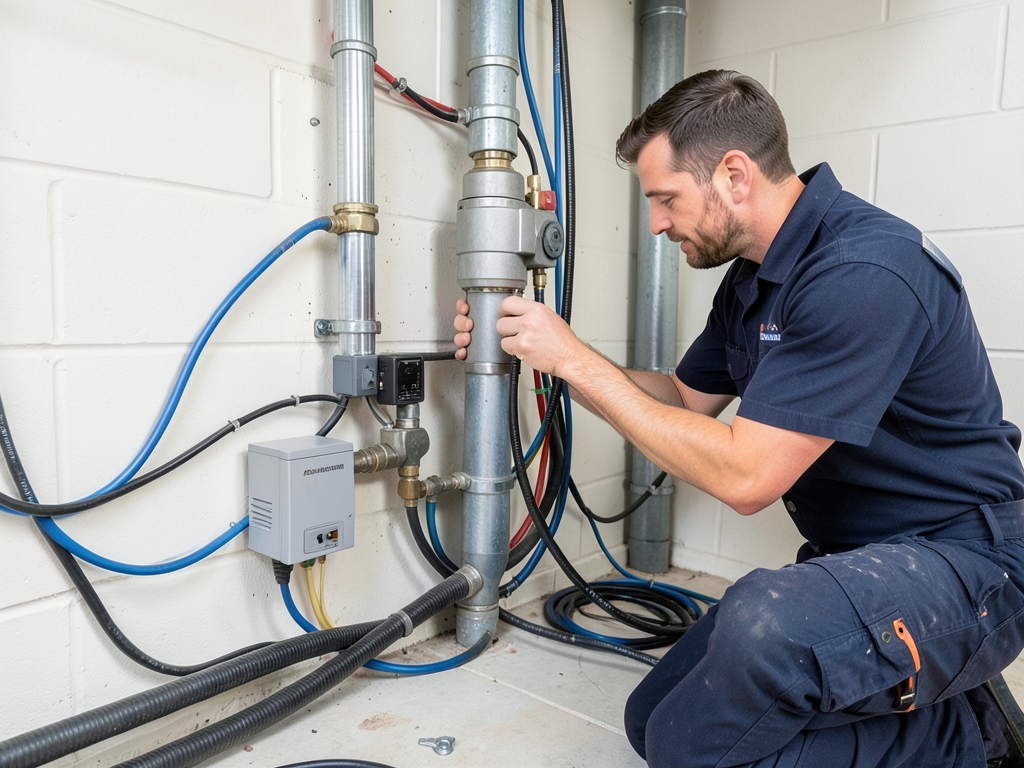
Converting a garage into a home gym in Greenwich requires careful planning around plumbing infrastructure. Whether you need a simple utility sink for water bottles or a full bathroom for post-workout showers, understanding the technical…
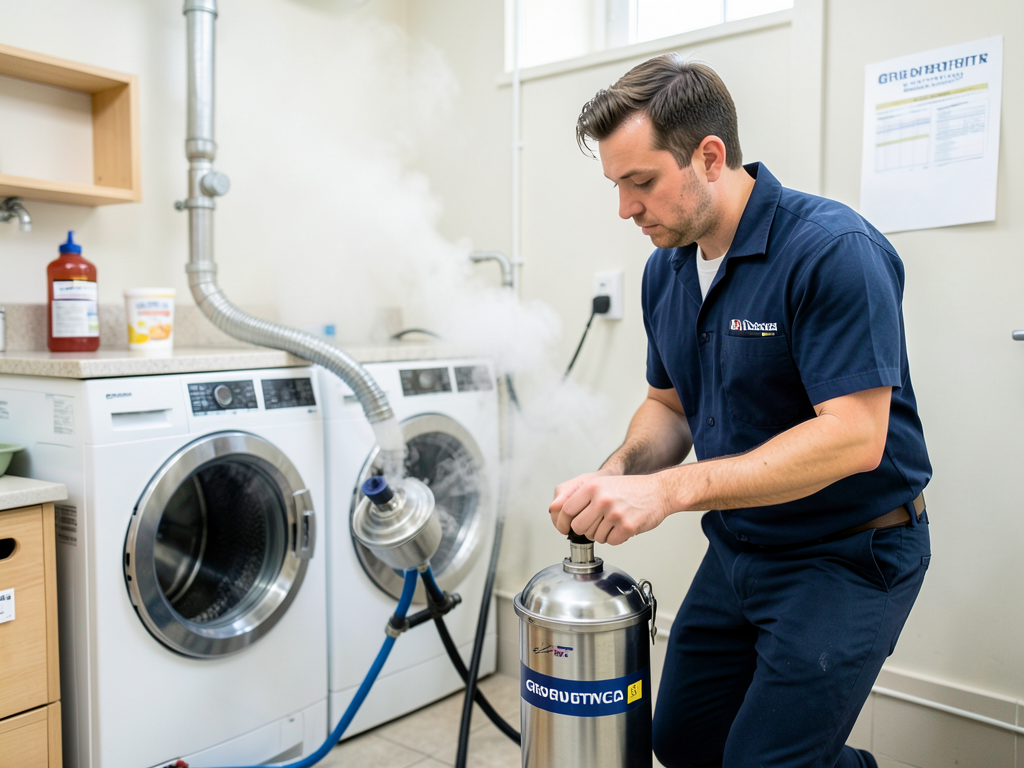
Why Your Laundry Room Smells Like Sewage After a Week Away The first thing you…
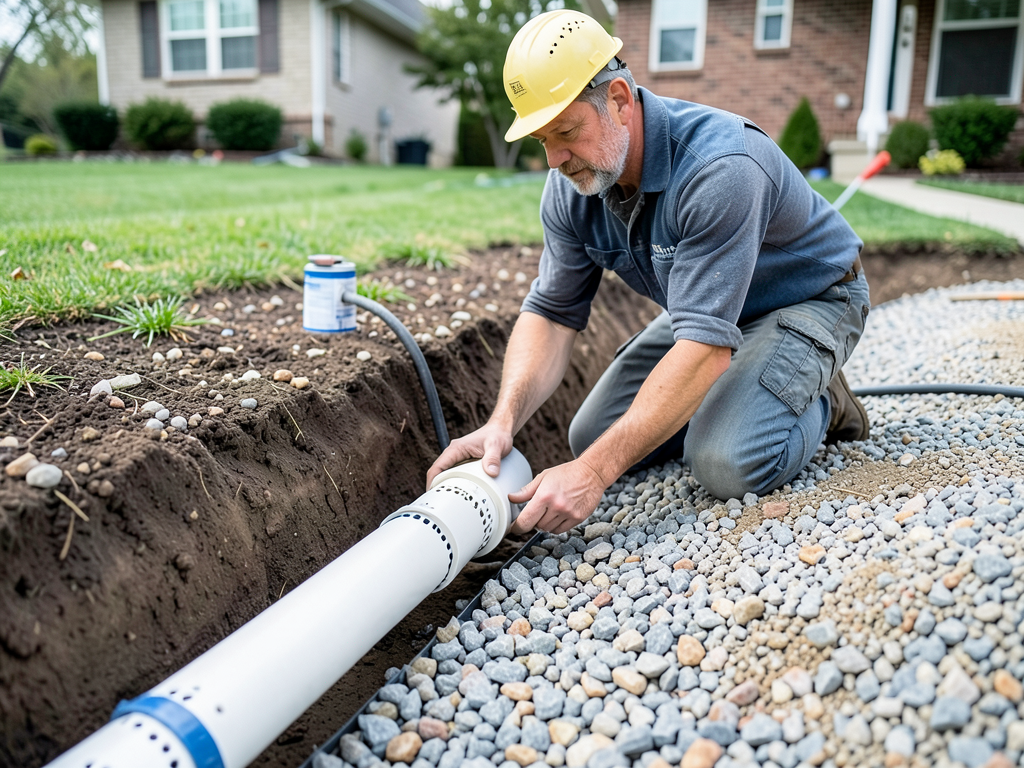
Using French Drains to Stop Yard Flooding in Your Byram Property Standing water in your…
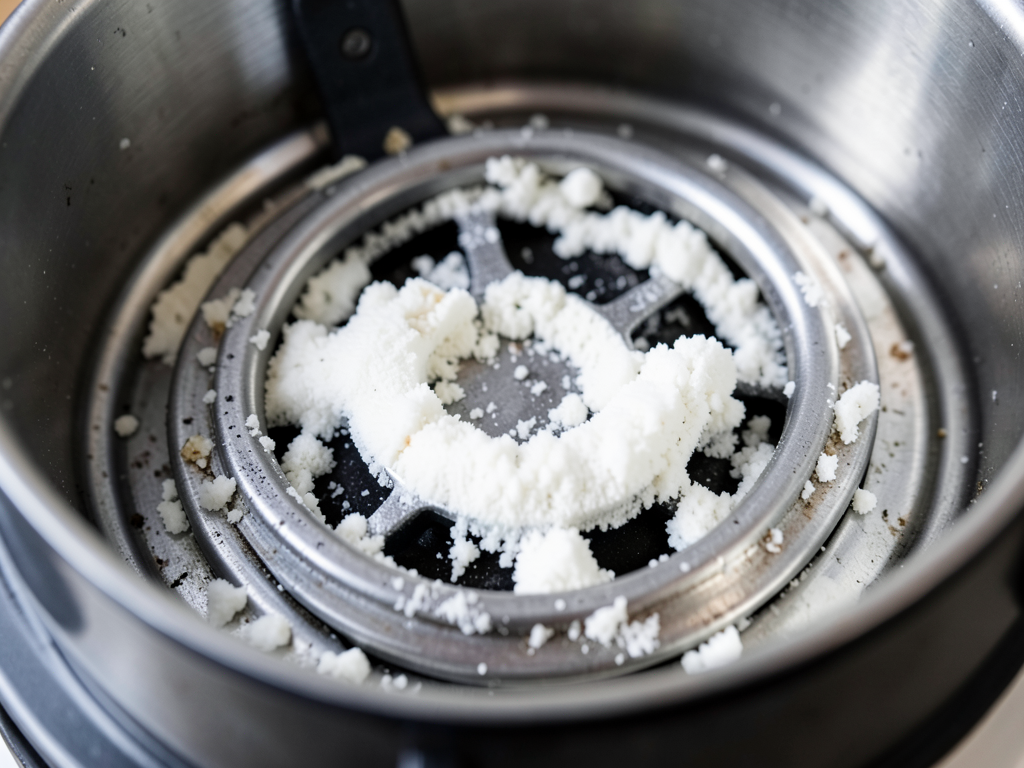
How North Greenwich Hard Water Is Quietly Ruining Your Coffee Maker Hard water is quietly…
Don't let a plumbing problem damage your Stamford home. United Plumbing Greenwich responds fast with licensed plumbers ready to fix it right. Call (475) 320-3733 now for immediate dispatch. We arrive equipped to handle your emergency today, not tomorrow.