


menu

No Hot Water Diagnosis in Greenwich – Same-Day Answers to Why Your Water Heater Stopped Working

United Plumbing Greenwich Pinpoints the Exact Cause of No Hot Water Fast, Using Advanced Diagnostics to Identify Heater Malfunctions, Thermostat Failures, and Sediment Buildup Before You Waste Time on the Wrong Fix

Slider Image 1
Slider Image 2
Slider Image 3
Slider Image 4
Slider Image 5
Slider Image 7
Slider Image 8
Slider Image 9
Slider Image 10
Slider Image 11

When Your Shower Runs Cold in Greenwich, the Problem Could Be Anywhere

You turn on the faucet expecting hot water, and nothing happens. The dishwasher cycles cold. The shower is unbearable. You have no idea if the problem is the pilot light, the heating element, a tripped breaker, or something worse.

Greenwich homes experience unique water heater stress. The town sits on bedrock and glacial till, which means well water and municipal supply both carry mineral loads that accelerate sediment accumulation inside tanks. That sediment acts as insulation between the burner and the water, reducing efficiency and eventually causing total heating failure. Many older Greenwich homes still use oil-fired or indirect water heaters tied to boiler systems, adding complexity when you troubleshoot water heater problems.

A lack of hot water rarely announces itself with warning signs. One morning it works fine. The next morning, nothing. You check the breaker. You wiggle the thermostat. You stand in front of the tank hoping for a clue. Without the right tools and knowledge, you cannot identify water heater issues with certainty.

The causes of no hot water range from simple thermostat calibration errors to catastrophic tank ruptures. Electric heaters lose heating elements. Gas units lose ignition. Expansion tanks fail. Dip tubes crack. Pressure relief valves corrode. Each symptom looks similar from the outside, but the fix is different every time.

Trying to diagnose lack of hot water yourself wastes time and risks making the problem worse. You need a professional to decode the water heater malfunction symptoms and tell you exactly what failed.

When Your Shower Runs Cold in Greenwich, the Problem Could Be Anywhere
How United Plumbing Greenwich Diagnoses Water Heater Failures the Right Way

How United Plumbing Greenwich Diagnoses Water Heater Failures the Right Way

We do not guess. We test.

Our diagnostic process starts with intake questioning. When did you last have hot water? Did you hear any popping or hissing sounds? Have you noticed rust-colored water or pooling around the base of the unit? These answers narrow the field immediately.

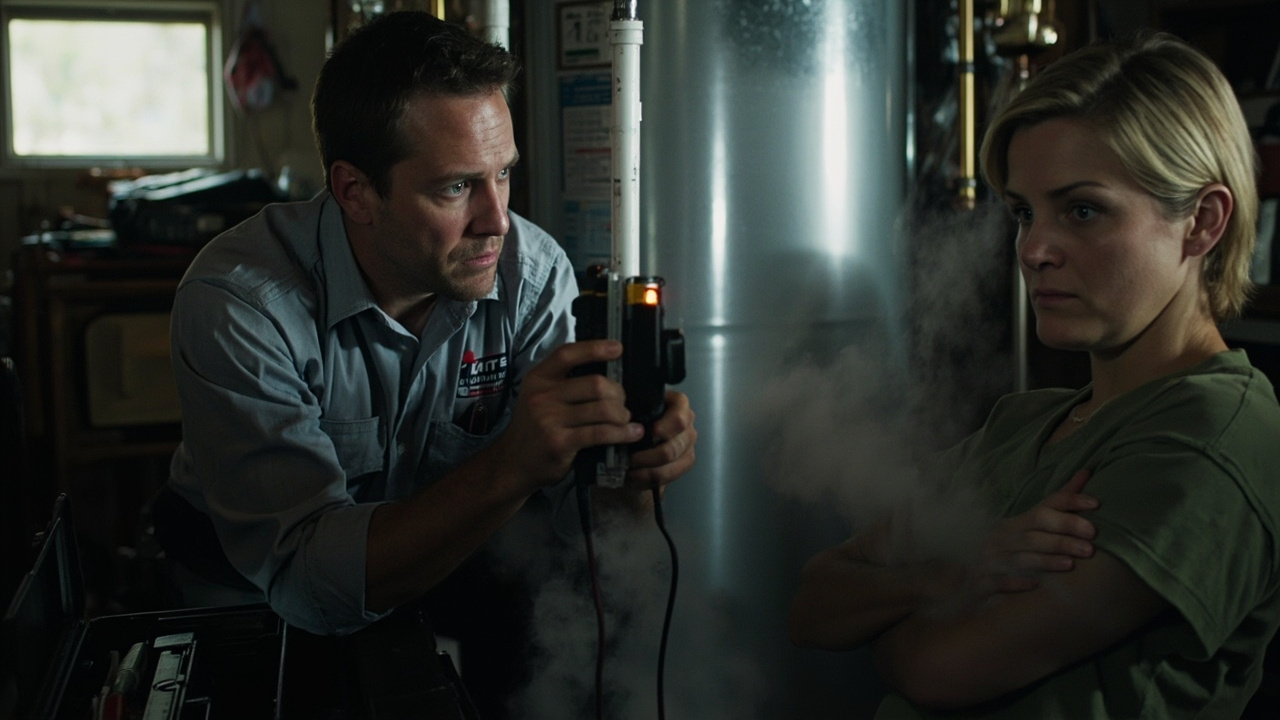
Next, we inspect the power source. For electric units, we verify voltage at the breaker, then at the heating element terminals using a multimeter. Low voltage or a tripped high-limit switch indicates electrical failure. For gas units, we check the pilot assembly, thermocouple, and gas valve operation. A weak flame or no flame at all points to ignition system breakdown.

We test the thermostats next. Most tanks have two thermostats, upper and lower, and either can fail independently. We measure the temperature of the water exiting the tank and compare it against the setpoint. A mismatch reveals calibration drift or sensor failure.

Then we drain a sample from the tank. Sediment-heavy water confirms mineral buildup, which reduces heating capacity and eventually cracks the tank lining. We also inspect the anode rod, which sacrifices itself to prevent tank corrosion. A depleted anode means the tank itself is next.

If the unit is indirect or tied to a boiler, we verify the boiler is firing correctly, the circulator pump is moving water through the heat exchanger, and the aquastat is calling for heat. Indirect systems add layers of complexity that most generalists miss.

We document findings, explain the root cause in plain terms, and provide a written diagnostic report before any repair begins. You get clarity, not confusion.

What Happens During a Water Heater Diagnostic Visit

No Hot Water Diagnosis in Greenwich – Same-Day Answers to Why Your Water Heater Stopped Working
01

Initial System Assessment

Our technician arrives with diagnostic equipment and begins by reviewing your water heater type, age, and maintenance history. We check for visible leaks, corrosion, or damage around the tank and connections. We verify the unit is receiving power or gas, then test for basic function. This step establishes whether the failure is mechanical, electrical, or fuel-related, allowing us to focus testing on the most likely culprits.
02

Component-Level Testing

We isolate and test each critical component. Heating elements are checked for continuity. Thermostats are tested for accuracy. Gas valves are inspected for proper operation. We measure water temperature at the outlet and compare it against thermostat settings. We drain water to check for sediment and inspect the anode rod condition. Every test is documented. This step identifies the exact failed part, eliminating guesswork and preventing unnecessary replacements.
03

Diagnostic Report and Options

Once testing is complete, we present a written diagnostic report detailing the cause of your no hot water issue. We explain what failed, why it failed, and what repair or replacement is required. You receive a detailed estimate with parts and labor broken out clearly. If the unit is near end-of-life or the repair cost approaches replacement cost, we discuss both options with full transparency so you can make an informed decision.

Why Greenwich Homeowners Trust United Plumbing Greenwich for Water Heater Diagnostics

Greenwich is not a cookie-cutter suburb. Homes here range from historic colonials built in the 1800s to modern estates with radiant floor heating and multi-zone hot water systems. The plumbing demands are different than in newer developments, and the water heater systems reflect that diversity.

We work on every type of water heater installed in Greenwich. Traditional atmospheric gas tanks. Power-vented units. Electric resistance heaters. Heat pump hybrids. Tankless systems. Indirect heaters tied to Buderus, Viessmann, and Weil-McLain boilers. We understand the quirks of each system and how they interact with Greenwich's water supply and building stock.

Many Greenwich homes use well water, which introduces hardness minerals like calcium and magnesium at concentrations far higher than municipal supply. These minerals precipitate out when heated, forming limestone-like sediment that chokes the tank and shortens heater life. We account for this when diagnosing problems and recommend solutions that extend equipment longevity.

We also understand local building codes and the nuances of working in historic districts. Some Greenwich properties have restrictions on equipment placement, venting, and fuel type. We navigate these requirements daily and ensure any recommended repair or replacement complies with zoning and historical preservation standards.

United Plumbing Greenwich has served this town for years. We know the neighborhoods. We know the housing stock. We know the common failure modes of the equipment installed here. When you call us for a diagnostic, you get a technician who understands your home's context, not a generalist reading from a script.

You also get transparency. We explain what we find in terms you can understand, and we never upsell unnecessary repairs.

What to Expect When You Schedule a Diagnostic with United Plumbing Greenwich

Same-Day and Next-Day Availability

We know losing hot water disrupts your routine. You cannot shower, wash dishes, or run laundry. We prioritize diagnostic calls and offer same-day service when you call early. If same-day is not possible, we schedule next-day appointments and provide a tight arrival window. Our technicians call ahead when they are en route so you are not waiting around all day. We respect your time and work around your schedule whenever possible.

Thorough Onsite Evaluation

Our diagnostic visits are comprehensive. We do not rush. The technician will spend the time necessary to test every potential cause, from power supply issues to internal component failure. You will receive a detailed explanation of what we found, why the failure occurred, and what needs to happen next. We take photos of failed components when relevant and walk you through the findings so you understand exactly what went wrong with your water heater.

Clear Written Estimates

After the diagnostic, you receive a written estimate for the recommended repair or replacement. The estimate itemizes parts, labor, and any additional work required to bring the system back to full operation. There are no hidden fees or surprise charges. If we find multiple issues, we prioritize them and explain which repairs are urgent and which can wait. You make the final decision on how to proceed, and we never pressure you into unnecessary work.

Follow-Up Support and Maintenance Guidance

Once the repair or replacement is complete, we provide guidance on how to maintain your water heater and avoid future failures. This includes flushing schedules, anode rod inspection intervals, and thermostat settings optimized for Greenwich water conditions. We also offer annual maintenance plans that include tank flushing, component inspection, and early detection of wear before it becomes a failure. Our goal is to keep your system running reliably for years.

Frequently Asked Questions

You Have Questions,
We Have Answers

What is the most common cause of no hot water? +

The most common cause of no hot water is a failed heating element in electric water heaters or a pilot light issue in gas units. In Greenwich homes, sediment buildup from hard water often accelerates element failure. Older tank-style heaters, especially those beyond 10 years, develop rust and mineral deposits that corrode internal components. Thermostat malfunctions and tripped circuit breakers also rank high. For gas systems, a faulty thermocouple or gas valve prevents ignition. Seasonal temperature swings in Greenwich can stress aging units. A licensed plumber can pinpoint the exact issue quickly.

How to diagnose no hot water? +

Start by checking your circuit breaker or fuse box for tripped switches. For gas heaters, inspect the pilot light. If it's out, relight following manufacturer instructions. Test hot water at multiple fixtures to determine if the issue is localized or system-wide. Check the thermostat setting, it should read 120 degrees. Look for leaks around the tank base or connections. In Greenwich, basement installations sometimes hide valve shutoffs accidentally turned off during winter pipe protection. If cold water flows fine but hot does not, the heater itself likely failed. Call a plumber if these checks reveal nothing.

Is it an emergency if you don't have hot water? +

It depends on your situation and the season. In Greenwich winters, no hot water becomes urgent, especially for families with young children or elderly residents. Frozen pipes can accompany water heater failure during cold snaps, creating potential burst risks. If you smell gas near your water heater or see water pooling, treat it as an emergency and shut off the unit immediately. For most mechanical failures without safety hazards, it's not life-threatening but needs same-day attention. Extended periods without hot water cause hygiene issues and can damage appliances like dishwashers.

Why is my hot water not working but cold is? +

This confirms your water heater is the problem, not your main water supply. The cold water line bypasses the heater entirely, so when only hot water fails, the issue sits inside the tank or its components. Electric heaters lose heating elements. Gas units experience pilot light failures or thermocouple defects. Sediment accumulation at the tank bottom insulates water from the heat source, common in Greenwich due to mineral-heavy groundwater. A broken dip tube can also mix cold water into the hot outlet. The heater needs professional diagnosis to identify which component failed.

Why am I getting hot water in my kitchen but not my bathroom? +

You likely have a localized plumbing issue, not a heater failure. Check if the bathroom fixture's shut-off valve is fully open. Mineral buildup can clog the hot water line to specific fixtures, especially in older Greenwich homes with galvanized pipes. Airlock in the pipes sometimes blocks flow after water main work in your neighborhood. If only one fixture loses hot water, the issue sits between the heater and that endpoint. Cartridge failure in single-handle faucets can block hot water while cold flows freely. A plumber can isolate whether it's a valve, pipe, or fixture problem.

Why did I suddenly stop getting hot water? +

Sudden hot water loss typically means a component just failed. Electric heaters blow heating elements without warning. Gas units lose pilot lights from drafts, thermocouple failure, or gas supply interruptions. Greenwich experiences occasional power fluctuations that trip breakers or damage electronic controls. A leak developed rapidly can drain the tank faster than it refills. Sediment buildup finally choked the system. If your water heater is 8 to 12 years old, internal corrosion likely reached critical failure. Sudden loss almost always requires professional repair or replacement rather than adjustment.

When should I call a plumber for no hot water? +

Call a plumber immediately if you smell gas, see water leaking, or notice discolored water with metallic odors. If basic troubleshooting like checking breakers and relighting pilots fails, schedule service within 24 hours. In Greenwich, winter temperatures make same-day plumber calls essential to prevent frozen pipe complications. If your water heater exceeds 10 years old and stops producing hot water, replacement may be more cost-effective than repair. Commercial properties should call immediately, as building codes require functional hot water. Don't attempt internal repairs yourself, water heaters involve high-voltage electricity or combustible gas.

How to reset a hot water system? +

For electric heaters, locate the reset button near the thermostat behind the access panel. Turn off the circuit breaker first, then press the red reset button firmly. Restore power and wait 30 minutes. For gas heaters, turn the gas valve to off, wait five minutes, then turn to pilot. Hold the pilot button, ignite with the igniter, and hold for 30 seconds before releasing. Turn the valve to on. In Greenwich homes with tankless systems, consult your manual for model-specific reset procedures or error code clearing. If the system won't reset, internal failure requires a plumber.

What to check when your hot water goes out? +

First, verify the power supply. Check circuit breakers for electric units or gas supply for gas heaters. Inspect the pilot light on gas systems. Test multiple hot water taps to confirm system-wide failure. Check the thermostat setting, it should read 120 degrees. Look for visible leaks, rust, or water pooling at the base. Listen for unusual sounds like hissing or popping, which indicate sediment. In Greenwich, check basement shutoff valves, they sometimes get turned off accidentally. Smell for gas odors. If none of these reveal the cause, the internal components failed and need professional diagnosis.

How long can they leave you with no hot water? +

There's no legal time limit for residential properties in Connecticut, but most homeowners find 24 to 48 hours unacceptable. Landlords must provide hot water as part of habitability requirements, tenants can withhold rent or pursue legal action if repairs drag beyond reasonable timeframes. In Greenwich, most plumbers offer same-day or next-day service for water heater failures. Winter emergencies often get prioritized. If parts need ordering, temporary solutions like point-of-use heaters may bridge the gap. For your comfort and hygiene, don't tolerate prolonged outages. Push for immediate professional assessment and repair timelines.

How Greenwich's Hard Well Water Accelerates Water Heater Failure

Greenwich sits atop bedrock and glacial deposits that naturally introduce calcium, magnesium, and iron into well water. Municipal water users benefit from treatment, but many homes outside the downtown core still rely on private wells. When hard water is heated, minerals precipitate and settle at the bottom of the tank, forming a thick sediment layer. This sediment insulates the burner or heating element from the water, forcing the unit to work harder and longer to reach temperature. Over time, the sediment hardens, traps heat against the tank lining, and causes the steel to weaken and crack. A water heater in a hard water area may fail years earlier than the same unit in a soft water environment. Diagnosing lack of hot water in Greenwich means accounting for this accelerated wear and checking for sediment buildup as a primary suspect.

United Plumbing Greenwich has worked in every corner of this town, from Riverside to Glenville to Belle Haven. We understand the water quality variations across neighborhoods and how they affect plumbing systems. We also stay current with local building codes and the specific requirements for water heater installations in historic districts and flood zones near the Long Island Sound coastline. When you choose a local provider, you get someone who knows the equipment common to Greenwich homes and the environmental factors that shorten its lifespan. We do not treat your home like a generic service call. We diagnose with the context of your location and your water supply in mind.
Plumbing Services in The Greenwich Area

We are proud to serve the community of Greenwich and the surrounding areas. Our local presence allows us to respond quickly to your plumbing needs, whether it's an emergency repair or a scheduled installation. View our location on the map and see our full service area to find out if we can come to your rescue. We're your trusted neighbors, always ready to lend a helping hand.

Address:
United Plumbing Greenwich, 88 Field Point Rd, Greenwich, CT, 06830

Additional Services We Offer

Our news updates

Latest Articles & News from The Blogs

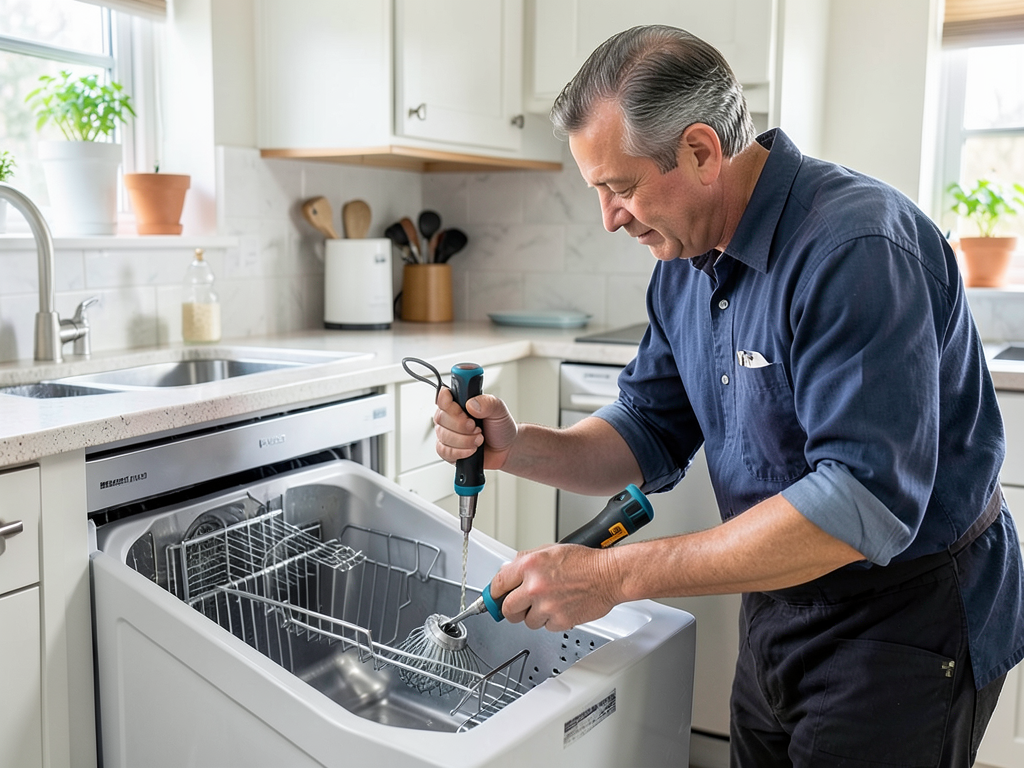
Why Your New Dishwasher Is Not Draining Properly and How to Fix the Air Gap Standing water in your new…

Why Your New Dishwasher Is Not Draining Properly (and How to Fix the Air Gap)

Why Your New Dishwasher Is Not Draining Properly and How to Fix the Air Gap Standing water in your new…

The One Small Part in Your Laundry Room That Could Flood Your Entire Greenwich Home

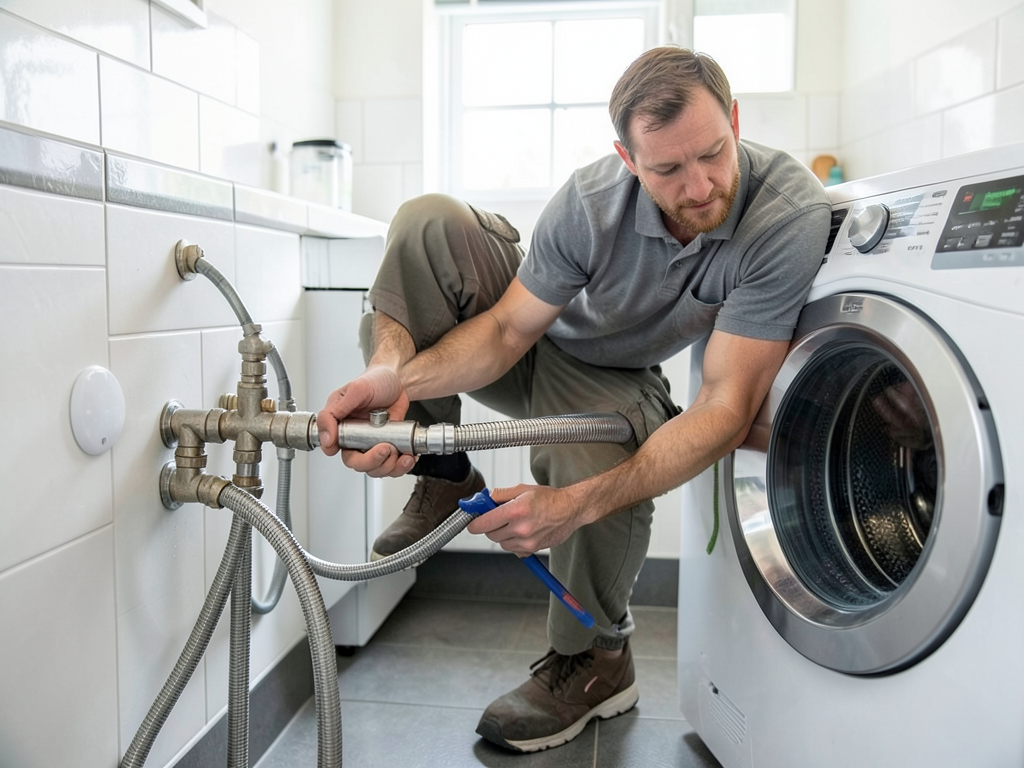
The One Small Part in Your Laundry Room That Could Flood Your Entire Greenwich Home Old washing machine hoses are…

How to Get Rid of That Rotten Egg Smell Coming from Your Mianus Drains

How to Get Rid of That Rotten Egg Smell Coming from Your Mianus Drains That rotten egg smell coming from…

Contact Us

Stop guessing why your water heater stopped working. Call United Plumbing Greenwich at (475) 320-3733 and schedule a diagnostic visit. We will identify the exact cause, explain your options, and get your hot water restored fast.