


menu

Smelly Drains & Sewer Odors in Greenwich – Expert Diagnosis and Permanent Elimination

United Plumbing Greenwich identifies the root cause of foul sewer gas odors, stinky bathroom drains, and sewage smells in your home, then eliminates them permanently using proper venting repairs and P-trap restoration.

Slider Image 1
Slider Image 2
Slider Image 3
Slider Image 4
Slider Image 5
Slider Image 7
Slider Image 8
Slider Image 9
Slider Image 10
Slider Image 11

Why Greenwich Homes Struggle with Persistent Drain and Sewer Odors

You walk into your bathroom and get hit with that unmistakable rotten egg smell from plumbing. You pour bleach down the drain. The smell vanishes for a day, then returns. This cycle frustrates homeowners across Greenwich, particularly in older neighborhoods near Greenwich Avenue and along the waterfront where aging cast iron drain lines are common.

Sewage smell in house rarely comes from dirty drains. Most unpleasant drain odors stem from failed P-traps, broken vent stacks, or sewer gas backing up through compromised pipe connections. Greenwich's mix of historic homes built before modern plumbing codes and newer construction on challenging foundation conditions creates unique vulnerability points.

Stinky bathroom drains often signal dry P-traps in guest bathrooms or basement floor drains that evaporate during Connecticut's low-humidity winter months. Once that water seal disappears, nothing blocks sewer gas from entering your living space. Foul sewer gas odors contain hydrogen sulfide, which corrodes metal fixtures and poses legitimate health risks at high concentrations.

Pouring chemicals down drains masks symptoms without addressing the structural failure causing the problem. The smell returns because the pathway remains open. Greenwich's coastal proximity also means higher humidity levels during summer months, which can accelerate corrosion in older galvanized drain lines and cause premature failure of rubber gaskets in PVC connections.

Understanding the difference between a maintenance issue and a venting problem determines whether you waste money on temporary fixes or solve the problem permanently. Most homeowners cannot diagnose the source without proper testing equipment and knowledge of how drain waste vent systems function under Connecticut plumbing code.

Why Greenwich Homes Struggle with Persistent Drain and Sewer Odors
How We Isolate and Eliminate Sewer Odor Sources

How We Isolate and Eliminate Sewer Odor Sources

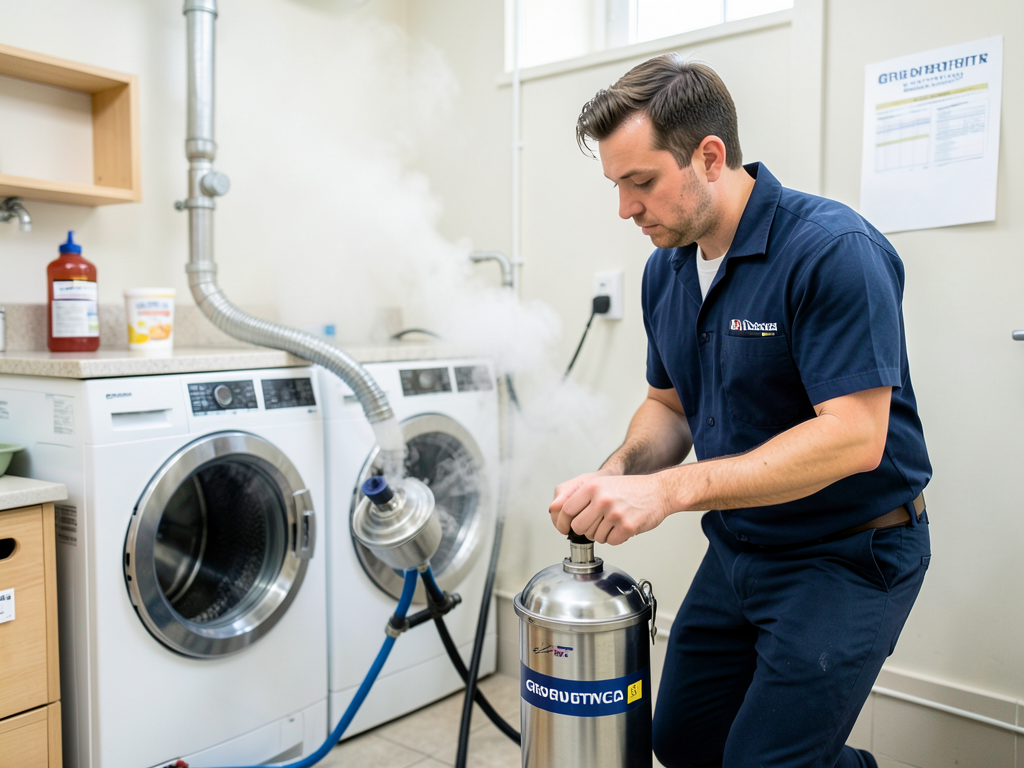
United Plumbing Greenwich uses smoke testing and pressure diagnostics to pinpoint exactly where sewer gas enters your home. We pump non-toxic theatrical smoke through your drain waste vent system while monitoring every fixture, cleanout, and roof penetration. Smoke reveals cracks in cast iron pipes hidden behind walls, failed wax rings under toilets, and disconnected vent terminations in attics that visual inspection misses.

We test P-trap water levels using digital manometers that measure negative pressure. A functioning P-trap maintains a minimum 2-inch water seal. If that seal breaks due to siphoning, evaporation, or capillary action, we identify why the trap loses its seal rather than just refilling it. Many Greenwich homes have improperly vented fixture groups that create negative pressure during drainage, pulling water from downstream traps.

Our camera inspection documents the interior condition of your drain lines. We look for offset joints, root intrusion, and tuberculation buildup that restricts flow and creates gas pockets. Older homes near Bruce Park often have clay tile sewer laterals that have separated at joints, allowing soil infiltration and creating perfect conditions for anaerobic bacteria that produce hydrogen sulfide.

We verify vent stack integrity from the roof down. Connecticut building code requires vent terminations to extend specific distances above roof surfaces and away from air intake vents. We find vent stacks terminated in attics, capped during roof replacements, or crushed by tree limbs during storms. Each failure creates negative pressure that pulls sewer gas through the weakest trap in your system.

Once we identify all entry points, we implement permanent corrections using code-compliant materials and proper venting calculations. We replace failed traps, repair broken vent connections, and install air admittance valves where adding conventional vents proves impractical in finished spaces.

What Happens During a Sewer Odor Investigation

Smelly Drains & Sewer Odors in Greenwich – Expert Diagnosis and Permanent Elimination
01

Initial Odor Mapping

We walk through your home with you to identify where odors concentrate and when they worsen. We ask about patterns related to weather, fixture use, and time of day. We check every drain fixture, floor drain, and cleanout cap for obvious failures like missing trap plugs or dried-out seals. This conversation helps us form initial hypotheses about whether you face a venting issue, trap failure, or sewer line compromise before we begin invasive testing.
02

Diagnostic Testing

We perform smoke testing through your main cleanout while monitoring all interior fixtures and roof penetrations. We use manometers to measure pressure differentials during fixture drainage to identify siphoning conditions. We run camera inspection through accessible drain lines to document pipe condition and joint integrity. We test vent stack function by introducing water at multiple fixture locations simultaneously to see if negative pressure develops. These objective measurements eliminate guesswork and prevent unnecessary excavation.
03

Repair and Verification

We execute repairs based on diagnostic findings, whether that means replacing wax rings, repairing vent connections, installing trap primers on floor drains, or replacing compromised drain sections. After completing repairs, we retest using smoke to verify all entry points are sealed. We run water through all fixtures to confirm proper drainage and venting function. We document all work photographically and explain maintenance steps to prevent recurrence, like periodic water addition to infrequently used drains.

Why Greenwich Residents Choose Local Expertise for Odor Problems

Sewer odor problems in Greenwich require familiarity with how homes were originally plumbed in different construction eras. Homes built in Riverside before 1960 typically have cast iron drain stacks that develop pinhole leaks at the 50-year mark. Post-war construction near Old Greenwich often used galvanized drain lines that corrode from the inside out. Understanding these patterns helps us diagnose faster and avoid unnecessary exploratory demolition.

United Plumbing Greenwich knows which neighborhoods connect to municipal sewer versus septic systems. Homes on septic in backcountry areas face different odor issues related to vent placement and seasonal water table changes. We understand how Greenwich's rocky subsurface conditions affect sewer lateral installation and where frost heave causes joint separation in shallow burial depths.

We work within Greenwich building department requirements for plumbing alterations. Any vent stack modification or drain line replacement in finished spaces requires permits and inspection. We handle that process and ensure all work meets Connecticut State Plumbing Code, which references specific venting distances, trap arm lengths, and approved materials. Homeowners who attempt DIY fixes or hire unlicensed handymen often create code violations that complicate future home sales.

Our diagnostic equipment investment separates us from competitors who rely on visual inspection and guesswork. Smoke testing equipment, push camera systems, and digital manometers cost thousands of dollars. Most small operators cannot justify that investment, so they recommend exploratory cutting or blanket drain replacements that may not address the actual problem.

We provide written diagnostic findings before proposing any repair work. You receive photos, camera footage, and pressure test results that document exactly what we found. This transparency allows you to make informed decisions and compare our diagnosis against other opinions if desired. We never pressure you into immediate repairs and explain which issues pose immediate health risks versus long-term maintenance concerns.

What to Expect When We Investigate Your Sewer Odor Problem

Response Time and Scheduling

We schedule diagnostic appointments within 48 hours of your call during normal business days. Sewer odor investigations require 2-4 hours depending on home size and plumbing complexity. We arrive with all necessary testing equipment in our trucks, so we complete diagnostics in a single visit without return trips for specialized tools. If we discover immediate health hazards like high hydrogen sulfide concentrations or active sewage leaks, we prioritize temporary mitigation measures before leaving your home. Most diagnostic work happens during daytime hours when natural light aids roof inspection and attic access.

Diagnostic Process and Communication

We explain each diagnostic step before performing it and invite you to observe testing if you want to understand the process. We show you smoke emerging from failure points in real time and explain what camera footage reveals about pipe condition. We avoid technical jargon unless you request detailed explanations about venting calculations or code requirements. After completing diagnostics, we sit down with you to review findings using photos and video on a tablet. We provide written estimates for all recommended repairs with line-item pricing so you understand exactly what each correction costs and why it matters.

Repair Quality and Materials

We use Schedule 40 PVC for drain line replacements and ABS where code permits. We install only approved air admittance valves from Studor or Oatey that meet ASSE 1051 standards. We replace wax rings with reinforced wax or rubber gasket systems depending on flange condition and floor surface. All vent terminations receive proper flashing and storm collars to prevent water intrusion. We pressure test all new drain connections before closing walls and provide you with material receipts showing manufacturer specifications. Repairs in finished spaces include drywall patching and paint touch-up using your existing wall texture patterns.

Follow-Up and Prevention Guidance

After completing repairs, we provide a written maintenance guide specific to your plumbing system. This includes recommendations for trap primer installation on floor drains, periodic water addition schedules for guest bathroom fixtures, and signs that indicate developing problems. We offer six-month follow-up calls to verify odors have not returned and answer any questions about system performance. If you experience recurrence of sewer odors within the first year after our repairs, we return to investigate at no additional diagnostic charge. We also provide guidance on septic system maintenance schedules if your home uses on-site waste treatment.

Frequently Asked Questions

You Have Questions,
We Have Answers

Why do all my drains smell like sewer? +

Multiple drains smelling like sewer means your home's plumbing trap system has failed. P-traps under sinks, tubs, and floor drains hold standing water to block sewer gas. When traps dry out from disuse or lose their seal due to leaks, that toxic gas enters your home. In Greenwich's older homes, trap failures happen frequently during winter when heating dries out unused fixtures. Broken vent pipes on your roof also disrupt pressure balance, pulling water from traps and letting odors escape. This requires immediate professional diagnosis to identify which component failed and why.

How to get rid of foul smell coming from a drain? +

Start by running hot water down each drain for three minutes to refill any dried P-traps. Pour a half cup of baking soda followed by hot water to flush biofilm buildup. If odor persists, the problem is not surface bacteria. You face a structural issue like a cracked drain line, defective wax ring at your toilet, or venting failure. Greenwich homes built before 1980 often have cast iron drain pipes corroding from inside, creating persistent odor sources. These require camera inspection and repair, not DIY remedies. Temporary fixes just mask deeper plumbing failures.

Can I fix a sewage smell myself? +

You can fix simple causes like dried-out traps by running water or pouring a cup of vegetable oil in rarely used drains to slow evaporation. Cleaning visible P-traps under sinks is manageable with basic tools. Beyond that, sewage smells indicate serious problems you should not tackle yourself. Cracked sewer lines, failed vent stacks, or damaged wax rings require diagnostic tools like sewer cameras and expertise to repair safely. Greenwich's strict building codes also require permitted work for drain repairs. Attempting complex fixes risks contaminating your home with dangerous sewer gas or worsening existing damage.

What is the best drain odor eliminator? +

No product eliminates drain odors if the source is structural failure. For minor biofilm smells, enzyme-based cleaners break down organic material without damaging pipes. Avoid chemical drain cleaners that corrode older pipes common in Greenwich homes. Baking soda and vinegar create temporary freshness but do not address root causes. If your drain smells return within days, the problem is not bacteria. You need a plumber to inspect for damaged traps, broken vent pipes, or cracked drain lines. Products mask symptoms while the real issue worsens. Fix the cause, not the smell.

How to find where sewer smell is coming from? +

Start by checking each fixture. Run water in all sinks, tubs, and showers to refill traps, then smell near each drain. Check toilets for loose or cracked wax rings by rocking the bowl. Inspect your basement or crawlspace for visible cracks in drain pipes or pooling water. In Greenwich homes with finished basements, smell near floor drains and sump pumps. If you cannot locate the source, a plumber uses smoke testing or sewer cameras to trace odors through your drain system. Sewer gas often migrates through walls, making DIY diagnosis unreliable and dangerous.

Is it safe to stay in a house that smells like sewer? +

Sewer gas contains methane and hydrogen sulfide, both toxic at high concentrations. Brief exposure causes headaches and nausea. Prolonged exposure risks respiratory damage and, in extreme cases, unconsciousness. If you smell sewer gas throughout your home, open windows immediately and leave until a plumber identifies the source. Do not assume the odor is harmless. Greenwich's older homes with original cast iron drains often develop multiple failure points, increasing gas concentration. Children and elderly residents face higher health risks. Treat persistent sewer smells as an emergency requiring same-day professional response.

What kills sewage smell? +

Killing sewage smell requires eliminating the entry point, not masking odor. For biofilm in drains, enzyme cleaners digest organic material causing smell. For dried traps, running water restores the gas barrier. For structural failures like cracked pipes or broken seals, only physical repair stops the odor. Bleach and disinfectants kill bacteria but do not seal cracks or fix venting issues. In Greenwich, many sewer smell complaints trace to deteriorated cast iron pipes requiring replacement. Focus on diagnosing why sewer gas enters your home, then address that specific failure point with proper repairs.

Does pouring vinegar down the drain make it smell better? +

Vinegar temporarily neutralizes minor biofilm odors but does not fix plumbing failures causing sewer gas entry. The acidic reaction with baking soda loosens surface gunk but cannot reach deep clogs or repair damaged traps. If smell returns within hours, vinegar is useless. You need to identify the actual cause. Greenwich homes with garbage disposals often develop odor from food buildup, which vinegar helps. For true sewer gas from failed traps, broken wax rings, or cracked vent pipes, vinegar does nothing. Stop wasting time on home remedies and get a professional diagnosis.

Is a plumber needed for drain smells? +

Yes. Drain smells that persist after running water and basic cleaning indicate structural plumbing problems requiring professional tools. Plumbers use sewer cameras to inspect drain lines, smoke tests to find hidden leaks, and pressure tests to check vent systems. Greenwich's mix of historic and newer construction means drain issues vary widely. A plumber diagnoses whether you need trap replacement, vent repair, pipe relining, or wax ring replacement. Guessing wastes money on wrong fixes. Most sewer smell repairs take hours, not days, once diagnosed correctly. Avoid prolonged exposure to toxic sewer gas.

What's the average cost to fix a sewer smell? +

Costs vary based on the source. Replacing a dried-out trap or cleaning biofilm runs $150 to $300. Replacing a toilet wax ring costs $200 to $400. Camera inspections to locate hidden issues cost $300 to $500. Major repairs like vent pipe replacement or drain line relining range from $1,500 to $5,000 depending on accessibility. Greenwich's older homes often require multiple repairs if original cast iron drains have corroded. Get a diagnostic inspection first to avoid paying for ineffective fixes. Most plumbers charge trip fees around $100, credited toward repairs if you proceed.

How Greenwich's Coastal Climate Accelerates Plumbing System Deterioration

Greenwich sits less than a mile from Long Island Sound in most residential areas, exposing plumbing systems to salt-laden air that accelerates corrosion in metal components. Cast iron drain stacks in homes near the waterfront corrode faster than identical installations ten miles inland. The combination of coastal humidity and Connecticut's freeze-thaw cycles creates perfect conditions for tuberculation, the crusty buildup inside old pipes that traps sewer gas and restricts drainage. Homes in Riverside and Old Greenwich built before 1970 face particularly aggressive corrosion timelines. This coastal environment makes regular plumbing system inspections more critical than in inland Connecticut communities.

Greenwich building inspectors enforce Connecticut State Plumbing Code strictly, particularly for alterations in historic districts near downtown and along Sound Beach Avenue. Any modification to drain waste vent systems requires permits and third-party inspection before closing walls. United Plumbing Greenwich maintains active contractor licenses and pulls permits for all work requiring inspection. We know which modifications trigger plan review versus standard permit processes and how to navigate variance requests when existing conditions make code-compliant repairs challenging in older homes. This local administrative knowledge prevents project delays and ensures your repairs pass inspection on the first attempt.
Plumbing Services in The Greenwich Area

We are proud to serve the community of Greenwich and the surrounding areas. Our local presence allows us to respond quickly to your plumbing needs, whether it's an emergency repair or a scheduled installation. View our location on the map and see our full service area to find out if we can come to your rescue. We're your trusted neighbors, always ready to lend a helping hand.

Address:
United Plumbing Greenwich, 88 Field Point Rd, Greenwich, CT, 06830

Additional Services We Offer

Our news updates

Latest Articles & News from The Blogs

Why Your New Dishwasher Is Not Draining Properly and How to Fix the Air Gap Standing water in your new…

Why Your New Dishwasher Is Not Draining Properly (and How to Fix the Air Gap)

Why Your New Dishwasher Is Not Draining Properly and How to Fix the Air Gap Standing water in your new…

The One Small Part in Your Laundry Room That Could Flood Your Entire Greenwich Home

The One Small Part in Your Laundry Room That Could Flood Your Entire Greenwich Home Old washing machine hoses are…

How to Get Rid of That Rotten Egg Smell Coming from Your Mianus Drains

How to Get Rid of That Rotten Egg Smell Coming from Your Mianus Drains That rotten egg smell coming from…

Contact Us

Call United Plumbing Greenwich at (475) 320-3733 to schedule a comprehensive sewer odor diagnostic. We identify the source, explain your options, and provide written estimates before starting any repair work. Stop masking the problem with air fresheners and eliminate it permanently.