


menu

High Water Bills in Greenwich – Expert Detection Finds Hidden Leaks Fast

When you notice a sudden spike in water bill, you need precise diagnostics to pinpoint underground leaks, faulty fixtures, or meter issues before your next billing cycle costs you even more.

Slider Image 1
Slider Image 2
Slider Image 3
Slider Image 4
Slider Image 5
Slider Image 7
Slider Image 8
Slider Image 9
Slider Image 10
Slider Image 11

Why Greenwich Homes See Unexplained High Water Bills

You check your water bill and freeze. The number doubled, tripled, or jumped to a figure that makes no sense. You did not fill a pool, water the lawn more than usual, or leave a faucet running. This sudden spike in water bill hits Greenwich homeowners hard, especially in older neighborhoods near the Cos Cob Harbor waterfront and Belle Haven where aging galvanized pipes corrode from the inside out.

Greenwich sits on soil with high seasonal moisture variation. Winter freeze-thaw cycles stress underground service lines. Spring thaw softens clay layers beneath your foundation, shifting pipes just enough to crack joints. Summer humidity accelerates corrosion inside copper and galvanized steel. By fall, a pinhole leak you cannot see wastes 30 gallons per day, spiking your bill by hundreds of dollars.

Most homeowners blame the utility. They call Aquarion Water Company to dispute the charge. The meter is almost always correct. The excessive water usage is real. The question is where.

A skyrocketing water bill signals one of three problems. First, a hidden leak in the service line between the street and your home. Second, a running toilet with a failing flapper valve that silently drains your tank every few minutes. Third, a faulty pressure-reducing valve allowing municipal pressure to surge through your fixtures unchecked, wasting water every time you turn on a tap.

Greenwich's mix of Historic District properties and newer builds means plumbing systems vary wildly in age and material. Homes in Riverside and Old Greenwich often have 40- to 60-year-old plumbing that degrades without visible warning. You need a diagnostic process that isolates the exact failure point before your next billing cycle compounds the financial damage.

Why Greenwich Homes See Unexplained High Water Bills
How United Plumbing Greenwich Stops Water Bill Spikes

How United Plumbing Greenwich Stops Water Bill Spikes

We diagnose unexpected water bill increases using a three-phase isolation protocol. This approach eliminates guesswork and identifies the exact source of excessive water usage within hours, not days.

First, we perform a static pressure test on your domestic water system. We shut off all fixtures, close the main valve, and install a calibrated pressure gauge on a hose bib. If pressure drops over a 15-minute interval, you have an active leak somewhere between the meter and your fixtures. This test confirms the problem exists before we begin invasive diagnostics.

Second, we isolate fixture groups. We shut off angle stops to toilets, sinks, and appliances one by one while monitoring the meter. If the meter stops spinning when we close the supply to your second-floor bathroom, we know the leak originates in that zone. If the meter continues to run with all fixtures closed, the leak is in the service line between the street and your home.

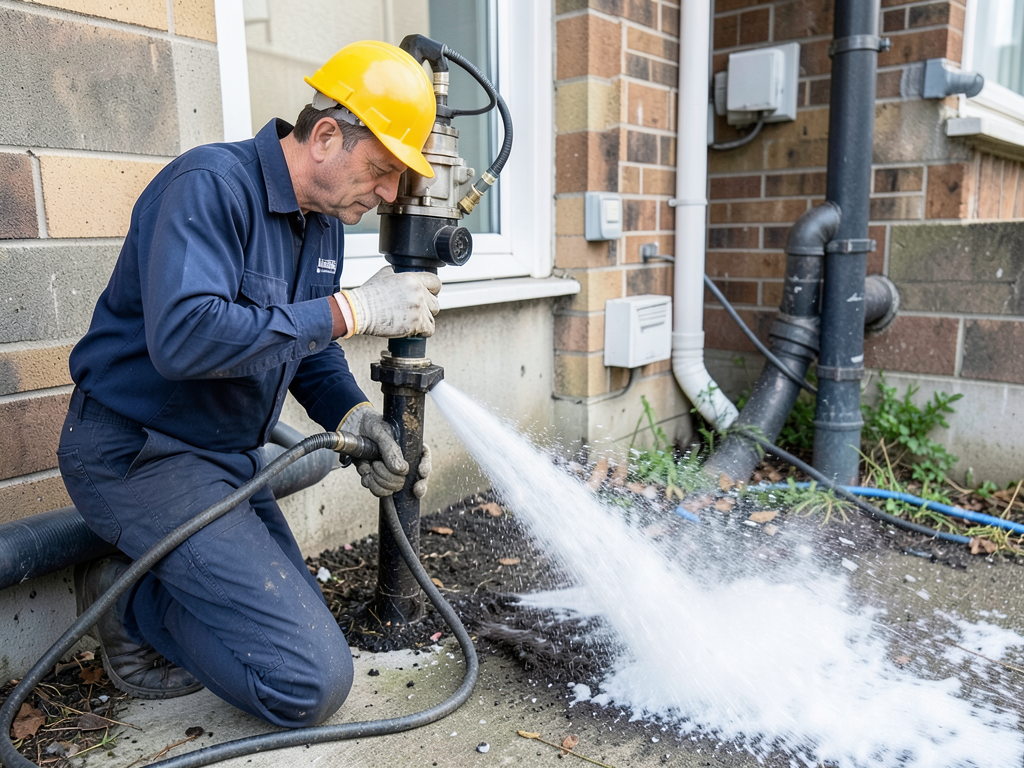
Third, we deploy acoustic leak detection equipment for underground failures. A geophone amplifies the sound of water escaping pressurized pipes. We walk your property from the curb to the foundation, listening for the high-frequency hiss that indicates a breach. Clay soil in Greenwich transmits these sounds clearly, allowing us to pinpoint a leak within a two-foot radius without excavating your entire yard.

For fixture-based problems, we inspect flapper valves, fill valves, and flush mechanisms inside toilet tanks. A worn flapper allows 200 gallons per day to silently drain into the bowl. We test with dye tablets. If color appears in the bowl without flushing, the flapper has failed.

We also test pressure-reducing valves at the main entry point. Greenwich municipal water pressure ranges from 60 to 80 psi. Without a functioning PRV, that pressure hammers through your fixtures, accelerating wear and wasting water. We install a gauge and measure static versus dynamic pressure to confirm the valve is regulating correctly.

What Happens During Our Water Bill Investigation

High Water Bills in Greenwich – Expert Detection Finds Hidden Leaks Fast
01

Meter Reading Verification

We start by photographing your current meter reading and comparing it to your recent billing statements. We calculate your actual daily usage rate to establish a baseline. This confirms whether the unexpected water bill increase matches a real consumption spike or a meter error. We verify the meter serial number matches your account to rule out cross-connection billing mistakes that occasionally occur in multi-unit properties.
02

System Isolation Testing

We systematically isolate each fixture and appliance in your home. Starting at the water heater, we close supply valves and monitor the meter dial. A spinning dial with all fixtures closed confirms a service line leak. If the dial stops when we isolate a specific bathroom or appliance, we focus diagnostics on that zone. This step eliminates 60 percent of the possible failure points within 20 minutes.
03

Repair and Retest

Once we locate the source, we execute the repair using code-compliant materials rated for Greenwich's water chemistry and pressure conditions. After completing the fix, we reopen the main valve and monitor the meter for 15 minutes with all fixtures closed. A stationary meter confirms the leak is eliminated. We document the final reading so you can compare it to your next bill and verify the excessive water usage has stopped.

Why Greenwich Residents Trust United Plumbing Greenwich

You need a plumber who understands the specific failure patterns in Greenwich's housing stock. Homes built in the 1950s through 1980s in neighborhoods like Glenville and Pemberwick used galvanized steel supply lines that corrode internally, restricting flow and creating pinhole leaks that spike bills without visible water damage. Properties near Long Island Sound experience accelerated corrosion from salt air. We account for these variables when diagnosing your sudden spike in water bill.

United Plumbing Greenwich maintains acoustic detection equipment and pressure-testing rigs specifically for underground leak isolation. Many plumbers guess at leak locations and excavate blindly, tearing up landscaping and driveways unnecessarily. We pinpoint the failure before we dig, minimizing disruption to your property and reducing repair costs.

We also understand Greenwich's water quality profile. Aquarion treats municipal water with chloramine and maintains pH levels that can accelerate copper corrosion in certain pipe types. If your home has copper supply lines installed before 2000, you may experience pitting corrosion that manifests as a slow, steady leak. We test for these conditions during diagnostics and recommend repiping strategies that prevent recurrence.

Our service trucks stock PRVs, flapper valves, fill valves, and angle stops sized for the fixtures common in Greenwich homes. We complete most repairs the same day, eliminating the delay and expense of return trips. This matters when you are losing gallons per hour and every day adds to your skyrocketing water bill.

We also provide documentation for insurance claims. If your unexplained high water bill resulted from a sudden pipe failure, your homeowner policy may cover the repair cost and a portion of the excess water charges. We photograph the failure, provide a written diagnostic report, and supply itemized invoices that meet insurer requirements for reimbursement.

What to Expect When You Call United Plumbing Greenwich

Same-Day Diagnostic Availability

We prioritize high water bill emergencies because every day of delay compounds your financial loss. When you call, we schedule a diagnostic visit within 24 hours, often same-day for urgent cases. Our technicians arrive with acoustic detection equipment, pressure-testing gauges, and the replacement parts needed to complete common repairs on the first visit. You do not wait for a second appointment while your meter spins and your bill climbs. We isolate the problem, explain the findings in plain language, and execute the repair immediately if you approve the scope.

Transparent Diagnostic Process

Before we start testing, we explain each phase of the diagnostic protocol. You watch the meter test in real time. You see the pressure gauge readings. If we need to excavate, we mark the suspected leak location and explain why we believe the failure is there. We do not upsell unnecessary services or recommend whole-system replacements when a targeted repair solves the problem. If the leak is in a fixture, we show you the failed component. If it is underground, we document the acoustic signature and the soil conditions before we dig.

Permanent, Code-Compliant Repairs

We repair underground leaks using Type K copper or HDPE tubing rated for direct burial in Greenwich's clay and loam soils. We wrap joints with corrosion-resistant tape and backfill with sand to prevent future pipe movement. For fixture repairs, we install Fluidmaster or Korky components with multi-year service ratings. Our work complies with Connecticut state plumbing code and Greenwich local amendments. You receive a written invoice detailing the materials used, the warranty terms, and the final meter reading. This documentation supports insurance claims and provides a baseline for future diagnostics if needed.

Post-Repair Monitoring Guidance

After we complete the repair, we teach you how to monitor your meter for the next billing cycle. We show you how to read the dial, calculate daily usage, and identify abnormal consumption patterns before they escalate into another unexpected water bill increase. We also provide maintenance recommendations based on your plumbing system's age and condition. For older homes, this may include PRV testing, water heater anode rod inspection, or angle stop replacement to prevent future failures. We do not push maintenance contracts, but we provide the information you need to make informed decisions about your system's longevity.

Frequently Asked Questions

You Have Questions,
We Have Answers

What runs your water bill up the most? +

Toilet leaks drive water bills higher than any other fixture in your home. A single running toilet can waste 200 gallons daily. Outdoor irrigation systems rank second, especially in Greenwich where larger properties and lawn maintenance demands increase water use. Long showers and older, inefficient fixtures also contribute significantly. Washing machines and dishwashers without high-efficiency ratings consume excess water. If your bill spiked suddenly, check toilets first by adding food coloring to the tank. If color appears in the bowl without flushing, you have a leak that needs immediate repair.

What can cause a really high water bill? +

Hidden slab leaks under your foundation cause dramatic bill increases without visible signs. Underground supply line breaks between the meter and your home waste thousands of gallons. Faulty toilet flappers remain the most common culprit. Malfunctioning irrigation systems or outdoor spigots left partially open contribute to high usage. In Greenwich's older neighborhoods, corroded galvanized pipes develop pinhole leaks inside walls. Water softener malfunctions can cause continuous regeneration cycles. Seasonal factors like filling pools or increased sprinkler use during dry periods also spike bills. Check your meter reading against actual usage to identify abnormal consumption patterns.

How can I detect hidden water leaks? +

Turn off all water fixtures and appliances inside your home. Locate your water meter and note the position of the dial or digital readout. Wait two hours without using any water. Check the meter again. If it moved, you have a leak. Inspect visible pipes under sinks and around water heaters for moisture or corrosion. Listen for hissing sounds near fixtures. Check your yard for unusually green patches or soft spots that indicate underground leaks. In Greenwich's freeze-thaw climate, check basements and crawl spaces for dampness after winter. Monitor your water bill for unexpected increases that signal hidden problems.

How much should a normal water bill be per month? +

Greenwich households average $40 to $80 monthly for water and sewer combined, depending on property size and usage. Single-family homes typically use 5,000 to 7,000 gallons monthly. Larger estates with irrigation systems can see bills reach $150 or higher during growing season. Your bill depends on household size, fixture efficiency, and outdoor water use. Compare your current bill to previous months. A sudden 25 percent increase suggests a leak. The Aquarion Water Company serves most of Greenwich, and rates vary by consumption tiers. Track your usage patterns to establish your baseline normal consumption.

How to tell if you have a water leak on the meter? +

Shut off every water source inside and outside your home. Walk to your meter and observe the leak indicator, a small triangular dial or red flow indicator. If this indicator moves or spins, water flows through the meter, confirming a leak. On digital meters, watch for changing numbers. The meter sits between the street and your foundation, often in a concrete box near your property line. In Greenwich's historic districts, meters may be in basements. If the indicator moves with all fixtures off, the leak exists between the meter and your home or inside your plumbing system.

What wastes the most water in a house? +

Toilets waste more water than any other fixture, accounting for 30 percent of indoor use. A running toilet wastes up to 200 gallons daily. Outdoor irrigation systems rank second, particularly in Greenwich where properties average larger lot sizes requiring extensive watering. Showers consume 20 gallons per use on average. Older washing machines use 40 gallons per load compared to 15 for high-efficiency models. Dripping faucets waste 3,000 gallons yearly per fixture. Leaking supply lines inside walls or under slabs can waste thousands of gallons before detection. Address toilet leaks first for immediate savings.

How Greenwich's Water Chemistry Accelerates Hidden Leaks

Greenwich receives municipal water from the Aquarion Water Company's Stamford and Bridgeport treatment plants. The water has a pH of 7.2 to 7.8 and contains chloramine for disinfection. Chloramine is less volatile than chlorine but more aggressive on certain copper alloys. Homes built between 1980 and 2000 often used M-type copper tubing for supply lines, which is thinner-walled and more susceptible to pitting corrosion under chloramine exposure. Over time, pinholes form on the inside of horizontal runs, creating slow leaks that do not produce visible water damage but quietly inflate your bill for months before you notice the sudden spike in water bill.

United Plumbing Greenwich works exclusively in Fairfield County and maintains detailed records of failure patterns in local housing stock. We know which Greenwich subdivisions used galvanized steel, which used copper, and which transitioned to PEX during construction booms. This local knowledge allows us to predict likely failure points before we start testing, reducing diagnostic time and minimizing the cost of isolating your excessive water usage. When you hire a plumber unfamiliar with Greenwich's water chemistry and soil conditions, you risk incomplete diagnostics, misidentified leaks, and unnecessary excavation. Local expertise is not optional for this type of problem.
Plumbing Services in The Greenwich Area

We are proud to serve the community of Greenwich and the surrounding areas. Our local presence allows us to respond quickly to your plumbing needs, whether it's an emergency repair or a scheduled installation. View our location on the map and see our full service area to find out if we can come to your rescue. We're your trusted neighbors, always ready to lend a helping hand.

Address:
United Plumbing Greenwich, 88 Field Point Rd, Greenwich, CT, 06830

Additional Services We Offer

Our news updates

Latest Articles & News from The Blogs

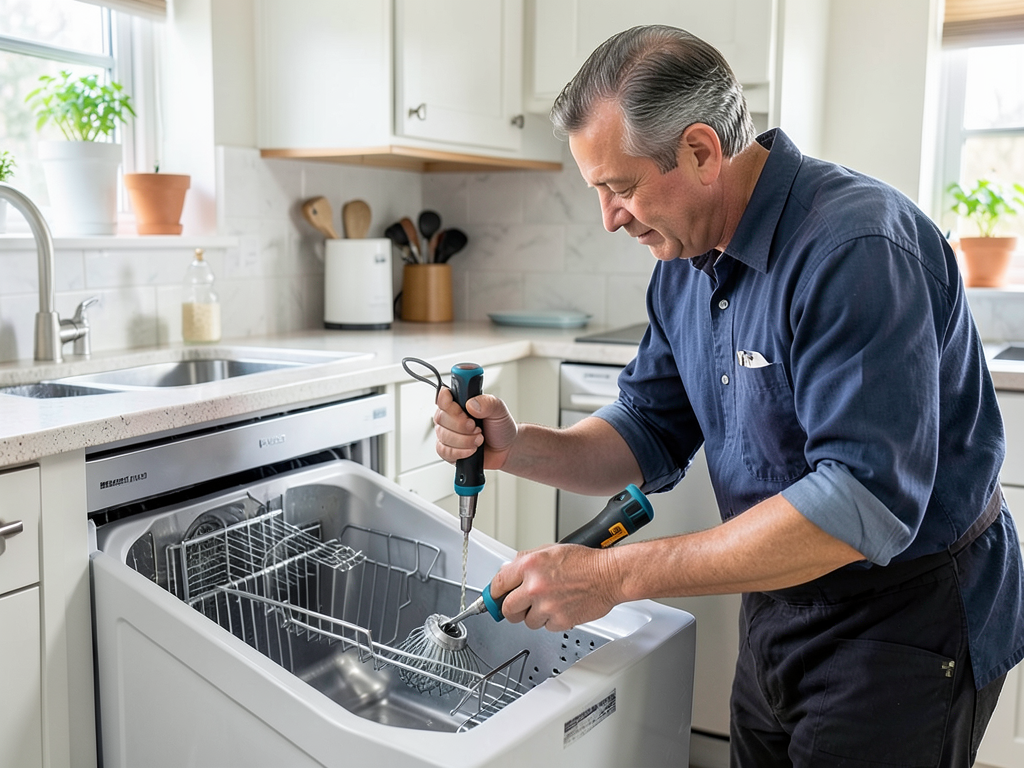
Why Your New Dishwasher Is Not Draining Properly and How to Fix the Air Gap Standing water in your new…

Why Your New Dishwasher Is Not Draining Properly (and How to Fix the Air Gap)

Why Your New Dishwasher Is Not Draining Properly and How to Fix the Air Gap Standing water in your new…

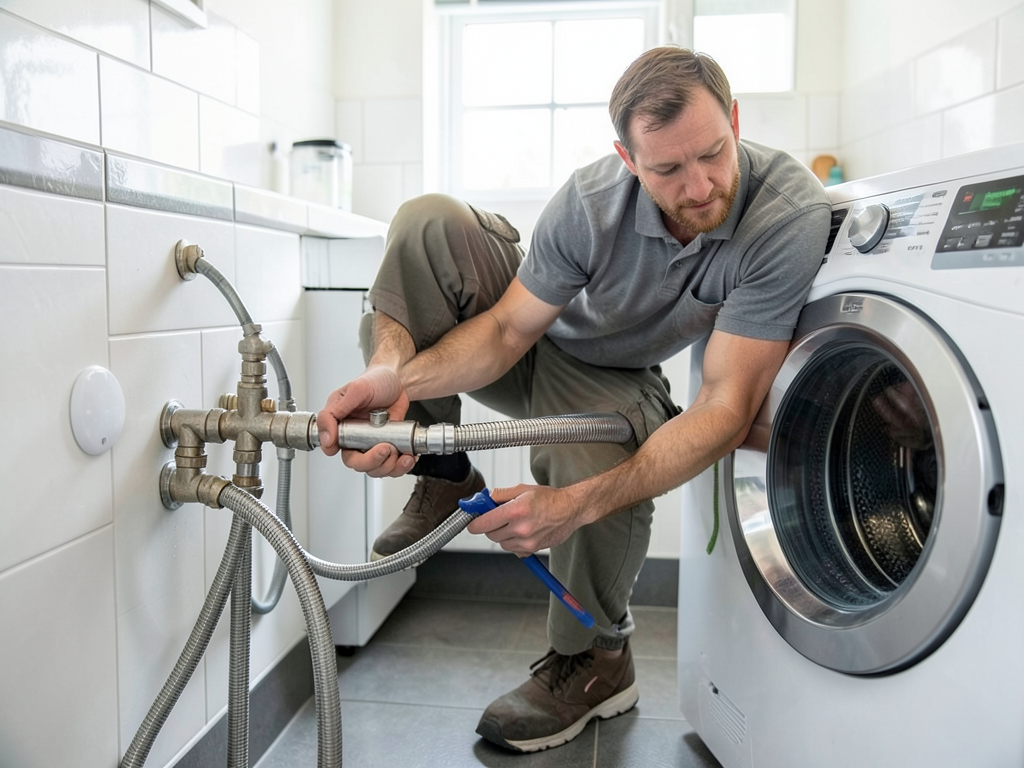
The One Small Part in Your Laundry Room That Could Flood Your Entire Greenwich Home

The One Small Part in Your Laundry Room That Could Flood Your Entire Greenwich Home Old washing machine hoses are…

How to Get Rid of That Rotten Egg Smell Coming from Your Mianus Drains

How to Get Rid of That Rotten Egg Smell Coming from Your Mianus Drains That rotten egg smell coming from…

Contact Us

Your water bill will not fix itself. Every day you wait, hundreds of gallons escape and your next bill climbs higher. Call United Plumbing Greenwich at (475) 320-3733 now. We will isolate the leak, execute the repair, and stop the excessive water usage before your next billing cycle.