


menu

Cold Water Sandwich Effect in Greenwich – Expert Diagnosis and Permanent Solutions for Tankless Temperature Fluctuations

United Plumbing Greenwich identifies and corrects the root causes of cold water sandwich effect in tankless systems, eliminating intermittent cold water bursts that disrupt your daily routine and ensuring consistent hot water delivery.

Slider Image 1
Slider Image 2
Slider Image 3
Slider Image 4
Slider Image 5
Slider Image 7
Slider Image 8
Slider Image 9
Slider Image 10
Slider Image 11

Why Greenwich Homeowners Experience Sudden Cold Water Bursts Mid-Shower

You turn on the shower. The water runs hot. You step in. Then without warning, a blast of cold water hits you mid-rinse. Seconds later, it's hot again. This isn't a defective water heater. It's the cold water sandwich effect, a common tankless water heater problem that frustrates homeowners across Greenwich daily.

Greenwich's higher municipal water pressure, especially in neighborhoods near the reservoir system, makes this issue worse. When you turn off a faucet, hot water sits in the pipes between your tankless unit and the fixture. Turn the water back on within a minute or two, and that residual hot water flows first. Behind it sits cold water from the supply line. Then the tankless unit fires up and produces hot water again. The result is a cold water slug sandwiched between two hot water flows.

This tankless temperature fluctuation happens because tankless units don't maintain a reserve of hot water like traditional tanks. They heat on demand. The lag between detecting flow and reaching target temperature creates the problem. In homes with longer pipe runs, common in Greenwich's larger colonial and Victorian properties, the effect becomes more pronounced. You feel intermittent cold water bursts every time someone washes hands, fills a pot, or runs the dishwasher briefly.

The issue isn't dangerous, but it's aggravating. It disrupts showers, dishwashing, and laundry. More importantly, it signals that your system lacks proper configuration for your home's layout and water demand patterns.

Why Greenwich Homeowners Experience Sudden Cold Water Bursts Mid-Shower
How We Eliminate Cold Water Sandwiches Permanently

How We Eliminate Cold Water Sandwiches Permanently

Fixing the cold water sandwich effect requires understanding thermodynamics and system design, not just swapping parts. United Plumbing Greenwich addresses this problem through three technical interventions, selected based on your specific installation.

First, we evaluate flow activation thresholds. Most tankless units require a minimum flow rate, typically 0.5 to 0.75 gallons per minute, before the burner ignites. If your fixtures have low-flow aerators or if someone barely cracks a valve, the unit may not fire consistently. We measure actual flow rates at each fixture and adjust activation points or recommend appropriate aerator changes.

Second, we assess pipe length and insulation. Longer pipe runs mean more residual water sitting between the heater and fixtures. In Greenwich homes with second-floor master baths or detached garages, this distance compounds the problem. We calculate heat loss through uninsulated pipes and recommend targeted insulation or recirculation solutions where appropriate.

Third, we examine firing delay and modulation. Tankless units don't produce instant heat. The ignition sequence, flame ramp-up, and heat exchanger warm-up take seconds. During this lag, cold water flows. We verify that your unit's modulation burner adjusts properly to demand and that there are no ignition delays caused by gas pressure issues, clogged burners, or faulty flow sensors.

For severe cases, we install a small buffer tank downstream of the tankless unit. This creates a 2 to 5-gallon reserve that smooths out temperature delivery without sacrificing the energy efficiency that made you choose tankless in the first place. The buffer stores just enough hot water to bridge the ignition gap.

What Happens When You Call About Intermittent Temperature Problems

Cold Water Sandwich Effect in Greenwich – Expert Diagnosis and Permanent Solutions for Tankless Temperature Fluctuations
01

System Performance Mapping

We document when and where cold water bursts occur. You describe your usage patterns and we trace the timeline of temperature drops. We measure incoming water temperature, flow rates at multiple fixtures, and the time delay between valve activation and hot water arrival. This data tells us whether the problem stems from the unit itself, the piping layout, or water pressure fluctuations in the municipal supply.
02

Component and Flow Testing

We test the flow sensor, thermistors, and gas valve operation. Using a manifold gauge, we verify gas pressure during firing. We inspect the heat exchanger for scale buildup, which reduces thermal transfer efficiency and increases lag time. We also check for crossover between hot and cold lines at fixtures, which can allow cold water to backfeed into hot lines and worsen the sandwich effect in multi-fixture homes.
03

Targeted Correction Implementation

Based on diagnostics, we implement the correct fix. This might involve recalibrating the flow sensor, descaling the heat exchanger, adjusting gas pressure, insulating exposed pipes, or installing a compact buffer tank. We retest the system under actual use conditions, running multiple fixtures in sequence to confirm the cold water sandwich is eliminated. You get consistent hot water delivery without temperature surprises.

Why Greenwich Residents Trust United Plumbing Greenwich for Tankless Issues

Tankless water heaters are not plug-and-play appliances. They require precise sizing, proper venting, adequate gas supply, and configuration that matches your home's plumbing layout. Many installations in Greenwich were done during the tankless surge of the early 2010s, when contractors were still learning the technology. We see systems that were undersized for the home, incorrectly vented, or installed without accounting for Greenwich's variable water pressure.

United Plumbing Greenwich specializes in diagnosing and correcting these installation errors. We understand how Greenwich's water supply behaves. Homes in the north end near the Mianus River Gorge experience different pressure dynamics than properties closer to the Long Island Sound. We factor in seasonal temperature swings, which affect incoming water temperature and therefore the workload on your tankless unit.

We also understand local building codes. Greenwich enforces strict gas appliance venting requirements, particularly in neighborhoods with older homes that have been renovated. Improper venting doesn't just cause performance problems. It creates carbon monoxide risks. When we assess your tankless system, we verify code compliance and correct any issues that could fail inspection or endanger your household.

Our technicians carry diagnostic tools that most plumbers don't use. We measure combustion efficiency, analyze flame characteristics, and use thermal imaging to identify heat loss points. This level of precision matters when the problem involves split-second timing and temperature differentials of just a few degrees.

You're not just getting a repair. You're getting a system optimization based on how your household actually uses hot water.

What to Expect When We Diagnose Your Tankless Temperature Problem

Response Time and Scheduling

We schedule diagnostic appointments within 48 hours for standard service calls. If you have no hot water or unsafe conditions, we respond the same day. Most diagnostics take 60 to 90 minutes. We don't rush the process. Identifying the true cause of intermittent cold water bursts requires observation under actual use conditions, not just a quick visual inspection. We test during peak demand times when possible to replicate the problem you experience daily.

Diagnostic Process and Transparency

You'll see exactly what we find. We show you scale buildup on the heat exchanger, demonstrate flow rate measurements, and explain how your system responds to demand changes. We use a tablet to log data and generate a report that outlines the specific cause of your cold water sandwich problem. You get a written explanation of recommended fixes, ranked by effectiveness. We don't sell you a new unit unless your current system is beyond reasonable repair.

Quality of the Solution

We use OEM parts for all repairs. Aftermarket flow sensors and thermistors often have incorrect calibration curves that make temperature control worse. When we descale a heat exchanger, we use food-grade citric acid or vinegar solutions that won't damage the copper or stainless steel internals. If we install a buffer tank, we size it correctly for your demand profile and integrate it seamlessly with your existing system. The goal is invisible performance, hot water that just works.

Ongoing Support and Maintenance

Tankless units need annual descaling in Greenwich due to moderate water hardness. We offer maintenance plans that include heat exchanger flushing, burner inspection, and flow sensor cleaning. These visits prevent the performance degradation that leads to cold water sandwich problems reappearing. You also get priority scheduling and discounted rates on any repairs. We keep records of your system's performance trends so we can catch problems before they disrupt your hot water supply.

Frequently Asked Questions

You Have Questions,
We Have Answers

What is the cold water sandwich effect? +

The cold water sandwich effect happens with tankless water heaters when you turn the hot water off and back on quickly. The heat exchanger cools down after the first use. When you turn the tap back on, cold water flows through until the exchanger reheats. You get hot water, then a burst of cold, then hot again. This frustrates Greenwich homeowners who need consistent water temperature for multiple quick tasks like rinsing dishes or washing hands. The effect is more noticeable in winter when incoming groundwater is colder in Connecticut.

How to get rid of cold water sandwich? +

Fix the cold water sandwich effect by installing a small recirculation buffer tank between your tankless unit and fixtures. The buffer stores a small amount of pre-heated water, eliminating temperature drops during quick cycling. You can also install a recirculation pump with a timer to keep water moving through the system during peak use hours. In Greenwich homes with multiple bathrooms, upgrading to a larger capacity tankless unit reduces recovery time. Some homeowners simply run the tap longer between uses, but this wastes water and defeats the efficiency purpose of going tankless.

What is the downside to tankless water? +

Tankless water heaters struggle with simultaneous demand. If you run the dishwasher, washing machine, and shower at once in your Greenwich home, you may experience temperature drops or reduced flow. Installation costs more than tank units. They require larger gas lines or significant electrical upgrades. Hard water in some Greenwich neighborhoods causes scale buildup faster, requiring annual descaling maintenance. The cold water sandwich effect frustrates users who need quick hot water bursts. Repair costs run higher because the technology is more complex than traditional tanks. You also lose hot water during power outages.

Why do people eat water sandwiches? +

This question refers to a social media trend, not a plumbing issue. People eat water sandwiches as a joke or poverty meal reference, placing water between bread slices. It has no connection to the cold water sandwich effect in plumbing. That term describes the temperature fluctuation in tankless water heaters. If you searched for this expecting plumbing information, you want answers about inconsistent hot water temperatures. The cold water sandwich effect in your Greenwich home occurs when your tankless heater cycles off and on, sending cold water between hot bursts during quick uses.

How Greenwich's Water Hardness Worsens Tankless Temperature Fluctuations

Greenwich water averages 6 to 8 grains per gallon hardness, enough to cause mineral accumulation inside tankless heat exchangers over time. Calcium and magnesium deposits reduce the surface area available for heat transfer, forcing the unit to work harder and longer to reach target temperature. This extended firing delay increases the duration of cold water bursts. Homes near the Byram River tend to have slightly harder water due to groundwater mineral content. If you haven't descaled your tankless unit in over a year, scale buildup is likely contributing to your cold water sandwich problem.

United Plumbing Greenwich maintains detailed service records for hundreds of tankless installations across Greenwich. We know which neighborhoods have higher sediment levels, which subdivisions experience pressure spikes during summer irrigation season, and which older homes have galvanized supply lines that restrict flow. This local knowledge allows us to diagnose problems faster and recommend solutions tailored to your specific location. When you call a national chain or an out-of-town contractor, they lack this contextual understanding. They guess. We know.
Plumbing Services in The Greenwich Area

We are proud to serve the community of Greenwich and the surrounding areas. Our local presence allows us to respond quickly to your plumbing needs, whether it's an emergency repair or a scheduled installation. View our location on the map and see our full service area to find out if we can come to your rescue. We're your trusted neighbors, always ready to lend a helping hand.

Address:
United Plumbing Greenwich, 88 Field Point Rd, Greenwich, CT, 06830

Additional Services We Offer

Our news updates

Latest Articles & News from The Blogs

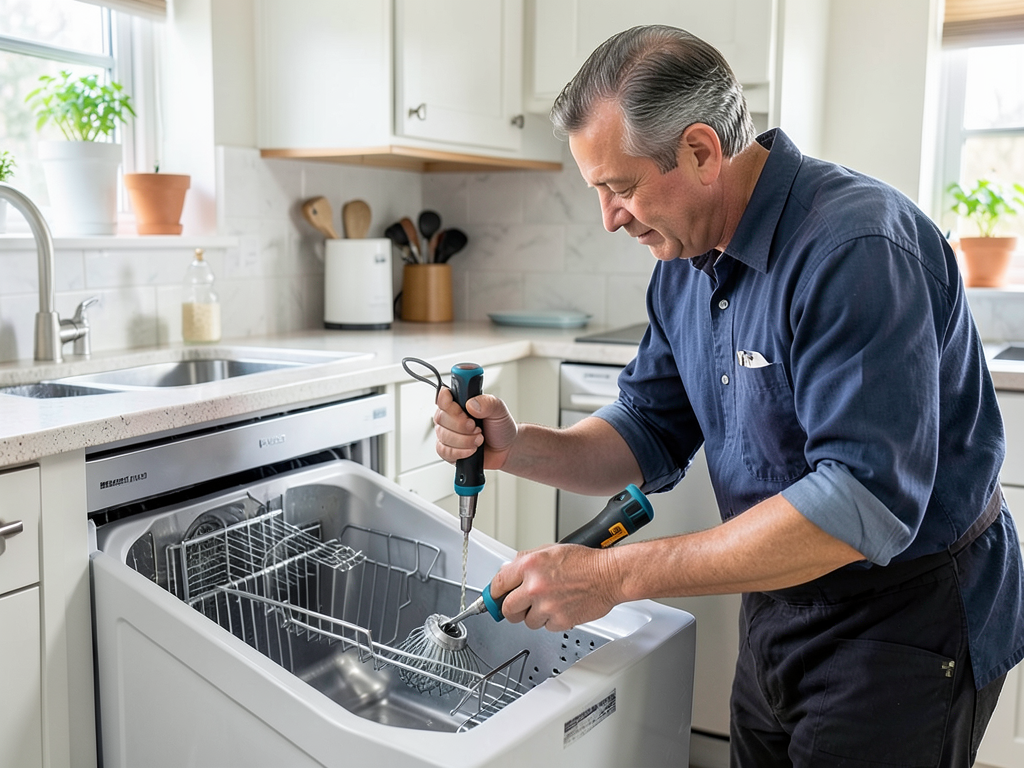
Why Your New Dishwasher Is Not Draining Properly and How to Fix the Air Gap Standing water in your new…

Why Your New Dishwasher Is Not Draining Properly (and How to Fix the Air Gap)

Why Your New Dishwasher Is Not Draining Properly and How to Fix the Air Gap Standing water in your new…

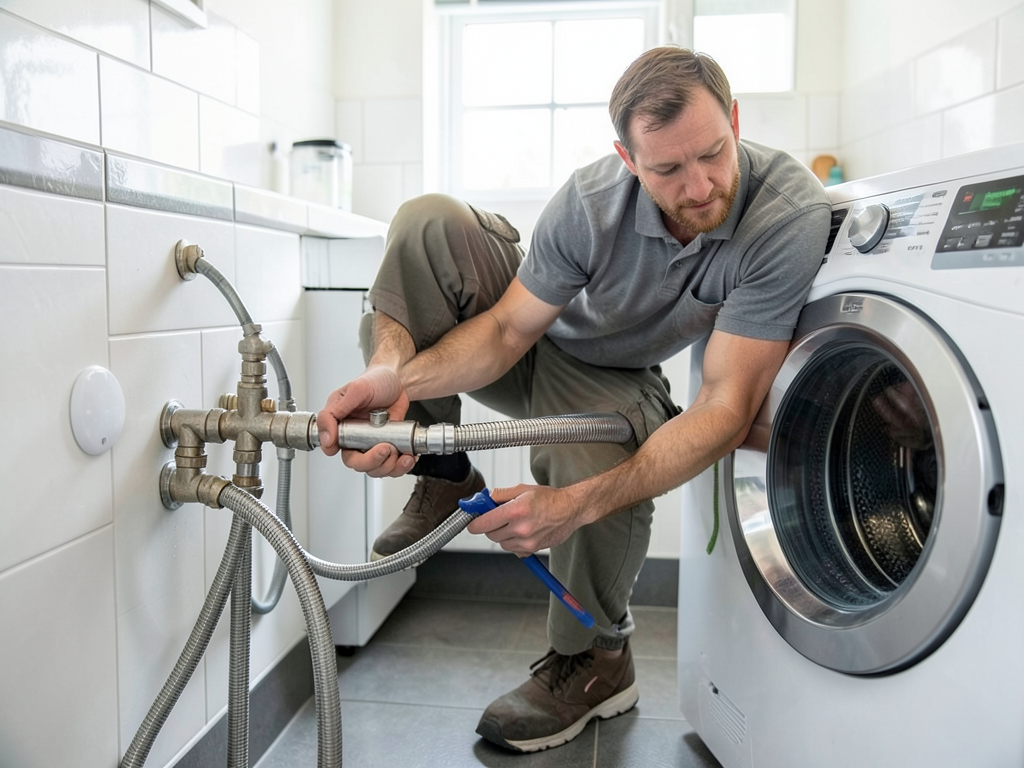
The One Small Part in Your Laundry Room That Could Flood Your Entire Greenwich Home

The One Small Part in Your Laundry Room That Could Flood Your Entire Greenwich Home Old washing machine hoses are…

How to Get Rid of That Rotten Egg Smell Coming from Your Mianus Drains

How to Get Rid of That Rotten Egg Smell Coming from Your Mianus Drains That rotten egg smell coming from…

Contact Us

Call United Plumbing Greenwich at (475) 320-3733 today. We'll diagnose the root cause of your tankless temperature fluctuations and implement a permanent fix. You deserve consistent hot water. Let's make it happen.