
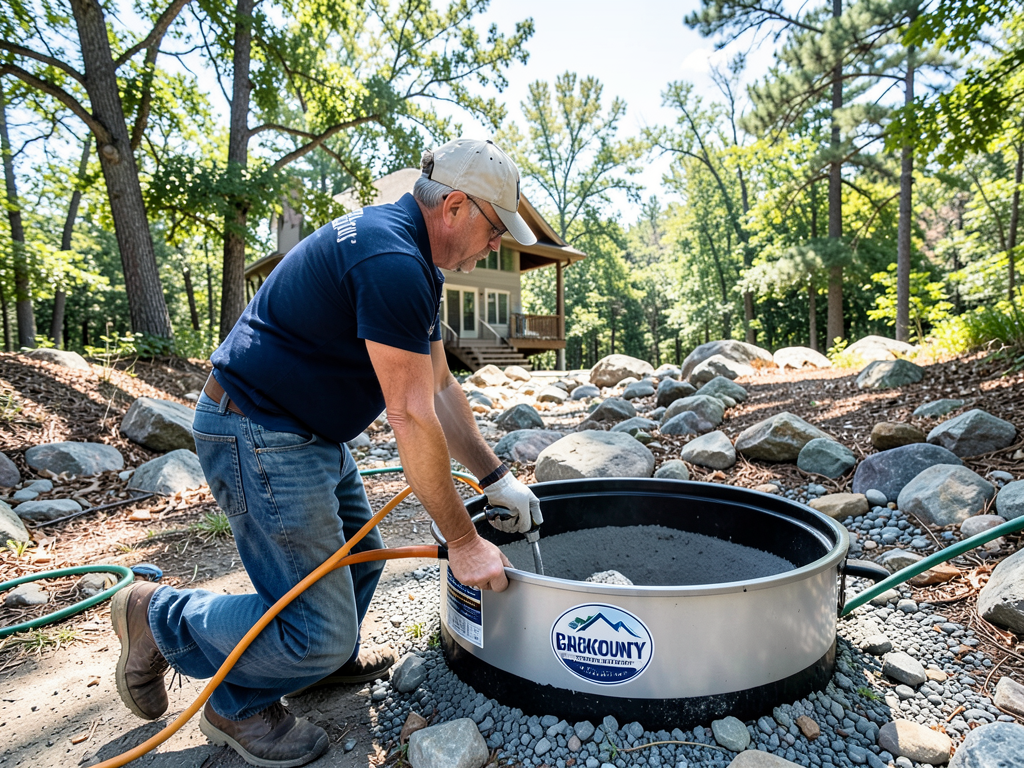
Septic Tank vs Sewer Connection for Homeowners in Backcountry Greenwich
Choosing between a septic system and town sewer connection affects your property’s long-term costs, maintenance needs, and resale value. In Backcountry Greenwich, where septic tanks dominate the landscape, understanding these differences helps you make the right decision for your home and budget. Emergency Sewer Backup Cleanup.
Backcountry Greenwich homes typically sit on larger lots with rocky terrain and high water tables. These conditions create unique challenges for wastewater management that differ from sewered areas like Old Greenwich or Riverside. The choice between septic and sewer impacts everything from your annual maintenance budget to your property’s environmental footprint.. Read more about How to Troubleshoot Low Water Pressure from a Well in North Greenwich.
Septic systems require regular pumping every 3-5 years and careful monitoring of drain field health. Town sewer provides consistent service but includes connection fees and monthly assessments. Property values often favor sewer connections in Greenwich’s competitive real estate market, though well-maintained septic systems can still support strong resale prices. The Most Reliable Drain Cleaning Services in Old Greenwich.
The decision becomes more complex when considering future property development or potential conversions. Converting from septic to sewer involves permits from the Greenwich Department of Public Works and can cost between $10,000 to $30,000 depending on your property’s location and existing infrastructure. EPA Septic Systems Information.
Understanding local regulations, soil conditions, and environmental requirements helps you choose the system that best fits your lifestyle and property needs. Let’s examine the key factors that influence this important decision for Backcountry Greenwich homeowners.. Read more about Why Your Greenwich Business Requires Regular Backflow Prevention Testing.
Backcountry Greenwich Infrastructure Overview
Backcountry Greenwich encompasses areas like Round Hill, Stanwich, and parts of North Street where properties often sit on 2+ acre lots. These neighborhoods developed before extensive sewer infrastructure reached the area, leaving septic systems as the primary wastewater solution.
The region’s rocky soil composition and high clay content create specific challenges for septic drain fields. Water tables in these areas often sit close to the surface, requiring specialized system designs that prevent groundwater contamination.
Sewer service availability varies dramatically even within short distances. Homes along major roads like North Street may have access to town sewer, while properties just one lot back rely on septic systems. This patchwork infrastructure creates a clear divide between sewered and unsewered properties.
The Greenwich Health Department oversees septic system permitting and inspections, ensuring compliance with Connecticut’s septic regulations. Properties within 200 feet of Long Island Sound face additional environmental restrictions due to the Sound’s sensitive ecosystem. Connecticut Department of Energy and Environmental Protection.
Local soil testing reveals that Backcountry’s glacial till contains significant rock fragments and varying clay content. These conditions reduce drain field effectiveness and often require larger system footprints than homes in areas with sandy soil.
Understanding these infrastructure realities helps explain why septic systems remain prevalent in Backcountry despite the availability of town sewer in some areas.
Septic Systems in Greenwich: Maintenance and Regulations
Connecticut state law requires septic tank pumping every 3-5 years to prevent system failure. In Backcountry Greenwich, where soil conditions stress systems more heavily, annual inspections by licensed professionals help identify problems before they cause backups or environmental damage.
The Greenwich Health Department mandates specific setback requirements for septic systems. Tanks must sit at least 10 feet from property lines, while drain fields require 20-foot setbacks from wells and 50-foot setbacks from water bodies like Long Island Sound.
Fairfield County’s high water table creates unique challenges for septic systems. During wet seasons, saturated soil reduces the drain field’s ability to process wastewater effectively. This condition often leads to system overload and potential groundwater contamination. Why We Are the Top Rated Pipe Repair Specialists in Byram.
Common septic system failures in Backcountry include clogged distribution pipes, biomat formation in drain fields, and tank overflows. These issues typically result from neglecting regular pumping schedules or overloading systems with excessive water use.
The average septic system in Fairfield County lasts 20-30 years with proper maintenance. However, systems in Backcountry often require replacement after 15-20 years due to soil conditions and higher water table levels.
Greenwich homeowners report annual septic maintenance costs ranging from $300 to $600 for inspections and $400 to $800 for pumping services. Emergency repairs for failed systems can exceed $5,000, making preventive maintenance crucial for budget planning. Emergency Plumbers in Greenwich Who Actually Answer the Phone at 3 AM.
Modern septic systems incorporate advanced treatment technologies that reduce environmental impact. These systems include aerobic treatment units and sand filters that provide additional wastewater treatment before discharge to drain fields.
Town Sewer Benefits and Connection Costs
Town sewer provides reliable wastewater removal without homeowner maintenance responsibilities. Greenwich’s sewer system connects to the Norwalk Wastewater Treatment Plant, where professional operators manage the entire treatment process.
Sewer connection fees in Greenwich vary based on property location and existing infrastructure. The Greenwich Department of Public Works charges a sewer assessment fee that typically ranges from $8,000 to $15,000 for residential connections.
Monthly sewer usage fees average $60 to $120 for typical Backcountry homes, depending on water consumption. These fees cover treatment costs and system maintenance performed by town utilities staff.
Sewer connections eliminate the risk of septic system failures that can cause property damage and environmental contamination. This reliability particularly benefits homeowners who travel frequently or own vacation properties in Backcountry.
Properties with sewer connections often qualify for lower insurance premiums due to reduced risk of wastewater-related property damage. Insurance companies view sewer systems as lower liability than aging septic systems.
The town sewer system handles peak water usage periods without homeowner concern. Multiple bathrooms, large families, or home businesses can operate simultaneously without worrying about overwhelming a septic system’s capacity.
Sewer infrastructure supports property development that might be restricted by septic system limitations. Homeowners planning additions or increased occupancy often find sewer connections necessary for expansion approval.
Cost Comparison: Installation and Long-term Maintenance
Installing a new septic system in Backcountry Greenwich typically costs $15,000 to $25,000, depending on system size and soil conditions. Complex installations requiring specialized drain field designs can exceed $30,000 due to rocky terrain and high water tables.
Town sewer connection costs include assessment fees, connection piping, and potential road restoration. Total costs range from $12,000 to $25,000, with properties farther from existing sewer mains incurring higher connection expenses.
Annual maintenance costs differ significantly between systems. Septic owners pay $400 to $800 every 3-5 years for pumping plus $300 to $600 annually for inspections and minor repairs. Sewer users pay consistent monthly fees of $60 to $120 without additional maintenance costs.
Long-term cost analysis over 20 years shows septic systems costing $8,000 to $12,000 in maintenance versus $14,400 to $28,800 in sewer fees. However, septic systems may require $15,000 to $25,000 replacement after 20-30 years, while sewer systems typically need no major infrastructure investment.
Property tax implications vary between systems. Some Greenwich towns offer tax incentives for properties maintaining functional septic systems that protect groundwater resources. Sewer-connected properties pay ongoing assessments but avoid large replacement expenses.
Emergency repair costs create significant financial differences. Septic system failures requiring immediate service can cost $3,000 to $8,000 for emergency pumping and repairs. Sewer users rarely face emergency wastewater removal expenses.
Energy costs also differ between systems. Septic systems require no electricity for basic operation, while sewer systems involve pumping stations that consume electricity throughout the collection network.
Converting from Septic to Sewer in Greenwich
Converting from septic to sewer requires permits from the Greenwich Department of Public Works and Health Department. The process typically takes 2-4 months and involves site evaluation, permit applications, and coordination with town utilities.
The conversion process begins with a property assessment to determine sewer main proximity and connection requirements. Properties within 200 feet of existing sewer lines qualify for direct connections, while those farther away may need pump stations or alternative solutions.
Septic abandonment procedures require proper tank decommissioning to prevent future hazards. Greenwich regulations mandate either complete tank removal or filling with sand or concrete to eliminate collapse risks.
Connection work involves excavating from the property to the sewer main, typically requiring 4-6 feet of trench depth in Backcountry areas. Rocky soil conditions can increase excavation time and costs by 25-50% compared to areas with sandy soil.
Greenwich homeowners must coordinate with multiple agencies during conversion. The DPW handles sewer permits, the Health Department oversees septic abandonment, and building inspectors verify all work meets local codes.
Post-conversion inspections ensure proper system integration and compliance with environmental regulations. These inspections verify that no wastewater bypasses the new sewer connection and that all septic components meet abandonment standards.
Property owners often discover unexpected challenges during conversion, including underground utilities, large rock formations, or drainage issues that require additional engineering solutions.
Impact on Greenwich Property Values
Sewer connections typically increase Backcountry Greenwich property values by 3-7% compared to similar homes with septic systems. This premium reflects buyer preferences for reliable infrastructure and reduced maintenance responsibilities.
Real estate listings in Backcountry show homes with sewer connections selling 10-15% faster than comparable septic properties. Buyers perceive sewer systems as lower risk, particularly for investment properties or homes intended for rental income.
Appraisal reports often note septic system age and condition as significant value factors. Well-maintained systems less than 10 years old have minimal negative impact, while older systems approaching replacement age can reduce property values by $10,000 to $20,000.
Environmental considerations affect property values differently across Backcountry neighborhoods. Properties near Long Island Sound with advanced septic systems designed for nitrogen reduction may command premiums due to environmental benefits.
Future development potential influences system preferences. Properties with sewer connections support larger home expansions, additional structures, or increased occupancy without septic capacity concerns.
Insurance considerations impact property values through coverage availability and premium costs. Homes with aging septic systems may face higher insurance rates or coverage limitations for wastewater-related damage.
Market trends show increasing buyer preference for sewer connections in Backcountry, particularly among younger buyers unfamiliar with septic system maintenance requirements.
Environmental Impact and Water Quality
Septic systems in Backcountry Greenwich directly impact Long Island Sound water quality through groundwater discharge. Nitrogen from failing systems contributes to algae blooms and marine habitat degradation in the Sound’s sensitive ecosystem.
Connecticut’s 2025 Clean Water Act mandates stricter nitrogen reduction requirements for septic systems near coastal areas. Properties within 1,000 feet of Long Island Sound must install advanced treatment systems that reduce nitrogen discharge by 50% or more.
Soil composition in Backcountry affects environmental impact significantly. Clay soils provide better filtration than sandy soils but process wastewater more slowly, potentially causing surface ponding during wet seasons.
Professional septic inspections include water quality testing to detect contamination of nearby wells or surface water. Greenwich Health Department requires immediate system repair or replacement when tests show bacterial or nutrient contamination.
Sewer systems provide centralized wastewater treatment that removes contaminants more effectively than individual septic systems. The Norwalk treatment plant processes over 20 million gallons daily, removing 95% of pollutants before discharge.
Climate change impacts both systems differently. Increased rainfall intensity overwhelms septic drain fields more frequently, while sewer systems face greater inflow and infiltration challenges during storms.
Greenwich’s watershed management plans prioritize reducing septic system density in environmentally sensitive areas. These plans may eventually require conversions from septic to sewer in specific Backcountry zones.
Making the Right Choice for Your Property
Property size significantly influences system feasibility. Backcountry lots under 2 acres often cannot accommodate adequate drain field space for modern septic systems, making sewer connections necessary regardless of cost considerations.
Future property plans should guide system selection. Homeowners planning major additions, pool installations, or increased occupancy need to verify whether their current septic system can handle expanded wastewater loads.
Budget constraints affect immediate decisions. While sewer connections provide long-term reliability, the upfront costs may exceed available resources. Septic systems offer lower initial investment but require ongoing maintenance planning.
Environmental priorities vary among homeowners. Those prioritizing groundwater protection and Sound water quality may prefer sewer connections despite higher costs, while others accept septic system responsibilities for property autonomy.
Property age and existing infrastructure influence system viability. Historic Backcountry homes may have outdated septic systems that require complete replacement rather than simple repairs, making conversion timing more urgent.
Local real estate market conditions affect system value. In strong seller’s markets, septic system limitations may have minimal impact on property values, while buyer’s markets amplify infrastructure preferences.
Professional assessment provides objective guidance. Licensed septic inspectors and town sewer authorities can evaluate your specific property conditions and recommend optimal solutions based on local regulations and soil testing results.
Frequently Asked Questions
How often should I pump my septic tank in Backcountry Greenwich?
Connecticut state law requires pumping every 3-5 years, but Backcountry’s high water tables and rocky soil often necessitate more frequent service every 2-3 years to prevent system overload and groundwater contamination.
What are the sewer connection fees in Greenwich?
Greenwich Department of Public Works charges assessment fees ranging from $8,000 to $15,000 for residential sewer connections, plus additional costs for connection piping and potential road restoration work.
Can I convert my septic system to town sewer myself?
No. Connecticut law requires licensed professionals to handle septic abandonment and sewer connections. The process involves permits from multiple agencies and must meet strict health department and building code requirements.
How do septic systems affect property values in Backcountry?
Septic systems typically reduce property values by 3-7% compared to similar homes with sewer connections. Well-maintained systems under 10 years old have minimal impact, while older systems approaching replacement age can reduce values by $10,000 to $20,000.
What environmental regulations affect septic systems near Long Island Sound?
Properties within 1,000 feet of Long Island Sound must install advanced treatment systems that reduce nitrogen discharge by 50% or more under Connecticut’s 2025 Clean Water Act mandates to protect the Sound’s ecosystem.
How long do septic systems typically last in Fairfield County?
Average septic system lifespan in Fairfield County ranges from 20-30 years with proper maintenance. However, Backcountry systems often require replacement after 15-20 years due to challenging soil conditions and higher water tables.
What happens during septic system failure?
Septic failures cause wastewater backups into homes, surface ponding in yards, and potential groundwater contamination. Emergency repairs can cost $3,000 to $8,000, and prolonged failures may require complete system replacement at $15,000 to $25,000.
Are there tax incentives for septic system maintenance?
Some Connecticut towns offer tax incentives for properties maintaining functional septic systems that protect groundwater resources. Check with the Greenwich tax assessor’s office about available programs for environmentally responsible wastewater management.
How do I know if my property can connect to town sewer?
Contact the Greenwich Department of Public Works to determine sewer main proximity. Properties within 200 feet of existing sewer lines typically qualify for direct connections, while those farther away may need pump stations or alternative solutions.
What maintenance costs should I budget for septic systems?
Budget $400 to $800 every 3-5 years for pumping plus $300 to $600 annually for inspections and minor repairs. Emergency repairs for failed systems can exceed $5,000, making preventive maintenance crucial for budget planning.
Next Steps for Backcountry Homeowners
Understanding your property’s wastewater infrastructure represents the first step toward making informed decisions about maintenance, upgrades, or conversions. Whether you currently use septic or have access to town sewer, regular professional assessment ensures system reliability and protects your property investment.
Backcountry Greenwich’s unique soil conditions and environmental requirements make professional expertise essential for proper system management. Licensed plumbers familiar with local regulations can identify potential issues before they become costly emergencies. Expert Boiler Repair for Historic Greenwich Homes.
Property owners considering system changes should start with comprehensive site evaluations that include soil testing, system age assessment, and future use projections. These evaluations provide the data needed for cost-effective decision-making.
Environmental compliance becomes increasingly important as regulations evolve. Staying current with Connecticut’s wastewater management requirements protects both your property and the surrounding ecosystem.
Professional maintenance contracts provide peace of mind through scheduled inspections and priority service for emergencies. These contracts often include cost savings compared to individual service calls.
Don’t wait for system failures to prompt action. Proactive assessment and maintenance prevent the property damage, environmental contamination, and financial stress associated with emergency repairs.
Call (475) 320-3733 today to schedule your professional wastewater system assessment. Our licensed technicians understand Backcountry Greenwich’s unique challenges and can recommend solutions that protect your property, comply with regulations, and fit your budget.
Pick up the phone and call (475) 320-3733 before the next storm hits. Our 24/7 emergency service ensures you never face wastewater problems alone, whether you need immediate repairs or want to plan for system upgrades that increase your property’s value and reliability.
You may also find this helpful. Choosing a Garbage Disposal That Can Handle Your Home Cooking Needs.
{
“@context”: “https://schema.org”,
“@type”: “BlogPosting”,
“headline”: “Septic Tank vs Sewer Connection for Homeowners in Backcountry Greenwich”,
“description”: “Compare septic systems and town sewer in Backcountry Greenwich. Learn local costs, regulations, and property value impacts from licensed CT plumbers.”,
“wordCount”: 2763,
“datePublished”: “2026-03-09T08:30:00.000Z”,
“dateModified”: “2026-03-09T08:30:00.000Z”,
“inLanguage”: “en-US”,
“mainEntityOfPage”: {
“@type”: “WebPage”,
“@id”: “https://unitedplumbinggreenwich.com”
},
“publisher”: {
“@type”: “LocalBusiness”,
“name”: “United Plumbing Greenwich”,
“url”: “https://unitedplumbinggreenwich.com”
},
“author”: {
“@type”: “Organization”,
“name”: “United Plumbing Greenwich”,
“url”: “https://unitedplumbinggreenwich.com”
},
“image”: {
“@type”: “ImageObject”,
“url”: “https://unitedplumbinggreenwich.com/wp-content/uploads/2026/03/septic-tank-vs-sewer-connection-for-homeowners-in-1.png”
}
}
{
“@context”: “https://schema.org”,
“@type”: “Plumber”,
“name”: “United Plumbing Greenwich”,
“url”: “https://unitedplumbinggreenwich.com”,
“address”: {
“@type”: “PostalAddress”,
“addressLocality”: “Greenwich”
},
“areaServed”: {
“@type”: “City”,
“name”: “Greenwich”
}
}
{
“@context”: “https://schema.org”,
“@type”: “FAQPage”,
“mainEntity”: [
{
“@type”: “Question”,
“name”: “How often should I pump my septic tank in Backcountry Greenwich?”,
“acceptedAnswer”: {
“@type”: “Answer”,
“text”: “Connecticut state law requires pumping every 3-5 years, but Backcountry’s high water tables and rocky soil often necessitate more frequent service every 2-3 years to prevent system overload and groundwater contamination.”
}
},
{
“@type”: “Question”,
“name”: “What are the sewer connection fees in Greenwich?”,
“acceptedAnswer”: {
“@type”: “Answer”,
“text”: “Greenwich Department of Public Works charges assessment fees ranging from $8,000 to $15,000 for residential sewer connections, plus additional costs for connection piping and potential road restoration work.”
}
},
{
“@type”: “Question”,
“name”: “Can I convert my septic system to town sewer myself?”,
“acceptedAnswer”: {
“@type”: “Answer”,
“text”: “No. Connecticut law requires licensed professionals to handle septic abandonment and sewer connections. The process involves permits from multiple agencies and must meet strict health department and building code requirements.”
}
},
{
“@type”: “Question”,
“name”: “How do septic systems affect property values in Backcountry?”,
“acceptedAnswer”: {
“@type”: “Answer”,
“text”: “Septic systems typically reduce property values by 3-7% compared to similar homes with sewer connections. Well-maintained systems under 10 years old have minimal impact, while older systems approaching replacement age can reduce values by $10,000 to $20,000.”
}
},
{
“@type”: “Question”,
“name”: “What environmental regulations affect septic systems near Long Island Sound?”,
“acceptedAnswer”: {
“@type”: “Answer”,
“text”: “Properties within 1,000 feet of Long Island Sound must install advanced treatment systems that reduce nitrogen discharge by 50% or more under Connecticut’s 2025 Clean Water Act mandates to protect the Sound’s ecosystem.”
}
},
{
“@type”: “Question”,
“name”: “How long do septic systems typically last in Fairfield County?”,
“acceptedAnswer”: {
“@type”: “Answer”,
“text”: “Average septic system lifespan in Fairfield County ranges from 20-30 years with proper maintenance. However, Backcountry systems often require replacement after 15-20 years due to challenging soil conditions and higher water tables.”
}
},
{
“@type”: “Question”,
“name”: “What happens during septic system failure?”,
“acceptedAnswer”: {
“@type”: “Answer”,
“text”: “Septic failures cause wastewater backups into homes, surface ponding in yards, and potential groundwater contamination. Emergency repairs can cost $3,000 to $8,000, and prolonged failures may require complete system replacement at $15,000 to $25,000.”
}
},
{
“@type”: “Question”,
“name”: “Are there tax incentives for septic system maintenance?”,
“acceptedAnswer”: {
“@type”: “Answer”,
“text”: “Some Connecticut towns offer tax incentives for properties maintaining functional septic systems that protect groundwater resources. Check with the Greenwich tax assessor’s office about available programs for environmentally responsible wastewater management.”
}
},
{
“@type”: “Question”,
“name”: “How do I know if my property can connect to town sewer?”,
“acceptedAnswer”: {
“@type”: “Answer”,
“text”: “Contact the Greenwich Department of Public Works to determine sewer main proximity. Properties within 200 feet of existing sewer lines typically qualify for direct connections, while those farther away may need pump stations or alternative solutions.”
}
},
{
“@type”: “Question”,
“name”: “What maintenance costs should I budget for septic systems?”,
“acceptedAnswer”: {
“@type”: “Answer”,
“text”: “Budget $400 to $800 every 3-5 years for pumping plus $300 to $600 annually for inspections and minor repairs. Emergency repairs for failed systems can exceed $5,000, making preventive maintenance crucial for budget planning.”
}
}
]
}
{
“@context”: “https://schema.org”,
“@type”: “BreadcrumbList”,
“itemListElement”: [
{
“@type”: “ListItem”,
“position”: 1,
“name”: “Home”,
“item”: “https://unitedplumbinggreenwich.com”
},
{
“@type”: “ListItem”,
“position”: 2,
“name”: “Blog”,
“item”: “https://unitedplumbinggreenwich.com/blog”
},
{
“@type”: “ListItem”,
“position”: 3,
“name”: “Septic Tank vs Sewer Connection for Homeowners in Backcountry Greenwich”
}
]
}
{
“@context”: “https://schema.org”,
“@type”: “Service”,
“serviceType”: “Plumbing”,
“provider”: {
“@type”: “LocalBusiness”,
“name”: “United Plumbing Greenwich”,
“url”: “https://unitedplumbinggreenwich.com”
},
“areaServed”: {
“@type”: “City”,
“name”: “Greenwich”
},
“description”: “Compare septic systems and town sewer in Backcountry Greenwich. Learn local costs, regulations, and property value impacts from licensed CT plumbers.”
}