
Why a Standard Sump Pump Is Not Enough During a Greenwich Power Outage
Greenwich homeowners face a critical vulnerability during coastal storms. When the power goes out, your standard sump pump stops working exactly when you need it most. The combination of heavy rainfall from Nor’easters and the high water table in coastal Fairfield County creates a perfect storm for basement flooding. A battery backup system isn’t just an upgrade—it’s essential protection for your home’s foundation and your family’s belongings.. Read more about Protecting Your Old Greenwich Home from Coastal Sewage Backups.
During a power outage, water continues to rise in your sump pit. Without electricity, your primary pump becomes a useless piece of equipment while stormwater pours in from saturated ground. This is when Greenwich basements flood, causing thousands of dollars in damage to finished spaces, stored items, and mechanical systems. The cost of prevention through a battery backup system is minimal compared to the expense of water damage restoration. Why We Are the Top Rated Pipe Repair Specialists in Byram.
Greenwich’s unique geography makes this protection even more critical. The town sits along Long Island Sound where coastal flooding meets inland drainage challenges. When storms hit, the Aquarion Water Company’s infrastructure can become overwhelmed, and private septic systems in areas like Back Country Greenwich may back up. A battery backup pump provides continuous protection regardless of what happens to the power grid or municipal systems. The Most Reliable Drain Cleaning Services in Old Greenwich.
The technology has evolved significantly. Modern battery backup systems use AGM (Absorbent Glass Mat) batteries that last longer and require less maintenance than traditional lead-acid batteries. Smart monitoring systems now alert you via smartphone when the backup activates or when battery levels drop. Some systems even integrate with home automation platforms, giving you real-time control over your basement’s water management.
Installation requires professional expertise. The backup pump must be properly sized for your basement’s square footage and local rainfall patterns. Incorrect installation can lead to failure when you need protection most. A licensed plumber understands the specific challenges of Greenwich homes, from historic properties in Old Greenwich to modern constructions in Riverside. Expert Boiler Repair for Historic Greenwich Homes.
Don’t wait for the next storm to discover your vulnerability. A battery backup system provides peace of mind and protects your investment. Call (475) 320-3733 today to schedule your inspection and protect your home before the next power outage hits.
How Coastal Storms Create Basement Flooding Risks in Greenwich
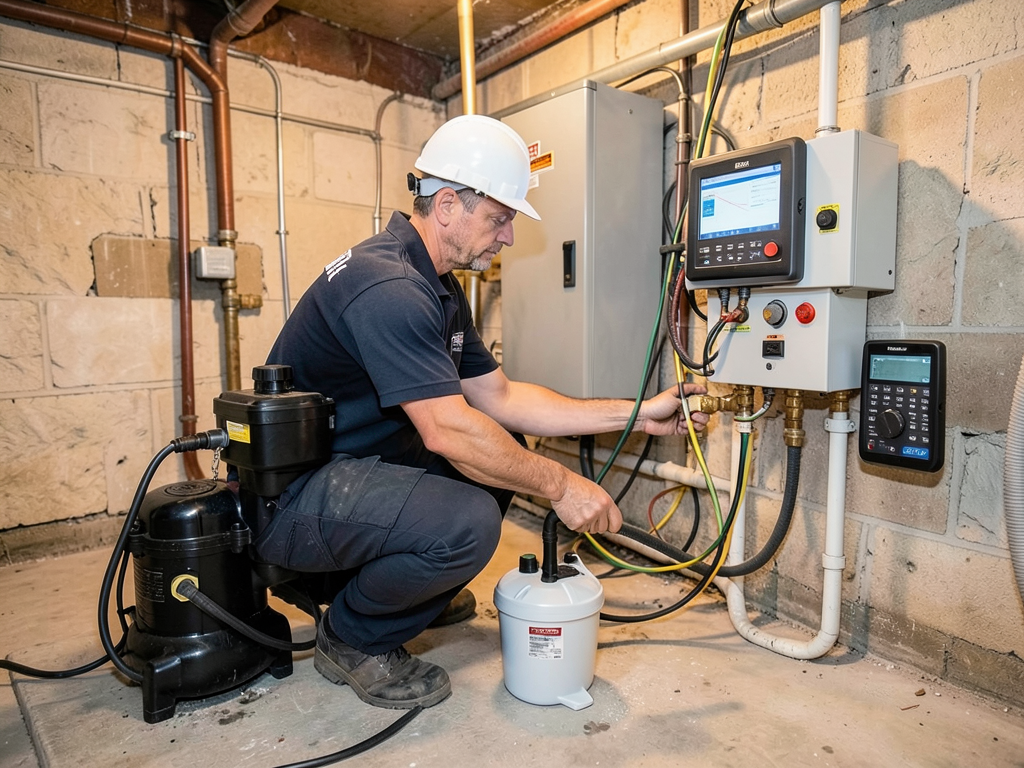
Greenwich experiences some of the most severe coastal weather patterns in Connecticut. Nor’easters bring sustained winds and heavy rainfall that can last for days. When these storms coincide with high tides from Long Island Sound, the water table rises dramatically. Homes in low-lying areas like Byram and parts of Old Greenwich feel these effects first, but the impact can extend across the entire town. Connecticut DEEP regulations.
The soil composition in Fairfield County compounds the problem. Much of Greenwich sits on a mix of sandy loam and clay that drains poorly when saturated. Water moves laterally through the ground, finding its way into basement walls and floor joints. A standard sump pump handles normal groundwater but struggles when the volume increases exponentially during storms.
Power outages during these events are common and often prolonged. Utility companies may take hours or days to restore service after major storms. During this time, water continues to accumulate. The hydrostatic pressure against your foundation increases, potentially causing structural damage beyond just flooding. Cracks can form, allowing even more water intrusion and creating long-term foundation problems.
Historic homes in areas like the Bruce Park neighborhood face additional challenges. Many were built before modern building codes addressed water management. Their foundations may have hairline cracks or porous mortar joints that allow water seepage even under normal conditions. When combined with power loss during a storm, these vulnerabilities become catastrophic.
The Connecticut State Building Code requires proper drainage for all new construction, but many existing homes need upgrades to meet current standards. A battery backup system brings older properties up to modern protection levels. It’s not just about preventing water damage—it’s about maintaining your home’s structural integrity and protecting your family’s health from mold growth that follows flooding.
Comparing Battery Backup Systems: What Actually Works in Greenwich
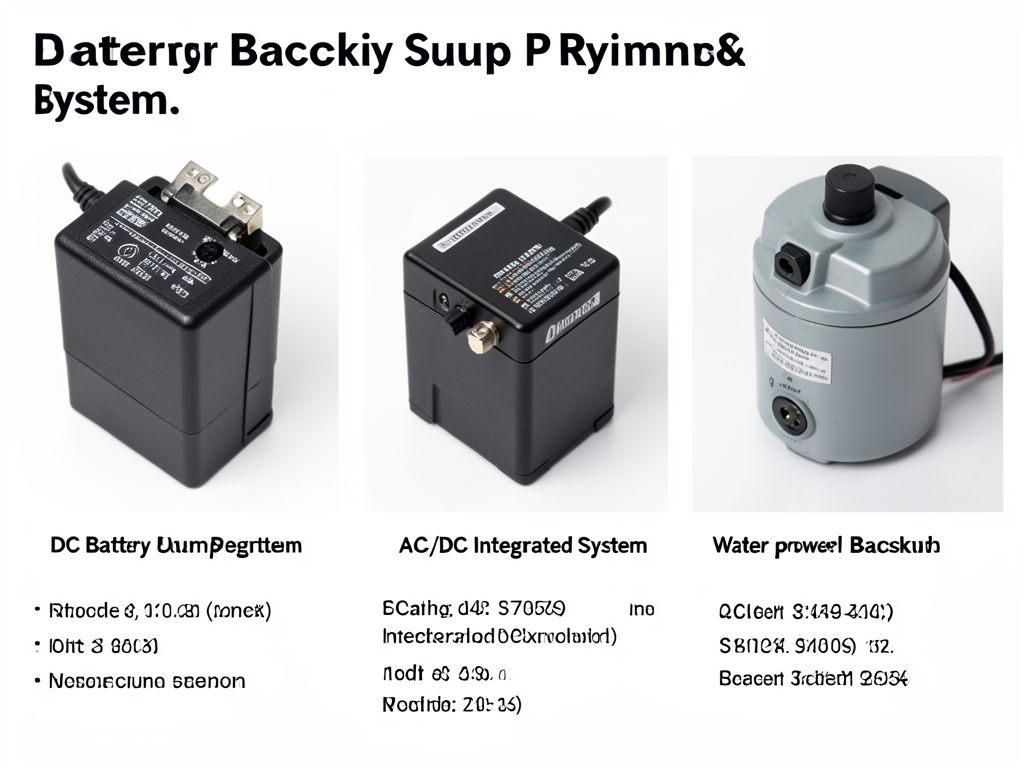
| System Type | Power Source | Runtime (hours) | Best For |
|---|---|---|---|
| DC Battery Backup | 12V AGM Battery | 24-72 | Standard residential |
| AC/DC Integrated | 120V with Battery | Continuous | Luxury homes |
| Water-Powered | City Water Pressure | Unlimited* | Areas with reliable water |
DC battery backup systems represent the most common solution for Greenwich homes. These units activate automatically when the primary pump loses power. A typical system uses a 12-volt AGM battery that provides 24 to 72 hours of continuous operation depending on pumping frequency. The sealed design prevents acid spills and requires minimal maintenance—just annual battery testing.
AC/DC integrated systems offer superior protection for high-value properties. These units run on household current during normal operation but instantly switch to battery power during outages. The seamless transition means your basement never loses protection. Many include WiFi monitoring that sends alerts to your smartphone when the system activates or when maintenance is needed.
Water-powered backup systems work differently. They use municipal water pressure to create suction that removes water from the sump pit. While they can run indefinitely as long as water pressure remains, they’re not suitable for all Greenwich homes. Properties with private wells or those in areas with frequent water main breaks may find this option unreliable.
AGM battery technology has revolutionized backup systems. Unlike traditional flooded lead-acid batteries, AGM units are sealed and maintenance-free. They perform better in temperature extremes, which matters in Connecticut’s climate where basements can get cold in winter. The typical AGM battery lasts 3-5 years and costs less than emergency water damage repairs. Emergency Plumbers in Greenwich Who Actually Answer the Phone at 3 AM.
Smart monitoring capabilities now standard in quality systems provide real-time data. You’ll know if your primary pump fails, if the backup activates, or if battery voltage drops. Some systems integrate with whole-home generators, automatically signaling when grid power returns. This level of control was unavailable just a few years ago but is now essential for comprehensive protection.
Professional Installation vs. DIY: Why Greenwich Homes Need Expert Setup
Professional installation makes the difference between a system that works when needed and one that fails during your first major storm. The Town of Greenwich Building Department requires permits for secondary pump installations, and work must comply with Connecticut State Plumbing Code Section 312.4. A licensed plumber understands these requirements and ensures your installation passes inspection. Plumbing Stamford.
Proper sizing is critical and depends on multiple factors. A technician must calculate your basement’s square footage, the height water must be lifted, and typical rainfall rates during Greenwich storms. Undersized systems fail under load, while oversized units waste money and may cycle too frequently, reducing battery life. Professional assessment eliminates this guesswork.
Check valve installation requires specific expertise. The wrong type or improper installation causes backflow, reducing efficiency and potentially damaging both pumps. A professional ensures the check valve matches your system’s flow rate and is installed at the correct orientation. This single component, if installed incorrectly, can render an entire backup system ineffective.
Electrical considerations matter more than many homeowners realize. Battery backup systems need dedicated circuits to prevent interference with other household loads. The charging system must be properly sized to maintain battery charge without overloading your home’s electrical panel. These details require knowledge of the National Electrical Code and local amendments. National Association of Certified Home Inspectors.
Integration with existing plumbing presents challenges in older Greenwich homes. Cast iron drain lines common in historic properties may have internal corrosion that restricts flow. A professional plumber can identify these issues before installation and recommend solutions. They also understand how to connect to various pipe materials without causing leaks or reducing system efficiency.
Warranty protection depends on professional installation. Most manufacturers void warranties if systems aren’t installed by licensed contractors. Beyond the financial protection, professional installation includes testing and calibration that ensures optimal performance. The technician will demonstrate system operation and provide maintenance schedules specific to your installation.
Seasonal Maintenance for Greenwich Homeowners: Storm Preparation Checklist
Greenwich’s seasonal weather patterns create specific maintenance needs throughout the year. Hurricane season runs from June through November, making late spring the ideal time for comprehensive system checks. Winter brings freeze-thaw cycles that can affect basement moisture levels, while spring thaw often coincides with heavy rainfall. A year-round maintenance schedule protects your investment.
Spring maintenance should include battery testing and replacement if needed. AGM batteries typically last 3-5 years but degrade faster with frequent use. A simple voltage test indicates remaining capacity. Most systems have indicator lights, but professional testing with a multimeter provides accurate data. Replace batteries showing less than 80% of original capacity before storm season.
Summer checks focus on the primary pump since it handles most of the workload during frequent thunderstorms. Remove the pump and clean the intake screen. Check the float switch for smooth operation by manually lifting it. Listen for unusual noises that might indicate bearing wear. These simple tests can identify problems before they cause failures.
Fall preparation involves clearing debris from discharge pipes and checking for animal nests that might block flow. Greenwich’s wooded areas mean leaves and small animals can create blockages. Ensure the discharge point directs water away from your foundation—at least 10 feet is recommended by building codes. Poor drainage defeats even the best pumping system.
Winter requires special attention to prevent freezing. Insulate exposed pipes and consider heat tape for vulnerable sections. Check that your discharge pipe has a proper air gap to prevent backflow and freezing. Some systems include freeze protection that periodically activates the pump even when the pit is dry to keep water moving.
Annual professional inspection catches issues homeowners might miss. A technician will test alarm functions, verify battery charging systems work correctly, and check for corrosion on terminals. They’ll also verify that your system complies with any updated building codes. This inspection, typically under $150, provides insurance against system failure when you need protection most.
Cost Considerations and ROI for Greenwich Property Owners
The investment in battery backup protection varies based on system complexity and home size. A basic DC battery system for an average Greenwich basement typically costs between $1,200 and $2,500 installed. Premium AC/DC integrated systems with smart monitoring range from $2,500 to $4,500. Water-powered systems, where applicable, cost $1,500 to $3,000 but have no battery replacement costs.
Installation costs in Fairfield County reflect the area’s higher labor rates and permit requirements. A typical installation takes 4-8 hours for a straightforward replacement or 1-2 days for complex setups in finished basements. The Town of Greenwich charges permit fees around $150-300 depending on project scope. These costs are minimal compared to potential water damage expenses.
Insurance considerations affect the financial equation. Many homeowner policies exclude flood damage or have high deductibles for water-related claims. Some insurers offer premium discounts for homes with backup systems, though this varies by carrier. Document your installation with photos and keep receipts—this documentation helps with claims if you ever need to file one.
The return on investment calculation extends beyond simple cost comparison. A flooded basement can cause $5,000 to $20,000 in damage to flooring, walls, and personal property. Add the cost of temporary housing if flooding is severe, and the total expense becomes substantial. The backup system pays for itself by preventing even one major flooding event.
Property value impact provides another ROI factor. Homes with modern flood protection systems appeal to buyers concerned about climate change and increasing storm frequency. While you may not recoup the full installation cost, the system makes your property more marketable. In Greenwich’s competitive real estate market, this advantage matters.
Maintenance costs over the system’s life affect total investment. AGM battery replacement every 3-5 years costs $150-300. Annual professional inspections run $100-200. These expenses are predictable and far less than emergency plumbing calls during storms or water damage restoration. The predictable cost structure makes budgeting easier than facing unexpected disaster expenses.
Smart Technology Integration for Modern Greenwich Homes
Today’s battery backup systems offer capabilities that would have seemed futuristic a decade ago. WiFi-enabled controllers now standard in premium systems send real-time alerts to your smartphone. You’ll receive notifications when the backup activates, when battery levels drop, or when system performance changes. This connectivity provides peace of mind whether you’re home or away.
Integration with smart home platforms expands functionality. Systems compatible with Amazon Alexa, Google Home, or Apple HomeKit allow voice control and status checks. You can ask your smart speaker about pump status or receive alerts through your existing smart home notification system. This integration appeals to tech-savvy Greenwich homeowners who value connectivity.
Data logging capabilities help identify patterns and predict maintenance needs. Systems track activation frequency, run times, and power quality. This information helps technicians diagnose issues before failures occur. Some systems use this data to optimize charging cycles, extending battery life and improving reliability. The analytics transform a simple backup into a smart water management system.
Remote monitoring services provide professional oversight. Companies offer monthly subscriptions that include 24/7 system monitoring, automatic alerts to service technicians, and priority response during storms. For second homeowners or frequent travelers, this service ensures someone always watches over your property. The subscription cost, typically $10-20 monthly, is minimal compared to potential damage.
Generator integration creates comprehensive power failure protection. High-end systems communicate with whole-home generators, automatically starting them when backup battery levels drop below predetermined thresholds. This coordination ensures continuous protection even during extended outages. The system can also signal when grid power returns, allowing the generator to shut down automatically.
Future developments promise even more capabilities. Machine learning algorithms will predict failures based on performance trends. Integration with weather services will provide advance warnings for severe storms. Some manufacturers are developing systems that communicate with municipal flood warning systems, providing community-level flood intelligence. These advances continue to improve home protection technology.
Local Building Codes and Permit Requirements in Greenwich
Greenwich’s building regulations reflect Connecticut’s strict approach to flood protection and property safety. The Town of Greenwich Building Department requires permits for all secondary pump installations under Section 312 of the Connecticut State Plumbing Code. This requirement ensures installations meet safety standards and are inspected for proper function before being put into service.
Permit applications require detailed plans showing pump locations, discharge routing, and electrical connections. The building department reviews these for compliance with local amendments to state codes. Greenwich has specific requirements for discharge pipe sizing and routing that differ from neighboring towns. Working with a local contractor familiar with these nuances prevents costly revisions.
Electrical codes add another layer of compliance. The National Electrical Code Article 682 covers submersible pump installations, requiring specific grounding methods and GFCI protection. Greenwich inspectors enforce these requirements strictly. Improper electrical work not only creates safety hazards but can result in failed inspections and costly rework.
Environmental regulations affect discharge locations. Connecticut DEEP (Department of Energy and Environmental Protection) regulations prohibit certain discharge methods that could impact local waterways. In Greenwich, this means careful consideration of where backup system water is released. Discharging into storm sewers requires verification that the system can handle the additional flow during heavy rainfall.
HOA and historic district restrictions may apply in certain Greenwich neighborhoods. Areas like the Strickland Historic District have additional review requirements for exterior modifications. While most backup systems are interior installations, discharge pipe routing might require approval. Understanding these requirements before starting work prevents delays and potential fines.
Post-installation inspections verify compliance. Greenwich inspectors check that all work meets code requirements and that systems function correctly. They verify proper permitting, inspect electrical connections, and ensure discharge complies with local regulations. Passing inspection provides documentation that your installation meets all safety and environmental standards.
Frequently Asked Questions
How long will a battery backup pump run during a power outage?
Runtime depends on battery capacity and pumping frequency. A typical 40-75Ah AGM battery provides 24-72 hours of continuous operation. During heavy storms, the pump may cycle every few minutes, reducing total runtime. Smart systems with power-saving modes can extend operation to 3-5 days under moderate use.
Can I install a battery backup system myself?
While DIY installation is possible, professional installation is strongly recommended for Greenwich homes. Local building codes require permits, and improper installation can void warranties or create safety hazards. Professional installation ensures compliance with Connecticut State Plumbing Code and includes testing that verifies proper function.
What size battery backup do I need for my basement?
System sizing depends on basement square footage, typical rainfall rates, and the height water must be lifted. A professional assessment calculates required gallons per hour (GPH) capacity. Most Greenwich homes need systems rated 2,000-3,000 GPH at 10-foot lift to handle local storm conditions.
How often should I replace the battery in my backup system?
AGM batteries typically last 3-5 years but should be tested annually. Replace batteries showing less than 80% of original capacity or those over 5 years old regardless of test results. Smart systems provide low-voltage alerts when replacement is needed, but annual professional testing is recommended.
Will a battery backup work with my existing sump pump?
Yes, most battery backup systems are designed as secondary pumps that work alongside your primary unit. They activate automatically when power fails or when water volume exceeds your primary pump’s capacity. The two-pump configuration provides redundant protection against both power outages and primary pump failure.
Are battery backup systems loud when they operate?
Backup pumps typically operate at 50-60 decibels, similar to a normal conversation. They’re usually located in basements where noise is less noticeable. Some systems include sound-dampening features. The temporary noise during operation is minor compared to the protection they provide.
Do I need a permit to install a battery backup sump pump in Greenwich?
Yes, the Town of Greenwich Building Department requires permits for all secondary pump installations. This ensures compliance with Connecticut State Plumbing Code and local amendments. Professional installers typically handle permitting as part of the installation process.
How much does a battery backup sump pump system cost in Greenwich?
Basic DC battery systems cost $1,200-$2,500 installed. Premium AC/DC integrated systems with smart monitoring range from $2,500-$4,500. Water-powered systems cost $1,500-$3,000. Installation costs reflect Fairfield County’s higher labor rates and permit requirements.
What happens if the battery backup also fails during a major storm?
Quality systems include multiple failure protections. Most have alarm systems that alert you to problems before flooding occurs. Some include dual-battery configurations for extended runtime. Professional installation includes testing that identifies potential failure points before they cause problems.
Can I connect my battery backup to a generator for extended protection?
Yes, many modern systems integrate with whole-home generators. They can signal the generator to start when battery levels drop below predetermined thresholds, then shut down when grid power returns. This integration provides continuous protection during extended outages common in Greenwich’s coastal storms.
Take Action Before the Next Storm Hits
Greenwich’s coastal location makes power outages and basement flooding a seasonal certainty rather than a possibility. A standard sump pump provides no protection when the electricity fails, exactly when you need it most. Battery backup systems have become essential home protection equipment, not luxury upgrades.
The technology has matured to provide reliable, smart protection that integrates with modern homes. From basic DC systems to premium AC/DC units with WiFi monitoring, there’s an option for every property and budget. Professional installation ensures compliance with local codes and optimal performance when storms strike.
Don’t discover your vulnerability during the next Nor’easter. The cost of prevention is minimal compared to water damage restoration, which can easily exceed $10,000 for a finished basement. Your home’s foundation, your family’s belongings, and your peace of mind all depend on having reliable backup protection.
Call (475) 320-3733 today to schedule your inspection and protect your Greenwich home before the next power outage hits. Our licensed plumbers understand the specific challenges of coastal Connecticut properties and will recommend the right system for your needs. Don’t wait for disaster to strike—be prepared with professional-grade protection that works when you need it most.
{
“@context”: “https://schema.org”,
“@type”: “BlogPosting”,
“headline”: “Why a Standard Sump Pump Is Not Enough During a Greenwich Power Outage”,
“description”: “Protect your Greenwich basement from flooding during storms. Learn why battery backup systems are essential for homes in coastal Connecticut. Call (475) 320-3733 today.”,
“wordCount”: 3366,
“datePublished”: “2026-04-09T12:13:00.000Z”,
“dateModified”: “2026-04-09T12:13:00.000Z”,
“inLanguage”: “en-US”,
“mainEntityOfPage”: {
“@type”: “WebPage”,
“@id”: “https://unitedplumbinggreenwich.com”
},
“publisher”: {
“@type”: “LocalBusiness”,
“name”: “United Plumbing Greenwich”,
“url”: “https://unitedplumbinggreenwich.com”
},
“author”: {
“@type”: “Organization”,
“name”: “United Plumbing Greenwich”,
“url”: “https://unitedplumbinggreenwich.com”
},
“image”: {
“@type”: “ImageObject”,
“url”: “https://unitedplumbinggreenwich.com/wp-content/uploads/2026/03/why-a-standard-sump-pump-is-not-enough-during-a-gr-1.png”
}
}
{
“@context”: “https://schema.org”,
“@type”: “Plumber”,
“name”: “United Plumbing Greenwich”,
“url”: “https://unitedplumbinggreenwich.com”,
“address”: {
“@type”: “PostalAddress”,
“addressLocality”: “Greenwich”
},
“areaServed”: {
“@type”: “City”,
“name”: “Greenwich”
}
}
{
“@context”: “https://schema.org”,
“@type”: “FAQPage”,
“mainEntity”: [
{
“@type”: “Question”,
“name”: “How long will a battery backup pump run during a power outage?”,
“acceptedAnswer”: {
“@type”: “Answer”,
“text”: “Runtime depends on battery capacity and pumping frequency. A typical 40-75Ah AGM battery provides 24-72 hours of continuous operation. During heavy storms, the pump may cycle every few minutes, reducing total runtime. Smart systems with power-saving modes can extend operation to 3-5 days under moderate use.”
}
},
{
“@type”: “Question”,
“name”: “Can I install a battery backup system myself?”,
“acceptedAnswer”: {
“@type”: “Answer”,
“text”: “While DIY installation is possible, professional installation is strongly recommended for Greenwich homes. Local building codes require permits, and improper installation can void warranties or create safety hazards. Professional installation ensures compliance with Connecticut State Plumbing Code and includes testing that verifies proper function.”
}
},
{
“@type”: “Question”,
“name”: “What size battery backup do I need for my basement?”,
“acceptedAnswer”: {
“@type”: “Answer”,
“text”: “System sizing depends on basement square footage, typical rainfall rates, and the height water must be lifted. A professional assessment calculates required gallons per hour (GPH) capacity. Most Greenwich homes need systems rated 2,000-3,000 GPH at 10-foot lift to handle local storm conditions.”
}
},
{
“@type”: “Question”,
“name”: “How often should I replace the battery in my backup system?”,
“acceptedAnswer”: {
“@type”: “Answer”,
“text”: “AGM batteries typically last 3-5 years but should be tested annually. Replace batteries showing less than 80% of original capacity or those over 5 years old regardless of test results. Smart systems provide low-voltage alerts when replacement is needed, but annual professional testing is recommended.”
}
},
{
“@type”: “Question”,
“name”: “Will a battery backup work with my existing sump pump?”,
“acceptedAnswer”: {
“@type”: “Answer”,
“text”: “Yes, most battery backup systems are designed as secondary pumps that work alongside your primary unit. They activate automatically when power fails or when water volume exceeds your primary pump’s capacity. The two-pump configuration provides redundant protection against both power outages and primary pump failure.”
}
},
{
“@type”: “Question”,
“name”: “Are battery backup systems loud when they operate?”,
“acceptedAnswer”: {
“@type”: “Answer”,
“text”: “Backup pumps typically operate at 50-60 decibels, similar to a normal conversation. They’re usually located in basements where noise is less noticeable. Some systems include sound-dampening features. The temporary noise during operation is minor compared to the protection they provide.”
}
},
{
“@type”: “Question”,
“name”: “Do I need a permit to install a battery backup sump pump in Greenwich?”,
“acceptedAnswer”: {
“@type”: “Answer”,
“text”: “Yes, the Town of Greenwich Building Department requires permits for all secondary pump installations. This ensures compliance with Connecticut State Plumbing Code and local amendments. Professional installers typically handle permitting as part of the installation process.”
}
},
{
“@type”: “Question”,
“name”: “How much does a battery backup sump pump system cost in Greenwich?”,
“acceptedAnswer”: {
“@type”: “Answer”,
“text”: “Basic DC battery systems cost $1,200-$2,500 installed. Premium AC/DC integrated systems with smart monitoring range from $2,500-$4,500. Water-powered systems cost $1,500-$3,000. Installation costs reflect Fairfield County’s higher labor rates and permit requirements.”
}
},
{
“@type”: “Question”,
“name”: “What happens if the battery backup also fails during a major storm?”,
“acceptedAnswer”: {
“@type”: “Answer”,
“text”: “Quality systems include multiple failure protections. Most have alarm systems that alert you to problems before flooding occurs. Some include dual-battery configurations for extended runtime. Professional installation includes testing that identifies potential failure points before they cause problems.”
}
},
{
“@type”: “Question”,
“name”: “Can I connect my battery backup to a generator for extended protection?”,
“acceptedAnswer”: {
“@type”: “Answer”,
“text”: “Yes, many modern systems integrate with whole-home generators. They can signal the generator to start when battery levels drop below predetermined thresholds, then shut down when grid power returns. This integration provides continuous protection during extended outages common in Greenwich’s coastal storms.”
}
}
]
}
{
“@context”: “https://schema.org”,
“@type”: “BreadcrumbList”,
“itemListElement”: [
{
“@type”: “ListItem”,
“position”: 1,
“name”: “Home”,
“item”: “https://unitedplumbinggreenwich.com”
},
{
“@type”: “ListItem”,
“position”: 2,
“name”: “Blog”,
“item”: “https://unitedplumbinggreenwich.com/blog”
},
{
“@type”: “ListItem”,
“position”: 3,
“name”: “Why a Standard Sump Pump Is Not Enough During a Greenwich Power Outage”
}
]
}
{
“@context”: “https://schema.org”,
“@type”: “Service”,
“serviceType”: “Plumbing”,
“provider”: {
“@type”: “LocalBusiness”,
“name”: “United Plumbing Greenwich”,
“url”: “https://unitedplumbinggreenwich.com”
},
“areaServed”: {
“@type”: “City”,
“name”: “Greenwich”
},
“description”: “Protect your Greenwich basement from flooding during storms. Learn why battery backup systems are essential for homes in coastal Connecticut. Call (475) 320-3733 today.”
}