
How to Host a Huge Thanksgiving Dinner in Greenwich Without Clogging Your Drains
The smell of roasting turkey fills your Greenwich kitchen. Family members gather around the island. Your beautiful historic home is about to host twenty guests for the biggest meal of the year. But beneath the holiday cheer lurks a plumbing nightmare waiting to happen. A single clogged drain can turn your Thanksgiving celebration into a disaster faster than you can say “pass the gravy.” The Most Reliable Drain Cleaning Services in Old Greenwich.
This guide gives you the exact steps to protect your Greenwich home’s plumbing during your holiday feast. We’ll cover everything from FOG disposal to emergency shut-off valve locations for historic homes. You’ll learn the specific challenges facing Greenwich properties during heavy holiday use and how to prevent them. Emergency Plumbers in Greenwich Who Actually Answer the Phone at 3 AM.
Understanding Greenwich’s Unique Plumbing Challenges
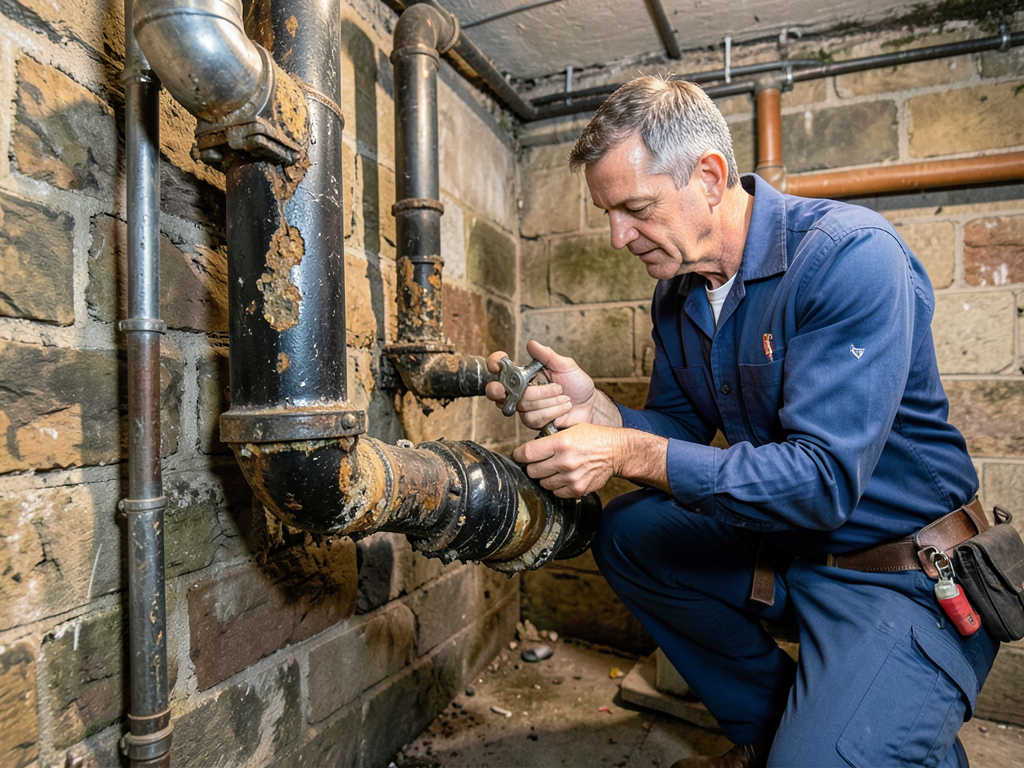
Greenwich homes face specific plumbing vulnerabilities that make holiday hosting particularly risky. Many properties in areas like Old Greenwich and Riverside were built before 1950, featuring aging cast iron pipes that corrode from the inside. These pipes have narrowed internal diameters, making them prone to clogs when exposed to high-volume holiday cooking waste. Plumbing Stamford.
The coastal location of Greenwich also means higher water tables in neighborhoods near Long Island Sound. This creates additional pressure on drainage systems during heavy use. When you combine historic infrastructure with increased holiday demand, you have a recipe for plumbing failure.
Connecticut’s Public Health Code Section 19-13-B102 requires all residential properties to maintain functional drainage systems. However, many historic Greenwich homes operate on the edge of compliance due to their age and the difficulty of upgrading underground infrastructure without damaging historic foundations.
The Thanksgiving Plumbing Danger Zones
Holiday plumbing failures follow predictable patterns. Understanding these danger zones helps you prevent them before they start.
Kitchen Drain Overload occurs when food preparation generates more waste than your system can handle. A typical Thanksgiving meal produces 15-20 pounds of food waste, much of it in the form of FOG (Fats, Oils, and Grease) that solidifies in pipes.
Guest Bathroom Capacity becomes critical when twenty people share two or three bathrooms. Each flush adds stress to your system, and unfamiliar guests may flush items that cause immediate blockages.
Water Heater Strain happens when multiple people shower before the meal while the kitchen demands hot water for cooking and cleaning. Most residential water heaters are sized for daily use, not holiday peaks.
Outdoor Faucet Exposure affects homes where hosts prep food outside or where guests smoke on decks. November temperatures in Greenwich can drop below freezing, causing exposed pipes to burst.
Kitchen Survival Guide: The FOG Protocol
Fats, Oils, and Grease cause 70% of holiday plumbing emergencies in Greenwich. When hot FOG goes down your drain, it flows freely. But as it cools in your pipes, it solidifies into a waxy blockage that catches food particles and creates complete obstructions.. Read more about Commercial Grease Trap Maintenance for Restaurants Near Greenwich Avenue.
Here’s your FOG protocol for Thanksgiving:
- Designate Collection Containers
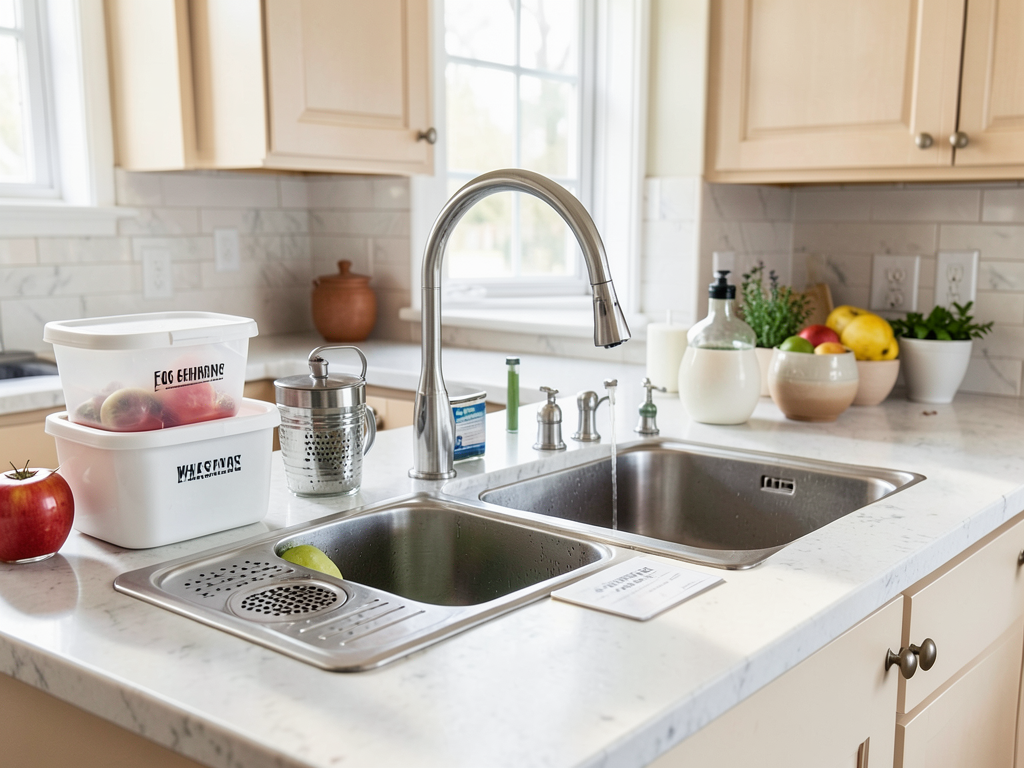
Place heat-resistant containers near every cooking station. Coffee cans, glass jars, or disposable aluminum pans work well. Label them clearly: “FOG Collection – Do Not Pour Down Drain.”
- Establish Cooling Stations
Create a cooling area away from the main cooking zone. Hot grease should cool for at least 30 minutes before handling. This prevents burns and makes collection safer.
- Implement the Scrape Rule
Every dish, pot, and pan goes to a designated scraping station before washing. Use a silicone spatula to remove every bit of food waste into the compost or trash.
- Strain Cooking Liquids
Pour broths and cooking liquids through fine mesh strainers into collection containers. This catches small particles that would otherwise pass through sink strainers.
The key to successful FOG management is preparation. Set up your collection system before cooking begins. When the kitchen gets chaotic, your system keeps working automatically. EPA WaterSense Program.
Garbage Disposal Do’s and Don’ts
Many Greenwich homeowners assume their garbage disposal can handle anything. This assumption causes most holiday disposal failures. Here’s what actually works:
Safe for Disposal:
- Citrus peels (small amounts for freshening)
- Vegetable scraps (avoid fibrous ones)
- Fruit scraps (no pits or large seeds)
- Ice cubes (for cleaning)
Never Put These Down Your Disposal:
- Celery, corn husks, onion skins (fibrous materials that wrap around blades)
- Potato peels (create starchy paste that clogs pipes)
- Eggshells (membranes catch in pipes)
- Pasta and rice (expand with water and create blockages)
- Coffee grounds (accumulate in pipes like sediment)
- Bones of any size
- Nuts and hard shells
The most common disposal failure during Thanksgiving involves potato peels. When processed in large quantities, they create a glue-like substance that hardens in pipes. Always compost or trash potato waste instead.
Guest Bathroom Preparation Protocol
Your guest bathrooms need specific preparation to handle holiday capacity. Most plumbing emergencies during Thanksgiving gatherings start in bathrooms, not kitchens.
Start with a capacity assessment. Calculate your bathroom load by dividing total guests by available bathrooms. For twenty guests and two bathrooms, that’s ten people per bathroom. This creates high failure risk.
Install hair catchers in every shower and sink drain. Hair combines with soap scum to create stubborn clogs. These inexpensive devices prevent 90% of shower drain issues.
Place clear signage near toilets. Many guests don’t know that “flushable” wipes aren’t actually flushable. Create simple signs: “Please Dispose of Wipes and Hygiene Products in the Trash Bin Provided.”
Stock each bathroom with a plunger and make them visible. Guests are more likely to attempt simple fixes than report problems. A visible plunger often prevents small issues from becoming emergencies.
Test all low-flow toilets before guests arrive. Hold the handle down for a full 2-3 seconds to ensure complete flushing. Some older low-flow models need this technique to work properly.
Water Heater Management for Holiday Capacity
Your water heater becomes a critical system during Thanksgiving hosting. Most residential units store 40-50 gallons and recover at 30-40 gallons per hour. This capacity works for daily use but fails under holiday demand.
Calculate your peak demand by counting simultaneous hot water uses. Morning showers plus kitchen prep can exceed 60 gallons in the first hour. This overwhelms standard residential systems.
Set your water heater to 120°F for safety and energy efficiency. Higher temperatures waste energy and create scalding risks. If you have a large group, consider a temporary boost to 130°F, but never exceed this temperature.
Implement a shower schedule for guests staying multiple nights. Space showers 30 minutes apart to allow recovery time. This simple scheduling prevents the most common holiday water heater failure.
Install low-flow aerators on kitchen and bathroom faucets. These reduce hot water demand by 30% without affecting performance. They’re especially valuable when multiple people wash hands or prep food simultaneously.
Emergency Shut-off Valve Locations for Greenwich Homes
Knowing where your shut-off valves are located can prevent thousands of dollars in water damage. Greenwich homes have specific valve configurations based on their age and construction type.
Main Shut-off Valve (Stopcock) locations vary by home age:
- Homes built before 1950: Often in basements near the front foundation wall
- Mid-century homes: Usually in utility closets or mechanical rooms
- Newer constructions: Often outside in underground boxes near the water meter
Test your main valve before the holiday. Turn it off completely, then turn on a sink faucet. If water still flows, your valve is failing and needs immediate replacement.
Individual Fixture Shut-offs should be located under every sink and behind every toilet. These quarter-turn ball valves are more reliable than older gate valves. If you can’t find individual shut-offs, have them installed before hosting.
Water Heater Shut-off includes both the cold water inlet valve and the gas or electrical disconnect. Know both locations. A leaking water heater can flood your mechanical room faster than you can react.
Post emergency instructions in your utility area. Include valve locations, shut-off procedures, and emergency contact numbers. When panic sets in, clear instructions save valuable time.
Winterization Considerations for November Hosting
November in Greenwich brings freezing temperatures that create unique plumbing risks. Historic homes are particularly vulnerable because they often lack modern insulation and freeze protection.
Identify exposed pipes in unheated areas: basements, crawl spaces, garages, and exterior walls. These pipes freeze first and burst hardest. Use foam pipe insulation or heat tape on all exposed sections.
Check outdoor hose bibs. Even frost-free models can freeze if connected hoses trap water. Disconnect all hoses and drain the lines. Consider installing frost-proof sill cocks if you entertain outdoors.
Maintain minimum temperatures of 55°F throughout your home, including unused rooms and basements. Many Greenwich homes have zoned heating that turns off unused areas. This practice saves energy but creates freeze risks.
Open cabinet doors under sinks on exterior walls. This allows warm air circulation around plumbing. This simple step prevents many frozen pipe incidents in historic homes.
Know the freezing point threshold for your specific pipes. PVC freezes at 20°F, copper at 18°F, and PEX at 15°F. When temperatures approach these levels, take preventive action.
Post-Party Cleanup Protocol
The cleanup after your Thanksgiving feast presents the highest risk period for plumbing failures. Fatigue, rushing, and accumulated waste create dangerous conditions.
Implement a systematic cleanup approach. Start with FOG collection and food scraping before any washing begins. This prevents waste accumulation during the cleaning process.
Use cold water for final rinses. Hot water keeps FOG liquid, allowing it to travel further into your pipes before solidifying. Cold water causes immediate solidification, keeping blockages near the drain where they’re easier to clear.
Run your garbage disposal with cold water only. Cold water keeps grease solid so it can be chopped into smaller pieces. Hot water liquefies grease, coating pipes with a harmful layer.
Clean strainer baskets immediately after each sink use during cleanup. Don’t let food particles accumulate. A full strainer basket often leads to bypassing the strainer entirely.
Monitor drain flow rates during cleanup. If sinks drain slowly, stop using them immediately. A slow drain indicates a developing blockage that will become critical with continued use.
Emergency Response: What to Do When Disaster Strikes
Even with perfect preparation, emergencies happen. Knowing exactly what to do when they occur can save your holiday and your home.
If a pipe bursts, immediately locate and turn off the main shut-off valve. This single action stops water damage. Then call for emergency service. Every minute of delay increases damage exponentially.
For an overflowing toilet, remove the tank lid and lift the float to stop water flow. Then shut off the valve behind the toilet. Most toilet overflows are caused by simple clogs that can wait for morning service.
When a drain is completely blocked, stop using all plumbing fixtures. Continued use pushes water into already blocked areas, causing backups in unexpected locations. Sometimes the best action is no action until help arrives.
If sewage backs up into floor drains, this indicates a main sewer line blockage. Stop all water use immediately and evacuate the area. Sewage contains harmful bacteria and requires professional remediation.
Keep emergency contact information visible in your kitchen. Include your plumber’s 24/7 number, your water utility’s emergency line, and basic shut-off procedures. When disaster strikes, you won’t be searching for this information.
Greenwich-Specific Service Area Response Times
Understanding local service capabilities helps you make informed decisions during emergencies. United Plumbing serves all Greenwich neighborhoods with specific response time commitments.
Old Greenwich and Riverside: 30-45 minute response times due to proximity to our main hub. These areas have the highest concentration of historic homes requiring specialized knowledge.
Back Country and Stanwich: 45-60 minute response times. These areas require additional travel but maintain our standard emergency service level.
Central Greenwich and Cos Cob: 20-30 minute response times. Our most frequently serviced areas allow for rapid deployment.
North Mianus and Glenville: 35-50 minute response times. These developing areas have modern infrastructure but still require our expertise for complex issues.
All emergency calls receive priority scheduling regardless of location. Our technicians carry specialized equipment for historic home repairs, including cast iron pipe repair tools and lead-free solder for potable water systems. Why We Are the Top Rated Pipe Repair Specialists in Byram.
Preventative Maintenance: The Best Holiday Insurance
The best way to avoid holiday plumbing disasters is professional preventative maintenance. A pre-holiday inspection identifies and resolves issues before they become emergencies.
Drain cleaning removes accumulated FOG, hair, and debris that narrows pipe diameters. Professional cleaning restores full flow capacity and prevents holiday blockages.
Video pipe inspection reveals hidden problems like tree root intrusion, pipe corrosion, or misaligned joints. These issues often go unnoticed until they cause major failures during heavy use.
Water heater maintenance includes flushing sediment, testing pressure relief valves, and checking anode rods. This service prevents the most common water heater failure mode during high-demand periods.
Fixture testing ensures all shut-off valves operate correctly, toilets flush completely, and faucets don’t leak. Small problems become big emergencies when multiplied across twenty guests.
Schedule your preventative maintenance at least two weeks before your event. This timing allows for any necessary repairs without rushing or compromising quality.
Cost Comparison: Prevention vs. Emergency Service
Understanding the financial impact of different approaches helps you make smart decisions about your holiday plumbing preparation.
| Service Type | Average Cost | Response Time | Holiday Availability |
|---|---|---|---|
| Preventative Drain Cleaning | $250-400 | Scheduled within 3 days | Available with advance booking |
| Emergency Drain Clearing | $450-750 | 30-90 minutes | 24/7 including holidays |
| Main Sewer Line Repair | $2,500-8,000 | 2-4 hours emergency | Emergency only, premium rates |
| Water Heater Replacement | $1,200-2,500 | Emergency: 4-6 hours | Emergency only, premium rates |
The cost difference between preventative maintenance and emergency service often exceeds 200%. More importantly, emergency services during holidays may have limited availability, longer wait times, and higher rates. Emergency Sewer Backup Cleanup.
Essential Tools and Supplies for Holiday Hosting
Every Greenwich homeowner should keep specific tools and supplies on hand for holiday hosting. These items help you handle minor issues and prepare for professional service calls.
Basic Plumbing Toolkit:
- Heavy-duty plunger (bell-shaped for toilets, cup-shaped for sinks)
- Adjustable wrench (6-10 inch size)
- Basin wrench for faucet work
- Plumber’s tape (Teflon tape)
- Drain snake or auger (25+ feet for household use)
Emergency Supplies:
- Bucket for water collection
- Old towels and absorbent materials
- Flashlight with fresh batteries
- Shut-off valve tags or labels
- Emergency contact list
Cleaning and Containment:
- Bio-enzymatic drain cleaner (non-corrosive, safe for pipes)
- Absorbent spill pads for water heater leaks
- Plastic sheeting for protecting floors
- Heavy-duty trash bags for contaminated materials
Store these supplies in a central, easily accessible location. When plumbing emergencies occur, you need immediate access to these tools.
Local Building Code Compliance for Holiday Hosting
Greenwich homeowners must comply with specific building codes when hosting large gatherings. Understanding these requirements prevents code violations and ensures guest safety.
Connecticut State Building Code requires all residential properties to maintain functional drainage systems that can handle normal usage patterns. While there’s no specific requirement for holiday capacity, code enforcement can cite inadequate systems that create health hazards.
Greenwich Health Department regulations require proper sewage disposal for all gatherings. This means your plumbing must prevent sewage backups, overflows, and cross-connections that could contaminate drinking water.
International Plumbing Code Section 313 requires adequate fixture capacity based on occupancy. While your home wasn’t designed for twenty Thanksgiving guests, you must ensure your system can handle the temporary increased load without creating hazards.
Local fire codes require clear access to mechanical rooms and utility areas. Don’t store items in front of your water heater or electrical panel, even temporarily for holiday hosting.
Understanding these codes helps you identify when professional upgrades are necessary before hosting large gatherings.
Frequently Asked Questions
How far in advance should I schedule preventative plumbing maintenance before Thanksgiving?
Schedule preventative maintenance at least two weeks before your event. This timing allows for any necessary repairs without rushing and ensures your system is fully tested before guests arrive.
What’s the most common Thanksgiving plumbing emergency in Greenwich homes?
Kitchen drain blockages from FOG (Fats, Oils, and Grease) are the most common emergency. Potato peels create a starchy paste that hardens in pipes, causing immediate blockages during cleanup.
Should I turn off my water main if I’m leaving town after Thanksgiving?
Yes, if you’ll be away for more than 24 hours. Turn off the main shut-off valve and drain your pipes by opening the lowest faucet in your home. This prevents flood damage if a pipe bursts while you’re away.
How can I tell if my historic Greenwich home’s plumbing can handle a large gathering?
Schedule a professional inspection focusing on drain flow rates, water heater capacity, and fixture condition. Homes built before 1950 often have corroded cast iron pipes that can’t handle holiday volumes without issues.
What should I do if my drains start gurgling during Thanksgiving dinner?
Gurgling indicates a developing blockage. Stop using all plumbing fixtures immediately and call for emergency service. Continuing to use affected fixtures will cause backups in other areas of your home.
Conclusion: Your Holiday Hosting Success Plan
Hosting a huge Thanksgiving dinner in Greenwich doesn’t have to mean plumbing disasters. With proper preparation, you can protect your home’s plumbing and focus on what matters most: enjoying time with family and friends.
Start your preparation early. Implement the FOG protocol, prepare your guest bathrooms, and test your emergency systems. These steps take time but prevent the panic of holiday plumbing emergencies.
Remember that historic Greenwich homes require special consideration. Their aging infrastructure needs extra care during high-demand periods. Professional preventative maintenance is the best investment you can make for worry-free holiday hosting.
Don’t let plumbing problems ruin your Thanksgiving celebration. Call (475) 320-3733 today to schedule your pre-holiday plumbing inspection. Our experienced technicians understand the unique challenges of Greenwich homes and can identify potential issues before they become emergencies.
This Thanksgiving, be the host who enjoys the meal instead of worrying about the drains. Your guests will never know the careful planning that went into protecting your home’s plumbing, but you’ll appreciate the peace of mind throughout your celebration. For more information, visit 2021 International Plumbing Code.
You may also find this helpful. Why Your New Dishwasher Is Not Draining Properly (and How to Fix the Air Gap).
You may also find this helpful. Running a Natural Gas Line for Your New Outdoor Fire Pit in Backcountry Greenwich.
You may also find this helpful. Comparing the Best Reverse Osmosis Systems for Clean Drinking Water in Old Greenwich.
{
“@context”: “https://schema.org”,
“@type”: “BlogPosting”,
“headline”: “How to Host a Huge Thanksgiving Dinner in Greenwich Without Clogging Your Drains”,
“description”: “Expert tips for hosting a massive Thanksgiving dinner in Greenwich without plumbing disasters. Learn FOG disposal, guest bathroom prep, and emergency shut-off locations.”,
“wordCount”: 3024,
“datePublished”: “2026-04-14T11:40:00.000Z”,
“dateModified”: “2026-04-14T11:40:00.000Z”,
“inLanguage”: “en-US”,
“mainEntityOfPage”: {
“@type”: “WebPage”,
“@id”: “https://unitedplumbinggreenwich.com”
},
“publisher”: {
“@type”: “LocalBusiness”,
“name”: “United Plumbing Greenwich”,
“url”: “https://unitedplumbinggreenwich.com”
},
“author”: {
“@type”: “Organization”,
“name”: “United Plumbing Greenwich”,
“url”: “https://unitedplumbinggreenwich.com”
},
“image”: {
“@type”: “ImageObject”,
“url”: “https://unitedplumbinggreenwich.com/wp-content/uploads/2026/03/how-to-host-a-huge-thanksgiving-dinner-in-greenwic-1.png”
}
}
{
“@context”: “https://schema.org”,
“@type”: “Plumber”,
“name”: “United Plumbing Greenwich”,
“url”: “https://unitedplumbinggreenwich.com”,
“address”: {
“@type”: “PostalAddress”,
“addressLocality”: “Greenwich”
},
“areaServed”: {
“@type”: “City”,
“name”: “Greenwich”
}
}
{
“@context”: “https://schema.org”,
“@type”: “FAQPage”,
“mainEntity”: [
{
“@type”: “Question”,
“name”: “How far in advance should I schedule preventative plumbing maintenance before Thanksgiving?”,
“acceptedAnswer”: {
“@type”: “Answer”,
“text”: “Schedule preventative maintenance at least two weeks before your event. This timing allows for any necessary repairs without rushing and ensures your system is fully tested before guests arrive.”
}
},
{
“@type”: “Question”,
“name”: “What’s the most common Thanksgiving plumbing emergency in Greenwich homes?”,
“acceptedAnswer”: {
“@type”: “Answer”,
“text”: “Kitchen drain blockages from FOG (Fats, Oils, and Grease) are the most common emergency. Potato peels create a starchy paste that hardens in pipes, causing immediate blockages during cleanup.”
}
},
{
“@type”: “Question”,
“name”: “Should I turn off my water main if I’m leaving town after Thanksgiving?”,
“acceptedAnswer”: {
“@type”: “Answer”,
“text”: “Yes, if you’ll be away for more than 24 hours. Turn off the main shut-off valve and drain your pipes by opening the lowest faucet in your home. This prevents flood damage if a pipe bursts while you’re away.”
}
},
{
“@type”: “Question”,
“name”: “What should I do if my drains start gurgling during Thanksgiving dinner?”,
“acceptedAnswer”: {
“@type”: “Answer”,
“text”: “Gurgling indicates a developing blockage. Stop using all plumbing fixtures immediately and call for emergency service. Continuing to use affected fixtures will cause backups in other areas of your home.”
}
}
]
}
{
“@context”: “https://schema.org”,
“@type”: “HowTo”,
“name”: “FOG Disposal Protocol”,
“step”: [
{
“@type”: “HowToStep”,
“position”: 1,
“name”: “Designate Collection Containers”,
“text”: “Place heat-resistant containers near every cooking station. Coffee cans, glass jars, or disposable aluminum pans work well. Label them clearly: \”FOG Collection – Do Not Pour Down Drain.\””
},
{
“@type”: “HowToStep”,
“position”: 2,
“name”: “Establish Cooling Stations”,
“text”: “Create a cooling area away from the main cooking zone. Hot grease should cool for at least 30 minutes before handling. This prevents burns and makes collection safer.”
},
{
“@type”: “HowToStep”,
“position”: 3,
“name”: “Implement the Scrape Rule”,
“text”: “Every dish, pot, and pan goes to a designated scraping station before washing. Use a silicone spatula to remove every bit of food waste into the compost or trash.”
},
{
“@type”: “HowToStep”,
“position”: 4,
“name”: “Strain Cooking Liquids”,
“text”: “Pour broths and cooking liquids through fine mesh strainers into collection containers. This catches small particles that would otherwise pass through sink strainers.”
}
],
“image”: “https://unitedplumbinggreenwich.com/wp-content/uploads/2026/03/how-to-host-a-huge-thanksgiving-dinner-in-greenwic-1.png”
}
{
“@context”: “https://schema.org”,
“@type”: “BreadcrumbList”,
“itemListElement”: [
{
“@type”: “ListItem”,
“position”: 1,
“name”: “Home”,
“item”: “https://unitedplumbinggreenwich.com”
},
{
“@type”: “ListItem”,
“position”: 2,
“name”: “Blog”,
“item”: “https://unitedplumbinggreenwich.com/blog”
},
{
“@type”: “ListItem”,
“position”: 3,
“name”: “How to Host a Huge Thanksgiving Dinner in Greenwich Without Clogging Your Drains”
}
]
}
{
“@context”: “https://schema.org”,
“@type”: “Service”,
“serviceType”: “Plumbing”,
“provider”: {
“@type”: “LocalBusiness”,
“name”: “United Plumbing Greenwich”,
“url”: “https://unitedplumbinggreenwich.com”
},
“areaServed”: {
“@type”: “City”,
“name”: “Greenwich”
},
“description”: “Expert tips for hosting a massive Thanksgiving dinner in Greenwich without plumbing disasters. Learn FOG disposal, guest bathroom prep, and emergency shut-off locations.”
}