
How the Greenwich Water Supply Affects Your Hair and Skin (And How to Fix It)
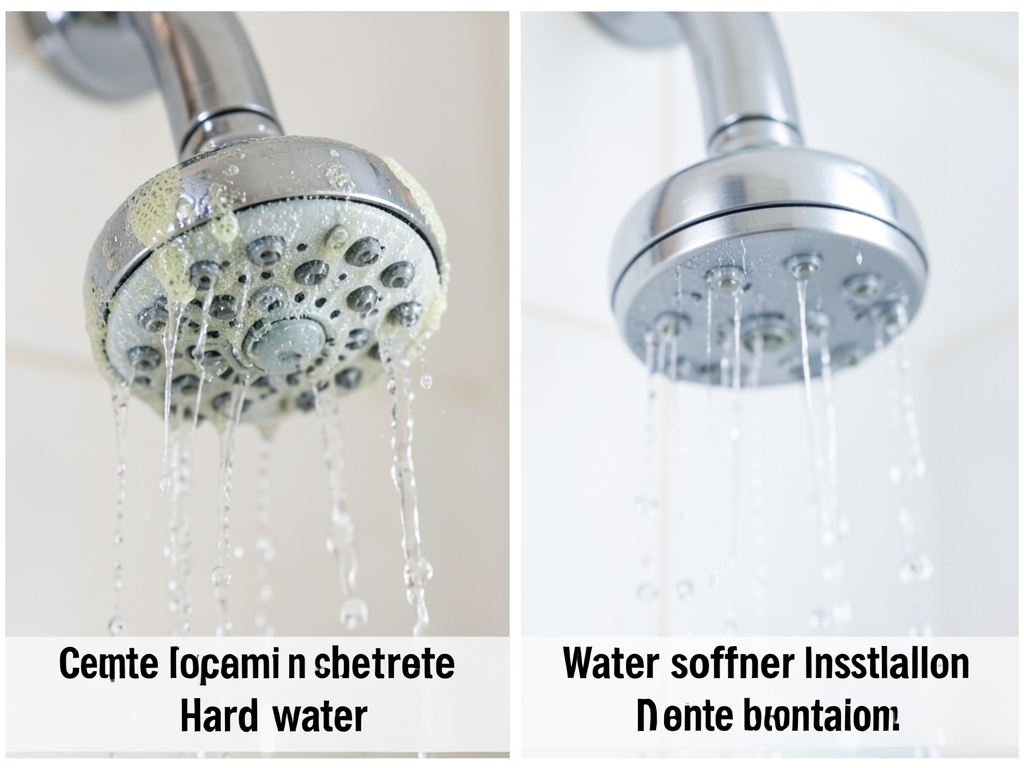
Your morning shower should leave you feeling refreshed. But if you live in Greenwich you might notice something different. Your skin feels tight and itchy after bathing. Your hair looks dull no matter what expensive products you use. The culprit isn’t your beauty routine. It’s your water.. Read more about Why Your Backcountry Water Heater Sounds Like It Is Full of Popping Popcorn.
Greenwich’s water supply contains high levels of dissolved minerals primarily calcium and magnesium. These minerals create what plumbers call ‘hard water’ and they’re having a direct impact on your daily comfort. The Aquarion Water Company which serves most of Greenwich reports water hardness levels between 12 and 18 grains per gallon. That’s significantly above the threshold where problems start to appear. Aquarion Water Company.
When hard water interacts with soap it creates a chemical reaction that leaves behind a sticky residue. This residue builds up on your skin clogging pores and preventing natural oils from doing their job. On your hair it creates a mineral film that makes strands feel rough and look lifeless. The result is dry irritated skin and hair that never quite feels clean no matter how much you wash it.
The good news is you don’t have to live with these effects. Understanding the science behind hard water and knowing your treatment options can transform your daily routine. Let’s explore what’s really happening when you turn on your tap and how professional solutions can give you back soft skin and vibrant hair.
Understanding Greenwich Water: Why It’s ‘Hard’
Greenwich’s water hardness comes from the natural geology of Fairfield County. As rainwater filters through limestone and other mineral-rich rock formations it picks up calcium and magnesium ions. These dissolved minerals travel through underground aquifers and into the municipal water supply.
The Aquarion Water Company tests water quality throughout its service area. In Greenwich test results consistently show total dissolved solids (TDS) ranging from 150 to 250 parts per million. While this falls within safe drinking standards it exceeds the 120 ppm threshold where hard water effects become noticeable.
Water hardness varies across different parts of Greenwich. Areas closer to the coast like Old Greenwich and Riverside often have slightly softer water due to different aquifer characteristics. Inland neighborhoods such as Glenville and Back Country may experience higher mineral content. This variation means two homes just a few miles apart can have dramatically different water quality.
Private well systems in Greenwich’s more rural areas face additional challenges. These systems often draw from deeper aquifers where mineral concentration is naturally higher. Well water in areas like North Street and Round Hill frequently tests above 20 grains per gallon making the hard water effects even more pronounced.
Understanding your specific water hardness level is the first step toward finding the right solution. A simple test can reveal whether you’re dealing with mild moderate or severe hard water conditions.

The Impact on Skin: From Dryness to Eczema
Hard water affects your skin in ways you might not expect. When you shower the calcium and magnesium in your water react with the fatty acids in soap. Instead of creating a rich lather this reaction produces a sticky substance plumbers call ‘soap curd.’ This curd doesn’t rinse away easily leaving a film on your skin. Emergency Plumbers in Greenwich Who Actually Answer the Phone at 3 AM.
This mineral film disrupts your skin’s natural barrier function. Your skin produces oils to maintain moisture and protect against environmental irritants. When hard water leaves behind a residue it prevents these oils from spreading evenly across your skin surface. The result is dryness that no amount of lotion seems to fix.
For people with sensitive skin or conditions like eczema hard water can make symptoms worse. The mineral buildup can trigger inflammation and create an environment where bacteria thrive. Many Greenwich residents notice their skin feels more irritated during the winter months when indoor heating already reduces humidity levels.
The effects go beyond simple dryness. Hard water can cause your skin to feel tight and itchy after bathing. You might notice red patches that resemble mild dermatitis. Some people develop small bumps or rough patches especially on areas that trap soap residue like behind the ears and along the jawline.
Children are particularly vulnerable to hard water effects. Their skin is more sensitive and still developing its protective barrier. Parents in Greenwich often report their kids complaining about ‘stinging’ skin after baths especially during the dry winter months.
The solution isn’t just about using different soaps or lotions. You need to address the source of the problem by removing the minerals before they ever reach your skin.
The Impact on Hair: Why Your Expensive Shampoos Aren’t Working
Your hair tells a similar story to your skin. Hard water creates a mineral buildup on each strand that changes how your hair behaves. Instead of feeling smooth and silky your hair develops a rough texture that makes it prone to tangling and breakage.
The science is straightforward. Calcium and magnesium ions in hard water attach to the negatively charged sites on your hair shaft. Once bonded these minerals are difficult to remove with regular shampooing. Over time they create a scale-like coating that prevents moisture from penetrating the hair cuticle.
This mineral buildup has several visible effects. Your hair may look dull and lifeless because the mineral film prevents light from reflecting off the surface. Color-treated hair often develops an unwanted brassy or greenish tint especially in blonde shades. The minerals can also cause color to fade faster requiring more frequent touch-ups.
Many Greenwich residents notice their hair feels different when they travel to areas with softer water. It’s not your imagination. The contrast between hard and soft water is dramatic. Hair that feels weighed down and unmanageable at home suddenly becomes light and bouncy elsewhere.
The lathering problem compounds the issue. Hard water prevents soap and shampoo from creating the rich foam you expect. This means you tend to use more product trying to achieve the same cleaning effect. The excess product combined with mineral buildup creates a perfect storm for hair problems.
People with fine or thin hair often suffer the most. The mineral coating makes each strand feel heavier and more prone to breakage. Those with curly hair may find their natural curl pattern becomes frizzy and undefined. Even people with oily hair can experience problems as the mineral film prevents natural oils from distributing properly along the hair shaft.
The Science: Calcium vs. Soap
The chemistry behind hard water problems is fascinating. Soap molecules have a unique structure with a hydrophilic head that attracts water and a hydrophobic tail that attracts oils and dirt. In soft water these molecules work perfectly creating micelles that trap dirt and rinse away cleanly.
But hard water changes everything. When calcium and magnesium ions encounter soap molecules they form insoluble salts. These salts are the sticky curd that clings to your skin and hair. The chemical reaction looks like this: 2C₁₇H₃₅COO⁻Na⁺ + Ca²⁺ → (C₁₇H₃₅COO)₂Ca + 2Na⁺.
This reaction is why you can’t solve hard water problems with better soap alone. Even the most expensive moisturizing body wash will create the same sticky residue when mixed with high-mineral water. The only solutions involve either changing the soap chemistry or removing the minerals before they reach your fixtures.
The problem extends beyond personal care. Hard water affects every water-using appliance in your home. Your water heater develops scale buildup reducing efficiency by up to 30%. Your dishwasher leaves spots on glassware. Your washing machine requires more detergent and leaves clothes feeling stiff.
The economic impact adds up quickly. People in hard water areas typically spend 30% more on cleaning products. Appliances wear out faster requiring replacement sooner. The energy costs of heating water through mineral scale can add hundreds of dollars to your annual utility bills.
Understanding this chemistry helps explain why simple fixes often fail. A showerhead filter might remove some sediment but it won’t address dissolved minerals. Switching to synthetic detergents helps somewhat but doesn’t eliminate the underlying problem. For complete relief you need to treat all the water entering your home.
Professional Solutions for Greenwich Homes
Professional water treatment offers several approaches to solving hard water problems. The most comprehensive solution is a whole-house water softener. These systems use ion exchange technology to remove calcium and magnesium before the water reaches any fixture.
Water softeners work through a simple but effective process. As hard water passes through a tank filled with resin beads the calcium and magnesium ions attach to the resin and are replaced with sodium or potassium ions. The result is water that behaves like rainwater naturally soft and free of problematic minerals.
For Greenwich homes the typical installation involves placing the softener where the main water line enters the house. This ensures all water including what flows to your shower kitchen and laundry is treated. The system includes a brine tank that periodically regenerates the resin beads using salt or potassium chloride.
Modern water softeners offer features that make them more efficient than older models. Demand-initiated regeneration means the system only cleans itself when necessary saving water and salt. Digital controls allow precise adjustment based on your specific water hardness level and household usage patterns.
The investment in a whole-house system typically ranges from $1,800 to $3,500 installed depending on home size and system capacity. While this represents a significant upfront cost many Greenwich homeowners find the benefits justify the expense. You’ll use less soap and detergent. Your appliances will last longer. Most importantly your skin and hair will feel dramatically different within days of installation.
For those who prefer a less invasive approach showerhead filters offer targeted protection. These devices attach directly to your shower arm and use various media to reduce chlorine sediment and some minerals. While not as comprehensive as whole-house systems they can significantly improve shower water quality at a fraction of the cost.
Reverse osmosis systems provide another option particularly for drinking water. These systems force water through a semipermeable membrane removing up to 99% of dissolved minerals. While excellent for drinking water they typically don’t produce enough volume for whole-house application.. Read more about Comparing the Best Reverse Osmosis Systems for Clean Drinking Water in Old Greenwich.
The best solution depends on your specific situation. A professional water test can determine your exact hardness level and help identify the most cost-effective approach for your home.
Frequently Asked Questions
How can I test my water hardness at home?
You can use test strips available at hardware stores or online. These strips change color based on mineral content. For more accurate results many plumbing companies offer free in-home water testing. The Aquarion Water Company also provides water quality reports for its service areas. Plumbing Stamford.
Will a water softener help with my dandruff?
Many people notice improvement in scalp conditions after installing a water softener. The mineral buildup that contributes to dryness and irritation is eliminated. However if your dandruff is caused by a fungal condition or other medical issue you may need additional treatment from a dermatologist.
How much does water softener installation cost in Greenwich?
Installation costs in Greenwich typically range from $300 to $600 depending on your plumbing configuration. Homes with easy access to the main water line fall on the lower end. Complex installations requiring extensive piping work cost more. Most companies include basic installation with system purchase.
Do I need a permit to install a water softener in Greenwich?
Greenwich requires plumbing permits for water softener installation. The permit ensures the work meets local plumbing codes and is inspected for proper installation. Your plumbing contractor should handle the permitting process as part of the installation service.
How often do water softeners need maintenance?
Basic maintenance includes checking salt levels monthly and cleaning the brine tank annually. Most systems need professional servicing every 2-3 years to check valve function and resin condition. Modern systems with demand-initiated regeneration require less frequent attention than older timer-based models.
Can hard water cause hair loss?
While hard water doesn’t directly cause hair loss it can contribute to breakage and thinning. The mineral buildup makes hair more brittle and prone to damage during combing and styling. Some people also experience scalp irritation that can affect hair health. Removing these minerals often improves overall hair condition.
What’s the difference between a water softener and a water conditioner?
Water softeners use ion exchange to remove calcium and magnesium completely. Water conditioners typically use template-assisted crystallization to change how minerals behave without removing them. Softeners provide the complete mineral removal needed for skin and hair benefits while conditioners mainly prevent scale buildup in pipes.
How long does it take to notice results after installing a water softener?
Most people notice differences in their skin and hair within the first week. The mineral film that has built up over months gradually washes away. You may need to clean your shower and fixtures to remove existing scale. The full benefits including softer laundry and cleaner dishes become apparent within a month.
Is soft water safe to drink?
Yes soft water is safe to drink. The sodium added during the softening process is minimal typically less than 12.5 milligrams per 8-ounce glass. This is well below levels that would affect most people’s health. If you’re concerned about sodium you can install a reverse osmosis system for drinking water.
Will a water softener eliminate all my cleaning problems?
A water softener will solve most hard water issues but not all. It eliminates soap curd buildup and scale formation. However it won’t remove other water quality issues like iron sulfur or sediment. Some homes may need additional filtration for complete water treatment.
How do I know if my current water softener is working properly?
Signs of a malfunctioning softener include soap not lathering well spots on dishes and scale buildup on fixtures. You can test water hardness before and after the softener using test strips. If hardness levels remain high your system may need maintenance or adjustment.
Can I install a water softener myself?
While DIY installation is possible it’s not recommended for most homeowners. Water softeners require proper plumbing connections electrical wiring and drainage setup. Incorrect installation can lead to leaks water damage and system failure. Professional installation ensures the system works correctly and maintains warranty coverage. The Most Reliable Drain Cleaning Services in Old Greenwich.
What size water softener do I need?
Sizing depends on your household size water hardness level and daily water usage. A family of four typically needs a system that handles 30000 to 40000 grains of hardness before regeneration. Your plumber can calculate the exact size needed based on a water test and your household’s specific needs.
Are there salt-free alternatives to traditional water softeners?
Yes several salt-free options exist including template-assisted crystallization systems and electromagnetic devices. These alternatives don’t remove minerals but change how they behave preventing scale buildup. While they protect plumbing they don’t provide the skin and hair benefits of true water softening.
How much water and salt does a softener use during regeneration?
Traditional softeners use 20 to 50 gallons of water and 10 to 20 pounds of salt per regeneration cycle. Modern demand-initiated systems use significantly less regenerating only when needed. The exact amount depends on your water hardness and household usage patterns.
Will soft water make my skin feel slippery?
Yes many people notice their skin feels different with soft water. This ‘slippery’ feeling is actually your skin’s natural oils being able to do their job. You’re feeling clean skin rather than a mineral film. Most people adjust to this sensation within a few days and prefer it over the dry feeling of hard water.
Can hard water affect my water pressure?
Yes over time hard water can reduce water pressure as mineral scale builds up inside pipes. This is especially common in older Greenwich homes with galvanized steel plumbing. A water softener prevents further buildup but won’t remove existing scale. In severe cases pipe replacement may be necessary.
What maintenance do showerhead filters require?
Showerhead filters typically need replacement every 6 to 12 months depending on usage and water quality. You’ll notice reduced water flow or changes in water feel when it’s time to replace the cartridge. Some filters also include indicators that show when replacement is needed.
Take Control of Your Water Quality Today
Your daily comfort shouldn’t be compromised by something as basic as your water supply. The effects of hard water on your skin and hair are real and they’re affecting your quality of life. But you don’t have to accept these problems as normal.
Professional water testing can reveal exactly what’s in your water and how it’s affecting your home. Our experienced technicians understand the specific water quality challenges facing Greenwich homeowners. We’ve helped hundreds of local families transform their daily experience with solutions tailored to their needs.
Whether you need a whole-house water softener targeted shower filtration or just want to understand your water quality better we’re here to help. Our installations come with comprehensive warranties and our service doesn’t end when the job is done. We provide ongoing support to ensure your system continues working perfectly.
Don’t let another day go by with dry itchy skin and dull lifeless hair. Call (475) 320-3733 today to schedule your free water quality consultation. Our team will test your water explain your options and help you choose the solution that’s right for your home and budget. Your skin and hair will thank you.
Pick up the phone and call (475) 320-3733 before the next shower leaves you feeling worse than when you started. Better water quality is just one call away. For more information, visit EPA WaterSense Program.
{
“@context”: “https://schema.org”,
“@type”: “BlogPosting”,
“headline”: “How the Greenwich Water Supply Affects Your Hair and Skin (And How to Fix It)”,
“description”: “Discover how Greenwich’s hard water is damaging your hair and skin. Learn the science behind mineral buildup and professional solutions from local plumbing experts.”,
“wordCount”: 2947,
“datePublished”: “2026-04-29T13:30:00.000Z”,
“dateModified”: “2026-04-29T13:30:00.000Z”,
“inLanguage”: “en-US”,
“mainEntityOfPage”: {
“@type”: “WebPage”,
“@id”: “https://unitedplumbinggreenwich.com”
},
“publisher”: {
“@type”: “LocalBusiness”,
“name”: “United Plumbing Greenwich”,
“url”: “https://unitedplumbinggreenwich.com”
},
“author”: {
“@type”: “Organization”,
“name”: “United Plumbing Greenwich”,
“url”: “https://unitedplumbinggreenwich.com”
},
“image”: {
“@type”: “ImageObject”,
“url”: “https://unitedplumbinggreenwich.com/wp-content/uploads/2026/03/how-the-greenwich-water-supply-affects-your-hair-a-1.png”
}
}
{
“@context”: “https://schema.org”,
“@type”: “Plumber”,
“name”: “United Plumbing Greenwich”,
“url”: “https://unitedplumbinggreenwich.com”,
“address”: {
“@type”: “PostalAddress”,
“addressLocality”: “Greenwich”
},
“areaServed”: {
“@type”: “City”,
“name”: “Greenwich”
}
}
{
“@context”: “https://schema.org”,
“@type”: “FAQPage”,
“mainEntity”: [
{
“@type”: “Question”,
“name”: “How can I test my water hardness at home?”,
“acceptedAnswer”: {
“@type”: “Answer”,
“text”: “You can use test strips available at hardware stores or online. These strips change color based on mineral content. For more accurate results many plumbing companies offer free in-home water testing. The Aquarion Water Company also provides water quality reports for its service areas. Plumbing Stamford.”
}
},
{
“@type”: “Question”,
“name”: “Will a water softener help with my dandruff?”,
“acceptedAnswer”: {
“@type”: “Answer”,
“text”: “Many people notice improvement in scalp conditions after installing a water softener. The mineral buildup that contributes to dryness and irritation is eliminated. However if your dandruff is caused by a fungal condition or other medical issue you may need additional treatment from a dermatologist.”
}
},
{
“@type”: “Question”,
“name”: “How much does water softener installation cost in Greenwich?”,
“acceptedAnswer”: {
“@type”: “Answer”,
“text”: “Installation costs in Greenwich typically range from $300 to $600 depending on your plumbing configuration. Homes with easy access to the main water line fall on the lower end. Complex installations requiring extensive piping work cost more. Most companies include basic installation with system purchase.”
}
},
{
“@type”: “Question”,
“name”: “Do I need a permit to install a water softener in Greenwich?”,
“acceptedAnswer”: {
“@type”: “Answer”,
“text”: “Greenwich requires plumbing permits for water softener installation. The permit ensures the work meets local plumbing codes and is inspected for proper installation. Your plumbing contractor should handle the permitting process as part of the installation service.”
}
},
{
“@type”: “Question”,
“name”: “How often do water softeners need maintenance?”,
“acceptedAnswer”: {
“@type”: “Answer”,
“text”: “Basic maintenance includes checking salt levels monthly and cleaning the brine tank annually. Most systems need professional servicing every 2-3 years to check valve function and resin condition. Modern systems with demand-initiated regeneration require less frequent attention than older timer-based models.”
}
},
{
“@type”: “Question”,
“name”: “Can hard water cause hair loss?”,
“acceptedAnswer”: {
“@type”: “Answer”,
“text”: “While hard water doesn’t directly cause hair loss it can contribute to breakage and thinning. The mineral buildup makes hair more brittle and prone to damage during combing and styling. Some people also experience scalp irritation that can affect hair health. Removing these minerals often improves overall hair condition.”
}
},
{
“@type”: “Question”,
“name”: “What’s the difference between a water softener and a water conditioner?”,
“acceptedAnswer”: {
“@type”: “Answer”,
“text”: “Water softeners use ion exchange to remove calcium and magnesium completely. Water conditioners typically use template-assisted crystallization to change how minerals behave without removing them. Softeners provide the complete mineral removal needed for skin and hair benefits while conditioners mainly prevent scale buildup in pipes.”
}
},
{
“@type”: “Question”,
“name”: “How long does it take to notice results after installing a water softener?”,
“acceptedAnswer”: {
“@type”: “Answer”,
“text”: “Most people notice differences in their skin and hair within the first week. The mineral film that has built up over months gradually washes away. You may need to clean your shower and fixtures to remove existing scale. The full benefits including softer laundry and cleaner dishes become apparent within a month.”
}
},
{
“@type”: “Question”,
“name”: “Is soft water safe to drink?”,
“acceptedAnswer”: {
“@type”: “Answer”,
“text”: “Yes soft water is safe to drink. The sodium added during the softening process is minimal typically less than 12.5 milligrams per 8-ounce glass. This is well below levels that would affect most people’s health. If you’re concerned about sodium you can install a reverse osmosis system for drinking water.”
}
},
{
“@type”: “Question”,
“name”: “Will a water softener eliminate all my cleaning problems?”,
“acceptedAnswer”: {
“@type”: “Answer”,
“text”: “A water softener will solve most hard water issues but not all. It eliminates soap curd buildup and scale formation. However it won’t remove other water quality issues like iron sulfur or sediment. Some homes may need additional filtration for complete water treatment.”
}
},
{
“@type”: “Question”,
“name”: “How do I know if my current water softener is working properly?”,
“acceptedAnswer”: {
“@type”: “Answer”,
“text”: “Signs of a malfunctioning softener include soap not lathering well spots on dishes and scale buildup on fixtures. You can test water hardness before and after the softener using test strips. If hardness levels remain high your system may need maintenance or adjustment.”
}
},
{
“@type”: “Question”,
“name”: “Can I install a water softener myself?”,
“acceptedAnswer”: {
“@type”: “Answer”,
“text”: “While DIY installation is possible it’s not recommended for most homeowners. Water softeners require proper plumbing connections electrical wiring and drainage setup. Incorrect installation can lead to leaks water damage and system failure. Professional installation ensures the system works correctly and maintains warranty coverage. The Most Reliable Drain Cleaning Services in Old Greenwich.”
}
},
{
“@type”: “Question”,
“name”: “What size water softener do I need?”,
“acceptedAnswer”: {
“@type”: “Answer”,
“text”: “Sizing depends on your household size water hardness level and daily water usage. A family of four typically needs a system that handles 30000 to 40000 grains of hardness before regeneration. Your plumber can calculate the exact size needed based on a water test and your household’s specific needs.”
}
},
{
“@type”: “Question”,
“name”: “How much water and salt does a softener use during regeneration?”,
“acceptedAnswer”: {
“@type”: “Answer”,
“text”: “Traditional softeners use 20 to 50 gallons of water and 10 to 20 pounds of salt per regeneration cycle. Modern demand-initiated systems use significantly less regenerating only when needed. The exact amount depends on your water hardness and household usage patterns.”
}
},
{
“@type”: “Question”,
“name”: “Will soft water make my skin feel slippery?”,
“acceptedAnswer”: {
“@type”: “Answer”,
“text”: “Yes many people notice their skin feels different with soft water. This ‘slippery’ feeling is actually your skin’s natural oils being able to do their job. You’re feeling clean skin rather than a mineral film. Most people adjust to this sensation within a few days and prefer it over the dry feeling of hard water.”
}
},
{
“@type”: “Question”,
“name”: “Can hard water affect my water pressure?”,
“acceptedAnswer”: {
“@type”: “Answer”,
“text”: “Yes over time hard water can reduce water pressure as mineral scale builds up inside pipes. This is especially common in older Greenwich homes with galvanized steel plumbing. A water softener prevents further buildup but won’t remove existing scale. In severe cases pipe replacement may be necessary.”
}
},
{
“@type”: “Question”,
“name”: “What maintenance do showerhead filters require?”,
“acceptedAnswer”: {
“@type”: “Answer”,
“text”: “Showerhead filters typically need replacement every 6 to 12 months depending on usage and water quality. You’ll notice reduced water flow or changes in water feel when it’s time to replace the cartridge. Some filters also include indicators that show when replacement is needed.”
}
}
]
}
{
“@context”: “https://schema.org”,
“@type”: “BreadcrumbList”,
“itemListElement”: [
{
“@type”: “ListItem”,
“position”: 1,
“name”: “Home”,
“item”: “https://unitedplumbinggreenwich.com”
},
{
“@type”: “ListItem”,
“position”: 2,
“name”: “Blog”,
“item”: “https://unitedplumbinggreenwich.com/blog”
},
{
“@type”: “ListItem”,
“position”: 3,
“name”: “How the Greenwich Water Supply Affects Your Hair and Skin (And How to Fix It)”
}
]
}
{
“@context”: “https://schema.org”,
“@type”: “Service”,
“serviceType”: “Plumbing”,
“provider”: {
“@type”: “LocalBusiness”,
“name”: “United Plumbing Greenwich”,
“url”: “https://unitedplumbinggreenwich.com”
},
“areaServed”: {
“@type”: “City”,
“name”: “Greenwich”
},
“description”: “Discover how Greenwich’s hard water is damaging your hair and skin. Learn the science behind mineral buildup and professional solutions from local plumbing experts.”
}