
Adding a bathroom to your finished basement in Glenville is one of the smartest home improvement investments you can make. The challenge is that basement plumbing doesn’t follow the same rules as upstairs bathrooms. Gravity works against you, concrete slabs make excavation difficult, and local building codes add another layer of complexity. Plumbing Stamford.
The good news is that modern plumbing technology has created several affordable solutions that don’t require breaking through your basement floor. Whether you’re looking to add a half bath for guests or a full bathroom for family members, there’s an option that fits your budget and your Glenville home’s specific needs.. Read more about Plumbing Basics for Adding an Accessory Dwelling Unit (ADU) to Your Greenwich Estate.
Why Basement Plumbing is Different
Traditional bathroom plumbing relies on gravity to move wastewater down through drain pipes to the main sewer line. In most Glenville homes, the main sewer line exits the house at or slightly below ground level. This means your basement bathroom fixtures sit below the level where gravity can naturally drain the wastewater. The Most Reliable Drain Cleaning Services in Old Greenwich.
Beyond the gravity issue, Glenville’s coastal location creates additional challenges. Many homes in the area have high water tables, which can complicate drainage and require special considerations for sump pumps and ejector systems. The soil composition in this part of Fairfield County also affects how deep you can dig without hitting bedrock or encountering drainage problems.. Read more about Why a Smart Water Shut Off Valve Is the Best Insurance for Your Waterfront Home in Riverside.
The Town of Greenwich Building Department requires permits for any new plumbing installation, and basement bathrooms have specific inspection requirements. Understanding these local regulations before you start planning can save you from costly mistakes and delays. EPA WaterSense Program.
Four Primary Basement Plumbing Solutions
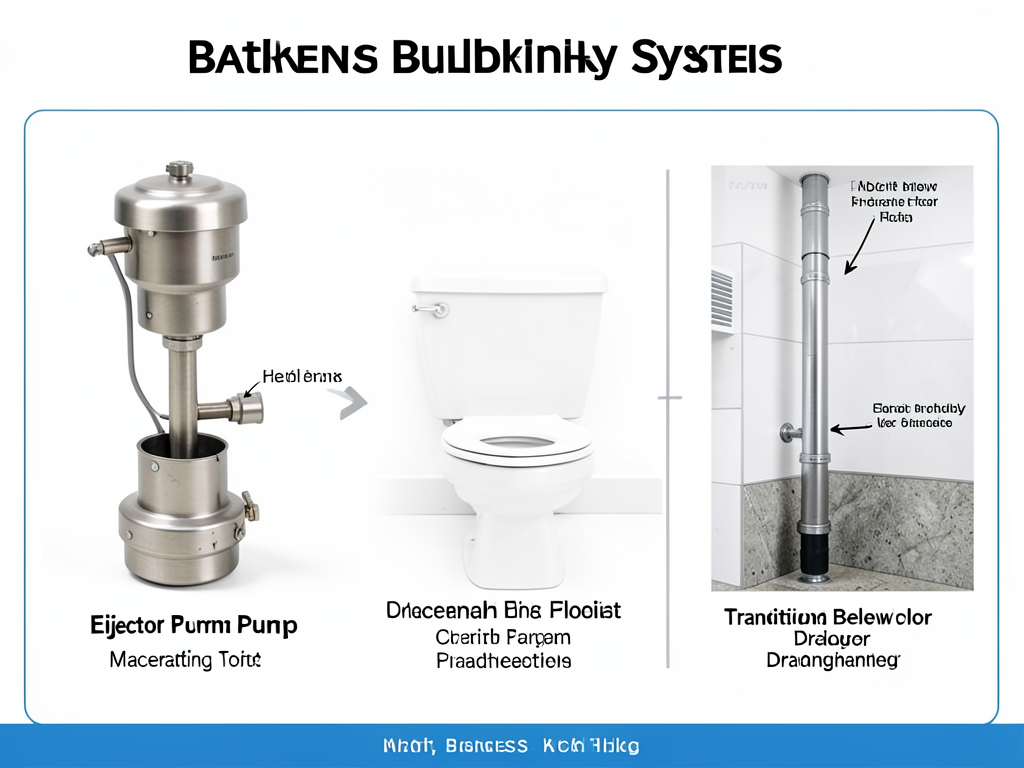
Each basement bathroom plumbing option has different cost implications, installation requirements, and long-term maintenance needs. Here’s how they compare:. Read more about Designing the Plumbing for Your New Home Spa and Sauna in Belle Haven.
| System Type | Initial Cost | Installation Complexity | Best For |
|---|---|---|---|
| Traditional Below-Floor | $$$-$$$$ | High | Full bathrooms, luxury finishes |
| Sewage Ejector Pump | $$$-$$$$ | Medium | Full baths, reliable performance |
| Upflush/Macerating Toilet | $$$-$$$ | Low | Half baths, tight spaces |
| Pressure-Assisted Toilet | $$ | Low | Half baths only, budget option |
Traditional Below-Floor Drainage
This method involves breaking through your basement concrete slab to install drain pipes that connect to your main sewer line. The process requires jackhammering, digging trenches, and installing new plumbing lines that run below the floor level. Emergency Sewer Backup Cleanup.
While this is the most traditional approach, it’s also the most expensive and disruptive. The concrete demolition creates dust and noise, and you’ll need to patch and refinish the floor afterward. For Glenville homes with finished basements, this means removing flooring, wall coverings, and potentially relocating furniture.. Read more about What to Consider Before Moving Your Laundry Room to the Main Floor in Glenville.
The advantage is that this system works exactly like upstairs plumbing, with reliable gravity drainage and no mechanical parts to maintain. However, the cost often runs $8,000 to $15,000 or more, depending on your basement’s layout and the distance to the main sewer line.
Sewage Ejector Pump Systems
Ejector pump systems are the gold standard for basement bathrooms that need to handle multiple fixtures. These systems use a buried tank or pit that collects wastewater from your toilet, sink, and shower. When the water reaches a certain level, a pump automatically activates to push the waste up to the main sewer line. Overflowing Toilet Repair.
The installation involves creating a sump pit in your basement floor, connecting all bathroom fixtures to this pit, and installing the ejector pump with proper venting. The pump itself sits in the pit and activates automatically when needed. Most systems include a check valve to prevent backflow and a vent pipe that connects to your home’s main plumbing vent.. Read more about Installing a Custom Dog Wash Station in Your Greenwich Mudroom (What to Know First).
For Glenville homes, ejector pumps offer reliable performance even during heavy rainfall when the water table is high. The sealed system prevents groundwater from entering your bathroom plumbing, and the automatic operation means no manual intervention is required.
Installation costs typically range from $4,000 to $8,000, making this a mid-range option that balances cost with reliability. The system requires occasional maintenance, including checking the pump operation and cleaning the pit, but most homeowners find this minimal compared to the benefits.
Upflush/Macerating Toilet Systems
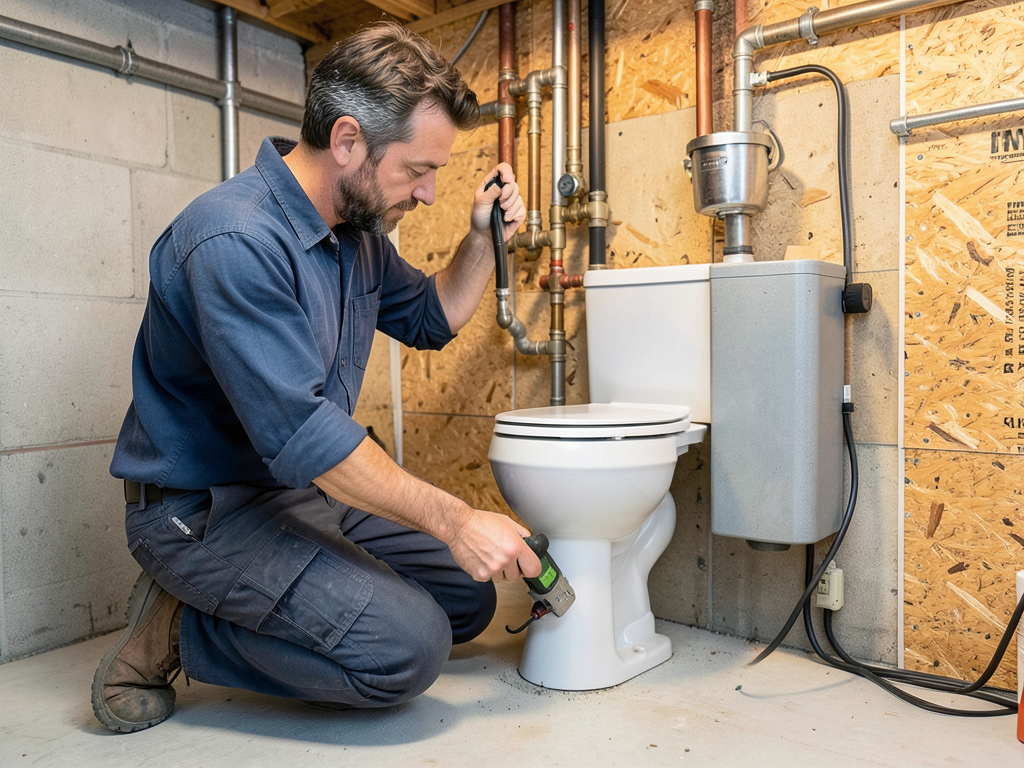
Macerating toilet systems, commonly known by the brand name Saniflo, offer the most cost-effective solution for adding a bathroom without breaking concrete. These systems use a pump and grinding mechanism to process waste and pump it through small-diameter pipes to your main drain line.. Read more about Adding a Wet Bar to Your Riverside Home Office (Plumbing Costs and Requirements).
The key advantage is that macerating systems can pump waste vertically up to 12 feet and horizontally up to 150 feet through 3/4-inch pipes. This means you can install the bathroom almost anywhere in your basement without worrying about the location of your main sewer line.
Installation is straightforward: the macerating unit sits behind or below the toilet and connects to the toilet, sink, and shower. When you flush, the unit grinds the waste into a fine slurry and pumps it through the pipes. The entire system typically costs $2,000 to $4,000, including the unit and installation.
For Glenville homeowners adding a half bath or small bathroom, macerating systems offer the best combination of affordability and convenience. The main limitation is that they work best for one or two fixtures and may not handle the volume of a full family bathroom with multiple simultaneous users.
Pressure-Assisted Toilets
Pressure-assisted toilets use compressed air to force waste through the plumbing system. While these can work in some basement applications, they have significant limitations. They only handle toilet waste, not sink or shower drainage, and they require a minimum water pressure to operate effectively.
These systems are the least expensive option, often costing $1,000 to $2,000 installed. However, they’re really only suitable for half baths where you need a toilet and sink but don’t plan to add a shower or tub.
For most Glenville basement bathroom projects, pressure-assisted toilets are too limited to be practical. They don’t solve the drainage problem for multiple fixtures and may not provide reliable performance in homes with variable water pressure.
Greenwich Building Codes and Permit Requirements
The Town of Greenwich Building Department has specific requirements for basement bathroom installations that go beyond standard plumbing permits. Understanding these requirements before you start your project can prevent costly delays and ensure your new bathroom passes inspection.
Connecticut State Building Code Section 312 covers sanitary drainage and requires that all basement bathroom fixtures connect to an approved drainage system. For ejector pump installations, you’ll need to demonstrate that the system can handle the expected wastewater volume and that proper venting is in place. Connecticut State Building Code.
Permit requirements include detailed plumbing plans showing fixture locations, drain sizes, vent connections, and pump specifications. The building department will review these plans to ensure compliance with local codes before issuing permits. Inspections are required at rough-in (before walls are closed) and final stages.
For Glenville specifically, the high water table in many areas means additional requirements for sump pump systems. You may need to install a check valve to prevent backflow during heavy rains, and the ejector pit must be sealed to prevent groundwater infiltration.
Working with a licensed Connecticut plumber who understands local requirements is essential. They can help you navigate the permit process, ensure your plans meet code requirements, and schedule inspections at the appropriate times.
Cost Analysis and ROI for Glenville Property Values
Adding a bathroom to your basement in Glenville can significantly increase your home’s value and functionality. The return on investment varies based on the quality of the installation and the current market conditions in Fairfield County.. Read more about How to Add a Bidet Function to Your Current Toilet Without a Full Remodel.
According to recent real estate data, homes in Glenville with finished basements and additional bathrooms typically sell for 10-15% more than comparable homes without these features. The exact increase depends on factors like the bathroom’s quality, the overall basement finish level, and the specific neighborhood within Glenville.
Cost recovery for basement bathroom additions in this area averages 60-80% of the installation cost when the home is sold. This means a $5,000 bathroom addition could increase your home’s value by $3,000 to $4,000, with the remaining value coming from improved livability and marketability.
Beyond direct financial returns, a basement bathroom adds significant functional value. It provides privacy for guests, convenience for family members, and flexibility for future use. In Glenville’s competitive real estate market, these features can make your home stand out to potential buyers.
Energy efficiency is another consideration. Modern plumbing fixtures use less water than older models, which can reduce your utility bills over time. Low-flow toilets, efficient showerheads, and properly sized water heaters all contribute to long-term savings.
Frequently Asked Questions
Do I need a backwater valve for my basement bathroom?
Yes, most Greenwich building codes require backwater valves for basement plumbing installations. These valves prevent sewage from backing up into your basement during heavy rainfall or municipal sewer system overloads. The valve installs in your main sewer line and only allows water to flow in one direction.
How do I vent a basement bathroom properly?
Proper venting is critical for basement bathroom plumbing. The vent pipe must connect to your home’s main vent stack or exit through the roof independently. For ejector pump systems, the vent also serves to release air pressure during pump operation. Incorrect venting can cause slow drainage, gurgling sounds, and even trap siphonage.
Can I install a basement bathroom myself to save money?
While DIY installation might seem cost-effective, basement bathroom plumbing requires expertise in drainage, venting, and electrical systems. Mistakes can lead to flooding, sewage backups, or code violations that cost far more to fix than professional installation. Plus, unpermitted work can cause problems when selling your home. Expert Boiler Repair for Historic Greenwich Homes.
How long does basement bathroom installation take?
Installation time varies by system type. Macerating systems can often be installed in 1-2 days. Ejector pump systems typically take 2-4 days, including permit waiting periods. Traditional below-floor installations may take a week or more due to concrete work and drying times.
What maintenance do basement bathroom systems require?
Macerating systems need annual cleaning and occasional pump maintenance. Ejector pumps require checking the float switch operation, cleaning the pit, and testing the alarm system if equipped. Traditional systems need the same maintenance as upstairs plumbing plus occasional drain cleaning due to longer pipe runs.
Call (475) 320-3733 today to schedule your inspection and get a free estimate for your Glenville basement bathroom project. Our licensed plumbers understand local building codes and can recommend the most cost-effective solution for your specific situation.
Don’t let plumbing challenges keep you from maximizing your basement space. With the right system and professional installation, you can add a beautiful, functional bathroom to your Glenville home without breaking the bank or your basement floor.
You may also find this helpful. Choosing Between a Wall-Hung or Floor-Mounted Toilet for Your Next Renovation.
You may also find this helpful. The True Cost of Upgrading to a Double Vanity in Your Greenwich Master Bath.
{
“@context”: “https://schema.org”,
“@type”: “BlogPosting”,
“headline”: “Adding a Bathroom to Your Finished Basement in Glenville Without Breaking the Bank”,
“description”: “Learn the most cost-effective basement bathroom plumbing options for Glenville homes. Compare ejector pumps, macerating toilets, and local permit requirements.”,
“wordCount”: 1769,
“datePublished”: “2026-04-30T07:11:00.000Z”,
“dateModified”: “2026-04-30T07:11:00.000Z”,
“inLanguage”: “en-US”,
“mainEntityOfPage”: {
“@type”: “WebPage”,
“@id”: “https://unitedplumbinggreenwich.com”
},
“publisher”: {
“@type”: “LocalBusiness”,
“name”: “United Plumbing Greenwich”,
“url”: “https://unitedplumbinggreenwich.com”
},
“author”: {
“@type”: “Organization”,
“name”: “United Plumbing Greenwich”,
“url”: “https://unitedplumbinggreenwich.com”
},
“image”: {
“@type”: “ImageObject”,
“url”: “https://unitedplumbinggreenwich.com/wp-content/uploads/2026/03/adding-a-bathroom-to-your-finished-basement-in-gle-1.png”
}
}
{
“@context”: “https://schema.org”,
“@type”: “Plumber”,
“name”: “United Plumbing Greenwich”,
“url”: “https://unitedplumbinggreenwich.com”,
“address”: {
“@type”: “PostalAddress”,
“addressLocality”: “Greenwich”
},
“areaServed”: {
“@type”: “City”,
“name”: “Greenwich”
}
}
{
“@context”: “https://schema.org”,
“@type”: “FAQPage”,
“mainEntity”: [
{
“@type”: “Question”,
“name”: “Do I need a backwater valve for my basement bathroom?”,
“acceptedAnswer”: {
“@type”: “Answer”,
“text”: “Yes, most Greenwich building codes require backwater valves for basement plumbing installations. These valves prevent sewage from backing up into your basement during heavy rainfall or municipal sewer system overloads. The valve installs in your main sewer line and only allows water to flow in one direction.”
}
},
{
“@type”: “Question”,
“name”: “How do I vent a basement bathroom properly?”,
“acceptedAnswer”: {
“@type”: “Answer”,
“text”: “Proper venting is critical for basement bathroom plumbing. The vent pipe must connect to your home’s main vent stack or exit through the roof independently. For ejector pump systems, the vent also serves to release air pressure during pump operation. Incorrect venting can cause slow drainage, gurgling sounds, and even trap siphonage.”
}
},
{
“@type”: “Question”,
“name”: “Can I install a basement bathroom myself to save money?”,
“acceptedAnswer”: {
“@type”: “Answer”,
“text”: “While DIY installation might seem cost-effective, basement bathroom plumbing requires expertise in drainage, venting, and electrical systems. Mistakes can lead to flooding, sewage backups, or code violations that cost far more to fix than professional installation. Plus, unpermitted work can cause problems when selling your home. Expert Boiler Repair for Historic Greenwich Homes.”
}
},
{
“@type”: “Question”,
“name”: “How long does basement bathroom installation take?”,
“acceptedAnswer”: {
“@type”: “Answer”,
“text”: “Installation time varies by system type. Macerating systems can often be installed in 1-2 days. Ejector pump systems typically take 2-4 days, including permit waiting periods. Traditional below-floor installations may take a week or more due to concrete work and drying times.”
}
},
{
“@type”: “Question”,
“name”: “What maintenance do basement bathroom systems require?”,
“acceptedAnswer”: {
“@type”: “Answer”,
“text”: “Macerating systems need annual cleaning and occasional pump maintenance. Ejector pumps require checking the float switch operation, cleaning the pit, and testing the alarm system if equipped. Traditional systems need the same maintenance as upstairs plumbing plus occasional drain cleaning due to longer pipe runs.”
}
}
]
}
{
“@context”: “https://schema.org”,
“@type”: “BreadcrumbList”,
“itemListElement”: [
{
“@type”: “ListItem”,
“position”: 1,
“name”: “Home”,
“item”: “https://unitedplumbinggreenwich.com”
},
{
“@type”: “ListItem”,
“position”: 2,
“name”: “Blog”,
“item”: “https://unitedplumbinggreenwich.com/blog”
},
{
“@type”: “ListItem”,
“position”: 3,
“name”: “Adding a Bathroom to Your Finished Basement in Glenville Without Breaking the Bank”
}
]
}
{
“@context”: “https://schema.org”,
“@type”: “Service”,
“serviceType”: “Plumbing”,
“provider”: {
“@type”: “LocalBusiness”,
“name”: “United Plumbing Greenwich”,
“url”: “https://unitedplumbinggreenwich.com”
},
“areaServed”: {
“@type”: “City”,
“name”: “Greenwich”
},
“description”: “Learn the most cost-effective basement bathroom plumbing options for Glenville homes. Compare ejector pumps, macerating toilets, and local permit requirements.”
}