


menu

Benefits of Water Softeners in Greenwich – Protect Your Plumbing and Cut Energy Costs Fast

Discover how water softening systems extend appliance lifespan, reduce monthly utility bills, and eliminate scale buildup unique to Greenwich's hard water supply.

Slider Image 1
Slider Image 2
Slider Image 3
Slider Image 4
Slider Image 5
Slider Image 7
Slider Image 8
Slider Image 9
Slider Image 10
Slider Image 11

Why Greenwich Homeowners Fight Hard Water Every Day

Greenwich sits in southwestern Connecticut, where the local aquifer pulls water through limestone and mineral-rich bedrock. This geology creates some of the hardest water in Fairfield County. You see the evidence on your faucets, in your shower doors, and inside your water heater tank.

Hard water carries dissolved calcium and magnesium. These minerals crystallize into scale when water heats up. That white crust builds up inside pipes, clogs aerators, and coats heating elements. Your water heater works harder to heat the same amount of water. Your dishwasher leaves spots on glassware. Your shower pressure drops because mineral deposits choke the fixtures.

The advantages of water softening systems go beyond cleaner dishes. Soft water prevents the chemical reaction that creates soap scum. Your soap and detergent actually dissolve instead of bonding with minerals. You use less product and get better results. Your skin feels different after a shower because soft water rinses cleanly.

The pros of water softeners become clear when you examine appliance longevity. A water heater operating on hard water builds a thick layer of scale on the heating element. That insulating layer forces the element to run longer, consuming more electricity or gas. The Department of Energy found that scale buildup reduces efficiency by up to 25 percent. Soft water keeps heating elements clean and efficient.

Greenwich homes built before 1990 often have galvanized steel pipes. Hard water accelerates corrosion in these systems. The reasons to install a water softener include protecting your existing plumbing infrastructure. Soft water extends pipe life and maintains consistent water pressure throughout your home.

Why Greenwich Homeowners Fight Hard Water Every Day
How Water Softening Transforms Your Home's Plumbing System

How Water Softening Transforms Your Home's Plumbing System

A water softener removes hardness minerals through ion exchange. The system contains a resin tank filled with tiny polymer beads. These beads carry a negative charge and attract positively charged calcium and magnesium ions. As hard water flows through the resin bed, the minerals stick to the beads. Sodium ions release into the water stream in exchange.

The advantages of soft water appear immediately in your hot water system. Scale stops forming on heating elements and tank walls. Your water heater reaches target temperature faster and maintains it with less energy. The average water heater lasts 8 to 12 years on hard water. That same unit can operate efficiently for 15 years or more with soft water.

United Plumbing Greenwich sizes water softeners based on your household's specific water hardness and daily usage. We test your incoming water supply to measure grains per gallon of hardness. Greenwich municipal water typically measures between 10 and 15 grains per gallon. Well water in Riverside or Byram can exceed 20 grains per gallon.

The hard water treatment benefits extend to every fixture and appliance. Your washing machine uses less detergent and produces cleaner clothes. Your coffee maker and ice maker stop developing mineral buildup. Faucet aerators maintain consistent flow rates. Shower heads deliver full pressure without clogging.

The regeneration cycle happens automatically, usually at night when water demand drops. The system backwashes the resin bed with a concentrated salt solution from the brine tank. This process strips accumulated minerals from the resin beads and flushes them down the drain. The beads recharge and return to active duty. Modern softeners monitor water usage and regenerate only when needed, conserving both salt and water.

What Happens During Your Water Softener Installation

Benefits of Water Softeners in Greenwich – Protect Your Plumbing and Cut Energy Costs Fast
01

Water Quality Testing

We test your water supply at the point of entry to measure hardness levels, iron content, and pH. Greenwich homes connected to Aquarion Water Company face different mineral profiles than properties drawing from private wells in Belle Haven or Stanwich. We analyze the specific minerals in your water to select the correct resin type and regeneration schedule. This testing determines the exact grain capacity your household needs.
02

System Sizing and Placement

We calculate daily water consumption based on household size and usage patterns. A family of four typically uses 300 to 400 gallons per day. We install the softener after your main shutoff valve but before any branch lines split off to fixtures. The brine tank needs floor space and access to a drain line. We verify adequate water pressure for backwash cycles and ensure the installation meets Connecticut Plumbing Code Section 607.2.
03

Startup and Programming

We program the control valve with your specific hardness level and set regeneration timing based on actual usage data. The system flushes the resin bed to remove manufacturing residue and fine particles. We verify bypass valve operation and test the brine draw cycle. You receive documentation of your system's capacity, regeneration schedule, and salt requirements. We show you how to add salt to the brine tank and interpret the control panel.

Why Greenwich Homeowners Trust Local Water Treatment Expertise

United Plumbing Greenwich understands the specific water conditions affecting homes from Old Greenwich to Glenville. We work daily with the mineral composition coming from both Aquarion's treatment plants and the private wells dotting the backcountry. This experience matters when selecting equipment that handles your exact water chemistry.

Greenwich building inspectors enforce strict plumbing codes for water treatment installations. We know the permit requirements for backflow prevention and drain line connections. Many national chain installers miss local code details specific to Connecticut. We pull permits when required and schedule inspections to keep your installation compliant.

The advantages of water softening systems multiply when the installation meets manufacturer specifications. We position equipment to prevent freeze damage in unheated spaces. We verify adequate electrical supply for electronic control valves. We install proper drain air gaps to prevent contamination of your potable water supply.

Greenwich homes built in the early 1900s present unique challenges. Many properties in Belle Haven and Riverside feature original copper plumbing with soldered joints. We assess your existing system before recommending equipment. Some historic homes need pressure regulation or additional filtration alongside the softener.

We stock replacement parts for major softener brands. When your brine tank develops a crack or your control valve fails, we carry the components to repair it quickly. National service companies often need days to ship parts. We maintain local inventory because Greenwich homeowners expect same-day or next-day service.

The pros of water softeners include reduced maintenance across your entire plumbing system. We track your installation and send maintenance reminders based on your household's water usage. Regular salt level checks and periodic resin bed cleaning keep your system operating at peak efficiency. Our maintenance plans prevent the buildup issues that shorten equipment life.

What You Can Expect from Professional Water Softener Service

Installation Timeline and Scheduling

Most residential water softener installations take four to six hours from start to finish. We schedule appointments in morning or afternoon blocks to fit your availability. Our trucks carry common components, so we complete the installation in a single visit. If your home needs additional plumbing modifications, we provide a clear timeline before starting work. We work around your schedule because we know Greenwich homeowners value their time. Emergency installations for severe scale problems can happen within 24 hours of your call.

Initial Consultation and Assessment

We start with a water test at your kitchen sink and an inspection of your main water line. You receive a printed analysis showing exact hardness levels and any additional contaminants. We measure available space for equipment and verify drain access. We explain the differences between salt-based ion exchange systems and salt-free conditioners. You get a written estimate detailing equipment costs, installation labor, and any necessary plumbing modifications. We answer questions about ongoing salt costs and maintenance requirements before you commit to the installation.

Performance Results You Will Notice

You will see cleaner dishes within the first wash cycle. Soap lathers more easily in your shower. White scale stops forming on faucets and shower doors. Your water heater operates more quietly because the heating element stops building mineral crust. Monthly energy bills decrease as your water heater reaches temperature faster. Appliances like dishwashers and washing machines deliver better cleaning results with less detergent. The reasons to install a water softener become obvious when you compare your before and after water quality. Most Greenwich homeowners notice reduced soap and shampoo usage within the first month.

Maintenance and Long-Term Support

Water softeners need salt additions every four to eight weeks, depending on usage. We show you how to check salt levels and add bags to the brine tank. The resin bed should be cleaned annually to remove iron buildup and maintain efficiency. We offer annual service visits that include resin cleaning, control valve inspection, and brine tank sanitization. Most quality softeners operate for 15 to 20 years with proper maintenance. We keep service records for your system and send reminders when maintenance is due. If you experience any drop in water quality or notice hard water symptoms returning, we respond quickly to diagnose and repair the issue.

Frequently Asked Questions

You Have Questions,
We Have Answers

What are the downsides of a water softener? +

Water softeners increase sodium content in your drinking water, which can be a concern if you're on a low-sodium diet. They require ongoing maintenance, including regular salt refills and occasional resin bed cleaning. You'll also need electricity to run the system, and the regeneration cycle uses additional water, which can increase utility costs. In Greenwich, older homes with galvanized pipes may experience accelerated corrosion from softened water. Some people dislike the slippery feel of softened water on their skin. If you have well water, discharge from regeneration cycles may need special handling to comply with local septic system regulations.

Is it healthier to drink hard or soft water? +

Neither is inherently healthier. Hard water contains calcium and magnesium, which provide trace minerals your body needs. These minerals are beneficial but not significant enough to meet daily requirements through drinking water alone. Soft water contains slightly more sodium due to the ion exchange process, but the increase is minimal for most people. If you have high blood pressure or cardiovascular concerns, consult your doctor about sodium intake from softened water. Many Greenwich residents install a separate cold water line to the kitchen sink for drinking and cooking, giving you hard water for consumption while enjoying soft water benefits throughout the rest of your home.

Does water softener have health benefits? +

Water softeners provide indirect health benefits. Soft water prevents soap scum and mineral buildup on your skin, which can reduce irritation for people with eczema or sensitive skin. You'll use less soap and shampoo, exposing yourself to fewer harsh chemicals. Soft water also prevents scale buildup in pipes and appliances, reducing potential lead or copper leaching from corroded plumbing. In Greenwich's humid climate, soft water helps prevent mold growth on bathroom surfaces by eliminating the mineral deposits that trap moisture. Your water heater operates more efficiently without scale buildup, reducing the risk of bacterial growth in sediment layers.

Who should not drink softened water? +

People on sodium-restricted diets should consult their doctor before drinking softened water. The ion exchange process adds sodium, and while the amount is relatively small, it can add up for individuals managing hypertension, heart disease, or kidney problems. Infants preparing formula should use unsoftened or bottled water, as their sodium tolerance is lower. If you're in one of these categories, consider installing a reverse osmosis system at your kitchen tap or maintaining one unsoftened water line for drinking and cooking. Greenwich residents with private wells should test their water hardness level first to determine actual sodium increase after softening.

Why are states banning water softeners? +

Some states restrict salt-based water softeners due to environmental concerns about chloride discharge into wastewater systems and groundwater. Chloride from regeneration cycles can damage aquatic ecosystems and is difficult to remove at treatment plants. California, Massachusetts, and parts of Texas have implemented bans or restrictions in specific municipalities. Connecticut has not banned water softeners statewide, and Greenwich allows them. However, you should check discharge regulations if you have a septic system. Alternative options include salt-free conditioners or potassium chloride instead of sodium chloride. These systems prevent scale without adding sodium or chloride to wastewater, making them environmentally friendly choices.

How long does a 40 lb bag of water softener salt last? +

A 40-pound bag lasts one to three months for an average household, depending on water hardness and daily usage. Greenwich water hardness varies by location, with well water often harder than municipal supply. A family of four using 300 gallons daily with moderately hard water will use roughly one bag every six to eight weeks. Larger families or homes with very hard well water may need salt monthly. Your softener's settings and efficiency rating also affect salt consumption. Check your brine tank monthly and refill when salt drops to the quarter-full mark. High-efficiency softeners use less salt per regeneration cycle, reducing long-term costs.

Can you brush your teeth with softened water? +

Yes, brushing your teeth with softened water is completely safe and often preferable. Soft water creates better lather with toothpaste, helping you clean more effectively. The sodium content is minimal and you're not ingesting significant amounts while brushing. Many Greenwich residents appreciate how soft water rinses more thoroughly, leaving less residue on teeth and gums. The main difference you'll notice is the texture and feel compared to hard water. Some people prefer the taste of hard water for drinking but find soft water perfectly acceptable for oral hygiene. If you have specific health concerns about sodium, discuss them with your dentist or doctor.

What are 5 signs of hard water? +

White chalky residue on faucets and showerheads signals hard water mineral buildup. Soap and shampoo won't lather easily, requiring you to use more product. You'll notice stiff, scratchy laundry even after washing, and colors fade faster. Dishes and glassware develop cloudy spots and film that won't wipe clean. Your skin feels dry and itchy after showering, and hair appears dull or brittle. Greenwich homes, particularly those on well water, often experience these issues. You may also notice reduced water pressure as scale accumulates inside pipes. Water heaters lose efficiency and fail prematurely due to sediment buildup in the tank.

What is the #1 healthiest water to drink? +

Filtered tap water provides the healthiest option for most people. Municipal water in Greenwich undergoes rigorous testing and treatment to meet safety standards. Adding a quality filtration system removes chlorine, sediment, and potential contaminants while retaining beneficial minerals. Reverse osmosis systems provide the most thorough filtration but remove all minerals. Spring water offers natural mineral content but varies in quality depending on the source. Avoid relying solely on bottled water due to environmental impact and inconsistent regulation. The best choice depends on your local water quality, health needs, and taste preferences. Test your water to identify specific concerns, then choose appropriate filtration.

Who should not use a water softener? +

People on strict sodium-restricted diets should avoid drinking softened water or use potassium chloride instead of salt. Homes with lead or copper pipes may want to reconsider, as soft water's lower pH can increase metal leaching. If you have a septic system, consult a professional about whether discharge from regeneration cycles will overload your drain field. Renters should get landlord permission before installing a softener. Greenwich residents satisfied with their current water quality may not need a softener unless experiencing specific hard water problems. If you prefer the taste of hard water for drinking, install a dedicated unsoftened line to your kitchen sink while softening water elsewhere.

How Greenwich's Water Supply Makes Softeners Essential for Appliance Protection

Greenwich receives municipal water from the Aquarion Water Company, which sources from reservoirs and groundwater wells throughout Fairfield County. The limestone bedrock common to this region naturally increases calcium and magnesium content. Properties in the backcountry relying on private wells often measure even higher hardness levels because water sits longer in contact with mineral deposits. The advantages of soft water become critical when you consider that Greenwich homes often contain expensive fixtures and high-end appliances. A Miele dishwasher or Sub-Zero refrigerator ice maker will fail prematurely when exposed to hard water scale. The hard water treatment benefits protect your investment in quality appliances and preserve the value of your home.

United Plumbing Greenwich maintains relationships with local suppliers and stays current with Connecticut plumbing code updates. We understand the permit requirements specific to Greenwich's building department. When we install water treatment equipment, we know which installations need backflow prevention devices and which drain connections require air gaps. This local knowledge prevents code violations that can delay closings during home sales. Greenwich homeowners expect service providers who understand the community's standards. We have worked in neighborhoods from Cos Cob to Riverside, and we recognize the plumbing challenges unique to homes built in different eras across town.
Plumbing Services in The Greenwich Area

We are proud to serve the community of Greenwich and the surrounding areas. Our local presence allows us to respond quickly to your plumbing needs, whether it's an emergency repair or a scheduled installation. View our location on the map and see our full service area to find out if we can come to your rescue. We're your trusted neighbors, always ready to lend a helping hand.

Address:
United Plumbing Greenwich, 88 Field Point Rd, Greenwich, CT, 06830

Additional Services We Offer

Our news updates

Latest Articles & News from The Blogs

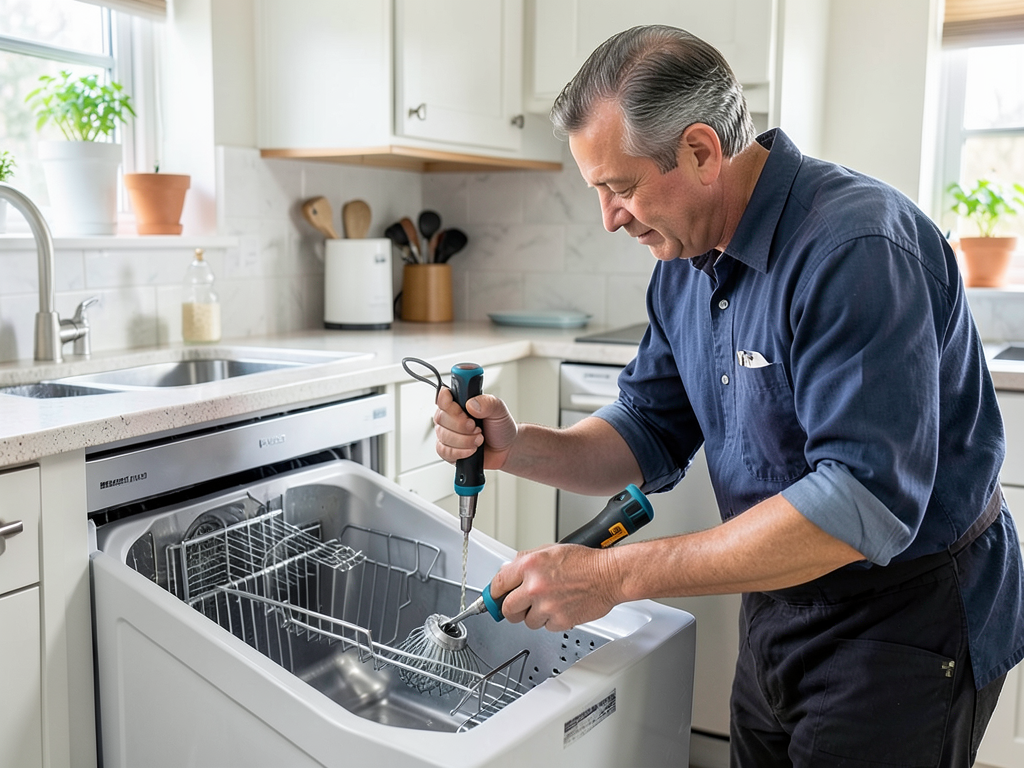
Why Your New Dishwasher Is Not Draining Properly and How to Fix the Air Gap Standing water in your new…

Why Your New Dishwasher Is Not Draining Properly (and How to Fix the Air Gap)

Why Your New Dishwasher Is Not Draining Properly and How to Fix the Air Gap Standing water in your new…

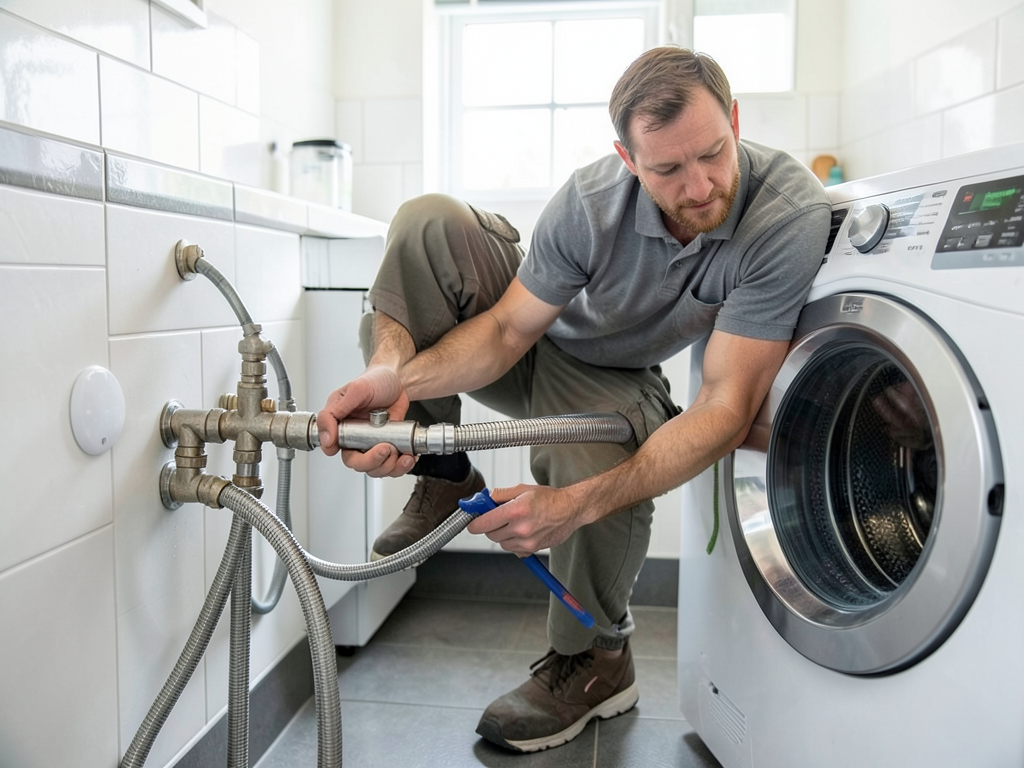
The One Small Part in Your Laundry Room That Could Flood Your Entire Greenwich Home

The One Small Part in Your Laundry Room That Could Flood Your Entire Greenwich Home Old washing machine hoses are…

How to Get Rid of That Rotten Egg Smell Coming from Your Mianus Drains

How to Get Rid of That Rotten Egg Smell Coming from Your Mianus Drains That rotten egg smell coming from…

Contact Us

Call United Plumbing Greenwich at (475) 320-3733 to book your free water hardness analysis. We will test your supply, explain your options, and provide a written estimate. Stop fighting scale buildup and high energy bills.