
Choosing Between a Wall-Hung or Floor-Mounted Toilet for Your Next Renovation
Deciding between a wall-hung and floor-mounted toilet is one of the first choices you will make when planning a bathroom renovation in Greenwich. Both options have clear benefits and trade-offs that affect installation cost, maintenance access, and the overall look of your space. This guide breaks down the differences so you can make a confident choice that fits your home, budget, and local building requirements. Overflowing Toilet Repair.
Wall-Hung Toilets: The Modern Minimalist Choice
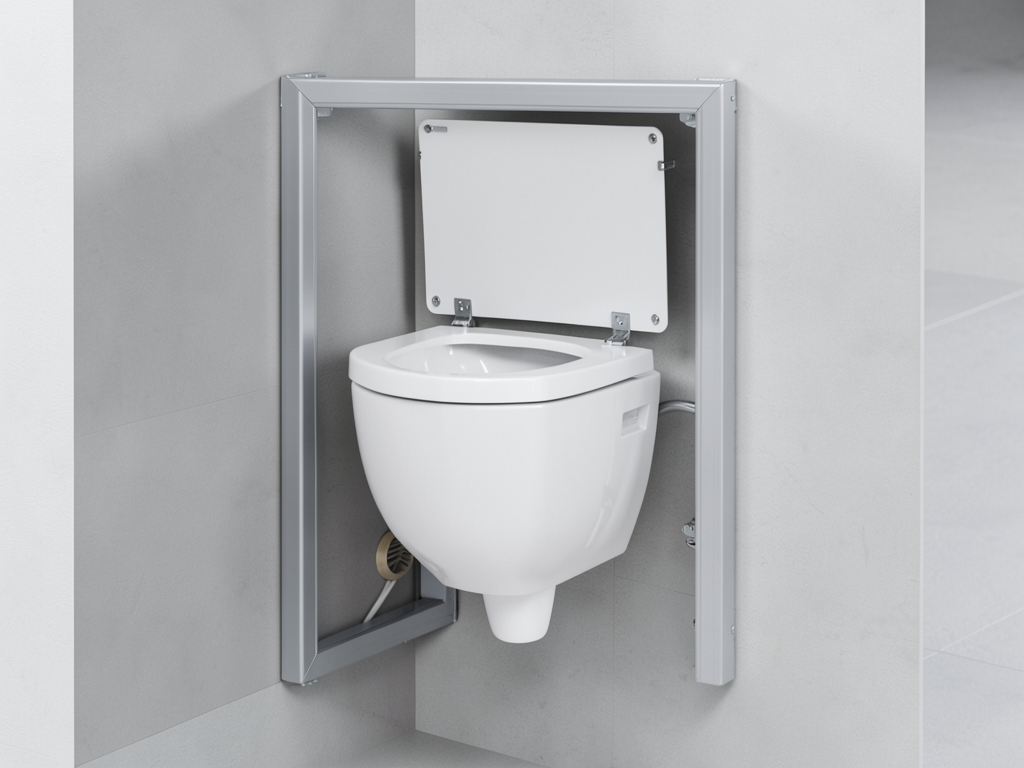
Wall-hung toilets mount to a steel frame hidden inside the wall with a concealed cistern. The bowl appears to float above the floor, creating a sleek, open look. This design makes cleaning easier since you can mop underneath without obstacles. Height can be adjusted during installation to suit users of different sizes.
Pros
- Space-saving design frees floor area
- Easy to clean around the base
- Adjustable mounting height
- Modern, minimalist appearance
Cons
- Higher installation cost due to frame and concealed cistern
- Requires reinforced wall framing to support up to 400 kg of load
- Access for repairs involves removing the wall panel
Technical Data
Standard wall-hung frames from brands like Geberit or Grohe require a minimum wall cavity depth of 12 cm (4.7 in) and must be anchored to structural studs. In Greenwich’s older homes, this often means opening up plaster walls to add blocking or steel supports. The concealed cistern connects to the soil pipe at a 90-degree angle, which can complicate alignment in tight bathroom layouts.. Read more about Adding a Bathroom Anywhere with an Upflush Toilet System in Central Greenwich.
Floor-Mounted Toilets: The Traditional Reliable
Floor-mounted toilets bolt directly to the finished floor with an exposed trap and visible water supply line. They come in two main trap configurations: P-trap for horizontal outlet and S-trap for vertical outlet. This classic setup works in nearly any bathroom without major structural changes.
Pros
- Lower upfront cost and simpler installation
- Easy to access for maintenance or replacement
- No need for wall reinforcement
- Compatible with existing plumbing in most homes
Cons
- Larger footprint reduces open floor space
- Base area can trap dust and moisture
- Fixed height may not suit all users
Best for Period Properties
In Greenwich’s Victorian and Colonial homes, floor-mounted toilets are often the safer choice. These houses frequently have solid masonry walls and original floor joists that cannot easily be modified to hold a concealed frame. A floor-mounted unit avoids the risk of damaging historic plaster or compromising load-bearing walls.
Head-to-Head Comparison
| Feature | Wall-Hung Toilet | Floor-Mounted Toilet |
|---|---|---|
| Initial Cost | £600–£1,200 (unit + frame) | £150–£400 (unit only) |
| Installation Time | 6–8 hours (includes wall prep) | 2–4 hours (direct mount) |
| Maintenance Access | Requires wall panel removal | Direct access to base and supply |
| Space Requirements | Minimal floor footprint | Standard footprint 28–30 in wide |
Installation Considerations for Greenwich Properties
Greenwich homes vary widely in construction. Modern builds with timber stud walls can easily accommodate wall-hung frames, but many older properties have solid brick or plaster-and-lath walls. In these cases, installing a concealed cistern means cutting into masonry, adding steel reinforcement, and ensuring the wall cavity is deep enough for the frame and flush panel.
Soil pipe alignment is another critical factor. Greenwich’s combined sewer system requires that waste lines maintain a minimum slope of 1:40 (about 2.5%) to prevent blockages. If your bathroom is on an upper floor, the concealed cistern must connect to the existing stack without violating this slope requirement. This sometimes limits where a wall-hung toilet can be placed. Emergency Sewer Backup Cleanup.
Water pressure in Greenwich typically ranges from 1.5 to 3 bar, which is sufficient for most concealed cisterns. However, in homes with low pressure, a pumped flush system may be necessary to ensure reliable operation. Local building regulations under the Connecticut State Building Code require that all sanitary fixtures meet NSF/ANSI 61 standards for material safety and NSF/ANSI 372 for lead content. NSF/ANSI 61 and 372 standards.
Making the Right Choice for Your Renovation
Choose a wall-hung toilet if you want a modern look, have a stud wall that can be reinforced, and are comfortable with the higher installation cost. It is ideal for small bathrooms where every inch of floor space matters.
Choose a floor-mounted toilet if you prefer lower cost, need to match a historic home’s character, or want the simplest maintenance path. It is also the best option when your bathroom layout limits wall modifications.
Before deciding, have a licensed plumber assess your existing plumbing, wall construction, and local code requirements. This ensures your new toilet will function properly and comply with all regulations. Plumbing Stamford.
Frequently Asked Questions
Can I install a wall-hung toilet in a brick wall?
Yes, but it requires cutting into the masonry, adding a steel support frame, and ensuring the cavity depth meets the frame’s specifications. This work increases cost and complexity.
Does a wall-hung toilet save water?
The toilet itself uses the same amount of water per flush as a floor-mounted model. Water savings come from choosing a dual-flush cistern, which is available for both wall-hung and floor-mounted units.. Read more about Choosing Between Grohe and Rohl for Your Luxury Bathroom Faucets.
How do I access the cistern for repairs?
Wall-hung cisterns are hidden behind a removable access panel. The panel must be large enough to reach the fill valve, flush valve, and connections. Floor-mounted toilets allow direct visual and physical access to all components.
Are wall-hung toilets harder to install?
They require more preparation, including wall reinforcement and precise alignment of the frame. Installation time is typically double that of a floor-mounted toilet, and costs are higher due to the frame and labor.
Which option adds more value to my home?
A wall-hung toilet can enhance a modern bathroom’s appeal and may attract buyers looking for contemporary design. However, a well-chosen floor-mounted toilet in a period home can also add value by preserving the property’s character.
Ready to Upgrade Your Bathroom
Choosing the right toilet is just the first step in your bathroom renovation. Proper installation and compliance with local codes are essential for long-term performance. Call (475) 320-3733 today to schedule a site survey in Greenwich. Our licensed plumbers will evaluate your space, confirm structural requirements, and provide a clear quote so you can move forward with confidence. Emergency Plumbers in Greenwich Who Actually Answer the Phone at 3 AM.
Need Help Right Now
If you are dealing with an urgent plumbing issue or need advice before demolition begins, don’t wait. Pick up the phone and call (475) 320-3733. We respond quickly across Greenwich and surrounding areas to keep your project on track and your home safe. For more information, visit Connecticut State Building Code.
You may also find this helpful. How to Add a Bidet Function to Your Current Toilet Without a Full Remodel.
{
“@context”: “https://schema.org”,
“@type”: “BlogPosting”,
“headline”: “Choosing Between a Wall-Hung or Floor-Mounted Toilet for Your Next Renovation”,
“description”: “Compare wall-hung vs floor-mounted toilets for your Greenwich bathroom. Learn costs, installation, space needs, and local building code requirements.”,
“wordCount”: 1090,
“datePublished”: “2026-05-03T06:15:00.000Z”,
“dateModified”: “2026-05-03T06:15:00.000Z”,
“inLanguage”: “en-US”,
“mainEntityOfPage”: {
“@type”: “WebPage”,
“@id”: “https://unitedplumbinggreenwich.com”
},
“publisher”: {
“@type”: “LocalBusiness”,
“name”: “United Plumbing Greenwich”,
“url”: “https://unitedplumbinggreenwich.com”
},
“author”: {
“@type”: “Organization”,
“name”: “United Plumbing Greenwich”,
“url”: “https://unitedplumbinggreenwich.com”
},
“image”: {
“@type”: “ImageObject”,
“url”: “https://unitedplumbinggreenwich.com/wp-content/uploads/2026/03/choosing-between-a-wall-hung-or-floor-mounted-toil-1.png”
}
}
{
“@context”: “https://schema.org”,
“@type”: “Plumber”,
“name”: “United Plumbing Greenwich”,
“url”: “https://unitedplumbinggreenwich.com”,
“address”: {
“@type”: “PostalAddress”,
“addressLocality”: “Greenwich”
},
“areaServed”: {
“@type”: “City”,
“name”: “Greenwich”
}
}
{
“@context”: “https://schema.org”,
“@type”: “FAQPage”,
“mainEntity”: [
{
“@type”: “Question”,
“name”: “Can I install a wall-hung toilet in a brick wall?”,
“acceptedAnswer”: {
“@type”: “Answer”,
“text”: “Yes, but it requires cutting into the masonry, adding a steel support frame, and ensuring the cavity depth meets the frame’s specifications. This work increases cost and complexity.”
}
},
{
“@type”: “Question”,
“name”: “Does a wall-hung toilet save water?”,
“acceptedAnswer”: {
“@type”: “Answer”,
“text”: “The toilet itself uses the same amount of water per flush as a floor-mounted model. Water savings come from choosing a dual-flush cistern, which is available for both wall-hung and floor-mounted units.”
}
},
{
“@type”: “Question”,
“name”: “How do I access the cistern for repairs?”,
“acceptedAnswer”: {
“@type”: “Answer”,
“text”: “Wall-hung cisterns are hidden behind a removable access panel. The panel must be large enough to reach the fill valve, flush valve, and connections. Floor-mounted toilets allow direct visual and physical access to all components.”
}
},
{
“@type”: “Question”,
“name”: “Are wall-hung toilets harder to install?”,
“acceptedAnswer”: {
“@type”: “Answer”,
“text”: “They require more preparation, including wall reinforcement and precise alignment of the frame. Installation time is typically double that of a floor-mounted toilet, and costs are higher due to the frame and labor.”
}
},
{
“@type”: “Question”,
“name”: “Which option adds more value to my home?”,
“acceptedAnswer”: {
“@type”: “Answer”,
“text”: “A wall-hung toilet can enhance a modern bathroom’s appeal and may attract buyers looking for contemporary design. However, a well-chosen floor-mounted toilet in a period home can also add value by preserving the property’s character.”
}
}
]
}
{
“@context”: “https://schema.org”,
“@type”: “BreadcrumbList”,
“itemListElement”: [
{
“@type”: “ListItem”,
“position”: 1,
“name”: “Home”,
“item”: “https://unitedplumbinggreenwich.com”
},
{
“@type”: “ListItem”,
“position”: 2,
“name”: “Blog”,
“item”: “https://unitedplumbinggreenwich.com/blog”
},
{
“@type”: “ListItem”,
“position”: 3,
“name”: “Choosing Between a Wall-Hung or Floor-Mounted Toilet for Your Next Renovation”
}
]
}
{
“@context”: “https://schema.org”,
“@type”: “Service”,
“serviceType”: “Plumbing”,
“provider”: {
“@type”: “LocalBusiness”,
“name”: “United Plumbing Greenwich”,
“url”: “https://unitedplumbinggreenwich.com”
},
“areaServed”: {
“@type”: “City”,
“name”: “Greenwich”
},
“description”: “Compare wall-hung vs floor-mounted toilets for your Greenwich bathroom. Learn costs, installation, space needs, and local building code requirements.”
}