


menu

Commercial Repiping Services in Greenwich – Engineered for Zero Downtime and Long-Term Business Continuity

Industrial-grade commercial building repiping executed during off-hours to keep your operations running while upgrading water systems to meet Connecticut commercial code and eliminate the liability of corroded infrastructure.

Slider Image 1
Slider Image 2
Slider Image 3
Slider Image 4
Slider Image 5
Slider Image 7
Slider Image 8
Slider Image 9
Slider Image 10
Slider Image 11

Why Greenwich Commercial Properties Face Accelerated Pipe Degradation

Greenwich's proximity to Long Island Sound creates a unique problem for commercial plumbing infrastructure. Salt air infiltration accelerates corrosion in older copper and galvanized steel pipe systems, particularly in buildings near the waterfront districts along Greenwich Harbor and the Old Greenwich shoreline. Multi-story office buildings constructed before 1980 face compounding pressure issues as mineral buildup from Connecticut's moderately hard water restricts flow in vertical risers.

The consequence for your business is not subtle. Low water pressure disrupts food service operations. Pinhole leaks flood tenant spaces and trigger insurance claims. Discolored water creates liability exposure in medical offices and hospitality properties. When pipe failure occurs during business hours, you lose revenue while emergency crews tear into walls.

Commercial pipe replacement is not a convenience upgrade. It is infrastructure risk management. The cost of reactive emergency repairs dwarfs the cost of planned industrial repiping services. A burst main line in a retail space during peak hours means immediate closure, lost sales, potential mold remediation, and reputational damage that spreads through online reviews before you finish mopping.

Business pipe replacement eliminates the cascade of failures waiting inside your walls. Corroded pipes do not fail individually. They fail in sequence as pressure redistributes through weakened sections. A comprehensive commercial plumbing repipe removes the entire risk profile in one controlled project, executed on your schedule instead of the pipe's.

You cannot afford to operate a commercial property on aging plumbing infrastructure in a coastal climate. The question is not if your pipes will fail. The question is whether failure happens on your timeline or theirs.

Why Greenwich Commercial Properties Face Accelerated Pipe Degradation
How Commercial Building Repiping Protects Your Operations

How Commercial Building Repiping Protects Your Operations

United Plumbing Greenwich approaches commercial repiping as a surgical infrastructure replacement, not a demolition project. We isolate building zones to maintain partial water service while repiping active sections. Work occurs during your defined off-hours, whether that means overnight shifts for retail spaces or weekend execution for office buildings. Our crews stage materials off-site to minimize disruption to parking and deliveries.

We begin with a pressure test and camera inspection of your entire domestic water system. This identifies which sections require full replacement versus targeted repairs. In Greenwich commercial properties, we commonly find galvanized steel mains feeding copper branch lines, creating galvanic corrosion at transition points. These mixed-metal connections fail first and require complete removal.

For multi-story buildings, we repipe vertical risers first to restore consistent pressure across floors. Horizontal distribution lines follow in phases, allowing you to maintain operations in unaffected zones. We use Type L copper for durability in coastal environments, with dielectric unions at any steel-to-copper transitions to prevent future galvanic reactions. All connections are brazed, not soldered, to meet Connecticut commercial plumbing code for buildings over three stories.

Our industrial repiping services include coordination with your mechanical systems. We verify compatibility with existing boilers, water heaters, and backflow preventers. If your building uses a pressure booster system, we resize piping to match pump capacity and eliminate water hammer. Every connection point receives individual shut-off valves to simplify future maintenance and avoid building-wide shutdowns.

The final phase includes flow testing at every fixture, pressure balancing across floors, and thermal imaging to verify proper insulation on exposed pipes. You receive as-built drawings showing exact pipe routing for future renovations. This is how you repipe a commercial building without becoming a construction site.

How Your Commercial Repipe Project Unfolds

Commercial Repiping Services in Greenwich – Engineered for Zero Downtime and Long-Term Business Continuity
01

Building Assessment and Staging

We conduct a full building survey to map existing pipe routing, identify access points, and establish work zones that protect your operations. Our team coordinates with property management to schedule around tenant needs and delivery schedules. We create a phased work plan that maintains water service to critical areas like restrooms and kitchens. All materials arrive pre-cut and staged off-site to minimize on-property storage and disruption.
02

Controlled Pipe Replacement

Crews execute the repipe in defined zones, isolating sections with temporary shut-offs while adjacent areas remain operational. We remove corroded pipe through existing access panels where possible, cutting new openings only when necessary. Type L copper installation follows Connecticut commercial code, with all joints brazed and tested. Insulation goes on immediately to prevent condensation and energy loss. Each completed zone is pressure-tested and restored to service before moving to the next section.
03

System Commissioning and Documentation

After final connections are complete, we conduct a full-building pressure test and flow verification at every fixture. Balancing valves are adjusted to ensure consistent pressure across all floors. We provide as-built drawings showing pipe locations, valve positions, and shut-off points. Your maintenance team receives a walkthrough of the new system, including shut-off procedures and recommended inspection intervals. The building is returned to full operation with updated plumbing infrastructure designed for decades of reliable service.

Why Greenwich Commercial Properties Choose Local Repiping Expertise

Commercial plumbing work in Greenwich requires familiarity with the specific challenges of Fairfield County coastal construction. Buildings in the downtown business district and along the Post Road corridor were constructed across eight decades using different pipe materials and installation methods. A crew that understands how these systems were originally built can repipe them efficiently without causing collateral damage to finished spaces.

United Plumbing Greenwich has repiped office buildings, medical facilities, and multi-tenant retail properties throughout the area. We understand Connecticut commercial plumbing code requirements for backflow prevention, pressure regulation, and seismic bracing. Our relationships with local inspectors ensure smooth permit approval and final inspection. We know which suppliers stock commercial-grade materials and can deliver on short notice when project timelines compress.

Coastal salt air is not a theoretical concern in Greenwich. It is a measurable corrosion accelerator that determines which pipe materials will last and which will fail prematurely. We have removed enough corroded galvanized steel from buildings near the water to know that Type L copper with proper insulation is the only viable long-term solution. Properties further inland face different issues, primarily hard water scaling that requires different installation techniques and fixture selection.

Your commercial property is not a laboratory for experimenting with unfamiliar building systems. You need a crew that has repiped similar buildings in similar conditions and can predict where problems will emerge before they do. We provide references from commercial property managers in Greenwich who can verify our work quality and our ability to execute complex projects without disrupting their tenants.

Local expertise means we arrive with the right materials, the right equipment, and the right plan. No learning curve at your expense.

What Commercial Repiping Delivers to Your Property

Project Timeline and Scheduling

Commercial building repiping timelines depend on building size, pipe accessibility, and operational constraints. A single-story retail space may complete in one week of overnight shifts. A five-story office building requires phased execution over four to six weeks to maintain tenant water service. We provide a detailed schedule before work begins, with daily updates to property management. Projects are structured to avoid peak business hours and minimize tenant complaints. Emergency provisions maintain water service to restrooms and essential facilities throughout the project. Final completion includes a scheduled inspection date to close permits without delays.

Pre-Construction Inspection and Planning

Before any pipe is cut, we conduct a comprehensive building assessment using pressure testing and camera inspection to map your existing system. This identifies which sections require full replacement and which can remain in service. We review building plans to locate shut-off valves, understand riser routing, and identify potential access challenges. Our team meets with property management to establish work hours, staging areas, and communication protocols. You receive a written scope of work detailing every phase of the project, including temporary water service plans and contingencies for unexpected conditions. This planning phase eliminates surprises and keeps the project on schedule.

System Performance and Longevity

A properly executed commercial repipe transforms building water delivery. Tenants experience consistent pressure at all fixtures, elimination of discolored water, and quiet operation without water hammer or vibration. Type L copper installation with brazed joints provides a 50-plus year service life in coastal environments. Proper insulation prevents condensation and reduces energy loss on hot water lines. All work meets Connecticut commercial plumbing code and passes inspection on the first attempt. You receive updated building documentation showing exact pipe routing, which streamlines future renovations and reduces maintenance costs. The result is infrastructure you can forget about for decades.

Post-Installation Support and Maintenance

After project completion, we provide a comprehensive walkthrough for your maintenance team, covering shut-off valve locations, pressure regulator settings, and recommended inspection intervals. As-built drawings are delivered in both paper and digital formats for your property files. We remain available for any adjustment needs during the first 90 days as the system stabilizes and tenants adapt to improved water pressure. Annual maintenance plans are available to monitor pressure, inspect valves, and catch minor issues before they escalate. Our service department responds to commercial properties within four hours for any post-installation concerns, ensuring your investment continues performing as designed.

Frequently Asked Questions

You Have Questions,
We Have Answers

How much does it cost to repipe a 4000 square foot house? +

Commercial repiping costs for a 4000 square foot building in Greenwich depend on material choice, system complexity, and access. Copper systems typically run higher due to material and labor costs. PEX and CPVC offer cost-effective alternatives. Multi-story buildings or structures with difficult access points increase labor time. Greenwich's strict building codes require licensed contractors and proper permits, which add administrative costs. Businesses must also factor in downtime during the repipe. Water testing post-installation is standard. A detailed site assessment determines accurate pricing based on your building's specific plumbing configuration and code compliance needs.

What does commercial plumbing mean? +

Commercial plumbing refers to water supply and drainage systems in non-residential buildings like offices, retail centers, restaurants, hotels, and industrial facilities. These systems handle significantly higher water volume and pressure than residential setups. Commercial plumbing requires specialized fixtures, grease traps, backflow prevention devices, and compliance with stricter building codes. In Greenwich, commercial properties must meet Connecticut state plumbing codes and local ordinances. Systems are designed for heavy daily use and often include complex configurations like booster pumps, water heaters with large capacity, and sophisticated drainage networks. Commercial plumbers hold specific licensing and understand business continuity requirements.

How much does copper repiping cost compared to PEX? +

Copper repiping costs substantially more than PEX due to material pricing and labor intensity. Copper requires soldering at each joint, increasing installation time and labor costs. The material itself runs higher per linear foot. PEX uses faster push-fit or crimp connections, reducing labor hours. For commercial properties in Greenwich, copper offers superior durability and fire resistance, which some building codes mandate in certain applications. PEX provides flexibility and freeze resistance, valuable in Connecticut winters. Material choice depends on building type, local code requirements, and long-term ROI considerations. Both materials meet commercial standards when installed correctly.

Does repiping lower insurance? +

Repiping can reduce insurance premiums for commercial properties, but it depends on your carrier and policy terms. Older galvanized or polybutylene pipes increase risk of water damage claims, which drives premiums higher. Replacing outdated systems with modern copper or PEX piping demonstrates proactive risk management. Insurers view updated plumbing as lower liability. In Greenwich, where property values run high, water damage claims can be costly. Submit documentation of your repipe, including permits and inspections, to your insurance provider. Many carriers offer premium reductions for properties with updated systems less than 15 years old.

What is the most expensive plumbing job? +

Full commercial repiping ranks among the most expensive plumbing projects due to scope and complexity. Large buildings require extensive material, multiple access points, and significant labor hours. In Greenwich, projects involving historic buildings or multi-story commercial structures add complexity. Trenchless sewer line replacement also carries high costs due to specialized equipment. Commercial kitchen plumbing systems with grease interceptors and multiple fixtures require substantial investment. Emergency repairs involving foundation work or extensive water damage restoration can exceed standard repipe costs. The highest expenses occur when businesses must maintain operations during construction, requiring phased work and temporary systems.

How much does it cost to plumb a 2500 square foot house? +

Plumbing a 2500 square foot commercial space in Greenwich varies based on building use and fixture count. A basic office requires fewer fixtures than a restaurant or medical facility. Material selection affects pricing. Copper systems cost more than PEX or CPVC. Multi-story buildings require additional vertical piping and pressure considerations. Greenwich building codes mandate specific backflow prevention and water testing. New construction plumbing differs from retrofit work, which involves demolition and access challenges. Fixture count, water heater capacity, and drainage complexity all impact total investment. A licensed commercial plumber should assess your specific building requirements and provide detailed estimates.

Can a plumber make $100,000 a year? +

Licensed commercial plumbers in high-cost markets like Greenwich regularly earn six figures. Master plumbers with commercial licensing command higher rates due to specialized knowledge. Commercial work involves complex systems, code compliance expertise, and business liability. Plumbers who handle emergency service calls, own their businesses, or specialize in high-demand areas like medical gas systems or industrial plumbing increase earning potential. Greenwich's robust commercial sector and high property values support premium pricing for skilled trades. Experienced plumbers with strong reputations, proper licensing, and efficient operations achieve this income level. Commercial projects generate higher revenue than residential work.

Does commercial insurance cover plumbing issues? +

Commercial property insurance typically covers sudden and accidental plumbing failures, but excludes gradual damage from poor maintenance. Burst pipes from freezing or sudden breaks are usually covered. Slow leaks, corrosion, or damage from deferred maintenance get denied. In Greenwich, where freeze-thaw cycles stress plumbing systems, policies often require proof of regular maintenance. Business interruption coverage may compensate for lost revenue during repairs. Review your policy's water damage exclusions carefully. Some carriers require annual plumbing inspections for older buildings. Document all maintenance and repairs. Coverage varies significantly between carriers and policy types.

Is PEX approved for commercial use? +

PEX is approved for commercial use in Connecticut, but application depends on building codes and local jurisdiction requirements. Type A PEX meets commercial standards for potable water distribution in many applications. Some municipalities restrict PEX in certain commercial occupancies or require copper for specific uses. Greenwich follows Connecticut state plumbing codes, which allow PEX with proper installation. Commercial buildings may require additional fire-rated assemblies where PEX penetrates walls or floors. High-temperature applications or exposed installations may mandate copper. Your commercial plumber should verify local code compliance for your specific building type and occupancy classification before material selection.

Why don't insurance companies like PEX plumbing? +

Insurance carriers express concern about older PEX installations due to early manufacturing defects and improper installation methods. Early PEX systems experienced failures from chlorine degradation and faulty fittings. Modern PEX-A and PEX-B materials meet stringent standards and perform reliably. Insurers worry about unqualified installers using incorrect crimping tools or improper support methods. In Greenwich's commercial market, carriers focus on installation quality and material certifications. Properly installed PEX with documented permits and inspections should not affect coverage. Some carriers still prefer copper due to its longer performance history. Provide your insurer with manufacturer warranties and professional installation documentation.

How Greenwich's Coastal Environment Accelerates Commercial Pipe Failure

Greenwich's location on Long Island Sound creates measurable chloride exposure that corrodes plumbing infrastructure faster than inland Connecticut properties. Salt air penetration is highest in buildings within two miles of the waterfront, including the entire downtown business district, Old Greenwich commercial areas, and properties along the Post Road corridor near Cos Cob Harbor. Galvanized steel pipes in these zones show 40 percent shorter service life compared to similar buildings in Hartford or New Haven. Copper pipe fares better but still requires proper insulation and protective coatings on exposed sections. Commercial properties near the water cannot use standard pipe materials and expect standard longevity. Industrial repiping services in Greenwich must account for accelerated corrosion or the new system will fail prematurely.

Connecticut commercial plumbing code requires backflow prevention on all non-residential water systems, pressure regulation for buildings over three stories, and seismic bracing in mechanical rooms. Greenwich building inspectors enforce these requirements strictly, particularly for properties in historic districts where renovations require additional permits. United Plumbing Greenwich maintains relationships with local code officials and understands the documentation required for smooth permit approval. We know which inspectors prioritize what details and how to prepare installations for first-attempt approval. This local knowledge prevents project delays and eliminates the need for re-work. When you hire a commercial plumbing contractor unfamiliar with Greenwich inspection standards, you pay for their education through extended timelines and failed inspections.
Plumbing Services in The Greenwich Area

We are proud to serve the community of Greenwich and the surrounding areas. Our local presence allows us to respond quickly to your plumbing needs, whether it's an emergency repair or a scheduled installation. View our location on the map and see our full service area to find out if we can come to your rescue. We're your trusted neighbors, always ready to lend a helping hand.

Address:
United Plumbing Greenwich, 88 Field Point Rd, Greenwich, CT, 06830

Additional Services We Offer

Our news updates

Latest Articles & News from The Blogs

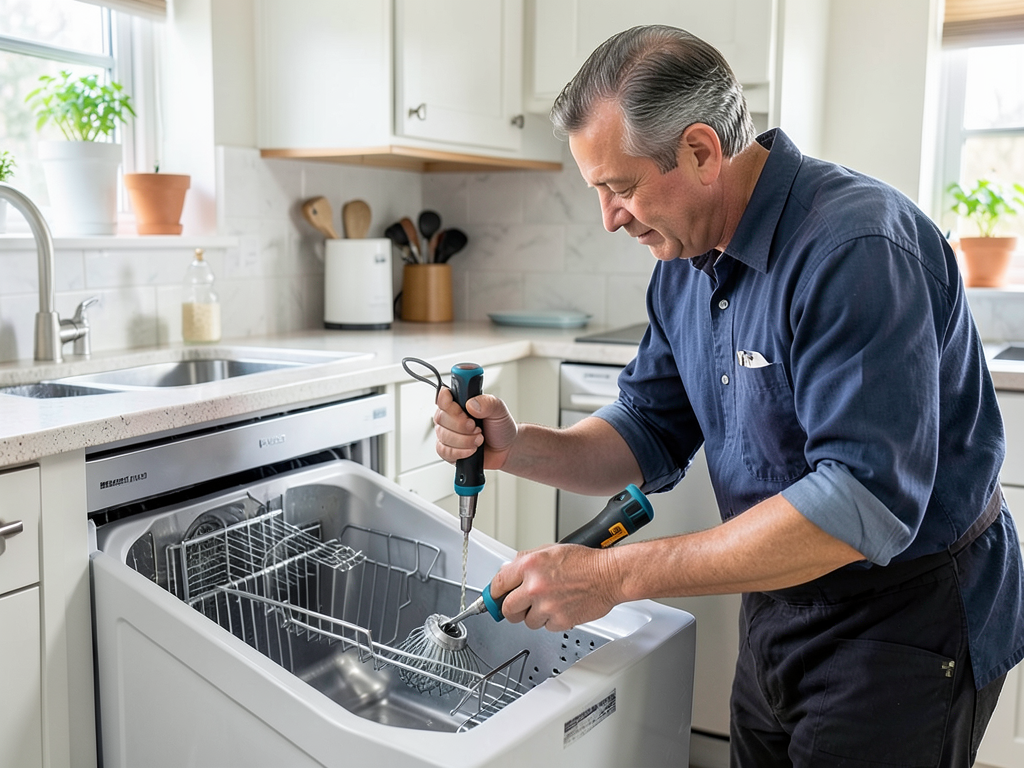
Why Your New Dishwasher Is Not Draining Properly and How to Fix the Air Gap Standing water in your new…

Why Your New Dishwasher Is Not Draining Properly (and How to Fix the Air Gap)

Why Your New Dishwasher Is Not Draining Properly and How to Fix the Air Gap Standing water in your new…

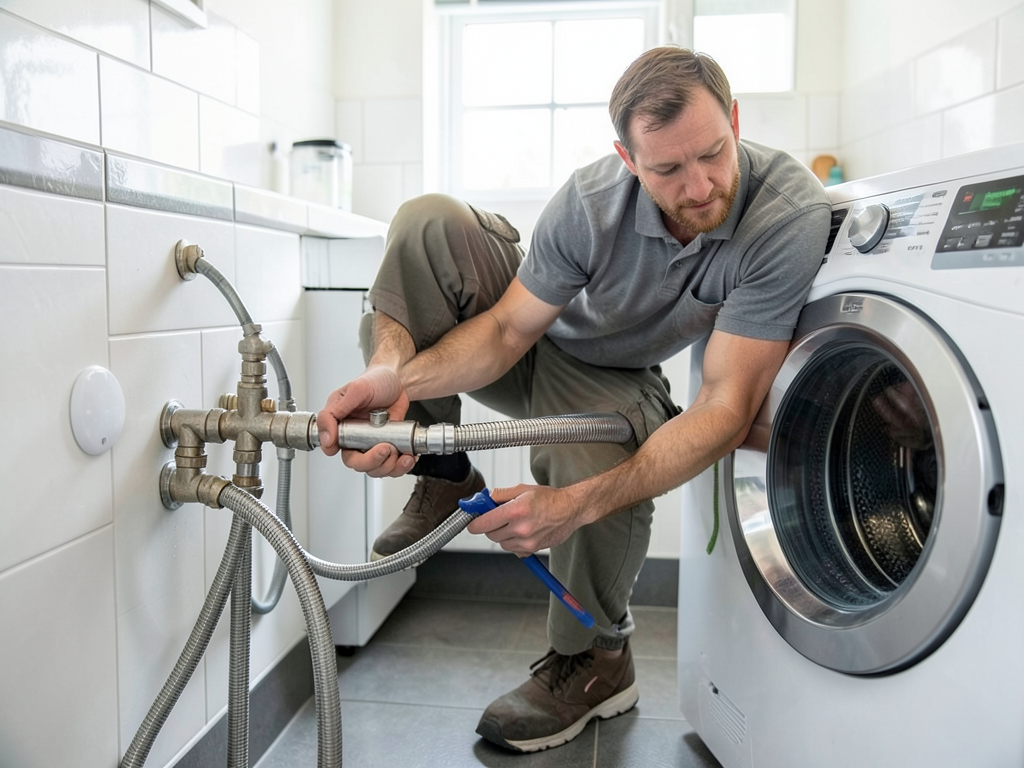
The One Small Part in Your Laundry Room That Could Flood Your Entire Greenwich Home

The One Small Part in Your Laundry Room That Could Flood Your Entire Greenwich Home Old washing machine hoses are…

How to Get Rid of That Rotten Egg Smell Coming from Your Mianus Drains

How to Get Rid of That Rotten Egg Smell Coming from Your Mianus Drains That rotten egg smell coming from…

Contact Us

Your commercial property deserves plumbing infrastructure that supports operations instead of threatening them. Call United Plumbing Greenwich at (475) 320-3733 to schedule a building assessment and receive a detailed proposal for commercial repiping that eliminates risk without disrupting your tenants.