


menu

Emergency Sewer Backup Cleanup in Greenwich – Technicians Arrive in Under 90 Minutes

When raw sewage floods your home or business, every minute increases damage and health risk. Our emergency sewer backup cleanup teams dispatch immediately across Greenwich with industrial extraction equipment, antimicrobial treatments, and structural drying systems to stop contamination fast.

Slider Image 1
Slider Image 2
Slider Image 3
Slider Image 4
Slider Image 5
Slider Image 7
Slider Image 8
Slider Image 9
Slider Image 10
Slider Image 11

Why Sewer Backups Hit Greenwich Properties Without Warning

You walked into your basement and hit a wall of stench. Brown water pools around the floor drain. Toilet paper and waste float across your finished floor. A sewer backup just turned your space into a biohazard zone.

Greenwich's aging sewer infrastructure creates specific risks. Many homes in the Belle Haven and Byram neighborhoods still connect to clay lateral lines installed in the 1950s and 60s. Tree roots from mature oaks and maples infiltrate these pipes through hairline cracks, creating blockages that send sewage backward into your lowest drains during heavy rain events. The Mianus River watershed experiences rapid runoff during storms, overwhelming municipal systems and causing pressure surges that force sewage up through floor drains and basement fixtures.

Raw sewage carries hepatitis A, E. coli, and salmonella. Every minute it sits in your home, contamination spreads deeper into porous materials like drywall, subflooring, and insulation. Sewage also releases hydrogen sulfide gas and methane, creating explosive conditions in enclosed spaces.

You need urgent sewage removal services that start within the hour, not tomorrow morning. Our emergency raw sewage extraction begins with source isolation to stop the flow, followed by immediate water removal using truck-mounted pumps capable of handling solids and debris. We deploy containment barriers to prevent cross-contamination into unaffected areas while our technicians map the spread using moisture meters and thermal imaging.

The longer you wait, the more you lose. Carpet becomes unsalvageable after two hours of sewage contact. Drywall wicks contamination vertically at roughly one inch per hour. Wood subflooring delaminates and requires replacement if saturation exceeds 48 hours.

Why Sewer Backups Hit Greenwich Properties Without Warning
How Professional Sewage Cleanup Eliminates Health Risks

How Professional Sewage Cleanup Eliminates Health Risks

Grabbing a wet vac from your garage will not solve this problem. Sewage cleanup requires Category 3 water remediation protocols established by the Institute of Inspection, Cleaning and Restoration Certification. This means full personal protective equipment, antimicrobial application, and controlled demolition of contaminated materials.

Our 24 hour sewer overflow cleaning process starts with technician safety. Crews arrive in Tyvek suits, respirators, and waterproof boots because direct contact with raw sewage causes infection. We establish negative air pressure using HEPA-filtered air scrubbers to prevent airborne pathogens from migrating through your HVAC system.

Extraction comes next. Our truck-mounted pumps remove standing sewage at 150 gallons per minute while separating solids into a waste tank for proper disposal at licensed facilities. We do not dump sewage into storm drains or your yard. Every gallon gets transported to Greenwich's wastewater treatment plant on Grass Island or appropriate regional facilities.

After extraction, we apply EPA-registered antimicrobial agents that kill bacteria, viruses, and fungi on contact. These quaternary ammonium compounds penetrate porous surfaces and provide residual protection during the drying phase. We then remove unsalvageable materials using controlled demolition techniques that minimize airborne particulate. Drywall gets cut 12 inches above the waterline. Carpet and pad go into sealed biohazard bags. Baseboards and insulation get removed to expose wall cavities for proper drying.

Rapid sewer backup restoration requires industrial dehumidification. We deploy low-grain refrigerant dehumidifiers and axial air movers to create airflow across all affected surfaces. Our technicians monitor moisture content daily using pin-type and non-invasive meters, ensuring materials return to dry standard before reconstruction begins.

What Happens During Your Emergency Sewage Call

Emergency Sewer Backup Cleanup in Greenwich – Technicians Arrive in Under 90 Minutes
01

Immediate Dispatch and Assessment

Within five minutes of your call to (475) 320-3733, our dispatcher assigns a two-person crew and provides you with an estimated arrival time. Our technicians arrive with containment supplies, extraction equipment, and safety gear. They identify the sewage source, whether it stems from a main line blockage, sump pump failure, or municipal system surcharge. They establish containment zones and begin documenting damage for insurance purposes with photos and moisture readings.
02

Extraction and Decontamination

Technicians remove all standing sewage and solid waste using truck-mounted vacuum systems. They apply hospital-grade disinfectants to all affected surfaces, including concrete, tile, and any non-porous materials worth saving. Contaminated contents get sorted into salvageable and non-salvageable categories. Porous materials that contacted sewage, like drywall below the waterline and carpet padding, get removed and bagged for disposal. Air scrubbers start running to filter airborne pathogens and eliminate odor.
03

Structural Drying and Verification

Industrial dehumidifiers and air movers run continuously for three to five days, depending on saturation levels and affected materials. Technicians visit daily to record moisture readings and adjust equipment placement. Once all materials reach dry standard, typically below 15 percent moisture content for wood and 1.0 percent for concrete, we provide written verification and clearance for reconstruction. You receive a complete report documenting the remediation process for your insurance claim and peace of mind.

Why Greenwich Residents Call United Plumbing Greenwich First

When sewage floods your home at 2 a.m., you need a company that answers and responds immediately, not one that sends you to voicemail. United Plumbing Greenwich operates with live dispatchers 24 hours a day, 365 days a year. Our technicians live in Fairfield County, which means faster response times to every Greenwich neighborhood, from Riverside to Glenville to Old Greenwich.

We know the specific infrastructure challenges in this area. Many properties along the Long Island Sound shoreline deal with high water tables that compromise aging lateral lines. Homes in the historic district often have cast iron sewer pipes that corrode from the inside out, creating rough interiors that snag debris and cause backups. We have worked with nearly every insurance carrier that operates in Greenwich and understand the documentation requirements for Chubb, AIG, PURE, and other high-value home insurers common in this market.

Our immediate sewage spill mitigation approach prioritizes your family's safety above all else. We never cut corners on personal protective equipment or antimicrobial application to save time. We follow IICRC S500 standards for water damage restoration and S520 standards for mold remediation, because sewage creates the perfect environment for fungal growth within 24 to 48 hours.

You also get transparent communication. Our project manager updates you daily on drying progress and coordinates directly with your insurance adjuster. We provide detailed line-item estimates that break down labor, equipment, and disposal costs. No surprises. No hidden fees.

We have cleaned up sewage disasters in Greenwich for over a decade. That experience means we anticipate problems before they escalate and know exactly how long each phase takes in different building types, from 1920s colonials to modern construction.

What to Expect During Emergency Sewage Cleanup

Response Time and Availability

We answer emergency calls immediately, day or night, including holidays. Our average arrival time in Greenwich ranges from 45 to 90 minutes depending on your location and current weather conditions. If you call during a major storm event when multiple properties experience backups, we prioritize based on severity and health risk. Homes with young children, elderly residents, or immunocompromised occupants move to the front of the queue. You receive a courtesy call when our crew is 15 minutes out so you can meet them and provide access to affected areas.

Initial Assessment and Planning

Our lead technician walks the entire property to map contamination spread and identify the sewage entry point. This assessment takes 20 to 30 minutes and includes moisture readings, thermal imaging to detect hidden saturation, and documentation for insurance. You receive an on-site verbal estimate of the scope, timeline, and likely costs. If the backup stems from a municipal system failure, we photograph evidence and help you file claims with the town. We also check for secondary damage like water migration into adjacent rooms or HVAC contamination if sewage entered ductwork.

Complete Decontamination and Drying

You get a space that passes microbial clearance testing and returns to pre-loss condition. We remove every contaminated material that cannot be properly disinfected, apply antimicrobial treatments to all surfaces, and dry structural components to verified moisture standards. The end result is a clean, safe space with no lingering odor or health risk. You receive written documentation of moisture readings, equipment logs, and antimicrobial application rates. This paperwork satisfies insurance requirements and provides proof of professional remediation if you sell the property in the future.

Post-Cleanup Monitoring and Prevention

After cleanup, we provide guidance on preventing future backups. This often includes camera inspection of your sewer lateral to identify root intrusion, pipe bellies, or offset joints that caused the original failure. We can coordinate with excavation contractors if your line needs repair or replacement. For properties with chronic backup issues, we discuss backwater valve installation, which prevents municipal surges from entering your home. You also receive a follow-up call one week after completion to ensure no odors have returned and that affected areas remain dry.

Frequently Asked Questions

You Have Questions,
We Have Answers

How much does sewage backup cleanup cost? +

Sewage backup cleanup costs vary based on contamination level, affected square footage, and structural damage. Category 3 water (raw sewage) requires professional-grade extraction, antimicrobial treatment, and disposal. Expect costs to increase if your Greenwich home has finished basements or extensive hardwood flooring. Most homeowners insurance policies cover sudden sewer backups if you have the rider. Get a professional assessment immediately. Delaying cleanup increases costs exponentially as bacteria spread and materials absorb contaminated water. Emergency response teams provide free estimates and work directly with your insurance adjuster to document damage and streamline claims.

How do you clean up after sewer backup? +

Stop all water use immediately. Do not touch contaminated water. Call a licensed emergency cleanup crew for Category 3 contamination. Professionals extract sewage using industrial pumps, remove porous materials like drywall and carpet, then apply hospital-grade disinfectants. Air movers and dehumidifiers run for 3-5 days to prevent mold growth in Greenwich's humid climate. Technicians test surfaces for fecal coliform bacteria before clearance. Never use household cleaners on sewage. You need EPA-registered antimicrobials. Document everything with photos for insurance. Professional crews bag and dispose of contaminated materials per Connecticut health codes. Your safety depends on proper protocol.

What to do if the sewer is backing up? +

Stop using all water immediately. Do not flush toilets or run faucets. Evacuate the affected area if sewage is pooling. Call an emergency plumber and cleanup crew now. Raw sewage contains E. coli, hepatitis A, and parasites. Exposure causes serious illness. If the backup is in your basement, shut off electricity to that area if you can do so safely. Do not attempt DIY cleanup for sewage. Greenwich homes on older sewer laterals face higher backup risk during heavy rain. Professionals use camera inspection to locate blockages in your line or the municipal main. Time matters. Sewage damage compounds every hour.

Is a sewer back up an emergency? +

Yes. A sewer backup is a health emergency. Raw sewage contains dangerous pathogens including E. coli, salmonella, hepatitis A, and parasitic worms. Exposure through skin contact or inhalation causes severe gastrointestinal illness, infections, and respiratory problems. Children, elderly residents, and immune-compromised individuals face extreme risk. Sewage also destroys building materials rapidly. Drywall wicks contaminated water upward. Hardwood floors buckle. Mold colonizes within 24-48 hours in Greenwich's humidity. Every minute counts. Professional emergency crews respond 24/7 because sewage backup threatens your family's health and your home's structural integrity. Never wait until morning. Call immediately.

Does homeowners insurance cover sewer back ups? +

Standard homeowners insurance excludes sewer backups unless you purchased a separate sewer backup endorsement or rider. This optional coverage typically costs 40-50 dollars yearly and covers cleanup, repairs, and contents damage from sudden sewer line failures. Review your policy declarations page now. If you lack this rider, you pay out-of-pocket. Many Greenwich homeowners add this coverage after experiencing backup once. Flood insurance through NFIP does not cover sewer backups. If tree roots or mainline failure caused the backup, your municipality may share liability. Document everything. Your emergency cleanup company works with adjusters daily and understands Connecticut coverage nuances.

Why is my sewer bill 200 dollars? +

Your sewer bill question likely relates to municipal charges, not emergency backup cleanup. Greenwich sewer bills reflect water usage volume, infrastructure fees, and stormwater charges. High bills result from leaks, increased household size, or seasonal irrigation. Check your water meter for hidden leaks. A running toilet wastes thousands of gallons monthly. If you received a backup-related bill from the town for mainline repairs, contest it if the blockage occurred in the public lateral. This answer addresses billing confusion, but if you are experiencing an actual sewer backup emergency, stop reading and call a cleanup crew immediately. Health risks demand urgent action.

Can I clean my sewer line myself? +

No. Never attempt DIY sewer line cleaning during an active backup emergency. Raw sewage contains Category 3 black water with fecal matter, viruses, and bacteria. You lack proper personal protective equipment, industrial extraction pumps, antimicrobial agents, and disposal permits required by Connecticut health codes. Homeowner attempts spread contamination, void insurance claims, and risk serious illness. Licensed plumbers use hydro-jetting or mechanical augering for routine maintenance, but cleanup requires specialized restoration technicians. Greenwich homes with older cast iron or clay laterals need camera inspection to identify root intrusion or pipe collapse. Protect your family. Let professionals handle sewage emergencies. Save DIY efforts for prevention like root treatments.

How long do sewage bacteria last on surfaces? +

Sewage bacteria survive 2-60 days on surfaces depending on temperature, humidity, and material porosity. E. coli persists up to 28 days on hard surfaces. Fecal streptococci survive 60 days on fabric. Greenwich's humid climate extends bacterial viability. Porous materials like drywall, carpet padding, and insulation harbor bacteria indefinitely without professional antimicrobial treatment. Surface wiping does not eliminate sewage contamination. You need EPA-registered disinfectants applied at proper dwell times, followed by laboratory testing. Never assume a surface is safe because it looks clean. Professional restoration crews follow IICRC S500 standards for sewage remediation. Cutting corners risks chronic illness from pathogen exposure.

How to tell if your sewer is backed up? +

Warning signs include multiple drain backups simultaneously, gurgling sounds from toilets when running water elsewhere, sewage odor near drains, and slow drainage throughout your home. If wastewater appears in your basement floor drain or lowest fixture, your main sewer line is blocked. Greenwich homes on sloped lots may see backups in lower-level bathrooms first. Check for pooling water near your foundation or soggy lawn areas indicating a broken lateral. Do not wait for visible sewage. Act immediately when multiple drains malfunction. Emergency plumbers use video inspection to diagnose blockages. Early intervention prevents catastrophic backup and expensive cleanup.

What is the most common cause of sewer backup? +

Tree root intrusion causes most residential sewer backups in Greenwich. Roots penetrate clay tile and cast iron laterals through microscopic cracks, forming dense mats that trap debris. Older Greenwich neighborhoods with mature trees face highest risk. Flushing wipes, feminine products, and grease also cause blockages. Municipal mainline failures during heavy storms backup into your home if you lack a backwater valve. Aging infrastructure and ground settling crack pipes. Schedule annual video inspections if your home predates 1980 or you have large trees near sewer lines. Preventive hydro-jetting removes root buildup before emergency backups occur. Root barriers protect laterals long-term.

How Greenwich's Aging Sewer Laterals Create Backup Emergencies

Greenwich's oldest neighborhoods contain thousands of homes built between 1920 and 1970 that still rely on original clay or cast iron sewer laterals. These pipes degrade over decades, developing cracks that allow tree roots to penetrate and create blockages. The town's mature tree canopy, filled with Norway maples and oaks, sends roots aggressively toward moisture sources. During heavy rain events, common in spring and fall, stormwater overwhelms the combined sewer system in older areas near the harbor, forcing sewage backward through floor drains and basement toilets. Immediate sewage spill mitigation becomes critical because these backups often occur at night when residents are asleep and cannot stop the spread quickly.

United Plumbing Greenwich maintains relationships with local insurance adjusters, environmental health officials, and restoration contractors who understand the specific requirements for high-value homes in this market. We follow Connecticut Department of Public Health guidelines for sewage cleanup and coordinate waste disposal through licensed haulers approved by the Greenwich Department of Public Works. Our technicians receive annual training on IICRC standards and understand the documentation requirements for luxury home insurers common in Fairfield County. When you hire local experts who know Greenwich's infrastructure, building codes, and insurance landscape, you avoid the delays and miscommunication that happen when out-of-town companies try to navigate unfamiliar territory during an emergency.
Plumbing Services in The Greenwich Area

We are proud to serve the community of Greenwich and the surrounding areas. Our local presence allows us to respond quickly to your plumbing needs, whether it's an emergency repair or a scheduled installation. View our location on the map and see our full service area to find out if we can come to your rescue. We're your trusted neighbors, always ready to lend a helping hand.

Address:
United Plumbing Greenwich, 88 Field Point Rd, Greenwich, CT, 06830

Additional Services We Offer

Our news updates

Latest Articles & News from The Blogs

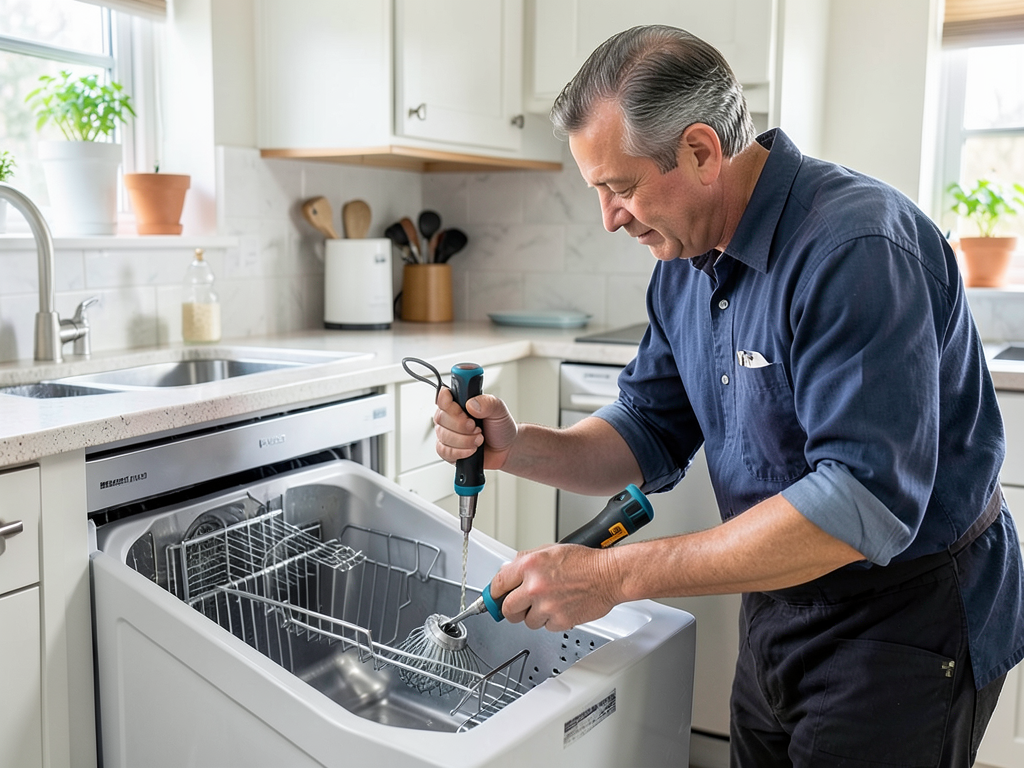
Why Your New Dishwasher Is Not Draining Properly and How to Fix the Air Gap Standing water in your new…

Why Your New Dishwasher Is Not Draining Properly (and How to Fix the Air Gap)

Why Your New Dishwasher Is Not Draining Properly and How to Fix the Air Gap Standing water in your new…

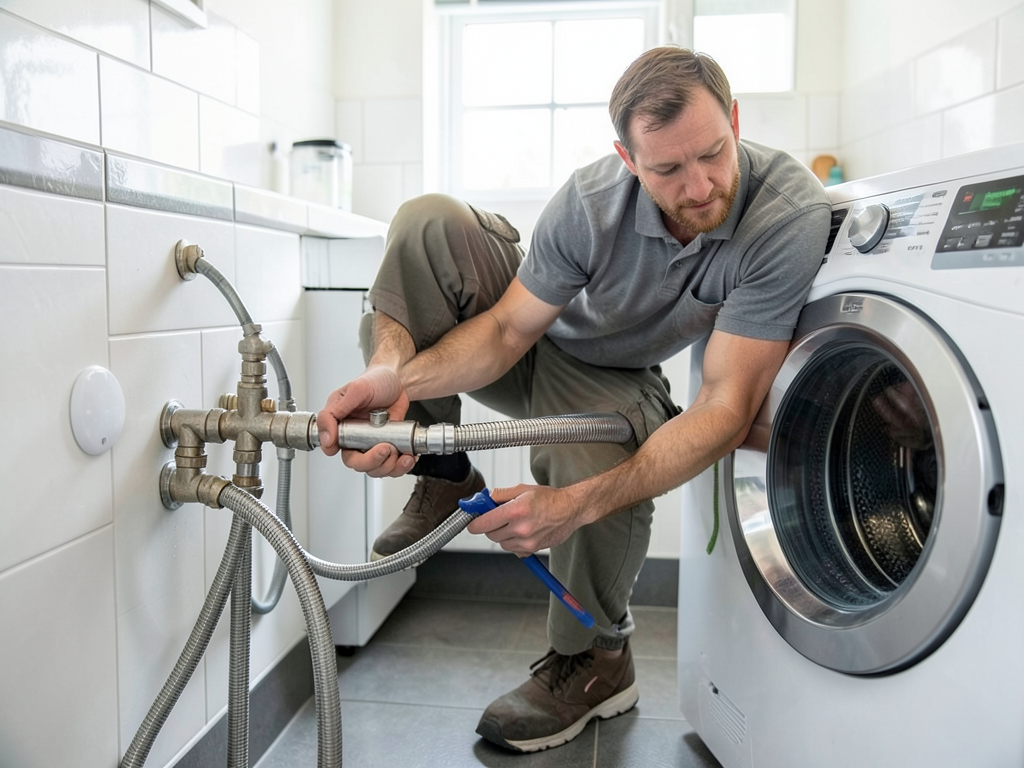
The One Small Part in Your Laundry Room That Could Flood Your Entire Greenwich Home

The One Small Part in Your Laundry Room That Could Flood Your Entire Greenwich Home Old washing machine hoses are…

How to Get Rid of That Rotten Egg Smell Coming from Your Mianus Drains

How to Get Rid of That Rotten Egg Smell Coming from Your Mianus Drains That rotten egg smell coming from…

Contact Us

Every minute sewage sits in your home increases contamination and cost. Our emergency crews are standing by right now to respond. Call (475) 320-3733 immediately for rapid sewer backup restoration. We answer 24/7 and arrive fast.