
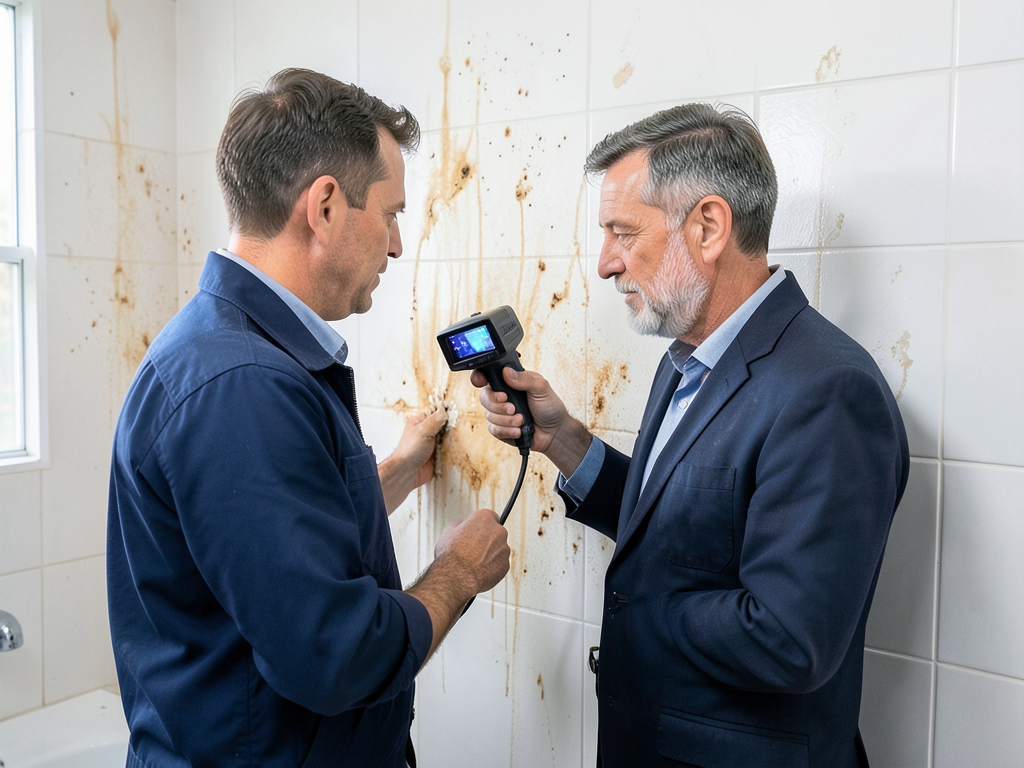
Finding Secret Leaks Behind Your Shower Tile Before They Cause Mold
Hidden shower leaks in Greenwich homes can destroy walls, rot subfloors, and create toxic mold growth before you ever see a drip. These leaks often start as hairline cracks in grout or failed seals around shower pans, allowing water to seep into wall cavities where it stays trapped and spreads damage silently. By the time you notice peeling paint or a musty smell, the structural damage may already be extensive.
Greenwich’s mix of historic Victorian homes and modern builds creates unique plumbing vulnerabilities. Older copper pipes can corrode from hard water minerals, while newer installations may suffer from improper sealing during rushed remodels. The coastal humidity in areas near Greenwich Point accelerates mold growth once moisture finds a way behind tile. Plumbing Stamford.
Signs of a Hidden Shower Leak in Your Greenwich Home
Most shower leaks don’t announce themselves with obvious water pouring through ceilings. Instead, they leave subtle clues that homeowners often misinterpret or ignore until the damage becomes severe.
- Damp spots on adjacent room walls that appear after shower use
- Efflorescence – white powdery mineral deposits on grout lines
- Loose or hollow-sounding tiles when pressed
- Persistent musty odor in bathroom cabinets or closets
- Paint bubbling or peeling in patterns matching shower wall locations
- Unexpected increases in water bills without usage changes
In older Greenwich homes near the historic district, these signs often appear in second-floor bathrooms where gravity pulls water down through floor joists. The damage can extend to ceiling plaster below, creating both structural and aesthetic problems.
Advanced Leak Detection Technology We Use in Greenwich
Traditional leak detection often means tearing open walls to find the source. Our non-invasive methods locate leaks without destroying your tile work, saving you thousands in unnecessary demolition and reconstruction costs.. Read more about Saving Money on Your Monthly Utility Bill with Smart Water Conservation in Greenwich.
Thermal Imaging Cameras detect temperature variations behind walls caused by moisture. Water cools surfaces slightly, creating visible patterns on infrared screens that pinpoint leak locations within inches. This technology works through tile, drywall, and even some types of insulation.
Acoustic Leak Detection uses sensitive microphones to listen for the sound of water escaping from pipes. Even tiny leaks create distinctive frequencies that our equipment can isolate from background noise. This method works particularly well for detecting leaks in supply lines behind shower walls.
Moisture Mapping involves systematic testing with specialized meters that measure moisture content in building materials. We create detailed maps showing exactly where water has traveled, helping identify the leak source and extent of damage without guesswork.
Tracer Gas Testing involves injecting safe, detectable gas into plumbing systems. The gas escapes through leaks and rises to the surface where our sensors locate it precisely. This method works when other techniques cannot find very small or deep leaks.
Why Hidden Leaks are a Structural Risk
Water behind shower tiles doesn’t just cause cosmetic damage. It creates conditions that compromise your home’s structural integrity and your family’s health.
Subfloor Rot occurs when moisture penetrates wood flooring. Greenwich homes often have pine or fir subfloors that deteriorate quickly when wet. Once wood reaches 20% moisture content, fungal growth begins, and the structural strength drops dramatically.
Joist Damage happens when water travels along floor beams. Wet joists can lose up to 50% of their load-bearing capacity before showing visible signs. In Greenwich’s older homes, this can lead to sagging floors and wall cracks.
Mold Growth begins within 24-48 hours of water exposure. Connecticut’s humid climate means mold spreads rapidly once established. Black mold behind shower walls produces mycotoxins that can cause respiratory problems, especially in children and elderly residents.
Electrical Hazards develop when water reaches wiring. Even small amounts of moisture in electrical boxes can cause shorts, fires, or dangerous shocks. Many Greenwich homes have aging electrical systems that are particularly vulnerable.
Local Greenwich Case Study: Victorian Home on Sound Beach Avenue
A 1920s Colonial on Sound Beach Avenue showed no obvious signs of water damage, but the homeowner noticed a slight musty smell in the adjacent bedroom closet. Our thermal imaging revealed a cold spot behind the shower wall corresponding to moisture levels of 28% – well above the 15% threshold for mold growth.
Acoustic testing isolated the leak to a copper supply line that had corroded from hard water mineral buildup. The leak was so small it only released about one cup of water per shower, but over two years it had saturated the wall cavity and begun rotting the subfloor. Why We Are the Top Rated Pipe Repair Specialists in Byram.
Using non-invasive methods, we located the exact leak point without removing any tile. The repair involved replacing a 12-inch section of copper pipe and addressing the mold with EPA-registered antimicrobials. Total repair cost: $2,800. Estimated cost if left untreated for another year: $15,000+ in structural repairs. EPA mold guidelines.
Transparent Pricing & Insurance Coordination
Most Greenwich homeowners don’t realize their insurance may cover hidden leak detection and repairs. Connecticut homeowners’ policies often include ‘Trace and Access’ coverage, which pays for finding and accessing hidden plumbing leaks. Connecticut Department of Public Health.
We provide detailed documentation of our findings, including thermal imaging reports and moisture mapping data that insurance companies require for claims. Our technicians are trained to preserve evidence of the leak source and damage extent for your insurance adjuster.
Our pricing structure is straightforward:
- Leak detection service call: $295 (credited toward repairs if we find and fix the leak)
- Non-invasive leak location: $450-750 depending on bathroom complexity
- Standard shower valve replacement: $850-1,200
- Emergency after-hours service: $395 service call plus standard rates
All repairs include a one-year warranty on parts and labor. We use only lead-free, code-compliant materials that meet Connecticut State Building Code requirements.
When to Call a Greenwich Pro Immediately
Some leak situations require immediate professional attention to prevent catastrophic damage. Call us right away if you notice any of these warning signs:
- Water stains spreading rapidly across ceilings or walls
- Soft spots in flooring near bathroom areas
- Visible mold growth around fixtures or in corners
- Musty odors that persist after cleaning
- Water meter showing usage when all fixtures are off
Greenwich’s coastal location means humidity levels often exceed 70%, creating perfect conditions for mold growth once moisture is present. Fast action can mean the difference between a simple repair and a major renovation.
Preventing Future Shower Leaks
Once we’ve repaired your leak, prevention becomes critical. Many Greenwich homes face similar vulnerabilities due to age, construction methods, or local water conditions.
Annual Inspections can catch problems before they become emergencies. We recommend checking grout lines annually and having professional inspections every two years for homes over 20 years old.
Water Quality Testing helps identify corrosive minerals that accelerate pipe deterioration. Greenwich’s water supply contains moderate levels of calcium and magnesium that can cause scale buildup and galvanic corrosion in older copper pipes.
Proper Ventilation reduces humidity levels that promote mold growth. Ensure bathroom exhaust fans vent directly outside, not into attics or wall cavities where moisture can accumulate unseen.
Quality Materials make a difference in longevity. Modern PEX piping resists corrosion better than copper in areas with hard water. Silicone sealants outlast traditional caulk in high-moisture environments.
Frequently Asked Questions
How long does leak detection take?
Most non-invasive leak detection takes 1-2 hours. Complex cases involving multiple potential sources may require 3-4 hours. We provide a time estimate before beginning work.
Will you have to tear open my walls?
We use non-invasive methods first and only open walls when absolutely necessary. Our success rate for finding leaks without demolition exceeds 90% in Greenwich homes.
Is mold always present with shower leaks?
Mold begins growing within 24-48 hours of water exposure. In Greenwich’s humid climate, mold is almost always present by the time leaks are detected, even if not yet visible.
Do you work with insurance companies?
Yes. We provide detailed reports, photos, and documentation that insurance companies require. We can communicate directly with your adjuster to streamline the claims process.
What areas do you serve?
We serve all of Greenwich including Riverside, Old Greenwich, Cos Cob, Glenville, Byram, and surrounding Fairfield County areas. We respond within 2 hours for emergency calls. Emergency Plumbers in Greenwich Who Actually Answer the Phone at 3 AM.
- Visual Inspection
Check grout lines for cracks, discoloration, or missing sections. Look for efflorescence or mineral deposits around fixtures.
- Moisture Testing
Use a moisture meter on adjacent walls. Readings above 15% indicate potential water intrusion.
- Water Meter Test
Turn off all water sources and check your meter. If it moves, you have a hidden leak somewhere in the system.
Call (475) 320-3733 Today to Schedule Your Inspection
Hidden shower leaks won’t fix themselves. Every day you wait means more structural damage and higher repair costs. Our Greenwich-based team uses advanced thermal imaging and acoustic detection to find leaks without destroying your bathroom.
We offer same-day service for emergency situations and provide detailed reports that help with insurance claims. Our one-year warranty on all repairs gives you peace of mind that the problem is solved permanently. Emergency Sewer Backup Cleanup.
Pick up the phone and call (475) 320-3733 before the next shower creates more damage. We’re standing by to protect your home from hidden water damage and mold growth.
{
“@context”: “https://schema.org”,
“@type”: “BlogPosting”,
“headline”: “Finding Secret Leaks Behind Your Shower Tile Before They Cause Mold”,
“description”: “Discover how to detect hidden shower leaks in Greenwich homes before mold spreads. Learn about thermal imaging, moisture mapping, and non-invasive detection methods from local experts.”,
“wordCount”: 1541,
“datePublished”: “2026-06-03T08:56:00.000Z”,
“dateModified”: “2026-06-03T08:56:00.000Z”,
“inLanguage”: “en-US”,
“mainEntityOfPage”: {
“@type”: “WebPage”,
“@id”: “https://unitedplumbinggreenwich.com”
},
“publisher”: {
“@type”: “LocalBusiness”,
“name”: “United Plumbing Greenwich”,
“url”: “https://unitedplumbinggreenwich.com”
},
“author”: {
“@type”: “Organization”,
“name”: “United Plumbing Greenwich”,
“url”: “https://unitedplumbinggreenwich.com”
},
“image”: {
“@type”: “ImageObject”,
“url”: “https://unitedplumbinggreenwich.com/wp-content/uploads/2026/03/finding-secret-leaks-behind-your-shower-tile-befor-1.png”
}
}
{
“@context”: “https://schema.org”,
“@type”: “Plumber”,
“name”: “United Plumbing Greenwich”,
“url”: “https://unitedplumbinggreenwich.com”,
“address”: {
“@type”: “PostalAddress”,
“addressLocality”: “Greenwich”
},
“areaServed”: {
“@type”: “City”,
“name”: “Greenwich”
}
}
{
“@context”: “https://schema.org”,
“@type”: “FAQPage”,
“mainEntity”: [
{
“@type”: “Question”,
“name”: “How long does leak detection take?”,
“acceptedAnswer”: {
“@type”: “Answer”,
“text”: “Most non-invasive leak detection takes 1-2 hours. Complex cases involving multiple potential sources may require 3-4 hours. We provide a time estimate before beginning work.”
}
},
{
“@type”: “Question”,
“name”: “Will you have to tear open my walls?”,
“acceptedAnswer”: {
“@type”: “Answer”,
“text”: “We use non-invasive methods first and only open walls when absolutely necessary. Our success rate for finding leaks without demolition exceeds 90% in Greenwich homes.”
}
},
{
“@type”: “Question”,
“name”: “Is mold always present with shower leaks?”,
“acceptedAnswer”: {
“@type”: “Answer”,
“text”: “Mold begins growing within 24-48 hours of water exposure. In Greenwich’s humid climate, mold is almost always present by the time leaks are detected, even if not yet visible.”
}
},
{
“@type”: “Question”,
“name”: “Do you work with insurance companies?”,
“acceptedAnswer”: {
“@type”: “Answer”,
“text”: “Yes. We provide detailed reports, photos, and documentation that insurance companies require. We can communicate directly with your adjuster to streamline the claims process.”
}
},
{
“@type”: “Question”,
“name”: “What areas do you serve?”,
“acceptedAnswer”: {
“@type”: “Answer”,
“text”: “We serve all of Greenwich including Riverside, Old Greenwich, Cos Cob, Glenville, Byram, and surrounding Fairfield County areas. We respond within 2 hours for emergency calls. Emergency Plumbers in Greenwich Who Actually Answer the Phone at 3 AM.”
}
}
]
}
{
“@context”: “https://schema.org”,
“@type”: “HowTo”,
“name”: “How to Check for Shower Leaks”,
“step”: [
{
“@type”: “HowToStep”,
“position”: 1,
“name”: “Visual Inspection”,
“text”: “Check grout lines for cracks, discoloration, or missing sections. Look for efflorescence or mineral deposits around fixtures.”
},
{
“@type”: “HowToStep”,
“position”: 2,
“name”: “Moisture Testing”,
“text”: “Use a moisture meter on adjacent walls. Readings above 15% indicate potential water intrusion.”
},
{
“@type”: “HowToStep”,
“position”: 3,
“name”: “Water Meter Test”,
“text”: “Turn off all water sources and check your meter. If it moves, you have a hidden leak somewhere in the system.”
}
],
“image”: “https://unitedplumbinggreenwich.com/wp-content/uploads/2026/03/finding-secret-leaks-behind-your-shower-tile-befor-1.png”
}
{
“@context”: “https://schema.org”,
“@type”: “BreadcrumbList”,
“itemListElement”: [
{
“@type”: “ListItem”,
“position”: 1,
“name”: “Home”,
“item”: “https://unitedplumbinggreenwich.com”
},
{
“@type”: “ListItem”,
“position”: 2,
“name”: “Blog”,
“item”: “https://unitedplumbinggreenwich.com/blog”
},
{
“@type”: “ListItem”,
“position”: 3,
“name”: “Finding Secret Leaks Behind Your Shower Tile Before They Cause Mold”
}
]
}
{
“@context”: “https://schema.org”,
“@type”: “Service”,
“serviceType”: “Plumbing”,
“provider”: {
“@type”: “LocalBusiness”,
“name”: “United Plumbing Greenwich”,
“url”: “https://unitedplumbinggreenwich.com”
},
“areaServed”: {
“@type”: “City”,
“name”: “Greenwich”
},
“description”: “Discover how to detect hidden shower leaks in Greenwich homes before mold spreads. Learn about thermal imaging, moisture mapping, and non-invasive detection methods from local experts.”
}