


menu

Gas Line Repair & Installation in Greenwich – Complete Residential & Commercial Natural Gas System Services

United Plumbing Greenwich delivers full-scope gas line repair, gas piping installation, gas line replacement, and gas leak repair for homes and businesses across Greenwich, backed by deep familiarity with Connecticut state plumbing codes and local utility infrastructure.

Slider Image 1
Slider Image 2
Slider Image 3
Slider Image 4
Slider Image 5
Slider Image 7
Slider Image 8
Slider Image 9
Slider Image 10
Slider Image 11

Why Gas Line Problems Demand Immediate Attention in Greenwich

Greenwich's dense residential neighborhoods and historic home stock create unique challenges for natural gas systems. Many properties in the Old Greenwich, Riverside, and Cos Cob areas contain aging black iron pipe installed decades ago, now showing corrosion from Connecticut's freeze-thaw cycles and high humidity.

When you smell rotten eggs near your gas meter or appliances, you face immediate danger. Natural gas leaks can cause explosions, carbon monoxide poisoning, or long-term health effects. The soil composition in lower Greenwich, particularly near the Long Island Sound coastline, contains high moisture content that accelerates underground gas pipe corrosion.

Commercial properties along the Post Road corridor face additional pressure. Restaurants, medical facilities, and manufacturing operations rely on uninterrupted gas service for heating, cooking, and industrial processes. A single gas line failure can shut down operations for days while waiting for proper gas line replacement.

Connecticut state code requires licensed gas line plumbers to perform all work on pressurized natural gas systems. Eversource Energy, the primary utility serving Greenwich, maintains strict connection protocols. Unauthorized gas piping installation voids your insurance coverage and creates liability exposure.

Underground gas lines serving multi-family buildings in central Greenwich require specialized leak detection equipment. Surface symptoms like dead vegetation, hissing sounds, or visible ground disturbance often indicate deeper system failures requiring comprehensive gas pipe repair.

The risk compounds in winter when heating demand peaks. A compromised gas line during January cold snaps leaves families without heat and businesses scrambling for alternatives.

Why Gas Line Problems Demand Immediate Attention in Greenwich
How Professional Gas Line Services Protect Your Property

How Professional Gas Line Services Protect Your Property

United Plumbing Greenwich approaches every gas system project with the same methodology. We start with electronic gas detection using calibrated combustible gas indicators that measure methane concentration in parts per million. This identifies active leaks before we open walls or excavate.

For gas line replacement projects, we calculate proper pipe sizing using the longest length method, factoring in BTU demand from all appliances, elevation changes, and fitting losses. Undersized gas piping causes poor appliance performance and safety hazards. We specify black iron pipe for exposed runs and corrugated stainless steel tubing for concealed installations where flexibility matters.

Our gas piping installation process follows Connecticut state amendments to the International Fuel Gas Code. We install sediment traps at every appliance connection, use approved pipe joint compound rated for natural gas, and pressure test all new work to 15 PSI for 15 minutes minimum. Every joint receives bubble testing with leak detection solution before final inspection.

Gas leak repair requires different approaches depending on location and severity. Threaded joint leaks often need complete fitting replacement, not just re-tightening. Corroded pipe sections get cut out and replaced with new material, never patched. We install isolation valves strategically so future repairs do not require whole-house gas shutoff.

For commercial gas line work, we coordinate with Eversource for temporary service disconnection and reconnection. We handle all permit applications with Greenwich Building Department and schedule required inspections. Our team understands commercial gas meter sizing and pressure regulator specifications for high-demand equipment.

Every installation includes proper bonding to your electrical ground system, eliminating static electricity risks during gas flow.

What Happens During Your Gas Line Service

Gas Line Repair & Installation in Greenwich – Complete Residential & Commercial Natural Gas System Services
01

System Assessment and Location

We map your entire gas distribution system from the meter through all branch lines. Electronic detection equipment identifies leak sources precisely, even inside walls or underground. You receive a written assessment detailing every issue found, required repairs, and code compliance gaps. We contact Dig Safe Connecticut before any excavation to mark underground utilities.
02

Repair or Replacement Execution

Our licensed gas line plumbers install new piping or repair existing systems using code-compliant materials and methods. We protect your property during work, using drop cloths for interior projects and trench boxes for excavation. All connections receive proper pipe dope application and torque specifications. Pressure testing happens before covering any work, ensuring zero leaks before we restore walls or backfill trenches.
03

Testing and Final Inspection

Every gas line installation undergoes mandatory pressure testing and soap bubble leak checks at all joints. We light pilot lights, verify proper appliance operation, and check for correct flame characteristics. Greenwich Building Department inspectors review and approve all work before we consider the job complete. You receive documentation of all testing results and inspection approvals for your property records.

Why Greenwich Property Owners Choose United Plumbing Greenwich

Gas line work separates competent plumbers from dangerous amateurs. United Plumbing Greenwich maintains the specific state licensure Connecticut requires for natural gas system work. We carry the liability insurance limits Eversource mandates for contractors working on their distribution system.

Our familiarity with Greenwich's housing stock matters. We know that homes in Belle Haven and Conyers Farm often have gas lines running through crawl spaces with limited access. Properties near Greenwich Harbor face saltwater corrosion issues that inland homes do not encounter. The historic homes along Sound Beach Avenue require careful work that preserves original architecture while upgrading dangerous old gas piping.

We maintain relationships with local inspectors at Greenwich Building Department. We know their interpretation of state code amendments and their specific documentation requirements. This knowledge prevents failed inspections and project delays that cost you time and money.

Commercial clients value our ability to work during off-hours. We schedule gas line replacement and major repairs during closed periods so restaurants do not lose service during peak hours. Medical offices and dental practices cannot afford gas shutoffs during patient appointments. We plan work windows that minimize business disruption.

Our trucks carry comprehensive pipe inventory, fittings, valves, and testing equipment. We complete most gas pipe repair projects in single visits without return trips for materials. For larger gas piping installation projects, we provide detailed timelines and maintain them.

You receive straight answers about what your gas system needs. We do not upsell unnecessary replacements when targeted gas leak repair solves the problem. When full gas line replacement makes sense, we explain why and show you the evidence.

What to Expect From Your Gas Line Project

Response Time and Scheduling

Gas leak emergencies receive immediate response. We arrive within hours, not days, when you report gas odors or suspected leaks. For planned gas line replacement or new gas piping installation projects, we typically schedule within one week. Most residential gas pipe repair projects take four to eight hours from start to final testing. Larger installations requiring excavation or multiple appliance connections may span two to three days. We provide specific time estimates after initial assessment. Commercial projects include detailed scheduling that accounts for your business hours and peak periods.

Initial Evaluation Process

Your gas line assessment starts with electronic leak detection throughout your property. We test at the meter, all exposed piping, appliance connections, and suspected problem areas. For underground lines, we use probe equipment that detects gas in soil. You get a written report listing every leak found, its severity, and recommended action. We explain which issues need immediate attention and which can wait. The evaluation includes pipe size verification to ensure adequate capacity for your appliances. We photograph problem areas and show you exactly what needs repair or replacement.

Quality of Completed Work

Every gas line installation or repair meets Connecticut state plumbing code and local amendments. We use only approved materials rated for natural gas service. All threaded connections receive proper pipe joint compound application and correct torque. New piping includes proper support spacing, protection from physical damage, and required labeling. Underground gas lines sit on stable bedding and receive proper backfill that prevents settling. Your system passes pressure testing at levels exceeding normal operating pressure. All work receives required inspections and approvals before we consider the project finished.

Ongoing Support and Documentation

You receive complete documentation of all work performed, including material specifications, testing results, and inspection approvals. We provide operation instructions for any new valves or equipment installed. Our team explains warning signs that indicate future problems and when to call for service. While we cannot provide specific warranty terms without reviewing individual project scope, we stand behind our workmanship and respond quickly if issues develop. We recommend annual gas system inspections for commercial properties and every three years for residential systems to catch developing problems early.

Frequently Asked Questions

You Have Questions,
We Have Answers

How much does it cost to have a gas line repaired? +

Gas line repair costs in Greenwich depend on the leak location, pipe material, and accessibility. Simple fixes like tightening a coupling or replacing a small section of exposed pipe typically cost less than repairs requiring wall removal or trenching. Homes in older Greenwich neighborhoods with iron pipe or outdated fittings often face higher repair costs due to corrosion. Repairs involving CSST flexible tubing or lines buried under landscaping or driveways also increase labor. Most repairs require immediate shutoff, pressure testing, and permit filing with Greenwich building officials. Request a written estimate after inspection to understand scope and pricing.

Do plumbers hook up gas lines? +

Yes, licensed plumbers install and repair gas lines in Connecticut. Plumbers trained in gas work hold specific certifications for working with natural gas and propane systems. They size pipes, install shutoff valves, pressure test lines, and connect appliances like water heaters, dryers, and ranges. In Greenwich, plumbers coordinate inspections with the building department to ensure code compliance. Not all plumbers specialize in gas work, so confirm your contractor has experience with residential gas systems and understands Connecticut fuel gas codes. Proper installation prevents leaks and keeps your home safe.

How to fix a broken gas line? +

Never attempt to fix a gas line yourself. If you smell gas or suspect a leak, evacuate immediately and call 911 and your gas utility from outside the home. Do not flip light switches or use electronics. Licensed professionals locate the leak using electronic detectors or soap solution, shut off the gas supply, and repair or replace the damaged section. Repairs may involve cutting out corroded pipe, replacing fittings, or installing new CSST tubing. After repair, technicians pressure test the line and inspect for leaks before restoring service. Greenwich building codes require permits and inspections for all gas work.

Can I install a gas line myself? +

No. Gas line installation in Connecticut requires a licensed plumber or gas fitter with proper certifications. DIY gas work is illegal and extremely dangerous. Improper installation causes leaks, explosions, carbon monoxide poisoning, and voided home insurance. Gas lines must be sized correctly, tested for pressure, and inspected by Greenwich building officials. Professionals understand pipe material compatibility, proper venting, and appliance connection protocols. Even minor mistakes create life-threatening hazards. Hiring a licensed contractor protects your family and ensures compliance with Connecticut fuel gas codes. The risk is not worth the savings. Always use a professional.

Are gas lines covered by home insurance? +

Homeowners insurance typically covers sudden gas line damage from covered perils like fallen trees, vehicle impacts, or construction accidents. Policies usually exclude gradual damage from corrosion, wear, or lack of maintenance. Underground line damage from shifting soil or tree roots often falls into a gray area. Many Greenwich homes sit on clay soil that shifts seasonally, stressing buried pipes. Service line coverage endorsements can extend protection to underground gas lines from the street to your home. Review your policy and consider adding this coverage. Document all repairs and save receipts for insurance claims.

What is the cost of a gas line installation? +

Gas line installation costs depend on distance, pipe material, terrain, and permit fees. Running a line from the meter to a new appliance inside your home costs less than trenching across a yard to reach a pool heater or outdoor kitchen. Greenwich properties with mature landscaping, stone walls, or paved driveways face higher installation costs due to excavation complexity. CSST flexible tubing installs faster than rigid black iron pipe but requires specific fittings. Installations require pressure testing, inspection by Greenwich building officials, and utility company connection. Get multiple written estimates and confirm permit fees are included.

What kind of contractor runs gas lines? +

Licensed plumbers or gas fitters install gas lines in Connecticut. These professionals hold certifications for fuel gas work and understand residential and commercial piping codes. In Greenwich, contractors must pull permits and schedule inspections with the building department. Plumbers size gas lines based on appliance BTU demand, install proper shutoff valves, and pressure test systems for leaks. Some HVAC contractors also handle gas line work for furnaces and boilers. Always verify your contractor holds active Connecticut licensing and carries liability insurance. Proper credentials protect you from substandard work and ensure code compliance.

How much does it cost per foot to install underground gas line? +

Underground gas line installation typically ranges per linear foot depending on pipe material, depth, and site conditions. Costs increase if excavation involves ledge rock, clay soil, or obstacles like tree roots and existing utilities. Greenwich properties with mature landscaping or historic stone walls require careful digging to avoid damage. Trenching under driveways or patios adds expense. Black iron pipe costs less than CSST flexible tubing but requires more labor. Estimates should include excavation, backfill, pipe materials, fittings, pressure testing, and permit fees. Always get written quotes before work begins.

Who is responsible for the gas supply pipe? +

Homeowners own and maintain the gas supply pipe from the utility meter to the house and all interior piping. The utility company owns and maintains the service line from the street to the meter. In Greenwich, you are responsible for repairing leaks or damage on your side of the meter, including buried lines running to detached garages or outdoor appliances. Regular inspections help catch corrosion or leaks early. If you smell gas near the meter, call the utility immediately. They respond to meter-side emergencies. For issues beyond the meter, contact a licensed plumber to assess and repair.

How Greenwich's Coastal Climate and Aging Infrastructure Affect Gas Line Integrity

Greenwich's location along Long Island Sound creates accelerated corrosion conditions for underground gas lines. Salt air from coastal areas like Old Greenwich and Riverside penetrates soil and attacks black iron pipe. Freeze-thaw cycles compound the problem as moisture expands in soil, shifting pipe positions and stressing joints. Many Greenwich homes built between 1950 and 1980 contain original gas piping now reaching end of service life. The town's mature tree canopy means root intrusion threatens underground gas lines, particularly in areas like Glenville and Byram where large oaks and maples dominate. These combined factors make proactive gas line replacement critical before leaks develop into emergencies.

Connecticut requires specific licensing for gas line work that general contractors and handymen do not possess. Greenwich Building Department enforces strict permit and inspection requirements for all gas piping installation and major gas pipe repair projects. Local inspectors expect detailed pressure test documentation and proper material certifications. United Plumbing Greenwich maintains the relationships and knowledge base that ensure smooth inspections and rapid approvals. We understand Eversource's specific requirements for meter relocation, service upgrades, and reconnection procedures. Our familiarity with local gas infrastructure prevents costly mistakes and project delays that out-of-town contractors frequently encounter.
Plumbing Services in The Greenwich Area

We are proud to serve the community of Greenwich and the surrounding areas. Our local presence allows us to respond quickly to your plumbing needs, whether it's an emergency repair or a scheduled installation. View our location on the map and see our full service area to find out if we can come to your rescue. We're your trusted neighbors, always ready to lend a helping hand.

Address:
United Plumbing Greenwich, 88 Field Point Rd, Greenwich, CT, 06830

Additional Services We Offer

Our news updates

Latest Articles & News from The Blogs

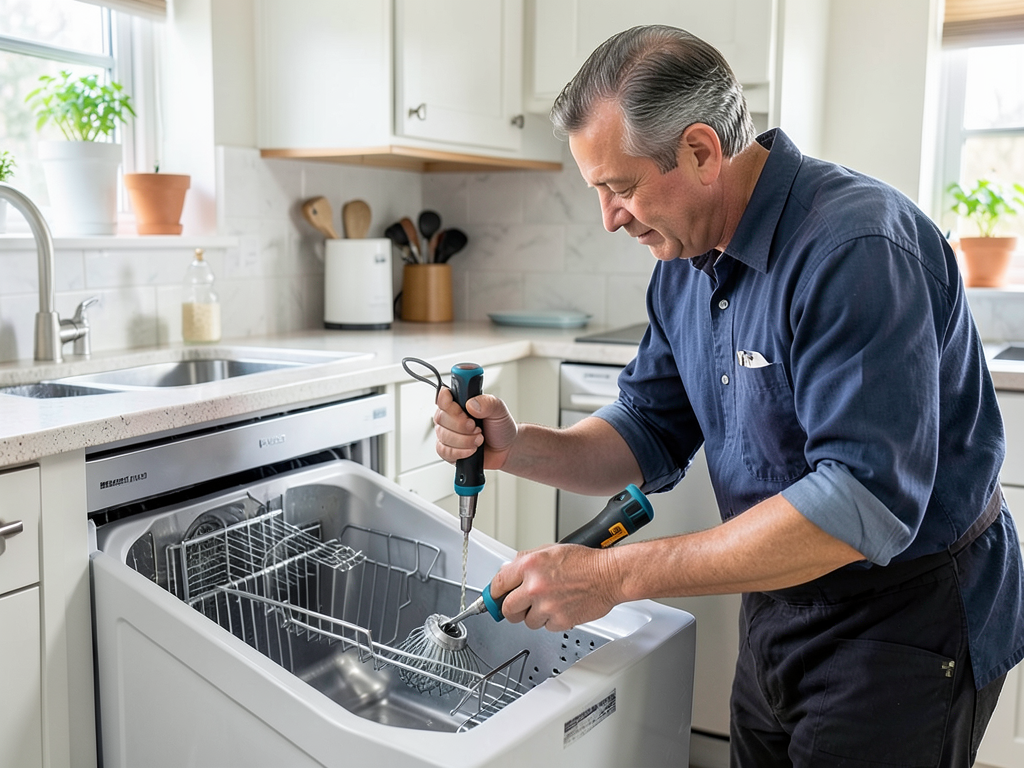
Why Your New Dishwasher Is Not Draining Properly and How to Fix the Air Gap Standing water in your new…

Why Your New Dishwasher Is Not Draining Properly (and How to Fix the Air Gap)

Why Your New Dishwasher Is Not Draining Properly and How to Fix the Air Gap Standing water in your new…

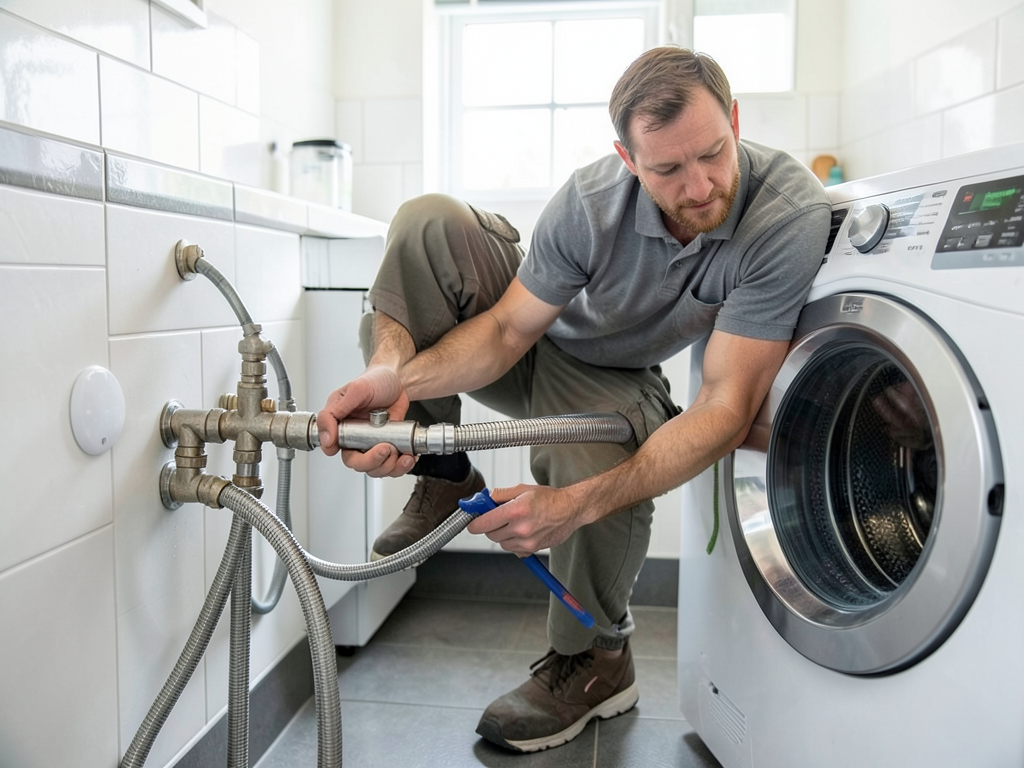
The One Small Part in Your Laundry Room That Could Flood Your Entire Greenwich Home

The One Small Part in Your Laundry Room That Could Flood Your Entire Greenwich Home Old washing machine hoses are…

How to Get Rid of That Rotten Egg Smell Coming from Your Mianus Drains

How to Get Rid of That Rotten Egg Smell Coming from Your Mianus Drains That rotten egg smell coming from…

Contact Us

Gas leaks require immediate professional attention. Call United Plumbing Greenwich at (475) 320-3733 right now if you smell gas or suspect a leak. For planned gas line replacement or new installation projects, we provide detailed assessments and clear pricing. Do not risk your safety or property with unlicensed work.