

menu

Grease Trap Cleaning & Pumping in Greenwich | Minimize Downtime with Fast, Code-Compliant Service

Keep your commercial kitchen running smoothly with rapid grease trap cleanout and grease interceptor cleaning designed to prevent shutdowns, pass inspections, and maintain full compliance with Connecticut health codes.

Slider Image 1
Slider Image 2
Slider Image 3
Slider Image 4
Slider Image 5
Slider Image 7
Slider Image 8
Slider Image 9
Slider Image 10
Slider Image 11

How Greenwich's Restaurant District Creates Grease Management Challenges

Greenwich Avenue and surrounding commercial corridors house some of Connecticut's busiest restaurants, catering operations, and food service businesses. High-volume kitchens in this area generate substantial grease waste daily, and the town's strict environmental regulations for Long Island Sound watershed protection mean one missed grease trap service can trigger costly fines or temporary closure.

Connecticut's freeze-thaw cycles complicate grease management further. When temperatures drop, solidified grease in exterior interceptors can create blockages that back up into your kitchen during peak service hours. The state's Title 5 septic regulations and Greenwich's additional municipal codes require documented proof of regular commercial grease trap pumping, and inspectors can request service records at any time.

Your business cannot afford the liability of an overflowing grease interceptor during dinner service or a failed health inspection because of improper grease trap waste removal. A backed-up line means lost revenue, staff standing idle, and customers turned away. Restaurant grease trap service is not optional maintenance in this regulatory environment. It is essential infrastructure management that directly impacts your ability to operate.

United Plumbing Greenwich understands the specific pressures facing food service operators in Fairfield County. We schedule grease trap cleanout around your operating hours to minimize disruption and provide the compliance documentation you need when inspectors arrive.

How Greenwich's Restaurant District Creates Grease Management Challenges
How Professional Grease Interceptor Cleaning Protects Your Operations

How Professional Grease Interceptor Cleaning Protects Your Operations

Proper grease trap service requires more than pumping out waste. Our technicians perform full system evaluation to identify potential failure points before they cause operational shutdowns. We inspect baffle walls for structural integrity, check inlet and outlet tees for blockages, and measure accumulated sludge depth to determine optimal service intervals for your specific volume.

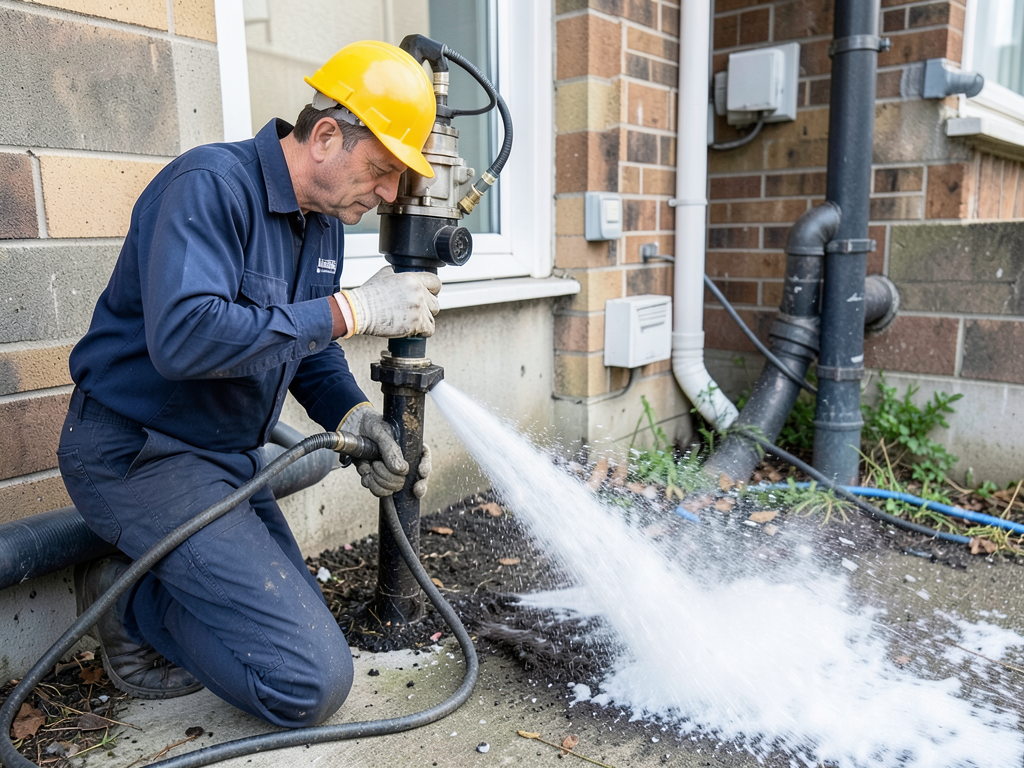
We use vacuum truck equipment rated for both liquid and semi-solid waste extraction, which removes the full spectrum of fats, oils, grease, and settled solids. Many low-cost providers only pump the liquid layer, leaving heavy sludge that reduces effective capacity and accelerates the next fill cycle. This incomplete service fails to reset your interceptor to full functional capacity.

After extraction, we pressure-wash all interior surfaces to remove adhered grease films that standard pumping misses. These films harbor bacteria and create odor problems that reflect poorly on your establishment. We also flush inlet and outlet piping to clear any partial blockages that restrict flow and cause backup risk.

You receive detailed service reports documenting waste volume removed, system condition, and any maintenance issues requiring attention. These records satisfy municipal compliance requirements and provide legal documentation if disputes arise with landlords or inspectors. We handle manifesting and legal disposal of all grease waste through licensed facilities, removing liability from your business.

Our service intervals align with your actual waste generation, not arbitrary schedules. High-volume operations may require weekly service, while smaller establishments operate safely on monthly cycles. We calculate the right frequency based on interceptor size, kitchen output, and local code requirements.

What Happens During Your Grease Trap Service Appointment

Grease Trap Cleaning & Pumping in Greenwich | Minimize Downtime with Fast, Code-Compliant Service
01

Site Assessment and Access

Our technician arrives during your scheduled window and locates your grease interceptor, whether it is an exterior in-ground unit or interior under-sink trap. We verify access points, assess working conditions, and set up containment barriers to protect your kitchen environment. For exterior units, we remove lids and check for structural issues or access problems that could complicate service.
02

Complete Waste Extraction

We extract all liquid grease, floating solids, and settled sludge using industrial vacuum equipment. The technician measures waste depth before and after pumping to document volume removed. We then pressure-wash all interior surfaces, baffles, and piping to remove residual buildup. This full-system cleaning restores your interceptor to maximum holding capacity and prevents odor development between service visits.
03

Documentation and Compliance Reporting

You receive a detailed service ticket documenting date, waste volume, system condition, and disposal facility information. This paperwork satisfies Greenwich health department requirements and provides legal proof of compliance. We note any maintenance issues requiring attention and recommend service interval adjustments if your current schedule proves inadequate for your waste generation rate. All waste goes to licensed processing facilities with proper manifesting.

Why Greenwich Food Service Operations Choose United Plumbing Greenwich

Operating a commercial kitchen in Greenwich requires navigating Connecticut General Statutes Section 22a-430, local health regulations, and potential additional requirements if you are in the Long Island Sound coastal boundary zone. We maintain current knowledge of all applicable codes and structure our service to meet the strictest interpretation of these regulations, protecting you from citation risk.

Our vacuum trucks are maintained to handle both scheduled service and emergency response. When a grease trap backs up during service hours, you cannot wait three days for an appointment. We prioritize emergency calls from commercial clients because we understand the revenue impact of kitchen downtime. A backed-up three-compartment sink or floor drain can shut down your entire operation until the blockage clears.

We work with property managers throughout the Greenwich Avenue commercial district and understand the access limitations, parking restrictions, and timing constraints that come with operating in a high-density retail environment. Our technicians coordinate service timing to minimize disruption to your business and surrounding tenants.

You also gain a service partner who understands the unique challenges of Connecticut's restaurant industry. Seasonal tourism creates volume fluctuations that require service interval adjustments. Summer months may require more frequent pumping, while winter allows extended intervals. We track your usage patterns and proactively recommend schedule changes before problems develop.

United Plumbing Greenwich provides the documentation, responsiveness, and technical competence that serious food service operators require. Your reputation depends on consistent operations, and consistent operations depend on infrastructure you can trust.

What to Expect from Commercial Grease Trap Service

Flexible Scheduling and Rapid Response

We schedule service during your lowest-activity periods to minimize operational impact. Early morning appointments before opening or late-night service after close accommodate your business needs. For emergency situations like backups or overflow, we dispatch trucks within hours, not days. Our goal is resolving the problem before it forces you to close or turn away customers. We understand that every hour of downtime represents lost revenue and potential damage to your reputation.

Thorough System Evaluation

Every service call includes full interceptor inspection. We check baffle integrity, measure sludge accumulation, inspect inlet and outlet piping, and assess structural condition. You receive honest feedback about system performance and any repairs needed to maintain functionality. We identify problems like cracked baffles, corroded fittings, or undersized interceptors before they cause emergency situations. This diagnostic approach prevents surprises and allows you to budget for necessary repairs on your timeline.

Complete Waste Removal and Cleaning

You receive full extraction of all waste layers, not just surface skimming. We remove floating grease, suspended solids, and settled sludge to restore full interceptor capacity. Pressure washing eliminates residual films and prevents odor development. Your system functions as designed, providing maximum separation efficiency and longest possible interval before the next service. Proper cleaning extends equipment life and reduces long-term replacement costs compared to incomplete service that accelerates system deterioration.

Compliance Documentation and Records Management

Every service generates detailed documentation including date, waste volume, disposal facility, and system condition notes. We maintain digital records you can access anytime for inspector requests or landlord audits. This documentation proves your compliance with local regulations and protects you from liability claims. We also track your service history to identify trends, recommend optimal intervals, and flag potential problems before they escalate into expensive emergencies requiring immediate attention.

Frequently Asked Questions

You Have Questions,
We Have Answers

How much does it cost to get your grease trap cleaned? +

Grease trap cleaning costs in Greenwich vary based on trap size, accessibility, and waste volume. Smaller traps (under 100 gallons) typically cost less than large outdoor interceptors. Additional factors include labor time, disposal fees, and whether the trap requires repairs or parts replacement. Greenwich's high commercial density means competitive pricing exists, but you pay for proper disposal compliance and adherence to Connecticut environmental regulations. Request a site inspection for accurate pricing. Most providers offer service contracts that reduce per-visit costs and prevent emergency surcharges. Skipping cleanings to save money leads to backups, health violations, and expensive repairs that far exceed routine maintenance costs.

How often should a grease trap be pumped? +

Pump frequency depends on your kitchen's output and trap capacity. High-volume Greenwich restaurants near Greenwich Avenue often need monthly service, while smaller cafes may manage quarterly cleanings. Connecticut health codes require pumping before the trap reaches 25 percent capacity with fats, oils, and grease. Monitor your trap's condition between services. Heavy fryer use, high customer volume, and limited trap size all increase pumping frequency. Establish a maintenance schedule based on actual usage patterns, not guesswork. Skipping scheduled pumps causes blockages, foul odors, and violations during health inspections. Document every service for compliance records. Your provider should track volumes and recommend schedule adjustments.

How much does it cost to pump out a grease trap? +

Pumping costs mirror cleaning costs since the processes overlap. Pricing depends on trap size, waste volume, and service complexity. Greenwich's commercial zones require certified waste haulers and proper disposal manifests, which affect pricing. Outdoor interceptors with vehicular access cost less per gallon than indoor traps requiring manual extraction and longer labor hours. Emergency pump-outs cost significantly more than scheduled maintenance. Service contracts reduce per-visit expenses and lock in rates. Factor in disposal fees tied to Connecticut regulations. Larger traps cost more in absolute dollars but less per gallon. Always confirm that pricing includes compliant disposal, not just extraction. Cheap service often means illegal dumping.

What is grease trap pumping? +

Grease trap pumping removes accumulated fats, oils, grease, and solids from the interceptor using vacuum trucks or portable pumps. The process prevents blockages in your facility's drainage and the municipal sewer system. Technicians extract liquid waste, scrape sidewalls, remove settled solids, and clean baffles. Proper pumping includes disposal at licensed facilities per Connecticut environmental laws. Greenwich commercial kitchens rely on this service to maintain health code compliance and prevent costly sewer backups. The process differs from simple cleaning because it addresses the entire waste volume, not just surface skimming. Regular pumping protects your plumbing infrastructure and keeps operations running without interruption or fines.

Why Greenwich's Coastal Regulations Make Grease Trap Compliance Critical

Greenwich's location on Long Island Sound places most commercial areas within the regulated coastal boundary, subjecting food service operations to enhanced environmental protections. Grease discharge that reaches storm drains can flow directly into coastal waters, triggering violations under both state and federal clean water statutes. The town enforces strict grease management requirements because improper disposal creates immediate environmental impact. Commercial kitchens must demonstrate regular grease interceptor cleaning and proper waste disposal to maintain operating permits in this environmentally sensitive zone.

United Plumbing Greenwich has served the local commercial food service industry long enough to understand how municipal inspectors interpret regulations and what documentation they expect during compliance checks. We structure our service reports to include every data point inspectors request, and we manifest all waste through state-approved disposal facilities. This attention to regulatory detail protects your business license and prevents the citations that can damage your reputation with both customers and property owners throughout Fairfield County's competitive restaurant market.
Plumbing Services in The Greenwich Area

We are proud to serve the community of Greenwich and the surrounding areas. Our local presence allows us to respond quickly to your plumbing needs, whether it's an emergency repair or a scheduled installation. View our location on the map and see our full service area to find out if we can come to your rescue. We're your trusted neighbors, always ready to lend a helping hand.

Address:
United Plumbing Greenwich, 88 Field Point Rd, Greenwich, CT, 06830

Additional Services We Offer

Our news updates

Latest Articles & News from The Blogs

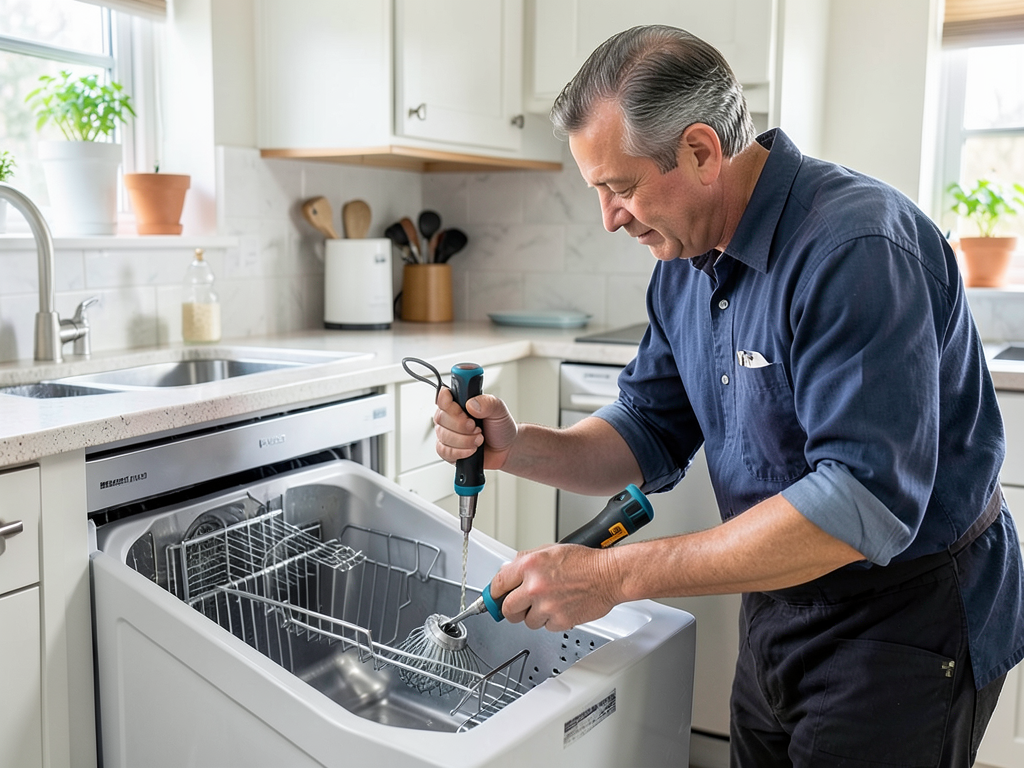
Why Your New Dishwasher Is Not Draining Properly and How to Fix the Air Gap Standing water in your new…

Why Your New Dishwasher Is Not Draining Properly (and How to Fix the Air Gap)

Why Your New Dishwasher Is Not Draining Properly and How to Fix the Air Gap Standing water in your new…

The One Small Part in Your Laundry Room That Could Flood Your Entire Greenwich Home

The One Small Part in Your Laundry Room That Could Flood Your Entire Greenwich Home Old washing machine hoses are…

How to Get Rid of That Rotten Egg Smell Coming from Your Mianus Drains

How to Get Rid of That Rotten Egg Smell Coming from Your Mianus Drains That rotten egg smell coming from…

Contact Us

Do not wait for a backup during dinner rush or a failed inspection. Call United Plumbing Greenwich at (475) 320-3733 to schedule commercial grease trap pumping that keeps your kitchen operating smoothly and passes every compliance check.