
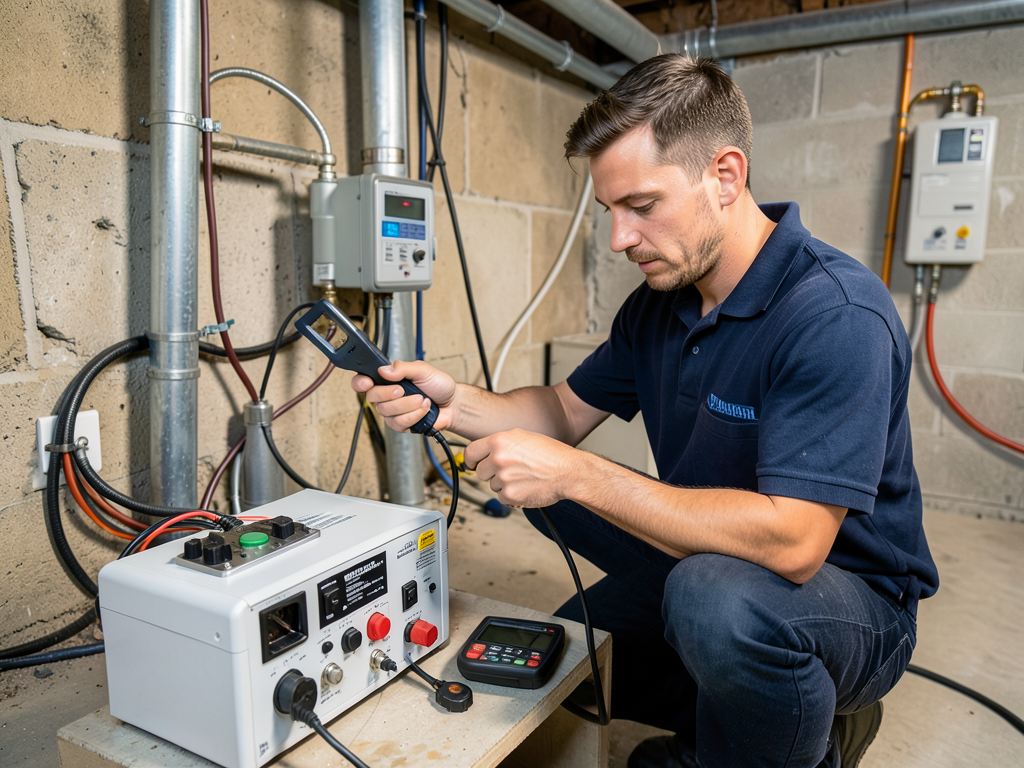
How Long Does a Sump Pump Battery Backup Actually Last During a Greenwich Storm?
During a coastal storm in Riverside or Old Greenwich, your sump pump battery backup typically runs for 6 to 24 hours depending on your pump size and battery capacity. A standard 75Ah battery with a 1/3 HP pump gives you about 5 to 7 hours of continuous pumping before the battery drains. But here’s what most Greenwich homeowners don’t realize: your pump usually cycles on and off during a storm, so you might get 12 to 18 hours of protection before flooding becomes a risk. The Most Reliable Drain Cleaning Services in Old Greenwich.
Lead-acid batteries need replacement every 3 to 5 years regardless of runtime. AGM batteries cost more upfront but handle the temperature swings near Long Island Sound better and last longer. The real question isn’t just “how long” but “will it survive the next nor’easter hitting Greenwich?”
Sump Pump Battery Lifespan vs. Runtime
Greenwich homes face unique challenges with our high water table and coastal storms. The battery’s service life and emergency runtime are two completely different measurements that homeowners often confuse. Emergency Plumbers in Greenwich Who Actually Answer the Phone at 3 AM.
Service life means how many years before the battery dies from age. Runtime means how many hours of pumping you get during a blackout. A battery can be brand new but still only give you 6 hours of runtime if it’s undersized for your pump.
Most Greenwich plumbers see batteries fail during the first big storm after installation because homeowners picked the wrong size or didn’t maintain the charging system. The charging controller matters as much as the battery itself.
Lead-Acid vs AGM: What Greenwich Homes Actually Need
Lead-acid batteries cost less but hate our humidity. AGM batteries resist corrosion and handle basement temperature swings better. Here’s what you get with each:
| Battery Type | Average Lifespan | Runtime (75Ah) | Maintenance |
|---|---|---|---|
| Lead-Acid | 3-4 years | 5-7 hours | Monthly water check |
| AGM | 4-5 years | 6-8 hours | Zero maintenance |
AGM batteries cost about 30% more but save you from crawling into a flooded basement during a storm to check water levels. For Riverside homes near the water, AGM is usually worth the extra cost.
Factors Affecting Battery Life in Greenwich Homes
Greenwich’s coastal location creates specific challenges for sump pump batteries. Our high humidity, temperature swings, and frequent storms all impact performance.
Humidity causes terminal corrosion on lead-acid batteries within 18 months. Temperature fluctuations below 40°F or above 80°F reduce capacity by up to 20%. The soil composition in Greenwich means your pump runs more often than homes just a few miles inland.
Clay-heavy soil in areas like Cos Cob drains slowly, keeping your pump active for days after a storm. This constant cycling depletes batteries faster than the same system would in drier areas.. Read more about Using French Drains to Stop Yard Flooding in Your Byram Property.
Calculating Your Backup Runtime
You can estimate your runtime with this simple formula: (Battery Ah ÷ Pump Amps) × Duty Cycle = Runtime in hours.
A 75Ah battery powering a 1/3 HP pump (drawing about 6 amps) gives you roughly 12.5 amp-hours of usable capacity. If your pump runs 30% of the time during a storm, you get about 7 hours of protection.
Most Greenwich homeowners underestimate their pump’s amp draw. A 1/2 HP pump can draw 10 amps or more, cutting your runtime nearly in half compared to a smaller pump.
Lead-Acid vs. AGM Batteries: Which Lasts Longer?
Lead-acid batteries remain the most common choice for sump pump backups in Greenwich, but AGM technology is gaining ground fast. Understanding the differences helps you make the right choice for your home.
Lead-acid batteries use liquid electrolyte that evaporates over time. AGM batteries use absorbed glass mat technology that’s sealed and maintenance-free. Both provide similar voltage, but AGM handles discharge cycles better.
For Greenwich homes, AGM batteries resist the corrosion that kills lead-acid terminals in our humid basements. They also charge faster and handle deeper discharges without damage.
Cost Comparison Over Five Years
Lead-acid batteries cost $150 to $200 but need replacement every 3 to 4 years. AGM batteries cost $250 to $300 but last 4 to 5 years. Over five years, lead-acid costs $300 to $400 while AGM costs $250 to $300.
Factor in the cost of replacing a flooded basement from battery failure, and AGM often becomes the cheaper option despite the higher upfront cost.
How to Calculate Your Backup Runtime
Knowing your exact runtime helps you prepare for storms. Here’s how to calculate it for your specific setup. EPA sump pump efficiency guidelines.
First, find your pump’s amp draw on the manufacturer’s label. Then check your battery’s amp-hour rating. Most residential sump pump batteries range from 75Ah to 120Ah.
Next, estimate your pump’s duty cycle during a storm. This is the percentage of time your pump actually runs versus sits idle. Heavy rain might mean 40% to 60% duty cycle.
Runtime Calculator Example
A 100Ah battery with a 1/3 HP pump drawing 6 amps: 100 ÷ 6 = 16.7 amp-hours. At 30% duty cycle: 16.7 × 0.3 = 5 hours of continuous pumping.
Most storms in Greenwich don’t require continuous pumping, so you’ll likely get 10 to 15 hours of protection before the battery drains completely.
Signs Your Backup Battery is Failing
Batteries give warning signs before they fail completely. Catching these early prevents basement flooding during the next storm.
Beeping from your battery backup system usually means low voltage or charging problems. Corrosion on terminals appears as white, crusty buildup. Slow recharge times indicate aging cells.
A battery that won’t hold a charge for more than 24 hours when disconnected needs replacement. If your system beeps constantly even when power is on, the charger might be failing.
Visual Inspection Checklist
- Check for bulging battery case
- Look for cracks or leaks
- Test terminal voltage with a multimeter
- Verify charging voltage is 13.5 to 14.5 volts
- Listen for unusual buzzing from the charger
Most battery failures happen in late summer after months of heat and humidity. Test your system in early fall before storm season hits.
Professional Maintenance and Replacement
DIY battery replacement seems simple but often causes more problems than it solves. Professional installation ensures your entire system works correctly.
Professional plumbers check the float switch calibration, verify charging voltage, and test the pump under load. They also inspect discharge pipes for clogs that could cause pump failure.
Improper battery installation can void warranties and create fire hazards. Lead-acid batteries release hydrogen gas and need proper ventilation.
What Professional Service Includes
A complete battery backup service includes load testing the pump, checking all electrical connections, verifying alarm function, and cleaning corrosion from terminals. We also test the backup pump itself to ensure it activates when the main pump fails.
Professional installation typically takes 1 to 2 hours and includes disposal of your old battery according to EPA guidelines.
Greenwich-Specific Emergency Plumbing Contacts
During a storm, you need help fast. United Plumbing offers 24/7 emergency service throughout Fairfield County with response times under 60 minutes for Greenwich and Stamford. Plumbing Stamford.
Our technicians carry common battery sizes and replacement pumps on every truck. We’re familiar with the specific challenges of Riverside’s high water table and Old Greenwich’s older homes.
Call (475) 320-3733 for immediate assistance. We’ll test your system, replace failing batteries, and ensure your basement stays dry through the next nor’easter.
Smart Home Integration and Battery Monitoring
Modern sump pump systems connect to WiFi and send alerts to your phone. You’ll know about battery problems before the next storm hits.
Smart systems track pump cycles, battery voltage, and alert you to unusual patterns. Some even integrate with home automation systems to trigger lights or notifications when the pump activates.
Installation costs $200 to $400 but provides peace of mind and early warning of developing problems.
Frequently Asked Questions
How often should I replace my sump pump battery?
Replace lead-acid batteries every 3 to 4 years and AGM batteries every 4 to 5 years regardless of runtime. Test annually and replace immediately if you notice reduced runtime.
Can I use a car battery for my sump pump backup?
No. Car batteries are designed for short bursts of high power, not deep cycling. They’ll fail quickly and may not provide enough runtime during an outage.
What size battery do I need for my sump pump?
Most 1/3 HP pumps work well with 75Ah batteries. For 1/2 HP pumps or larger basements, choose 100Ah to 120Ah batteries for adequate runtime.
How do I test my battery backup system?
Unplug your main pump and fill the sump pit with water until the backup activates. Verify it runs for several minutes and the battery holds voltage.
Does a battery backup work during a power surge?
Yes. Battery backups isolate your pump from electrical problems and provide clean power during surges, protecting both the pump and your home.
Conclusion
Your sump pump battery backup is your last defense against basement flooding during Greenwich storms. A properly sized and maintained system gives you 6 to 24 hours of protection when you need it most.
Don’t wait for the next nor’easter to discover your battery is failing. Test your system now and replace aging batteries before they leave you vulnerable.
Call (475) 320-3733 today to schedule your sump pump battery inspection. Our Greenwich plumbers will ensure your system is ready for whatever storms come our way. For more information, visit FEMA flood protection guidelines.
{
“@context”: “https://schema.org”,
“@type”: “BlogPosting”,
“headline”: “How Long Does a Sump Pump Battery Backup Actually Last During a Greenwich Storm?”,
“description”: “Find out how long your sump pump battery lasts in a Greenwich storm. Learn about battery life, runtime, and backup options from local experts.”,
“wordCount”: 1574,
“datePublished”: “2026-06-09T14:01:00.000Z”,
“dateModified”: “2026-06-09T14:01:00.000Z”,
“inLanguage”: “en-US”,
“mainEntityOfPage”: {
“@type”: “WebPage”,
“@id”: “https://unitedplumbinggreenwich.com”
},
“publisher”: {
“@type”: “LocalBusiness”,
“name”: “United Plumbing Greenwich”,
“url”: “https://unitedplumbinggreenwich.com”
},
“author”: {
“@type”: “Organization”,
“name”: “United Plumbing Greenwich”,
“url”: “https://unitedplumbinggreenwich.com”
},
“image”: {
“@type”: “ImageObject”,
“url”: “https://unitedplumbinggreenwich.com/wp-content/uploads/2026/03/how-long-does-a-sump-pump-battery-backup-actually-1.png”
}
}
{
“@context”: “https://schema.org”,
“@type”: “Plumber”,
“name”: “United Plumbing Greenwich”,
“url”: “https://unitedplumbinggreenwich.com”,
“address”: {
“@type”: “PostalAddress”,
“addressLocality”: “Greenwich”
},
“areaServed”: {
“@type”: “City”,
“name”: “Greenwich”
}
}
{
“@context”: “https://schema.org”,
“@type”: “FAQPage”,
“mainEntity”: [
{
“@type”: “Question”,
“name”: “Lead-Acid vs. AGM Batteries: Which Lasts Longer?”,
“acceptedAnswer”: {
“@type”: “Answer”,
“text”: “Lead-acid batteries remain the most common choice for sump pump backups in Greenwich, but AGM technology is gaining ground fast. Understanding the differences helps you make the right choice for your home.”
}
},
{
“@type”: “Question”,
“name”: “How often should I replace my sump pump battery?”,
“acceptedAnswer”: {
“@type”: “Answer”,
“text”: “Replace lead-acid batteries every 3 to 4 years and AGM batteries every 4 to 5 years regardless of runtime. Test annually and replace immediately if you notice reduced runtime.”
}
},
{
“@type”: “Question”,
“name”: “Can I use a car battery for my sump pump backup?”,
“acceptedAnswer”: {
“@type”: “Answer”,
“text”: “No. Car batteries are designed for short bursts of high power, not deep cycling. They’ll fail quickly and may not provide enough runtime during an outage.”
}
},
{
“@type”: “Question”,
“name”: “What size battery do I need for my sump pump?”,
“acceptedAnswer”: {
“@type”: “Answer”,
“text”: “Most 1/3 HP pumps work well with 75Ah batteries. For 1/2 HP pumps or larger basements, choose 100Ah to 120Ah batteries for adequate runtime.”
}
},
{
“@type”: “Question”,
“name”: “How do I test my battery backup system?”,
“acceptedAnswer”: {
“@type”: “Answer”,
“text”: “Unplug your main pump and fill the sump pit with water until the backup activates. Verify it runs for several minutes and the battery holds voltage.”
}
},
{
“@type”: “Question”,
“name”: “Does a battery backup work during a power surge?”,
“acceptedAnswer”: {
“@type”: “Answer”,
“text”: “Yes. Battery backups isolate your pump from electrical problems and provide clean power during surges, protecting both the pump and your home.”
}
}
]
}
{
“@context”: “https://schema.org”,
“@type”: “BreadcrumbList”,
“itemListElement”: [
{
“@type”: “ListItem”,
“position”: 1,
“name”: “Home”,
“item”: “https://unitedplumbinggreenwich.com”
},
{
“@type”: “ListItem”,
“position”: 2,
“name”: “Blog”,
“item”: “https://unitedplumbinggreenwich.com/blog”
},
{
“@type”: “ListItem”,
“position”: 3,
“name”: “How Long Does a Sump Pump Battery Backup Actually Last During a Greenwich Storm?”
}
]
}
{
“@context”: “https://schema.org”,
“@type”: “Service”,
“serviceType”: “Plumbing”,
“provider”: {
“@type”: “LocalBusiness”,
“name”: “United Plumbing Greenwich”,
“url”: “https://unitedplumbinggreenwich.com”
},
“areaServed”: {
“@type”: “City”,
“name”: “Greenwich”
},
“description”: “Find out how long your sump pump battery lasts in a Greenwich storm. Learn about battery life, runtime, and backup options from local experts.”
}