
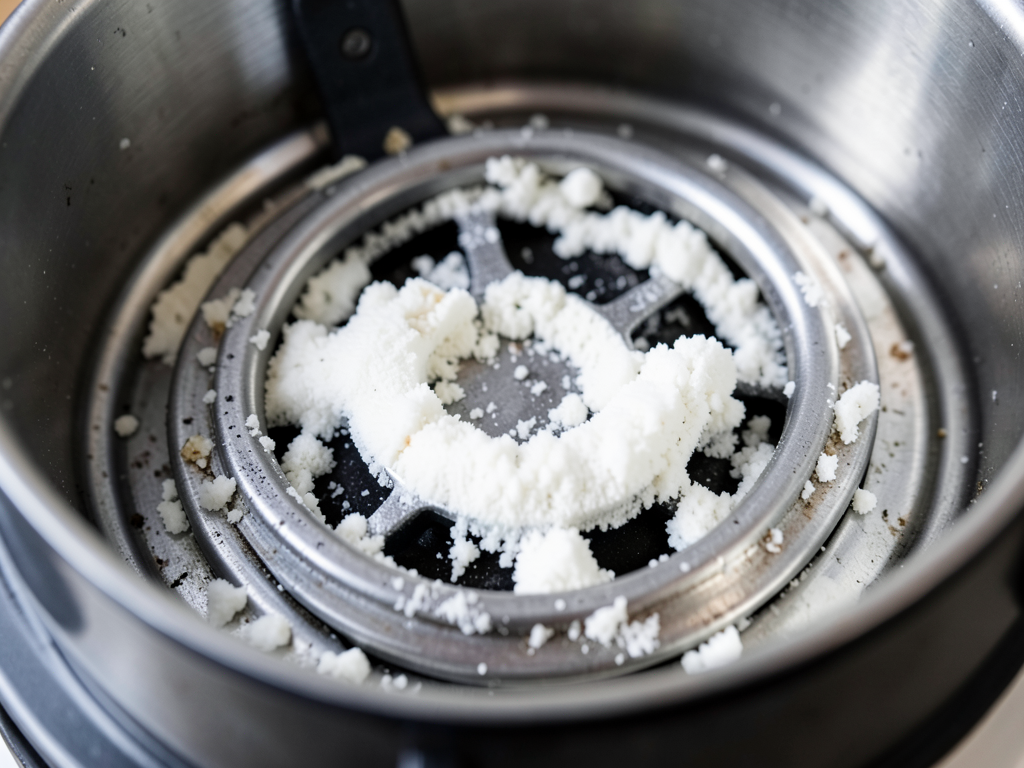
How North Greenwich Hard Water Is Quietly Ruining Your Coffee Maker
Hard water is quietly destroying your coffee maker and every other water-using appliance in your North Greenwich home. The 280-300 parts per million calcium and magnesium content flowing through your pipes right now is forming a rock-hard layer inside your coffee maker that reduces heating efficiency by up to 30% and can cut your appliance’s lifespan in half.
Residents along Greenwich Avenue and in the Riverside area are experiencing the same problem. The water from Aquarion Water Company that tastes fine coming out of the tap is slowly turning your morning coffee ritual into a frustrating battle against scale buildup and lukewarm brews.
What Makes North Greenwich Water So Hard
North Greenwich sits in an area where the groundwater naturally picks up high concentrations of dissolved minerals as it travels through limestone bedrock. Thames Water data shows SE10 postcodes averaging 280-300 ppm total hardness, which classifies as “very hard” water on the UK scale.
The minerals responsible are primarily calcium and magnesium ions that bond together when water is heated. This creates calcium carbonate scale that builds up layer by layer inside your coffee maker’s heating element and water lines.
Local geology plays a major role. The limestone-rich soil beneath Cos Cob and Old Greenwich allows water to absorb more minerals than areas with granite bedrock. This is why two homes just a few miles apart can have dramatically different water hardness levels.
5 Appliances Being Destroyed by Limescale
The same hard water that ruins your coffee maker is attacking every water-using appliance in your home. Here’s what’s happening inside each one:
The Coffee Maker: Your Morning Ritual Under Attack
Your coffee maker’s heating element is working overtime to push through layers of scale. What used to take 3 minutes now takes 5 because the scale acts like insulation, forcing the element to run hotter and longer.
The first sign is usually lukewarm coffee or longer brew times. Then you notice white chalky residue around the water reservoir. Eventually, the heating element fails completely, and you’re buying a new $300 Miele coffee system a year earlier than expected.
The Water Heater: Silent Efficiency Killer
Scale buildup in your water heater creates an insulating layer between the burner and the water. This forces your heater to use 15-20% more energy to achieve the same temperature, costing you an extra $150-200 per year in utility bills.
The sediment also creates hot spots on the tank bottom, accelerating corrosion. A water heater in North Greenwich typically lasts 8-10 years instead of the 12-15 years manufacturers promise for soft water areas.
Dishwashers and Washing Machines: The Hidden Victims
Hard water minerals react with soap to form soap scum that coats spray arms and clogs tiny water jets. Your dishwasher’s performance drops steadily as mineral deposits restrict water flow and reduce cleaning effectiveness.
Heating elements in washing machines burn out faster because they’re working through scale buildup. The average lifespan of a washing machine in hard water areas is 7-9 years versus 12-15 years in soft water regions.
Showerheads and Faucets: The Visible Warning Sign
White crusty buildup around your showerhead isn’t just unsightly—it’s reducing water flow by up to 50%. Those tiny holes get smaller every month as mineral deposits accumulate.
Shower valves and faucet cartridges also suffer. Hard water causes rubber seals to deteriorate faster and metal parts to seize up. You’ll notice reduced water pressure and eventually complete failure of moving parts.
Steam Irons and Humidifiers: The Specialty Appliances
Steam irons are particularly vulnerable to hard water damage. The heating element scales up quickly, and the steam vents clog with mineral deposits. You’ll notice white powdery residue on your clothes and reduced steam output.
Whole-house humidifiers and CPAP machines also suffer. Scale buildup reduces efficiency and can introduce mineral dust into the air you breathe.
The Financial Cost of Hard Water in Your Home
The damage from hard water adds up quickly in North Greenwich homes. Here’s what you’re really paying for that invisible mineral problem:
| Appliance | Average Lifespan (Hard Water) | Average Lifespan (Soft Water) | Annual Replacement Cost |
|---|---|---|---|
| Water Heater | 8-10 years | 12-15 years | $150-200 |
| Dishwasher | 6-8 years | 10-12 years | $100-150 |
| Washing Machine | 7-9 years | 12-15 years | $120-180 |
| Coffee Maker | 2-3 years | 5-7 years | $80-120 |
Energy costs tell a similar story. Scale buildup in your water heater forces it to work 15-20% harder, adding $150-200 to your annual utility bills. Multiply that by the 8-year lifespan of a hard-water heater, and you’re looking at $1,200-1,600 in wasted energy costs.
The soap and detergent costs are higher too. Hard water requires 20-30% more soap to achieve the same cleaning results. That’s an extra $50-75 per year on cleaning products alone.
How to Test Your Greenwich Home for Hard Water
You can check your water hardness in about 5 minutes with a simple test. Here’s how to do it:
- Collect a Sample
Fill a clean glass with cold tap water from your kitchen sink. Use water that’s been running for at least 30 seconds to get a fresh sample.
- Perform the Soap Test
Add 10 drops of pure liquid soap (not detergent) to the water. Castile soap works best for this test. Shake vigorously for 10 seconds.
- Observe the Results
If you see lots of suds and clear water underneath, your water is soft. If you see few suds and cloudy, milky water, you have hard water. The cloudier the water, the harder it is.
For more accurate results, you can purchase a water hardness test strip from any hardware store. These strips change color based on mineral content and give you a reading in grains per gallon or parts per million.
Local plumbing supply stores in Greenwich often offer free water testing. They use digital testers that provide exact hardness readings and can recommend appropriate treatment solutions. Plumbing Stamford.
Solutions: From Descalers to Whole-House Water Softeners
You have several options for dealing with hard water, ranging from simple maintenance to comprehensive treatment systems. The right choice depends on your budget, the severity of your water hardness, and which appliances you’re most concerned about protecting.
Descaling Your Existing Appliances
For immediate relief, you can descale your coffee maker and other small appliances using vinegar or commercial descaling solutions. Run a mixture of equal parts white vinegar and water through your coffee maker, then flush with clean water several times.
This provides temporary relief but doesn’t address the underlying problem. Scale will return within weeks because the hard water is still flowing through your pipes.
Point-of-Use Water Softeners
These small units attach directly to individual appliances like your coffee maker or dishwasher. They use ion exchange resin to remove calcium and magnesium ions from the water before it enters the appliance.
The advantage is targeted protection for your most expensive appliances. The disadvantage is you need multiple units and ongoing maintenance as the resin needs periodic regeneration.
Whole-House Water Softening Systems
A whole-house system treats all the water entering your home, protecting every appliance and fixture. These systems use ion exchange technology to replace calcium and magnesium ions with sodium or potassium ions.
Installation requires professional plumbing work and compliance with local building codes. In Greenwich, water softener discharge must meet specific requirements to protect the municipal sewer system. Emergency Sewer Backup Cleanup.
The initial investment ranges from $1,500-3,000 installed, but the energy savings and extended appliance life typically pay for the system within 3-5 years.
Local Regulations and Installation Considerations
Installing a water softener in Greenwich requires compliance with Connecticut State Building Code and local health department regulations. The system must be properly sized for your home’s water usage and installed by a licensed plumber. EPA WaterSense program.
According to the Connecticut Department of Public Health, water softeners must include automatic shutoff valves to prevent continuous regeneration and water waste. The brine tank must also be properly secured to prevent tipping and salt bridging.
Local water pressure in North Greenwich typically ranges from 40-60 psi, which is within the acceptable range for most residential water softeners. However, homes in areas with older plumbing may need pressure regulators installed.
Backwash discharge requirements vary by municipality. In Greenwich, softener backwash must discharge to the sanitary sewer system, not to the yard or storm drains. This prevents salt buildup in the soil and protects local waterways. The Most Reliable Drain Cleaning Services in Old Greenwich.
Protecting Your Investment in Luxury Appliances
Many North Greenwich homes feature high-end European appliances from brands like Miele, Bosch, and Sub-Zero. These premium machines are particularly vulnerable to hard water damage because they use precision components and sophisticated electronics.
A Miele coffee system that costs $2,000-3,000 can fail in 2-3 years with hard water exposure. The internal pumps, valves, and heating elements are designed for soft water operation and cannot tolerate scale buildup.
Commercial-grade dishwashers in luxury kitchens face similar risks. The high-temperature wash cycles accelerate scale formation, and the precision spray arms clog quickly with mineral deposits.
Water softening becomes essential when you’ve invested in premium appliances. The cost of the softening system is typically recovered within the extended warranty period of your high-end equipment.
The Professional Diagnosis Process
A professional plumber can diagnose your hard water problems using specialized testing equipment. The process includes:
- Water hardness testing with digital meters that provide exact ppm readings
- Inspection of existing appliances for scale buildup and damage patterns
- Evaluation of your home’s plumbing system for corrosion and mineral deposits
- Assessment of water pressure and flow rates throughout the house
- Recommendations for appropriate treatment based on your specific situation
The diagnostic process typically takes 1-2 hours and provides a comprehensive report of your water quality issues and recommended solutions.
Frequently Asked Questions
How do I know if hard water is damaging my coffee maker?
Look for signs like longer brew times, lukewarm coffee, white chalky residue around the water reservoir, and reduced steam output. If your coffee maker is less than 3 years old and showing these symptoms, hard water is likely the culprit.
Is hard water dangerous to drink?
Hard water is not considered dangerous to drink and may even provide beneficial minerals like calcium and magnesium. However, it can affect the taste of beverages and cause significant damage to plumbing and appliances.
How much does a whole-house water softener cost in Greenwich?
Installation costs typically range from $1,500-3,000 depending on the system size, installation complexity, and local permit requirements. The system itself costs $800-1,500, with the remainder being professional installation and plumbing modifications.
Can I install a water softener myself?
While DIY installation is possible, it’s not recommended. Professional installation ensures compliance with building codes, proper sizing for your home’s water usage, and warranty protection. Improper installation can lead to leaks, water damage, and system failure.
How long does it take to see results after installing a water softener?
You’ll notice improvements in soap lathering and cleaning effectiveness within days. Scale buildup in pipes and appliances gradually dissolves over 4-6 weeks, and you’ll see the full benefits of soft water within 2-3 months.
Call (475) 320-3733 today to schedule your water quality assessment and protect your appliances from hard water damage.
Don’t wait until your coffee maker fails or your water heater starts leaking. The longer you wait, the more expensive the damage becomes. Pick up the phone and call (475) 320-3733 before the next storm hits and your plumbing problems multiply. For more information, visit CDC water quality guidelines.