
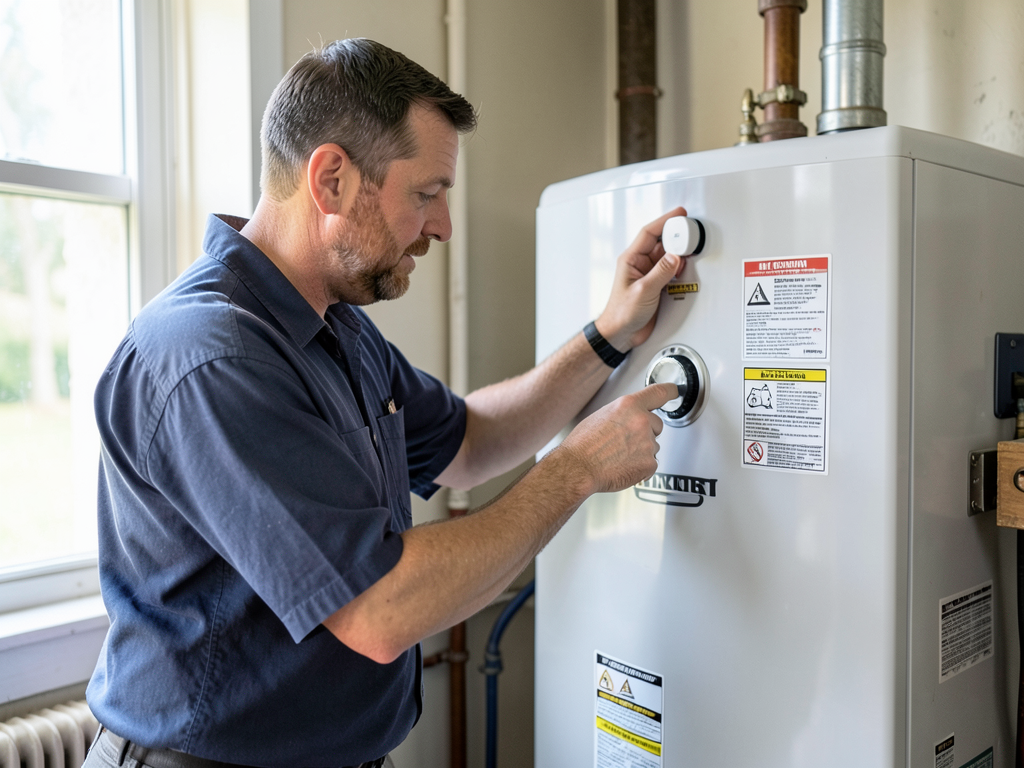
Hot water that burns your skin is more than an annoyance—it’s a serious safety hazard in your Old Greenwich home. Whether you’re dealing with a faulty thermostat, a stuck pressure valve, or a water heater that’s simply too hot, this guide walks you through the exact steps to diagnose and fix the problem. You’ll learn how to safely adjust your water heater, test the temperature, and recognize when it’s time to call a professional plumber in Greenwich before someone gets hurt.
Why Your Bathroom Water Is Too Hot (And Why It Matters)
Water above 120°F can cause third-degree burns in seconds, especially dangerous for children and elderly residents in historic Greenwich homes. The EPA recommends 120°F as the safe maximum temperature to prevent scalding while still killing harmful bacteria. If your water feels like it’s boiling, you could have a malfunctioning thermostat, a broken mixing valve, or sediment buildup affecting the heating element’s accuracy. EPA water heater temperature recommendations.
Greenwich’s hard water, supplied by Aquarion Water Company, accelerates sediment accumulation in water heaters. This mineral buildup can cause the thermostat to misread temperatures, leading to unpredictable scalding bursts when you turn on the shower or sink.
Step-by-Step: How to Test and Adjust Your Water Heater Temperature
Before making any adjustments, you need to know exactly how hot your water is. Here’s the diagnostic process our technicians use on every service call:
- Gather Your Tools
You’ll need a digital kitchen thermometer, a heat-resistant cup, and a marker to note the temperature reading.
- Run the Hot Water
Turn on the hot water tap closest to your water heater and let it run for 3 minutes until the temperature stabilizes.
- Take the Reading
Fill the cup and immediately insert the thermometer. Wait 30 seconds for an accurate reading.
- Record Multiple Tests
Test at different times of day—morning, afternoon, and evening—to check for temperature fluctuations.
If your readings consistently exceed 130°F, you have a problem that needs immediate attention.
How to Adjust a Gas Water Heater in Your Old Greenwich Home
Gas water heaters have a simple dial control, but the adjustment process requires caution. Here’s how to do it safely:
- Locate the Control Dial
Find the thermostat dial near the bottom of your gas water heater. It’s usually marked with temperature settings from “Low” to “Very Hot.”
- Turn Off the Gas Supply
Locate the gas shut-off valve and turn it to the “Off” position. This prevents any gas leaks during adjustment.
- Adjust the Temperature
Turn the dial to 120°F. If there are no degree markings, set it to the midpoint between “Low” and “Hot.”
- Wait and Test
Wait 3-4 hours for the water to reach the new temperature, then retest using the method above.
Important Safety Note: Never adjust the gas control if you smell gas. If you detect that rotten egg odor, evacuate immediately and call your gas company from outside the home.
How to Adjust an Electric Water Heater Thermostat Safely
Electric water heaters require more steps and present electrical hazards. Only attempt this if you’re comfortable working with electrical panels.
- Turn Off Power
Switch off the circuit breaker that powers your water heater. Double-check with a voltage tester that power is completely off.
- Remove Access Panels
Take off the upper and lower thermostat access panels using a screwdriver. You’ll see insulation that needs to be carefully moved aside.
- Adjust Both Thermostats
Set both the upper and lower thermostats to 120°F using a flathead screwdriver. The lower thermostat controls the bottom heating element and maintains temperature during normal use.
- Replace Everything
Put the insulation back, secure the access panels, and restore power at the breaker.
Warning: Electric water heaters have two heating elements. If one fails, the other works overtime, potentially overheating the water. This is a common issue in older Greenwich homes with aging electrical systems.
Common Causes of Scalding Hot Water in Greenwich Homes
Understanding why your water is too hot helps prevent future problems. Here are the most frequent issues we see in Old Greenwich:
- Faulty Thermostat – The temperature sensor fails, causing the heating element to run continuously
- Stuck Pressure Relief Valve – This safety valve should release excess pressure but can become stuck in the closed position
- Crossed Connections – Hot and cold water lines get reversed, mixing extremely hot water into your cold supply
- Undersized Tank – A small tank for a large household runs constantly, overheating the water
Greenwich’s historic homes, particularly those built before 1980, often have original plumbing that’s more susceptible to these issues. The combination of aging pipes and hard water creates a perfect storm for temperature control problems. Plumbing Stamford.
When to Call a Professional Plumber in Greenwich
Some water heater problems require professional expertise. Call (475) 320-3733 if you experience any of these warning signs: Expert Boiler Repair for Historic Greenwich Homes.
- Water temperature fluctuates wildly between scalding and lukewarm
- You hear popping or rumbling sounds from the tank (sediment boiling)
- The pressure relief valve leaks continuously
- You smell gas or burning electrical odors
- Your water heater is over 10 years old and showing these symptoms
Professional plumbers in Greenwich understand the unique challenges of our local water quality and building codes. They can install anti-scald devices, replace faulty thermostats, and ensure your system meets Connecticut State Building Code requirements for safety. Emergency Plumbers in Greenwich Who Actually Answer the Phone at 3 AM.
Energy Savings and Safety Benefits of Proper Temperature Settings
Setting your water heater to 120°F provides multiple benefits beyond safety. You’ll reduce energy consumption by 3-5% for every 10-degree reduction, potentially saving $50-100 annually on your utility bills. This is especially valuable for Greenwich residents dealing with high energy costs.
Proper temperature settings also extend your water heater’s lifespan by reducing mineral buildup and preventing the heating elements from working overtime. In our experience, homeowners who maintain correct temperatures see their water heaters last 2-3 years longer than those who ignore the issue.. Read more about Proper Drainage for Your Luxury Outdoor Shower in Old Greenwich.
Anti-Scald Devices: An Extra Layer of Protection
Even with proper temperature settings, installing anti-scald valves provides additional safety. These devices automatically mix cold water with hot water to maintain a safe output temperature, regardless of fluctuations in your water heater.
There are two main types:
- Pressure-Balancing Valves – Adjust for changes in water pressure to maintain consistent temperature
- Thermostatic Mixing Valves – Monitor and control the actual water temperature at the outlet
For families with young children or elderly residents, these devices are worth the investment. Many Greenwich building codes now require anti-scald protection in new construction and major renovations.
Maintenance Tips to Prevent Future Scalding Issues
Regular maintenance prevents most water heater problems. Here’s what our technicians recommend for Greenwich homeowners:
- Annual Flushing – Drain your tank once per year to remove sediment buildup
- Pressure Relief Valve Test – Test the valve quarterly by lifting the lever and ensuring it releases water
- Anode Rod Inspection – Check this corrosion-preventing rod every 2-3 years
- Temperature Testing – Use your thermometer quarterly to ensure settings remain correct
These simple steps can prevent the dangerous temperature spikes that cause scalding injuries.
Comparing Water Heater Types and Their Temperature Control
Different water heater types have varying temperature control capabilities. Here’s how they compare:
| Water Heater Type | Temperature Control Precision | Common Issues in Greenwich | Best For |
|---|---|---|---|
| Conventional Gas | Moderate (±5°F) | Sediment buildup, thermostat failure | Most homes |
| Conventional Electric | Good (±3°F) | Element failure, crossed connections | Areas without gas |
| Tankless | Excellent (±2°F) | Flow rate issues, mineral scaling | High-demand households |
| Heat Pump | Excellent (±2°F) | Cold climate efficiency drop | Energy-conscious homeowners |
Greenwich’s climate and water quality affect each type differently. Gas heaters are most common in our area, but tankless systems are gaining popularity for their precise temperature control and energy efficiency.
Understanding the Bacteria vs. Scald Debate
There’s an ongoing debate in plumbing about the ideal water temperature. The EPA recommends 120°F to prevent scalding, but some experts argue this temperature isn’t hot enough to kill Legionella bacteria, which causes Legionnaires’ disease.
The compromise solution is to maintain 120°F at the tap but periodically raise the tank temperature to 140°F for several hours to kill any bacteria. This requires a mixing valve to prevent scalding when the hot water is used.
For most Greenwich homes, 120°F provides the best balance of safety and sanitation. However, if you have elderly residents or those with compromised immune systems, consult with a local plumber about your specific needs.
Special Considerations for Historic Greenwich Homes
Old Greenwich’s historic homes present unique challenges for water temperature control. Many were built before modern plumbing codes existed, and their aging systems require special attention.
Common issues in historic homes include:
- Galvanized steel pipes that corrode and restrict water flow
- Original mixing valves that no longer function properly
- Insufficient insulation causing heat loss in distribution pipes
- Outdated pressure balancing systems
If your home is in the historic district or built before 1950, consider having a plumber inspect your entire hot water system. Modern anti-scald devices can often be retrofitted without compromising the home’s historic character.
Cost Factors for Professional Water Heater Repairs
Professional repairs vary in cost depending on the issue. Here’s what to expect: Why We Are the Top Rated Pipe Repair Specialists in Byram.
- Thermostat replacement: $150-300
- Pressure relief valve replacement: $100-200
- Anti-scald valve installation: $300-500
- Complete water heater replacement: $1,200-2,500
These are 2026 prices for Greenwich area service. Factors affecting cost include the age of your system, accessibility of the water heater, and whether emergency service is required.
Preventing Scalding in Multi-Story Greenwich Homes
Townhomes and multi-story homes in Greenwich face additional challenges. Hot water can become superheated as it travels through long pipe runs, especially in homes with recirculating systems.
Solutions include:
- Installing thermostatic mixing valves at each fixture
- Using smaller, point-of-use water heaters for upper floors
- Insulating hot water pipes to maintain consistent temperature
These strategies prevent the temperature spikes that often occur when hot water finally reaches distant fixtures after cooling in the pipes.
Your Next Steps for Safe Hot Water
Don’t wait until someone gets burned to address your scalding hot water problem. Take these immediate actions:
- Test your water temperature today using the method described above
- If it’s above 130°F, adjust your water heater following the appropriate steps
- Install anti-scald devices if you have young children or elderly residents
- Schedule professional maintenance if you notice any warning signs
Remember, water that’s too hot is a preventable hazard. With proper adjustment and maintenance, you can enjoy safe, comfortable hot water throughout your Old Greenwich home.
Frequently Asked Questions
How hot is too hot for bath water?
Water above 120°F can cause third-degree burns in just 5 seconds. For safe bathing, the water should feel hot but not painful when you test it with your hand.
Can I just turn down the cold water to make it safer?
No. Reducing cold water flow actually increases the risk of scalding because it concentrates the hot water. You need to adjust the hot water temperature at the source.
How long does it take for water heater adjustments to take effect?
Most adjustments require 3-4 hours for the entire tank to reach the new temperature. Tankless systems adjust almost immediately.
Is it normal for water to get hotter later in the day?
Significant temperature fluctuations aren’t normal. This could indicate a failing thermostat or sediment buildup affecting the heating element’s accuracy.
Should I drain my water heater myself?
While possible, professional draining ensures proper sediment removal and checks for other issues. DIY draining often leaves sediment behind, especially in hard water areas like Greenwich. The Most Reliable Drain Cleaning Services in Old Greenwich.
Call (475) 320-3733 today to schedule your water heater inspection. Our licensed Greenwich plumbers can diagnose and fix your scalding hot water problem quickly and safely. Don’t risk burns—let the professionals handle it. For more information, visit CDC information on Legionella bacteria.
{
“@context”: “https://schema.org”,
“@type”: “BlogPosting”,
“headline”: “How to Fix Water That Is Scalding Hot in Your Old Greenwich Bathroom”,
“description”: “Scalding hot water in your Old Greenwich bathroom? Learn safe fixes for water heater temperature, thermostat adjustment, and when to call a licensed plumber at (475) 320-3733.”,
“wordCount”: 1978,
“datePublished”: “2026-05-26T09:45:00.000Z”,
“dateModified”: “2026-05-26T09:45:00.000Z”,
“inLanguage”: “en-US”,
“mainEntityOfPage”: {
“@type”: “WebPage”,
“@id”: “https://unitedplumbinggreenwich.com”
},
“publisher”: {
“@type”: “LocalBusiness”,
“name”: “United Plumbing Greenwich”,
“url”: “https://unitedplumbinggreenwich.com”
},
“author”: {
“@type”: “Organization”,
“name”: “United Plumbing Greenwich”,
“url”: “https://unitedplumbinggreenwich.com”
},
“image”: {
“@type”: “ImageObject”,
“url”: “https://unitedplumbinggreenwich.com/wp-content/uploads/2026/03/how-to-fix-water-that-is-scalding-hot-in-your-old-1.png”
}
}
{
“@context”: “https://schema.org”,
“@type”: “Plumber”,
“name”: “United Plumbing Greenwich”,
“url”: “https://unitedplumbinggreenwich.com”,
“address”: {
“@type”: “PostalAddress”,
“addressLocality”: “Greenwich”
},
“areaServed”: {
“@type”: “City”,
“name”: “Greenwich”
}
}
{
“@context”: “https://schema.org”,
“@type”: “FAQPage”,
“mainEntity”: [
{
“@type”: “Question”,
“name”: “How hot is too hot for bath water?”,
“acceptedAnswer”: {
“@type”: “Answer”,
“text”: “Water above 120°F can cause third-degree burns in just 5 seconds. For safe bathing, the water should feel hot but not painful when you test it with your hand.”
}
},
{
“@type”: “Question”,
“name”: “Can I just turn down the cold water to make it safer?”,
“acceptedAnswer”: {
“@type”: “Answer”,
“text”: “No. Reducing cold water flow actually increases the risk of scalding because it concentrates the hot water. You need to adjust the hot water temperature at the source.”
}
},
{
“@type”: “Question”,
“name”: “How long does it take for water heater adjustments to take effect?”,
“acceptedAnswer”: {
“@type”: “Answer”,
“text”: “Most adjustments require 3-4 hours for the entire tank to reach the new temperature. Tankless systems adjust almost immediately.”
}
},
{
“@type”: “Question”,
“name”: “Should I drain my water heater myself?”,
“acceptedAnswer”: {
“@type”: “Answer”,
“text”: “While possible, professional draining ensures proper sediment removal and checks for other issues. DIY draining often leaves sediment behind, especially in hard water areas like Greenwich. The Most Reliable Drain Cleaning Services in Old Greenwich.”
}
}
]
}
{
“@context”: “https://schema.org”,
“@type”: “HowTo”,
“name”: “Testing Water Temperature”,
“step”: [
{
“@type”: “HowToStep”,
“position”: 1,
“name”: “Gather Your Tools”,
“text”: “You’ll need a digital kitchen thermometer, a heat-resistant cup, and a marker to note the temperature reading.”
},
{
“@type”: “HowToStep”,
“position”: 2,
“name”: “Run the Hot Water”,
“text”: “Turn on the hot water tap closest to your water heater and let it run for 3 minutes until the temperature stabilizes.”
},
{
“@type”: “HowToStep”,
“position”: 3,
“name”: “Take the Reading”,
“text”: “Fill the cup and immediately insert the thermometer. Wait 30 seconds for an accurate reading.”
},
{
“@type”: “HowToStep”,
“position”: 4,
“name”: “Record Multiple Tests”,
“text”: “Test at different times of day—morning, afternoon, and evening—to check for temperature fluctuations.”
}
],
“image”: “https://unitedplumbinggreenwich.com/wp-content/uploads/2026/03/how-to-fix-water-that-is-scalding-hot-in-your-old-1.png”
}
{
“@context”: “https://schema.org”,
“@type”: “BreadcrumbList”,
“itemListElement”: [
{
“@type”: “ListItem”,
“position”: 1,
“name”: “Home”,
“item”: “https://unitedplumbinggreenwich.com”
},
{
“@type”: “ListItem”,
“position”: 2,
“name”: “Blog”,
“item”: “https://unitedplumbinggreenwich.com/blog”
},
{
“@type”: “ListItem”,
“position”: 3,
“name”: “How to Fix Water That Is Scalding Hot in Your Old Greenwich Bathroom”
}
]
}
{
“@context”: “https://schema.org”,
“@type”: “Service”,
“serviceType”: “Plumbing”,
“provider”: {
“@type”: “LocalBusiness”,
“name”: “United Plumbing Greenwich”,
“url”: “https://unitedplumbinggreenwich.com”
},
“areaServed”: {
“@type”: “City”,
“name”: “Greenwich”
},
“description”: “Scalding hot water in your Old Greenwich bathroom? Learn safe fixes for water heater temperature, thermostat adjustment, and when to call a licensed plumber at (475) 320-3733.”
}