
How to Identify Failing Cast Iron Pipes in Older Greenwich Neighborhoods Like Byram
If your Greenwich home was built before 1980, there’s a good chance it has cast iron sewer pipes that are reaching the end of their service life. Homes in Byram, Riverside, and Cos Cob were constructed with these pipes during the post-war building boom, and many are now showing signs of internal corrosion that homeowners cannot see from the surface. The first step in preventing a costly sewer backup is learning to recognize the warning signs before a complete failure occurs. Emergency Sewer Backup Cleanup.
Cast iron pipes typically last 50 to 75 years in Connecticut’s coastal climate, but the combination of acidic soil, tree root intrusion, and freeze-thaw cycles can accelerate deterioration. In Byram’s older neighborhoods, where mature oak and maple trees line the streets, root penetration is a leading cause of cast iron failure. The pipes develop hairline cracks that allow roots to enter, and once inside, the roots trap waste and create blockages that worsen over time.. Read more about Managing Grease and Waste in Your Professional-Grade Home Kitchen in Greenwich.
The most common visible sign of failing cast iron is recurring drain clogs that seem to clear temporarily but return within days. You might notice multiple fixtures backing up at once, or hear gurgling sounds from toilets when other drains are used. Another telltale indicator is the presence of sewage odors near floor drains or in the basement, which suggests cracked pipes are allowing sewer gas to escape. The Most Reliable Drain Cleaning Services in Old Greenwich.
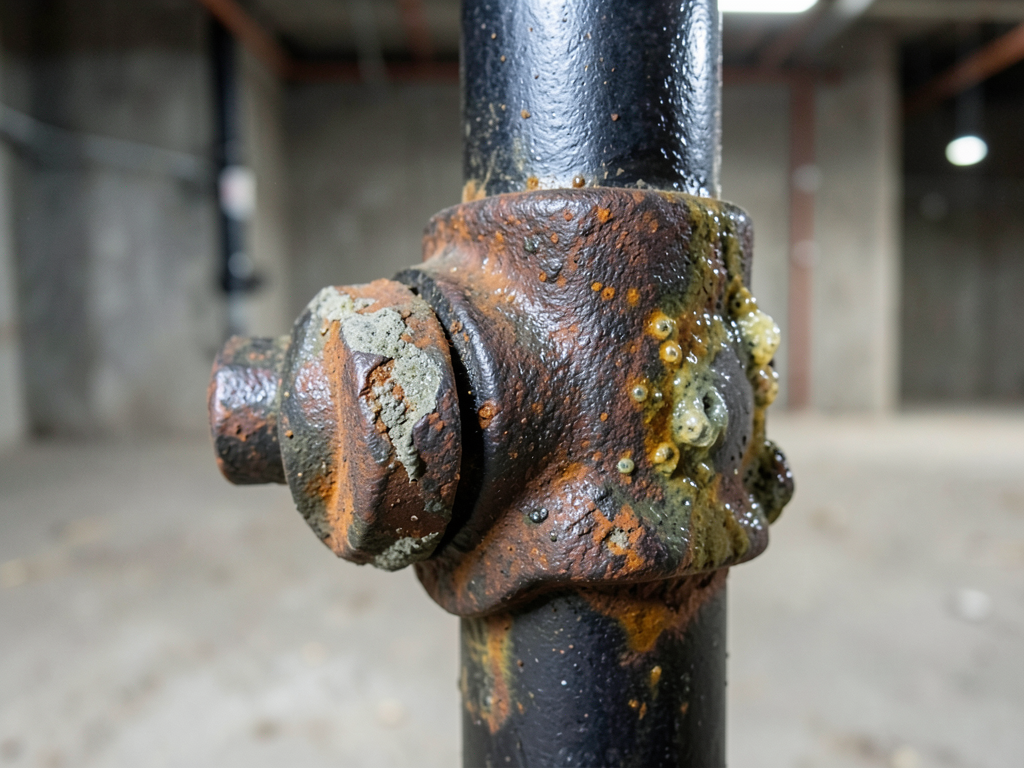
Visual inspection reveals rust stains around pipe joints and fittings. If you can access your basement or crawl space, look for rust streaks running down the outside of pipes, especially at connection points. These stains indicate moisture is escaping through hairline cracks in the pipe walls. You might also notice the pipes feeling unusually thin or brittle when tapped gently with a screwdriver handle.
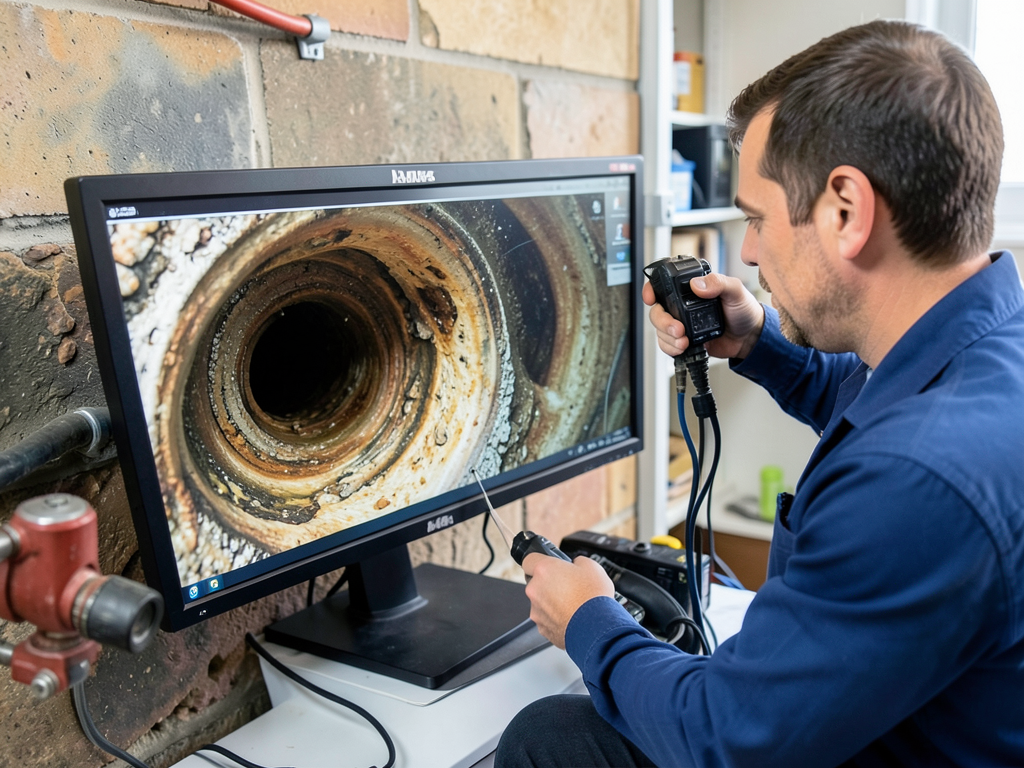
Professional plumbers use specialized camera inspections to see inside cast iron pipes without excavation. The camera reveals internal corrosion patterns called tuberculation, where iron oxide builds up in layers, reducing pipe diameter by 50% or more. In Byram’s older homes, we frequently find pipes that appear structurally sound from the outside but are completely deteriorated internally. Emergency Plumbers in Greenwich Who Actually Answer the Phone at 3 AM.
Greenwich’s Department of Public Works requires permits for any sewer line work, and homes within 100 feet of public right-of-way must comply with specific trenching and backfill requirements. The town’s rocky soil composition, common in Byram and Riverside, makes excavation more challenging and expensive than in areas with sandy soil. This is why many homeowners opt for trenchless replacement methods that minimize property disruption. EPA guidelines on sewer line repair.
Tree root intrusion creates visible patterns on camera inspections. When roots penetrate cast iron pipes, they appear as dark, fibrous masses growing inside the pipe. The roots trap waste material, creating blockages that cause slow drains and backups. In Byram’s mature neighborhoods, we often find oak and maple roots that have grown through pipe joints over decades.
The Connecticut State Building Code requires that any replaced sewer lines use materials meeting ASTM standards for durability and chemical resistance. Modern PVC Schedule 40 pipe has become the standard replacement for cast iron because it resists corrosion, tree root penetration, and soil acids that destroy metal pipes. The smooth interior walls of PVC also prevent waste buildup that occurs in corroded cast iron. ASTM standards for PVC pipe.
Hydro jetting is often the first step in addressing cast iron pipe issues. This process uses high-pressure water streams to scour the inside of pipes, removing scale buildup and debris. However, if the camera inspection reveals significant corrosion or cracks, jetting alone won’t solve the underlying problem. The pipes need either lining or complete replacement.
Cured-in-Place Pipe (CIPP) lining creates a new pipe within the old one. This trenchless method involves inserting a resin-saturated felt tube into the existing pipe, then curing it with hot water or steam. The result is a jointless, corrosion-resistant pipe that extends the life of your sewer system by 50 years or more. CIPP works well in Byram’s older homes where landscaping and hardscaping make excavation difficult.
The cost of cast iron pipe replacement varies significantly based on accessibility and method chosen. Trenchless lining typically costs 30-40% less than traditional excavation because it eliminates the need to restore driveways, landscaping, and sidewalks. However, if pipes have collapsed or are severely misaligned, excavation may be the only viable option.
Greenwich’s coastal location exposes cast iron pipes to salt air and high humidity, which accelerates corrosion compared to inland areas. Homes within a quarter-mile of Long Island Sound often experience pipe failure 10-15 years earlier than similar homes in central Connecticut. This makes regular camera inspections particularly important for Byram and Riverside properties.
The presence of galvanized steel water supply lines alongside cast iron sewer pipes often indicates a home is due for comprehensive plumbing updates. Galvanized pipes typically fail within the same timeframe as cast iron, and replacing both systems during a single project can be more cost-effective than addressing them separately. Plumbing Stamford.
Insurance coverage for cast iron pipe replacement varies by policy. Most standard homeowner’s policies exclude sewer line damage caused by normal wear and tear, but may cover sudden failures that cause property damage. Some insurance companies offer endorsements specifically for sewer line repair, which can be worthwhile for older Greenwich homes. Why We Are the Top Rated Pipe Repair Specialists in Byram.
The decision between repair and replacement depends on several factors. If camera inspection shows localized damage affecting less than 20% of the pipe length, spot repairs might be sufficient. However, widespread corrosion or multiple joint failures usually indicate the entire line needs replacement to prevent future problems.
Modern trenchless technology has made sewer line replacement much less disruptive than in the past. Pipe bursting, another trenchless method, involves pulling a new pipe through the old one while simultaneously fracturing the damaged pipe outward. This method works well in Byram’s narrow lots where traditional excavation would damage mature landscaping.. Read more about Where Your Sump Pump Discharge Should Actually Go to Avoid Neighborhood Issues in Pemberwick.
The Connecticut Department of Energy and Environmental Protection regulates sewer line work to prevent groundwater contamination. All replacement work must include proper sealing of connections and testing to ensure no leaks occur. This is particularly important in Byram’s areas with high water tables, where sewage leaks can contaminate drinking water sources.
Property value impact is another consideration when deciding on pipe replacement. Homes with updated plumbing systems typically sell faster and command higher prices than those with known cast iron issues. In Byram’s competitive real estate market, having documentation of recent sewer line work can be a significant selling point.
The presence of slow drains in multiple fixtures often indicates a main sewer line problem rather than individual drain issues. If plunging and drain cleaners don’t resolve the problem, and multiple fixtures are affected, the issue likely lies in the cast iron sewer pipe running from your home to the street.
Greenwich’s building department requires that all sewer line replacements be inspected before backfilling. This ensures proper slope, secure connections, and compliance with local codes. The inspection process typically takes 24-48 hours, so factor this timeline into your project planning if you’re scheduling work.
Modern PVC pipe offers several advantages over cast iron beyond corrosion resistance. The smooth interior walls create better flow characteristics, reducing the likelihood of future clogs. PVC also expands and contracts with temperature changes without cracking, making it ideal for Connecticut’s freeze-thaw cycles.
The age of your home provides important clues about your pipe material. Homes built between 1950 and 1980 almost certainly have cast iron sewer pipes, while those constructed before 1950 might have clay or Orangeburg pipes, which have their own failure patterns. Homes built after 1980 typically have PVC or ABS plastic pipes that don’t corrode.
Professional assessment is crucial before deciding on any repair method. A qualified plumber will perform a camera inspection, check for proper slope, and identify any code violations or potential problems. This assessment typically costs $300-500 but can save thousands by preventing unnecessary work or identifying the most cost-effective solution.
The presence of foundation cracks or settling can complicate sewer line replacement. If your home’s foundation has shifted, the sewer pipes may have separated at joints or developed sags that trap waste. These issues require additional work to correct the slope and ensure proper drainage.
Call (475) 320-3733 today to schedule your professional camera inspection before the next heavy rain causes a backup. Our experienced technicians understand the unique challenges of Byram’s older homes and can recommend the most cost-effective solution for your specific situation.
Frequently Asked Questions
How long does cast iron pipe replacement typically take?
Most cast iron pipe replacement projects in Greenwich homes take 2-4 days from start to finish. Trenchless methods can often be completed in a single day, while traditional excavation may require additional time for permits, inspections, and property restoration.
Can I continue using my plumbing during the replacement process?
During trenchless replacement, you can usually continue using your plumbing with minimal interruption. Traditional excavation may require you to avoid using certain fixtures for 24-48 hours while new connections are made and tested.
What’s the average cost range for cast iron pipe replacement in Greenwich?
Cast iron pipe replacement in Greenwich typically costs between $3,000 and $15,000, depending on the length of pipe being replaced, the method used, and site accessibility. Trenchless methods generally fall on the lower end of this range.
How do I know if my home’s pipes are cast iron or another material?
Homes built between 1950-1980 almost always have cast iron sewer pipes. You can also check exposed pipes in your basement or crawl space – cast iron appears dark gray to black and is much heavier than modern plastic pipes. A professional camera inspection can definitively identify your pipe material.
Will my homeowner’s insurance cover cast iron pipe replacement?
Most standard policies exclude coverage for cast iron pipe replacement due to normal aging and deterioration. However, if a sudden failure causes property damage, your policy might cover the resulting damage. Some insurers offer specific endorsements for sewer line repair coverage.
What permits are required for sewer line replacement in Greenwich?
Greenwich requires building permits for all sewer line work, and additional approvals may be needed if the work affects public right-of-way. The town’s building department must inspect the work before backfilling, and all work must comply with Connecticut State Building Code requirements.
How can I prevent future problems after replacing cast iron pipes?
After replacement with modern PVC pipe, prevent future issues by avoiding planting trees near sewer lines, scheduling annual camera inspections, and addressing any drainage problems that could cause soil movement around pipes. Proper maintenance can extend the life of your new sewer system by decades.
{
“@context”: “https://schema.org”,
“@type”: “BlogPosting”,
“headline”: “How to Identify Failing Cast Iron Pipes in Older Greenwich Neighborhoods Like Byram”,
“description”: “Learn to spot failing cast iron pipes in Byram and surrounding Greenwich neighborhoods before they collapse. Expert tips on corrosion signs, testing, and replacement.”,
“wordCount”: 1814,
“datePublished”: “2026-05-12T07:16:00.000Z”,
“dateModified”: “2026-05-12T07:16:00.000Z”,
“inLanguage”: “en-US”,
“mainEntityOfPage”: {
“@type”: “WebPage”,
“@id”: “https://unitedplumbinggreenwich.com”
},
“publisher”: {
“@type”: “LocalBusiness”,
“name”: “United Plumbing Greenwich”,
“url”: “https://unitedplumbinggreenwich.com”
},
“author”: {
“@type”: “Organization”,
“name”: “United Plumbing Greenwich”,
“url”: “https://unitedplumbinggreenwich.com”
},
“image”: {
“@type”: “ImageObject”,
“url”: “https://unitedplumbinggreenwich.com/wp-content/uploads/2026/03/how-to-identify-failing-cast-iron-pipes-in-older-g-1.png”
}
}
{
“@context”: “https://schema.org”,
“@type”: “Plumber”,
“name”: “United Plumbing Greenwich”,
“url”: “https://unitedplumbinggreenwich.com”,
“address”: {
“@type”: “PostalAddress”,
“addressLocality”: “Greenwich”
},
“areaServed”: {
“@type”: “City”,
“name”: “Greenwich”
}
}
{
“@context”: “https://schema.org”,
“@type”: “FAQPage”,
“mainEntity”: [
{
“@type”: “Question”,
“name”: “How long does cast iron pipe replacement typically take?”,
“acceptedAnswer”: {
“@type”: “Answer”,
“text”: “Most cast iron pipe replacement projects in Greenwich homes take 2-4 days from start to finish. Trenchless methods can often be completed in a single day, while traditional excavation may require additional time for permits, inspections, and property restoration.”
}
},
{
“@type”: “Question”,
“name”: “Can I continue using my plumbing during the replacement process?”,
“acceptedAnswer”: {
“@type”: “Answer”,
“text”: “During trenchless replacement, you can usually continue using your plumbing with minimal interruption. Traditional excavation may require you to avoid using certain fixtures for 24-48 hours while new connections are made and tested.”
}
},
{
“@type”: “Question”,
“name”: “What’s the average cost range for cast iron pipe replacement in Greenwich?”,
“acceptedAnswer”: {
“@type”: “Answer”,
“text”: “Cast iron pipe replacement in Greenwich typically costs between $3,000 and $15,000, depending on the length of pipe being replaced, the method used, and site accessibility. Trenchless methods generally fall on the lower end of this range.”
}
},
{
“@type”: “Question”,
“name”: “How do I know if my home’s pipes are cast iron or another material?”,
“acceptedAnswer”: {
“@type”: “Answer”,
“text”: “Homes built between 1950-1980 almost always have cast iron sewer pipes. You can also check exposed pipes in your basement or crawl space – cast iron appears dark gray to black and is much heavier than modern plastic pipes. A professional camera inspection can definitively identify your pipe material.”
}
},
{
“@type”: “Question”,
“name”: “Will my homeowner’s insurance cover cast iron pipe replacement?”,
“acceptedAnswer”: {
“@type”: “Answer”,
“text”: “Most standard policies exclude coverage for cast iron pipe replacement due to normal aging and deterioration. However, if a sudden failure causes property damage, your policy might cover the resulting damage. Some insurers offer specific endorsements for sewer line repair coverage.”
}
},
{
“@type”: “Question”,
“name”: “What permits are required for sewer line replacement in Greenwich?”,
“acceptedAnswer”: {
“@type”: “Answer”,
“text”: “Greenwich requires building permits for all sewer line work, and additional approvals may be needed if the work affects public right-of-way. The town’s building department must inspect the work before backfilling, and all work must comply with Connecticut State Building Code requirements.”
}
},
{
“@type”: “Question”,
“name”: “How can I prevent future problems after replacing cast iron pipes?”,
“acceptedAnswer”: {
“@type”: “Answer”,
“text”: “After replacement with modern PVC pipe, prevent future issues by avoiding planting trees near sewer lines, scheduling annual camera inspections, and addressing any drainage problems that could cause soil movement around pipes. Proper maintenance can extend the life of your new sewer system by decades.”
}
}
]
}
{
“@context”: “https://schema.org”,
“@type”: “BreadcrumbList”,
“itemListElement”: [
{
“@type”: “ListItem”,
“position”: 1,
“name”: “Home”,
“item”: “https://unitedplumbinggreenwich.com”
},
{
“@type”: “ListItem”,
“position”: 2,
“name”: “Blog”,
“item”: “https://unitedplumbinggreenwich.com/blog”
},
{
“@type”: “ListItem”,
“position”: 3,
“name”: “How to Identify Failing Cast Iron Pipes in Older Greenwich Neighborhoods Like Byram”
}
]
}
{
“@context”: “https://schema.org”,
“@type”: “Service”,
“serviceType”: “Plumbing”,
“provider”: {
“@type”: “LocalBusiness”,
“name”: “United Plumbing Greenwich”,
“url”: “https://unitedplumbinggreenwich.com”
},
“areaServed”: {
“@type”: “City”,
“name”: “Greenwich”
},
“description”: “Learn to spot failing cast iron pipes in Byram and surrounding Greenwich neighborhoods before they collapse. Expert tips on corrosion signs, testing, and replacement.”
}