
How to Tell if Your Older Greenwich Home Still Has Risky Polybutylene Piping
If your Greenwich home was built between 1978 and 1995, you might be living with a plumbing time bomb. Polybutylene piping, a flexible gray plastic pipe once marketed as the “pipe of the future,” was installed in thousands of homes across Fairfield County during those years. Today, we know it fails catastrophically when exposed to chlorine and other oxidants common in municipal water supplies. Plumbing Stamford.
The problem is particularly acute in Greenwich because our water chemistry accelerates pipe degradation. Aquarion Water Company’s treatment process, while safe for drinking, creates the exact conditions that cause polybutylene to become brittle and crack from the inside out. By the time you see a leak, the damage has been happening for years.
This guide will show you exactly how to identify polybutylene pipes in your home, where to look for them, and what to do if you find them. We’ll focus specifically on Greenwich homes, where the combination of pipe age, water chemistry, and local real estate values makes this issue especially critical.
Physical Characteristics of Polybutylene Pipes
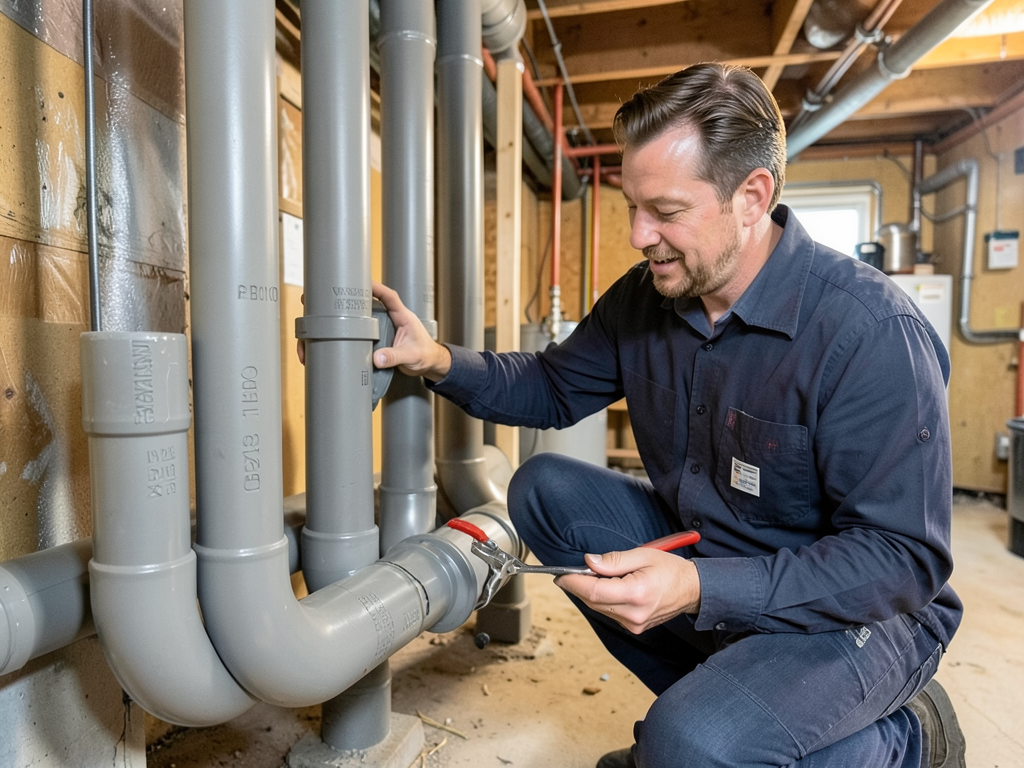
Polybutylene pipes have distinct visual characteristics that make them identifiable once you know what to look for. The most common type is a dull gray plastic pipe with a slight bluish tint. However, you might also encounter blue, black, or silver polybutylene, though these are less common in Greenwich homes.
The pipe typically comes in diameters ranging from 1/2 inch to 1 inch for residential use. It’s noticeably lighter than copper or PVC pipes of the same size. When you handle a section, it feels flexible and somewhat rubbery compared to the rigid feel of other piping materials.
The most definitive identification mark is the “PB2110” stamp printed along the length of the pipe. This marking follows ASTM D-3309 standards and indicates the pipe meets the specifications for polybutylene water supply piping. Look closely for this code, as it’s often faded or partially covered by mineral deposits in older installations. ASTM D-3309 Standard Specification.
Polybutylene pipes have a characteristic dull finish that doesn’t reflect light like polished copper or glossy PVC. The surface often shows fine hairline cracks when examined closely, especially near fittings where stress concentrates. These micro-cracks are early warning signs of impending failure.
Where to Check for Polybutylene Pipes in Your Greenwich Home
Start your inspection at the main water service entrance. In Greenwich homes, this is typically where the water line enters the basement or crawl space. Polybutylene was commonly used for the entire service line from the street to the home, so you might find it immediately where the pipe penetrates your foundation wall.
Check around your water heater next. Polybutylene pipes were frequently used for both the cold water supply and hot water distribution because of their flexibility and ease of installation. Look for the characteristic gray pipe connecting to the top or side of your water heater.
Examine under all sinks and vanities. Many Greenwich homes from the polybutylene era used manifold systems where a single pipe runs to a central location and branches out to individual fixtures. You might find a cluster of gray pipes in a utility closet or behind a bathroom access panel.
Check your basement ceiling joists if you have an unfinished basement. Polybutylene pipes were often run along joists because they could be bent around obstacles without fittings. Look for the gray pipes running perpendicular to floor joists, often secured with plastic clips or metal straps.
Don’t forget to check behind washing machines and utility sinks. These areas often have the original polybutylene piping because they’re less frequently accessed for renovations. The pipes might be hidden behind the appliances or in wall cavities.
The Fitting Factor: Why Connections Fail First
The most dangerous aspect of polybutylene piping isn’t the pipe itself but the fittings used to connect sections together. Early polybutylene installations used acetal plastic fittings that were particularly prone to cracking and separating under pressure. EPA Secondary Drinking Water Standards.
These gray or white plastic fittings have a characteristic “bulbous” appearance where they join the pipe. They often fail suddenly without warning, causing catastrophic water damage. The failure typically occurs at the fitting-to-pipe interface where stress concentrates during normal pressure fluctuations.
Later installations used copper or brass crimp rings with metal insert fittings, which are more reliable but still problematic. These fittings show a copper band around the pipe where it connects to the fitting. While they last longer than acetal fittings, they can still fail as the polybutylene becomes brittle with age. The Most Reliable Drain Cleaning Services in Old Greenwich.
The Connecticut State Building Code now prohibits the use of polybutylene piping and fittings in new installations. Current code references include Section 14-183a-11 of the Connecticut Plumbing and Piping Regulations, which specifically bans materials with known failure histories.. Read more about Plumbing Repairs Needed to Pass a Greenwich Home Inspection.
When inspecting your pipes, pay special attention to any areas where polybutylene connects to other materials. These transition points are often where failures occur first, as different materials expand and contract at different rates.
Common Misidentifications: Polybutylene vs. PEX vs. PVC
Homeowners often confuse polybutylene with other plastic piping materials. PEX (cross-linked polyethylene) is the most common misidentification. While both are flexible plastic pipes, PEX has distinct characteristics that set it apart.
PEX typically comes in red, blue, or white colors and has a shinier, more polished appearance than polybutylene. It’s also more flexible and can be bent into tighter curves without kinking. Most importantly, PEX is stamped with “PEX” and a manufacturer’s code, not “PB2110.”
PVC pipes, while also plastic, are rigid and white or cream-colored. They make a distinct clicking sound when tapped and are commonly used for drain lines rather than water supply. PVC doesn’t have the flexibility or gray color of polybutylene.
Another material sometimes confused with polybutylene is CPVC (chlorinated polyvinyl chloride). CPVC is used for hot water lines and has a yellowish-cream color. It’s rigid like PVC but rated for higher temperatures. CPVC is stamped with “CPVC” and is not subject to the same failure issues as polybutylene. Why We Are the Top Rated Pipe Repair Specialists in Byram.
If you’re unsure about your pipe identification, the “flexibility test” can help. Polybutylene can be bent moderately without kinking, while PVC and CPVC are rigid. PEX is extremely flexible and can be coiled. However, don’t bend pipes aggressively during inspection as this could cause damage to already weakened polybutylene.
Greenwich-Specific Risk Factors
Greenwich homes face unique challenges with polybutylene piping due to our local water chemistry and housing stock. The Aquarion Water Company serves most of Fairfield County, including Greenwich, and uses specific treatment processes that accelerate polybutylene degradation.. Read more about The Unique Challenges of Updating Plumbing in a Pre-War Home in Glenville.
Our water typically has chlorine levels between 0.5 and 1.0 parts per million, which is within safe drinking standards but at the threshold where polybutylene begins to oxidize internally. The presence of dissolved oxygen and trace minerals in our water supply creates a perfect storm for pipe deterioration.
Greenwich’s housing stock from the 1970s through early 1990s often featured polybutylene in high-end custom homes where builders sought innovative materials. Areas like Riverside, Old Greenwich, and parts of Cos Cob have higher concentrations of these homes, particularly those built during the building booms of the late 1970s and early 1980s.
The freeze-thaw cycles common in Connecticut winters also stress polybutylene pipes. When water freezes inside the pipes, it expands and creates pressure points that can cause existing micro-fractures to propagate. This seasonal stress accelerates the failure timeline for already compromised pipes.
Many Greenwich homes have complex plumbing layouts with multiple bathrooms, hot tubs, and outdoor irrigation systems that put additional stress on the piping network. The more fixtures and connections in a system, the higher the likelihood of a failure occurring somewhere in the network.
Insurance and Real Estate Implications
Discovering polybutylene piping in your Greenwich home can have significant financial implications. Many insurance companies either refuse coverage for homes with polybutylene or charge substantially higher premiums. Some policies specifically exclude damage caused by polybutylene failure.
During real estate transactions, polybutylene piping must be disclosed to potential buyers. Connecticut law requires sellers to disclose known material defects, and polybutylene’s history of failure makes it a significant disclosure item. Many buyers will either walk away from a deal or demand price reductions to cover repiping costs.
The typical cost to repipe a Greenwich home ranges from $8,000 to $15,000 depending on the home’s size and complexity. While this seems expensive, it pales in comparison to the potential damage from a catastrophic failure, which can easily exceed $50,000 in water damage repairs, mold remediation, and content loss.
Some homeowners insurance companies require professional inspection and certification that polybutylene has been removed before issuing or renewing policies. Without this certification, you might find yourself unable to obtain affordable coverage in one of the most expensive real estate markets in the country.
The Connecticut Insurance Department has issued guidance to insurers about polybutylene risks, and many companies now have specific underwriting guidelines for homes with this piping. This regulatory attention reflects the widespread nature of the problem in our state.
Professional Inspection and Testing Options
While visual identification can be helpful, professional inspection provides definitive answers about your polybutylene situation. A licensed Connecticut plumber can perform pressure testing to identify weaknesses in your system that aren’t visible to the naked eye.
Pressure testing involves isolating sections of your plumbing and subjecting them to pressures higher than normal operating conditions. This test can reveal weak points, fittings nearing failure, and areas where the pipe has become brittle. The test typically takes 2-3 hours and costs between $300-$500.
Infrared thermography can also detect polybutylene pipes behind walls and under floors. This technology shows temperature differences that help locate pipes without destructive testing. It’s particularly useful in Greenwich’s older homes where polybutylene might be hidden behind plaster walls or under hardwood floors.
Some homeowners opt for pipe sampling and laboratory analysis. A small section of pipe can be removed and tested for oxidation levels, chlorine absorption, and structural integrity. This testing provides concrete data about your specific pipes’ condition and remaining lifespan.
Professional plumbers also check for signs of previous polybutylene failures that have been repaired with other materials. These “hybrid” systems often indicate that the original polybutylene is near the end of its useful life and should be replaced entirely rather than patched. Emergency Plumbers in Greenwich Who Actually Answer the Phone at 3 AM.
Replacement Options and Considerations
If you confirm polybutylene in your Greenwich home, you have several replacement options. The most common is complete replacement with PEX piping, which offers similar flexibility but without the failure issues. PEX is also resistant to freeze damage and can be installed with fewer fittings than traditional copper piping.
Copper piping remains the gold standard for water supply lines. While more expensive and requiring more fittings, copper has a proven track record of reliability and adds value to high-end homes. Many Greenwich homeowners choose copper for its durability and the fact that it doesn’t have the same insurance implications as polybutylene.
The replacement process typically takes 3-5 days for an average home and involves accessing walls, ceilings, and floors to remove the old piping and install new lines. Professional plumbers use techniques to minimize damage to finished surfaces, but some drywall repair is usually necessary.
Many homeowners choose to upgrade fixtures and valves during the repiping process since the walls are already open. This can be an opportunity to install water-efficient fixtures, upgrade to modern valve types, or add features like water hammer arrestors.
Permitting requirements vary by municipality, but Greenwich typically requires plumbing permits for whole-house repiping. The permit process ensures that the work meets current Connecticut plumbing codes and will pass inspection when you sell your home.
Cost Factors Specific to Greenwich
Repiping costs in Greenwich tend to be higher than national averages due to several factors. Labor rates in Fairfield County are among the highest in the nation, and the complexity of many Greenwich homes adds to installation time.
Older homes in historic districts may have preservation requirements that affect how repiping can be done. For example, visible pipes might need to be routed in specific ways or concealed to maintain architectural integrity. These requirements can increase both time and cost.
High-end finishes in many Greenwich homes mean that repairs to walls, ceilings, and floors after repiping must match expensive materials. Matching custom woodwork, imported tile, or specialty plaster can significantly increase the overall project cost.
Some homes in areas like Back Country Greenwich have complex layouts with multiple wings or additions that complicate piping routes. These architectural features can double or triple the time required for repiping compared to a simple ranch-style home.
Emergency repiping situations, where a failure has already occurred, typically cost 30-50% more than scheduled work due to the need for rapid response, water damage mitigation, and working around restoration crews. Emergency Sewer Backup Cleanup.
Prevention and Monitoring Strategies
If you discover polybutylene in your Greenwich home but aren’t ready for full replacement, several monitoring strategies can help you avoid catastrophic failure. Install water leak detection systems that can shut off your main water supply if abnormal flow is detected.
Smart water monitors can track your normal water usage patterns and alert you to unusual activity that might indicate a developing leak. These systems typically cost $200-$500 and can provide 24/7 monitoring of your plumbing system.
Regular visual inspections of accessible polybutylene pipes can help you spot early warning signs. Look for discoloration, visible cracks, or fittings that show signs of stress or separation. Pay special attention to areas where pipes pass through walls or where they’re subject to movement or vibration.
Consider having your water pressure tested. Excessive water pressure accelerates polybutylene failure. If your pressure is above 80 PSI, installing a pressure-reducing valve can extend the life of your remaining polybutylene pipes.
Document the locations of all polybutylene pipes in your home. This information is valuable for insurance purposes, future renovations, and when you eventually sell the property. Many buyers appreciate knowing exactly what they’re dealing with rather than discovering problems during inspection.
Frequently Asked Questions
How can I tell if my home has polybutylene pipes?
Look for gray plastic pipes with the “PB2110” marking, check around water heaters and under sinks, and examine your main water service line entry point. If you’re unsure, a professional plumber can perform a definitive inspection.
Is polybutylene piping illegal in Connecticut?
While not illegal to have in existing homes, polybutylene cannot be installed in new construction under Connecticut plumbing codes. The state prohibits its use due to documented failure patterns and safety concerns.
Will polybutylene pipes affect my home’s value?
Yes, polybutylene can significantly impact your home’s marketability and value. Many buyers will either demand price reductions or require replacement before closing. Some lenders may also have issues with financing homes with polybutylene piping.
How long does polybutylene piping typically last?
Polybutylene pipes installed in the 1970s-1990s typically begin showing problems after 10-20 years. Many systems installed during the peak years of 1985-1992 have already experienced failures, making replacement increasingly urgent for homes of that era.
Can I just replace the visible polybutylene pipes and leave the rest?
Partial replacement often leads to problems later as the remaining polybutylene continues to fail. Most professionals recommend complete replacement to avoid the cost and disruption of multiple partial repairs over time.
What’s the difference between polybutylene and PEX piping?
PEX is a modern, reliable alternative to polybutylene with a proven track record. Unlike polybutylene, PEX doesn’t have the same failure issues with chlorine and oxidants. PEX is also more flexible and easier to install than polybutylene.
Should I be concerned about polybutylene in a home I’m buying?
Yes, polybutylene should be a serious concern for any homebuyer. It can lead to expensive repairs, insurance issues, and potential water damage. Most home inspectors will note the presence of polybutylene, and you should factor replacement costs into your offer price.
How much does it cost to replace polybutylene pipes?
Repiping costs vary widely based on home size and complexity, but typical ranges in Greenwich are $8,000-$15,000 for complete replacement. Emergency replacements or homes with complex layouts can cost significantly more.
Can I sell my home with polybutylene pipes?
Yes, but you must disclose the presence of polybutylene to potential buyers. Many buyers will either walk away or demand price reductions to cover replacement costs. Some may require professional inspection before proceeding with a purchase.
What should I do if I find polybutylene in my home?
Document what you’ve found and contact a licensed Connecticut plumber for professional assessment. They can help you understand your options, which might include monitoring, partial replacement, or complete system replacement depending on your specific situation and risk tolerance.
Take Action Before It’s Too Late
Polybutylene piping in your Greenwich home isn’t just a minor inconvenience—it’s a serious risk to your property and peace of mind. The combination of our local water chemistry, freeze-thaw cycles, and the age of most polybutylene installations means that failure is not a matter of “if” but “when.”
Don’t wait for water to flood your basement or damage your valuable possessions. A simple inspection today can save you tens of thousands of dollars in repairs tomorrow. Our team has extensive experience identifying and replacing polybutylene systems throughout Fairfield County, including many homes in Greenwich, Riverside, and Old Greenwich.
We offer comprehensive pipe inspections that include pressure testing, visual examination, and detailed reports about your plumbing system’s condition. If we find polybutylene, we’ll provide clear options for replacement with modern, reliable materials that meet all Connecticut building codes.
Pick up the phone and call (475) 320-3733 today to schedule your inspection. Our experienced technicians will arrive promptly, assess your situation professionally, and give you the information you need to make the right decision for your home and family. Don’t let polybutylene pipes put your Greenwich home at risk—call now while it’s still just an inspection, not an emergency.
{
“@context”: “https://schema.org”,
“@type”: “BlogPosting”,
“headline”: “How to Tell if Your Older Greenwich Home Still Has Risky Polybutylene Piping”,
“description”: “Learn to identify dangerous polybutylene pipes in your Greenwich home. Spot the gray plastic, check for PB2110 markings, and understand the risks to your property.”,
“wordCount”: 3012,
“datePublished”: “2026-04-10T11:29:00.000Z”,
“dateModified”: “2026-04-10T11:29:00.000Z”,
“inLanguage”: “en-US”,
“mainEntityOfPage”: {
“@type”: “WebPage”,
“@id”: “https://unitedplumbinggreenwich.com”
},
“publisher”: {
“@type”: “LocalBusiness”,
“name”: “United Plumbing Greenwich”,
“url”: “https://unitedplumbinggreenwich.com”
},
“author”: {
“@type”: “Organization”,
“name”: “United Plumbing Greenwich”,
“url”: “https://unitedplumbinggreenwich.com”
},
“image”: {
“@type”: “ImageObject”,
“url”: “https://unitedplumbinggreenwich.com/wp-content/uploads/2026/03/how-to-tell-if-your-older-greenwich-home-still-has-1.png”
}
}
{
“@context”: “https://schema.org”,
“@type”: “Plumber”,
“name”: “United Plumbing Greenwich”,
“url”: “https://unitedplumbinggreenwich.com”,
“address”: {
“@type”: “PostalAddress”,
“addressLocality”: “Greenwich”
},
“areaServed”: {
“@type”: “City”,
“name”: “Greenwich”
}
}
{
“@context”: “https://schema.org”,
“@type”: “FAQPage”,
“mainEntity”: [
{
“@type”: “Question”,
“name”: “How can I tell if my home has polybutylene pipes?”,
“acceptedAnswer”: {
“@type”: “Answer”,
“text”: “Look for gray plastic pipes with the \”PB2110\” marking, check around water heaters and under sinks, and examine your main water service line entry point. If you’re unsure, a professional plumber can perform a definitive inspection.”
}
},
{
“@type”: “Question”,
“name”: “Is polybutylene piping illegal in Connecticut?”,
“acceptedAnswer”: {
“@type”: “Answer”,
“text”: “While not illegal to have in existing homes, polybutylene cannot be installed in new construction under Connecticut plumbing codes. The state prohibits its use due to documented failure patterns and safety concerns.”
}
},
{
“@type”: “Question”,
“name”: “Will polybutylene pipes affect my home’s value?”,
“acceptedAnswer”: {
“@type”: “Answer”,
“text”: “Yes, polybutylene can significantly impact your home’s marketability and value. Many buyers will either demand price reductions or require replacement before closing. Some lenders may also have issues with financing homes with polybutylene piping.”
}
},
{
“@type”: “Question”,
“name”: “How long does polybutylene piping typically last?”,
“acceptedAnswer”: {
“@type”: “Answer”,
“text”: “Polybutylene pipes installed in the 1970s-1990s typically begin showing problems after 10-20 years. Many systems installed during the peak years of 1985-1992 have already experienced failures, making replacement increasingly urgent for homes of that era.”
}
},
{
“@type”: “Question”,
“name”: “Can I just replace the visible polybutylene pipes and leave the rest?”,
“acceptedAnswer”: {
“@type”: “Answer”,
“text”: “Partial replacement often leads to problems later as the remaining polybutylene continues to fail. Most professionals recommend complete replacement to avoid the cost and disruption of multiple partial repairs over time.”
}
},
{
“@type”: “Question”,
“name”: “What’s the difference between polybutylene and PEX piping?”,
“acceptedAnswer”: {
“@type”: “Answer”,
“text”: “PEX is a modern, reliable alternative to polybutylene with a proven track record. Unlike polybutylene, PEX doesn’t have the same failure issues with chlorine and oxidants. PEX is also more flexible and easier to install than polybutylene.”
}
},
{
“@type”: “Question”,
“name”: “Should I be concerned about polybutylene in a home I’m buying?”,
“acceptedAnswer”: {
“@type”: “Answer”,
“text”: “Yes, polybutylene should be a serious concern for any homebuyer. It can lead to expensive repairs, insurance issues, and potential water damage. Most home inspectors will note the presence of polybutylene, and you should factor replacement costs into your offer price.”
}
},
{
“@type”: “Question”,
“name”: “How much does it cost to replace polybutylene pipes?”,
“acceptedAnswer”: {
“@type”: “Answer”,
“text”: “Repiping costs vary widely based on home size and complexity, but typical ranges in Greenwich are $8,000-$15,000 for complete replacement. Emergency replacements or homes with complex layouts can cost significantly more.”
}
},
{
“@type”: “Question”,
“name”: “Can I sell my home with polybutylene pipes?”,
“acceptedAnswer”: {
“@type”: “Answer”,
“text”: “Yes, but you must disclose the presence of polybutylene to potential buyers. Many buyers will either walk away or demand price reductions to cover replacement costs. Some may require professional inspection before proceeding with a purchase.”
}
},
{
“@type”: “Question”,
“name”: “What should I do if I find polybutylene in my home?”,
“acceptedAnswer”: {
“@type”: “Answer”,
“text”: “Document what you’ve found and contact a licensed Connecticut plumber for professional assessment. They can help you understand your options, which might include monitoring, partial replacement, or complete system replacement depending on your specific situation and risk tolerance.”
}
}
]
}
{
“@context”: “https://schema.org”,
“@type”: “BreadcrumbList”,
“itemListElement”: [
{
“@type”: “ListItem”,
“position”: 1,
“name”: “Home”,
“item”: “https://unitedplumbinggreenwich.com”
},
{
“@type”: “ListItem”,
“position”: 2,
“name”: “Blog”,
“item”: “https://unitedplumbinggreenwich.com/blog”
},
{
“@type”: “ListItem”,
“position”: 3,
“name”: “How to Tell if Your Older Greenwich Home Still Has Risky Polybutylene Piping”
}
]
}
{
“@context”: “https://schema.org”,
“@type”: “Service”,
“serviceType”: “Plumbing”,
“provider”: {
“@type”: “LocalBusiness”,
“name”: “United Plumbing Greenwich”,
“url”: “https://unitedplumbinggreenwich.com”
},
“areaServed”: {
“@type”: “City”,
“name”: “Greenwich”
},
“description”: “Learn to identify dangerous polybutylene pipes in your Greenwich home. Spot the gray plastic, check for PB2110 markings, and understand the risks to your property.”
}