
Installing a New Tankless Water Heater in Your Greenwich Home
Switching to a tankless water heater in Greenwich means endless hot water on demand and lower energy bills. These high-efficiency units heat water only when you need it, unlike traditional tanks that keep 40-50 gallons hot all day. For Greenwich homeowners dealing with high utility costs and limited basement space in historic homes, tankless systems offer a modern upgrade that pays for itself through energy savings and space recovery. Energy Department tankless water heater guide.
Before installation, you need to know your home’s hot water demand. A family of four using multiple showers and appliances simultaneously might need a unit rated for 8-10 gallons per minute (GPM). Greenwich’s water comes from Aquarion Water Company with moderate hardness around 5-7 grains per gallon, which is manageable for most tankless units but requires annual descaling to prevent mineral buildup on heat exchangers.. Read more about Getting Your Water Heater Replaced in Riverside Without Overpaying.
Why Greenwich Homeowners are Switching to Tankless
Greenwich’s mix of historic Colonials and modern estates creates unique water heating challenges. Older homes often have undersized gas lines that can’t support high-BTU tankless units, while newer construction may have the capacity but still wastes energy with traditional tanks. Tankless systems eliminate the 30% standby heat loss that plagues storage tanks, which matters in Greenwich where heating water accounts for up to 18% of home energy use.. Read more about How to Choose the Right Water Softener for Your Greenwich Home.
Space savings are significant. A tankless unit mounts on a wall and measures about 28″ x 20″ x 10″, freeing up the 5′ x 2′ floor space a traditional tank occupies. This matters in Riverside and Old Greenwich where basements often double as storage areas. The units also last 20+ years versus 10-12 years for tank models, making them ideal for Greenwich’s high-value properties where long-term reliability matters.
Local water conditions affect performance. Greenwich’s moderate hardness means you’ll need annual maintenance to flush the heat exchanger with vinegar solution, preventing scale that reduces efficiency by up to 30%. Homes near Long Island Sound may experience slightly higher humidity, which can affect venting requirements and condensate drainage. The Most Reliable Drain Cleaning Services in Old Greenwich.
Our Local Installation Process
Professional installation starts with a comprehensive site assessment. We evaluate your existing gas line capacity, electrical service, venting options, and water hardness. Many Greenwich homes built before 1980 have 1/2″ gas lines that need upgrading to 3/4″ or 1″ to support high-BTU units (120,000-199,000 BTU for whole-house systems).. Read more about Is a Whole House Water Filtration System Worth It for Greenwich Families?.
The installation process follows these steps:
- Site Assessment and Sizing
We calculate your peak hot water demand based on simultaneous fixture usage, then select the appropriate unit size and fuel type.
- Permit Acquisition
We handle permits through the Greenwich Building Department, ensuring compliance with Connecticut State Building Code Section 2801.6 for water heaters.
- Gas Line and Venting Modifications
Upgrading gas lines, installing Category III stainless steel venting, and setting up condensate drains for condensing units.
- Old Unit Removal and Disposal
Safe removal of the existing tank, proper recycling of components, and preparation of the installation area.
- Unit Installation and Testing
Mounting the tankless system, connecting gas and water lines, installing digital controls, and performing comprehensive testing.
- Final Inspection and Customer Training
Greenwich building inspector sign-off, demonstration of digital controls, and maintenance schedule setup.
Venting is critical in Greenwich’s coastal climate. Condensing units produce acidic condensate that requires proper drainage and stainless steel venting rated for -40°F to 230°F. We install Category III venting with sealed combustion to prevent backdrafting in tight basements common in Glenville and Cos Cob.
Greenwich Building Codes & Permit Requirements
Connecticut State Building Code Section 2801.6 mandates specific requirements for water heater installations, including seismic strapping, temperature-pressure relief valves, and proper combustion air supply. Greenwich’s local amendments often require additional documentation for historic districts, particularly in areas like Byram and Pemberwick where exterior modifications need approval.. Read more about The Best Local Plumbers for Luxury Bathroom Remodels in Belle Haven.
Permit costs in Greenwich typically range from $150-300 depending on project scope. The process takes 3-5 business days for standard installations, but historic homes may require additional review. We handle all permit applications and coordinate with building inspectors to ensure your installation passes final inspection.
Local codes require expansion tanks on closed plumbing systems to prevent thermal expansion damage. This is especially important in Greenwich’s newer construction where pressure-reducing valves are common. We install Watts or Amtrol expansion tanks sized to your system pressure and water volume. Plumbing Stamford.
Top Brands We Install
We install three main brands based on your home’s specific needs and budget. Here’s how they compare:
| Brand | BTU Range | Warranty | Best For |
|---|---|---|---|
| Navien NPE-A | 150,000-199,000 | 15 years heat exchanger | Largest homes, highest efficiency |
| Rinnai RUCS | 160,000-199,000 | 12 years heat exchanger | Balanced performance and cost |
| Noritz NRCP | 120,000-150,000 | 12 years heat exchanger | Moderate demand, budget-conscious |
Navien leads in efficiency with up to 0.96 UEF (Uniform Energy Factor) and built-in recirculation pumps that eliminate cold-water sandwich effect. Rinnai offers Wi-Fi controls and works well with existing gas lines. Noritz provides reliable performance at a lower price point, ideal for smaller homes or supplemental units.
All units we install feature freeze protection down to -30°F, crucial for Greenwich’s winter temperatures that can drop below zero during polar vortex events. They also include leak detection that automatically shuts off water if a problem is detected, protecting your home from water damage.
Cost Factors and Energy Rebates
Installation costs in Greenwich range from $3,500-7,000 depending on complexity. Factors affecting price include gas line upgrades ($500-1,500), venting modifications ($300-800), and permit fees ($150-300). The unit itself costs $1,200-2,500 based on brand and capacity.
Energize Connecticut offers rebates up to $300 for high-efficiency water heaters meeting ENERGY STAR criteria. Federal tax credits through 2026 provide 30% of installation costs up to $2,000 for qualifying high-efficiency units. These incentives can reduce your net cost by 25-40%. Energize Connecticut rebates.
Operating costs average $200-400 annually for gas units versus $400-600 for traditional tanks, based on current natural gas rates in Fairfield County. The payback period is typically 4-7 years, but with 20+ year lifespans, you’ll save thousands over the unit’s life.
Hard water affects efficiency. Without proper maintenance, scale buildup can reduce heat transfer by 25-30%, increasing energy costs. We include a first-year maintenance visit and recommend annual descaling, which costs $150-200 but maintains efficiency and extends unit life.
Frequently Asked Questions
How long does installation take?
Most installations complete in one day. Complex projects requiring gas line upgrades or historic district approvals may take 2-3 days. We handle all permitting and inspections to minimize disruption.
Can I keep my existing gas line?
Many Greenwich homes need gas line upgrades. Units over 150,000 BTU require 3/4″ or 1″ lines. We’ll test your existing line pressure and recommend upgrades if needed to ensure safe, efficient operation.
What maintenance do tankless units need?
Annual descaling prevents mineral buildup. We also check venting, combustion, and electronic controls. Most units have self-diagnostic systems that alert you to maintenance needs through digital displays or smartphone apps.
Will I run out of hot water?
Tankless units provide continuous hot water as long as you don’t exceed their GPM rating. Proper sizing ensures multiple showers, dishwashers, and washing machines run simultaneously without temperature drop.
Are tankless units worth it in Greenwich?
Yes. High energy costs, limited basement space, and long heating seasons make tankless systems cost-effective. Combined with available rebates and 20+ year lifespans, they offer better ROI than traditional tanks for most Greenwich homes.
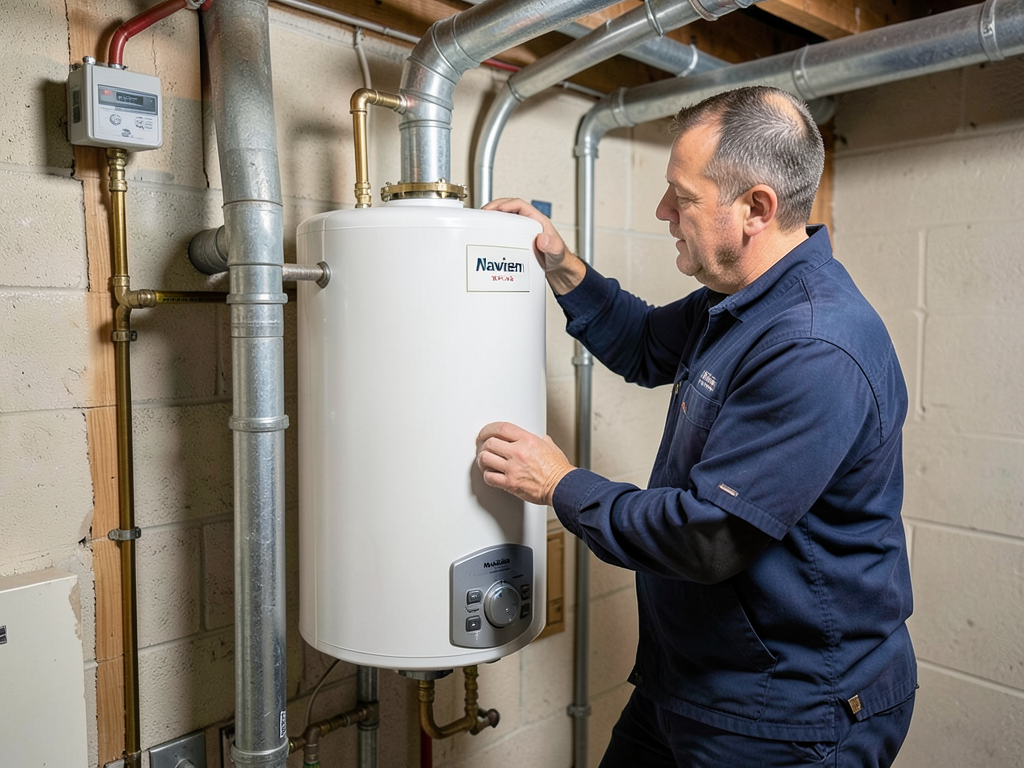
Diagram showing the internal components of a condensing tankless water heater, including heat exchanger, burner assembly, venting system, and condensate drain.
Installation technician mounting a Navien tankless unit on a basement wall, demonstrating proper clearance and venting connections for a Greenwich home.
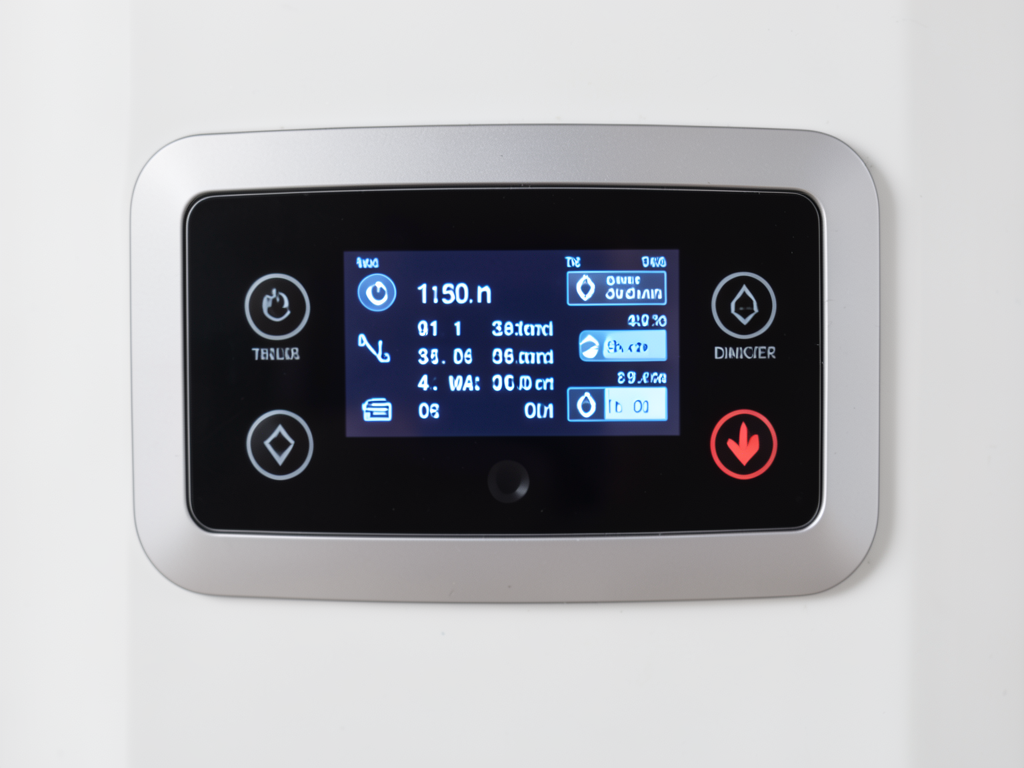
Comparison of traditional tank water heater versus tankless unit installed in a Greenwich basement, highlighting space savings and modern digital controls.
Ready to upgrade your Greenwich home’s water heating system? Call (475) 320-3733 today to schedule your free site assessment. Our licensed technicians will evaluate your needs, handle all permits, and install your new tankless system with precision and care. Don’t wait for your old tank to fail during next winter’s cold snap.
Pick up the phone and call (475) 320-3733 before the next storm hits. We’re standing by to help Greenwich homeowners enjoy endless hot water and lower energy bills with professional tankless water heater installation.
{
“@context”: “https://schema.org”,
“@type”: “BlogPosting”,
“headline”: “Installing a New Tankless Water Heater in Your Greenwich Home”,
“description”: “Learn about expert tankless water heater installation in Greenwich, CT. Discover sizing, permits, rebates, and local building codes for efficient hot water upgrades.”,
“wordCount”: 1378,
“datePublished”: “2026-02-24T10:39:00.000Z”,
“dateModified”: “2026-02-24T10:39:00.000Z”,
“inLanguage”: “en-US”,
“mainEntityOfPage”: {
“@type”: “WebPage”,
“@id”: “https://unitedplumbinggreenwich.com”
},
“publisher”: {
“@type”: “LocalBusiness”,
“name”: “United Plumbing Greenwich”,
“url”: “https://unitedplumbinggreenwich.com”
},
“author”: {
“@type”: “Organization”,
“name”: “United Plumbing Greenwich”,
“url”: “https://unitedplumbinggreenwich.com”
},
“image”: {
“@type”: “ImageObject”,
“url”: “https://unitedplumbinggreenwich.com/wp-content/uploads/2026/03/installing-a-new-tankless-water-heater-in-your-gre-1.png”
}
}
{
“@context”: “https://schema.org”,
“@type”: “Plumber”,
“name”: “United Plumbing Greenwich”,
“url”: “https://unitedplumbinggreenwich.com”,
“address”: {
“@type”: “PostalAddress”,
“addressLocality”: “Greenwich”
},
“areaServed”: {
“@type”: “City”,
“name”: “Greenwich”
}
}
{
“@context”: “https://schema.org”,
“@type”: “FAQPage”,
“mainEntity”: [
{
“@type”: “Question”,
“name”: “How long does installation take?”,
“acceptedAnswer”: {
“@type”: “Answer”,
“text”: “Most installations complete in one day. Complex projects requiring gas line upgrades or historic district approvals may take 2-3 days. We handle all permitting and inspections to minimize disruption.”
}
},
{
“@type”: “Question”,
“name”: “Can I keep my existing gas line?”,
“acceptedAnswer”: {
“@type”: “Answer”,
“text”: “Many Greenwich homes need gas line upgrades. Units over 150,000 BTU require 3/4\” or 1\” lines. We’ll test your existing line pressure and recommend upgrades if needed to ensure safe, efficient operation.”
}
},
{
“@type”: “Question”,
“name”: “What maintenance do tankless units need?”,
“acceptedAnswer”: {
“@type”: “Answer”,
“text”: “Annual descaling prevents mineral buildup. We also check venting, combustion, and electronic controls. Most units have self-diagnostic systems that alert you to maintenance needs through digital displays or smartphone apps.”
}
},
{
“@type”: “Question”,
“name”: “Will I run out of hot water?”,
“acceptedAnswer”: {
“@type”: “Answer”,
“text”: “Tankless units provide continuous hot water as long as you don’t exceed their GPM rating. Proper sizing ensures multiple showers, dishwashers, and washing machines run simultaneously without temperature drop.”
}
},
{
“@type”: “Question”,
“name”: “Are tankless units worth it in Greenwich?”,
“acceptedAnswer”: {
“@type”: “Answer”,
“text”: “Yes. High energy costs, limited basement space, and long heating seasons make tankless systems cost-effective. Combined with available rebates and 20+ year lifespans, they offer better ROI than traditional tanks for most Greenwich homes.”
}
}
]
}
{
“@context”: “https://schema.org”,
“@type”: “HowTo”,
“name”: “Tankless Water Heater Installation Process”,
“step”: [
{
“@type”: “HowToStep”,
“position”: 1,
“name”: “Site Assessment and Sizing”,
“text”: “We calculate your peak hot water demand based on simultaneous fixture usage, then select the appropriate unit size and fuel type.”
},
{
“@type”: “HowToStep”,
“position”: 2,
“name”: “Permit Acquisition”,
“text”: “We handle permits through the Greenwich Building Department, ensuring compliance with Connecticut State Building Code Section 2801.6 for water heaters.”
},
{
“@type”: “HowToStep”,
“position”: 3,
“name”: “Gas Line and Venting Modifications”,
“text”: “Upgrading gas lines, installing Category III stainless steel venting, and setting up condensate drains for condensing units.”
},
{
“@type”: “HowToStep”,
“position”: 4,
“name”: “Old Unit Removal and Disposal”,
“text”: “Safe removal of the existing tank, proper recycling of components, and preparation of the installation area.”
},
{
“@type”: “HowToStep”,
“position”: 5,
“name”: “Unit Installation and Testing”,
“text”: “Mounting the tankless system, connecting gas and water lines, installing digital controls, and performing comprehensive testing.”
},
{
“@type”: “HowToStep”,
“position”: 6,
“name”: “Final Inspection and Customer Training”,
“text”: “Greenwich building inspector sign-off, demonstration of digital controls, and maintenance schedule setup.”
}
],
“image”: “https://unitedplumbinggreenwich.com/wp-content/uploads/2026/03/installing-a-new-tankless-water-heater-in-your-gre-1.png”
}
{
“@context”: “https://schema.org”,
“@type”: “BreadcrumbList”,
“itemListElement”: [
{
“@type”: “ListItem”,
“position”: 1,
“name”: “Home”,
“item”: “https://unitedplumbinggreenwich.com”
},
{
“@type”: “ListItem”,
“position”: 2,
“name”: “Blog”,
“item”: “https://unitedplumbinggreenwich.com/blog”
},
{
“@type”: “ListItem”,
“position”: 3,
“name”: “Installing a New Tankless Water Heater in Your Greenwich Home”
}
]
}
{
“@context”: “https://schema.org”,
“@type”: “Service”,
“serviceType”: “Plumbing”,
“provider”: {
“@type”: “LocalBusiness”,
“name”: “United Plumbing Greenwich”,
“url”: “https://unitedplumbinggreenwich.com”
},
“areaServed”: {
“@type”: “City”,
“name”: “Greenwich”
},
“description”: “Learn about expert tankless water heater installation in Greenwich, CT. Discover sizing, permits, rebates, and local building codes for efficient hot water upgrades.”
}