


menu

Low Water Pressure Issues in Greenwich – Fast Expert Diagnosis and Permanent Repair

We identify the exact cause of weak water pressure in your Greenwich home and restore full flow with precise repairs that last, not quick fixes that fail again in six months.

Slider Image 1
Slider Image 2
Slider Image 3
Slider Image 4
Slider Image 5
Slider Image 7
Slider Image 8
Slider Image 9
Slider Image 10
Slider Image 11

Why Greenwich Homes Lose Water Pressure Without Warning

You turn on the shower and wait. The stream that used to push out strong now dribbles. You open the kitchen faucet and nothing happens at the bathroom sink. Decreased water pressure does not fix itself. It gets worse.

Greenwich sits on variable geology where municipal water mains built in the 1950s and 1960s still serve entire neighborhoods. These aging galvanized pipes corrode from the inside. You cannot see it happening until flow drops to a frustrating trickle. The town's higher elevation pockets near Putnam Hill and Stanwich Road experience poor water pressure more often than low-lying areas near the harbor because gravity works against municipal supply lines. When pressure regulators fail or when sediment from the Long Island Sound watershed clogs aerators and valve seats, you lose water flow at every fixture.

Weak water pressure also signals hidden leaks. A pinhole in your main supply line under the basement slab steals pressure before water reaches your second floor. You pay for water that never makes it to your tap. Greenwich homes built before 1980 often have undersized half-inch copper lines feeding multiple bathrooms. When two showers run at once, pressure collapses. Newer homes face different problems. Pressure-reducing valves installed to protect appliances sometimes stick at settings too low for comfortable use.

You cannot diagnose this from a YouTube video. Loss of water pressure has six common causes and a dozen uncommon ones. Guessing wastes time and money.

Why Greenwich Homes Lose Water Pressure Without Warning
How We Pinpoint and Fix Low Water Flow Permanently

How We Pinpoint and Fix Low Water Flow Permanently

We do not guess. We test. First, we measure static pressure at your main shutoff valve using a calibrated gauge. This tells us what pressure enters your home before it hits any plumbing. If static pressure reads below 40 psi, the problem originates outside your property line or at your pressure regulator. If it reads above 60 psi but you still have weak water pressure at fixtures, the restriction sits inside your distribution system.

Next, we test dynamic pressure while running multiple fixtures simultaneously. This isolates whether your problem stems from undersized supply lines, clogged galvanized pipes, or failing fixtures. We pull aerators and inspect for sediment buildup. We check your pressure-reducing valve for calibration drift. If your home has a water softener, we bypass it temporarily to rule out resin bed fouling or control valve malfunction.

For older Greenwich homes with original plumbing, we use a scope camera to inspect accessible pipe interiors for scale buildup and corrosion. Galvanized steel pipes lose diameter over decades as zinc coating flakes away and iron oxidizes. A pipe that started at three-quarter inch inside diameter can shrink to half-inch or less. That chokes flow to every fixture downstream.

We also inspect your main shutoff valve. Gate valves installed in the 1970s and 1980s often have broken internal stems that partially block flow even when the handle shows fully open. Replacing one failed valve can restore full pressure throughout your entire home.

United Plumbing Greenwich combines diagnostic precision with repair efficiency. We identify the exact failure point, then fix it correctly the first time.

What Happens During Your Water Pressure Restoration

Low Water Pressure Issues in Greenwich – Fast Expert Diagnosis and Permanent Repair
01

Pressure Testing and Mapping

We arrive with calibrated gauges and test equipment, not guesses. First, we measure your static supply pressure at the main line, then test dynamic pressure at fixtures throughout your home while water flows. This mapping isolates whether your decreased water pressure originates at the street, your pressure regulator, corroded pipes, or clogged fixtures. We document baseline readings so you see exactly what we find.
02

Targeted Component Repair

Once we identify the restriction, we execute the correct repair. This might mean recalibrating your pressure-reducing valve, replacing a failed gate valve, clearing sediment from your water heater inlet, or cutting out a corroded galvanized section and installing new copper. We do not replace entire systems when one component fails. We isolate the problem and fix what actually needs fixing, using code-compliant materials and proper soldering technique.
03

Flow Verification and Testing

After repairs, we retest pressure at every location where you reported poor water pressure. You watch the gauge yourself. We run multiple fixtures simultaneously to verify your system maintains adequate flow under normal use. Before we leave, you turn on your shower, fill your sink, and see the difference. We clean up completely and walk you through what we fixed and why it failed, so you understand your plumbing system better.

Why Greenwich Homeowners Call Us for Water Pressure Problems

We understand Greenwich plumbing because we work in Greenwich homes every day. We know which neighborhoods have galvanized supply lines that need replacement. We recognize the pressure regulation issues common in homes near Round Hill Road where elevation changes affect municipal supply. We have replaced hundreds of pressure-reducing valves throughout Riverside, Cos Cob, and Old Greenwich, so we calibrate them correctly for your specific zone.

United Plumbing Greenwich does not send apprentices to handle diagnostic calls. You get a licensed journeyman plumber who has solved low water flow problems in homes similar to yours. We carry the parts that Greenwich homes need. When we diagnose a failed pressure regulator or corroded gate valve, we have the replacement on our truck. We complete most repairs the same day.

We also understand local code requirements. Greenwich building officials require permits for certain pressure system modifications. We pull permits when needed and schedule inspections properly so your repair passes the first time. DIY repairs and unlicensed work often fail inspection and create liability when you sell your home. Our work meets or exceeds Connecticut plumbing code standards.

You will not get upselling. If your problem stems from a clogged aerator that needs cleaning, we tell you that. If you need a pressure regulator replacement, we explain why and show you the failed component. We provide written estimates before starting work that costs more than basic service call fees. You decide what gets fixed and when.

We have fixed water pressure problems in Greenwich since 2015. Our reputation depends on doing the work right, not doing the most expensive work.

What You Can Expect When We Restore Your Water Pressure

Same-Day Service Available

Most low water pressure calls get scheduled within 24 hours. If you call before noon on a weekday, we often arrive the same afternoon. Our trucks carry common replacement components including pressure regulators, gate valves, copper fittings, and fixture cartridges. For straightforward repairs like valve replacement or regulator adjustment, we complete the work during the initial visit. Complex issues requiring pipe replacement or main line work may need a follow-up appointment, but we provide a clear timeline and written estimate before you commit. We do not leave you waiting days for basic repairs.

Comprehensive Pressure Diagnostics

We spend the time necessary to find the real cause. Our diagnostic process includes static and dynamic pressure testing, fixture inspection, valve operation checks, and visual examination of accessible piping. We test your pressure regulator for proper calibration and inspect your main shutoff valve for internal damage. If your home has multiple bathrooms, we map flow patterns to identify whether the restriction affects your entire system or specific branches. You receive a clear explanation of what we found, why it causes weak water pressure, and what repair will fix it permanently.

Restored Flow Throughout Your Home

When we finish, your water pressure returns to proper levels. Showers deliver strong flow on upper floors. Your washing machine fills in normal time. Multiple fixtures run simultaneously without pressure dropping. We verify flow at every location before we leave, and you test it yourself. If we replace corroded piping, you may notice cleaner water because we remove decades of sediment buildup. Proper pressure also helps your water heater and appliances function more efficiently because they receive adequate flow. You immediately feel the difference every time you turn on a faucet.

Clear Maintenance Guidance

After we restore your water pressure, we explain how to maintain it. If your area has hard water or sediment issues, we show you how to clean aerators periodically and when to replace fixture cartridges. If we installed or adjusted a pressure regulator, we explain how to recognize early signs of future failure. For homes with older galvanized piping, we provide realistic guidance about remaining service life and what to watch for. We do not push maintenance contracts you do not need, but we answer your questions honestly so you can make informed decisions about your plumbing system.

Frequently Asked Questions

You Have Questions,
We Have Answers

What is the most common cause of low water pressure? +

The most common cause is mineral buildup inside pipes. Greenwich's water supply, while treated, still contains calcium and magnesium that accumulate over time, narrowing pipe diameter. Older homes in Greenwich's Historic District often have galvanized steel pipes from the 1950s or earlier, which corrode and restrict flow. Partially closed shut-off valves, faulty pressure regulators, and hidden leaks also reduce pressure. In multi-story homes common throughout Greenwich, second-floor fixtures suffer first when pressure drops. A licensed plumber can diagnose whether the issue is internal plumbing or a municipal supply problem.

How to fix low water pressure? +

Start by checking your main water valve and fixture shut-off valves to confirm they're fully open. Test multiple fixtures to isolate the problem. If only one faucet has low pressure, clean the aerator by unscrewing it and removing sediment. For whole-house issues, inspect your pressure regulator near the main valve. Greenwich homes built before 1970 may need pipe replacement if galvanized lines are corroded. Flushing your water heater can help if only hot water pressure is affected. If these steps fail, call a licensed plumber to test pressure at the main line and identify hidden leaks or regulator failure.

Can a plumber fix low water pressure? +

Yes. A licensed plumber diagnoses the root cause through pressure testing at multiple points in your system. They identify whether the issue stems from clogged aerators, failed pressure regulators, corroded pipes, or municipal supply problems. In Greenwich's older neighborhoods, plumbers often find galvanized pipes choked with decades of mineral deposits. They can replace faulty regulators, clear blockages, repair leaks, or recommend whole-house repiping if necessary. Plumbers also coordinate with Aquarion Water Company if the problem originates at the street connection. Professional diagnosis prevents guesswork and ensures the fix addresses the actual cause, not just symptoms.

Who is responsible for low water pressure? +

Responsibility splits at the property line. Aquarion Water Company maintains lines from the street to your meter and ensures adequate street pressure. You own everything from the meter into your home, including the pressure regulator, shut-off valve, and all interior plumbing. If neighbors also report low pressure, contact Aquarion. If the problem is isolated to your property, it's your responsibility. In Greenwich's Belle Haven and Riverside neighborhoods, shared private water systems add complexity. Review your property deed or HOA documents. A plumber can test pressure at the meter to determine which side of the line is failing.

How much for a plumber to fix low water pressure? +

Costs vary based on the diagnosis. Simple fixes like cleaning aerators or adjusting a pressure regulator run minimal. Replacing a faulty pressure regulator typically costs a few hundred dollars for parts and labor. If corroded pipes are the culprit, especially in Greenwich's older homes with galvanized plumbing, repiping sections or the whole house increases costs significantly. Hidden leak repairs depend on location and accessibility. Most plumbers charge a diagnostic fee to test pressure and locate the problem. Get a detailed estimate before authorizing work. Prices in Greenwich reflect local labor rates and the complexity of working in historic homes.

How to unclog a p-trap? +

Place a bucket under the trap. Loosen the slip nuts by hand or with slip-joint pliers, turning counterclockwise. Remove the curved trap and dump contents into the bucket. Use a bottle brush or straightened coat hanger to scrape out hair, grease, and debris. Rinse the trap thoroughly. Check the rubber gaskets for cracks and replace if worn. Hand-tighten slip nuts back in place, then snug with pliers. Avoid overtightening, which cracks the nuts. Run water and check for leaks. If the clog persists or the trap is corroded, call a plumber to inspect the drainline downstream.

Can I adjust the water pressure myself? +

You can adjust your pressure regulator if you have one and feel comfortable doing so. Locate it near the main shut-off valve. Remove the cover and turn the adjustment screw clockwise to increase pressure, counterclockwise to decrease. Make small quarter-turn adjustments and test pressure at a fixture. Ideal residential pressure is 50 to 60 psi. Going higher risks pipe damage and appliance wear. In Greenwich's varied housing stock, some homes lack regulators entirely. If you're unsure where it is, how to adjust it, or if adjustments don't fix the problem, hire a licensed plumber. Incorrect adjustments can cause leaks or burst pipes.

How Greenwich Water Quality Affects Your Home Pressure

Greenwich draws water from Aquarion's surface water and groundwater sources, which contain natural mineral content and seasonal sediment. During heavy rain periods, Long Island Sound watershed runoff increases particulate levels in treatment plant intake. This sediment accumulates in pressure regulator screens, fixture aerators, and water heater dip tubes throughout town. Homes near the coast in Riverside and Old Greenwich see more aggressive corrosion in copper fittings due to salt air exposure, while inland areas near reservoirs experience more mineral scaling. These location-specific factors make weak water pressure more common in Greenwich than in towns with different water sources.

Greenwich also has strict plumbing codes that require pressure regulation on new construction and major renovations. Many homes have pressure-reducing valves installed by contractors who set them too conservatively. We recalibrate dozens of these valves each year for homeowners frustrated by artificially limited flow. Because we work throughout Fairfield County and specialize in Greenwich service, we understand which valve brands the local supply houses stock and which models hold calibration longest. That local knowledge means we arrive with the right parts and complete your repair faster than out-of-town contractors who need to source components after diagnosing your problem.
Plumbing Services in The Greenwich Area

We are proud to serve the community of Greenwich and the surrounding areas. Our local presence allows us to respond quickly to your plumbing needs, whether it's an emergency repair or a scheduled installation. View our location on the map and see our full service area to find out if we can come to your rescue. We're your trusted neighbors, always ready to lend a helping hand.

Address:
United Plumbing Greenwich, 88 Field Point Rd, Greenwich, CT, 06830

Additional Services We Offer

Our news updates

Latest Articles & News from The Blogs

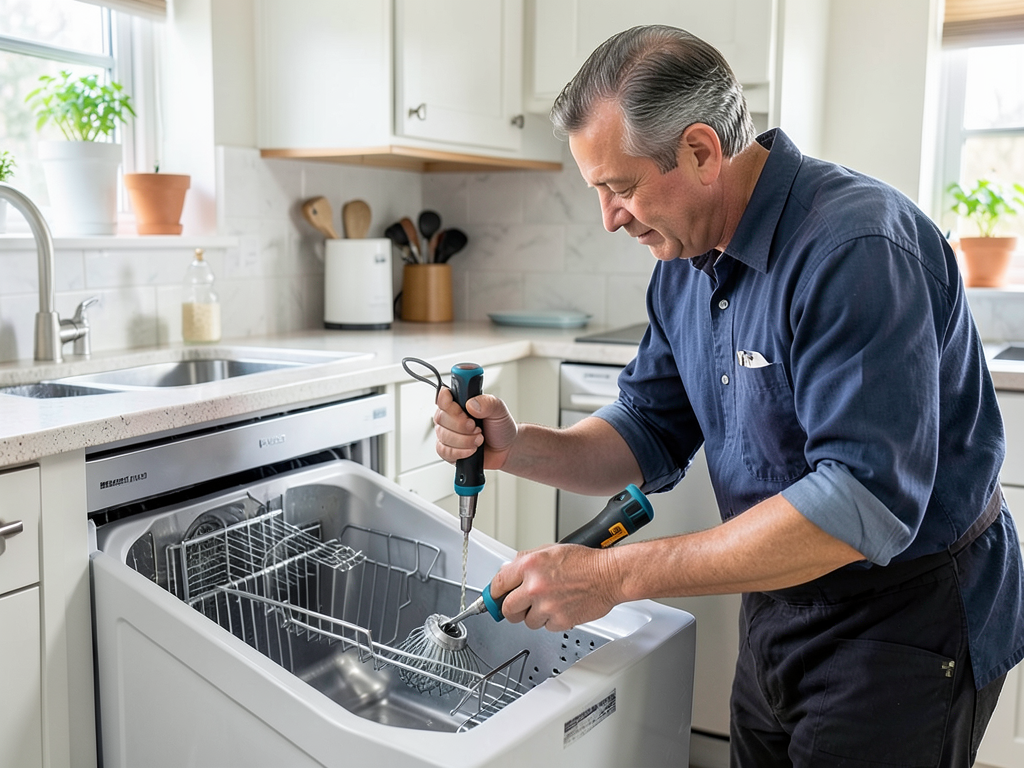
Why Your New Dishwasher Is Not Draining Properly and How to Fix the Air Gap Standing water in your new…

Why Your New Dishwasher Is Not Draining Properly (and How to Fix the Air Gap)

Why Your New Dishwasher Is Not Draining Properly and How to Fix the Air Gap Standing water in your new…

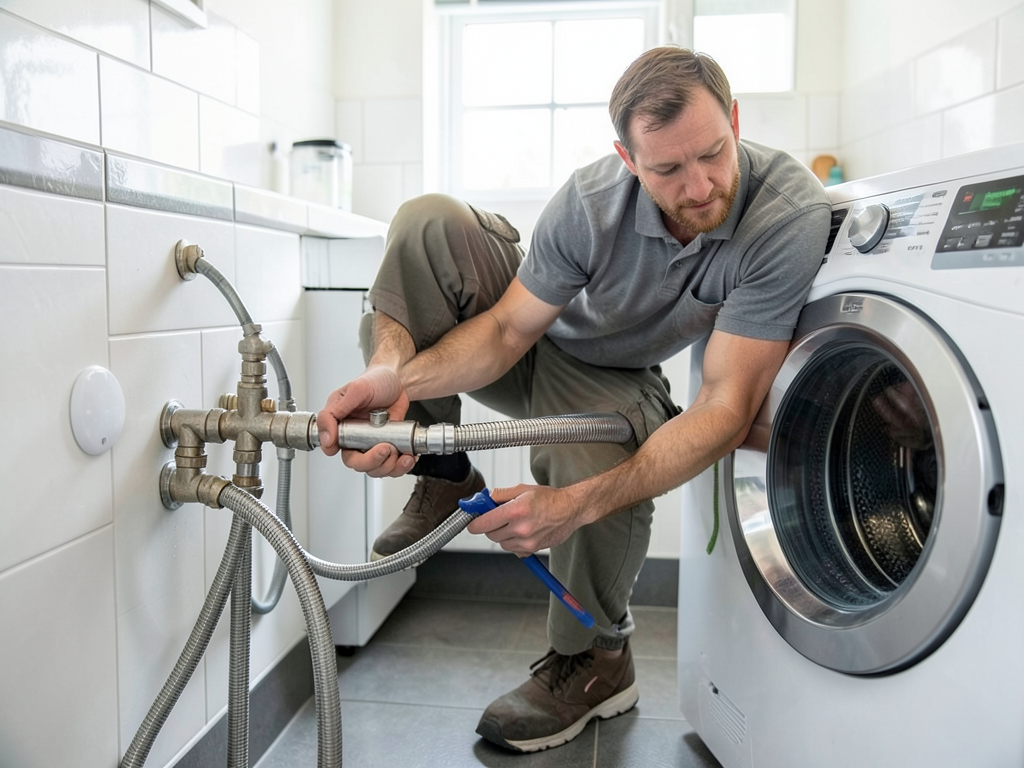
The One Small Part in Your Laundry Room That Could Flood Your Entire Greenwich Home

The One Small Part in Your Laundry Room That Could Flood Your Entire Greenwich Home Old washing machine hoses are…

How to Get Rid of That Rotten Egg Smell Coming from Your Mianus Drains

How to Get Rid of That Rotten Egg Smell Coming from Your Mianus Drains That rotten egg smell coming from…

Contact Us

Stop struggling with weak showers and slow-filling sinks. Call United Plumbing Greenwich at (475) 320-3733 right now for expert diagnosis and same-day repair. We find the real problem and fix it permanently.