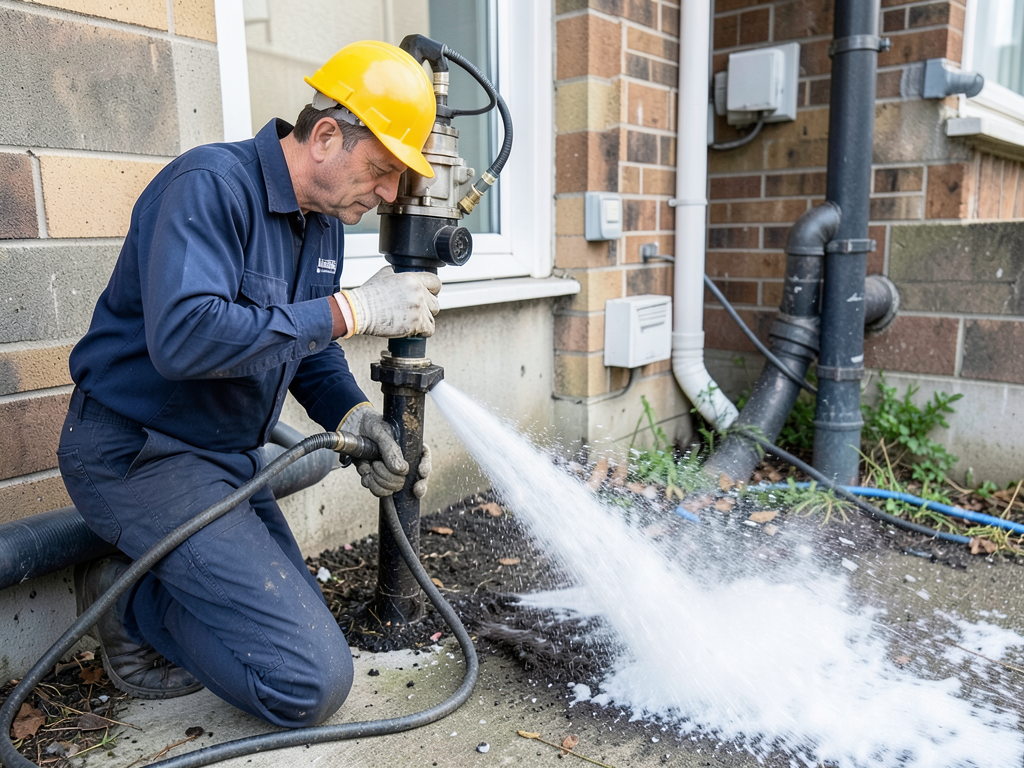





Greenwich's sewer system includes sections installed in the 1920s and 1940s, long before PVC became the standard for drain lines. Many homes in Riverside, Old Greenwich, and central Greenwich still rely on cast iron stacks and clay tile laterals that crack under soil movement and root pressure. The town's abundant tree canopy, while beautiful, creates a hidden plumbing hazard. Oak, maple, and willow roots seek out moisture, infiltrating hairline cracks in aging sewer pipes and forming dense root masses that block wastewater flow. When you flush, the water has nowhere to go except back up through your toilet. This is why toilet flooding repair calls spike in late spring and early summer when root growth accelerates.
United Plumbing Greenwich has worked on hundreds of homes built before 1970, and we know exactly where the weak points are in your drain system. We understand how Greenwich's clay soil shifts during freeze-thaw cycles, causing pipe offsets and bellied sections that trap debris. We are familiar with the town's plumbing code requirements for sewer lateral repairs and work directly with the Greenwich Department of Public Works when excavation or main line connections are involved. This local knowledge means faster diagnosis, accurate repairs, and fewer surprises. When you call an overflowing toilet plumber who knows Greenwich's infrastructure inside and out, you get solutions tailored to your home's specific challenges, not generic fixes that fail within months.