
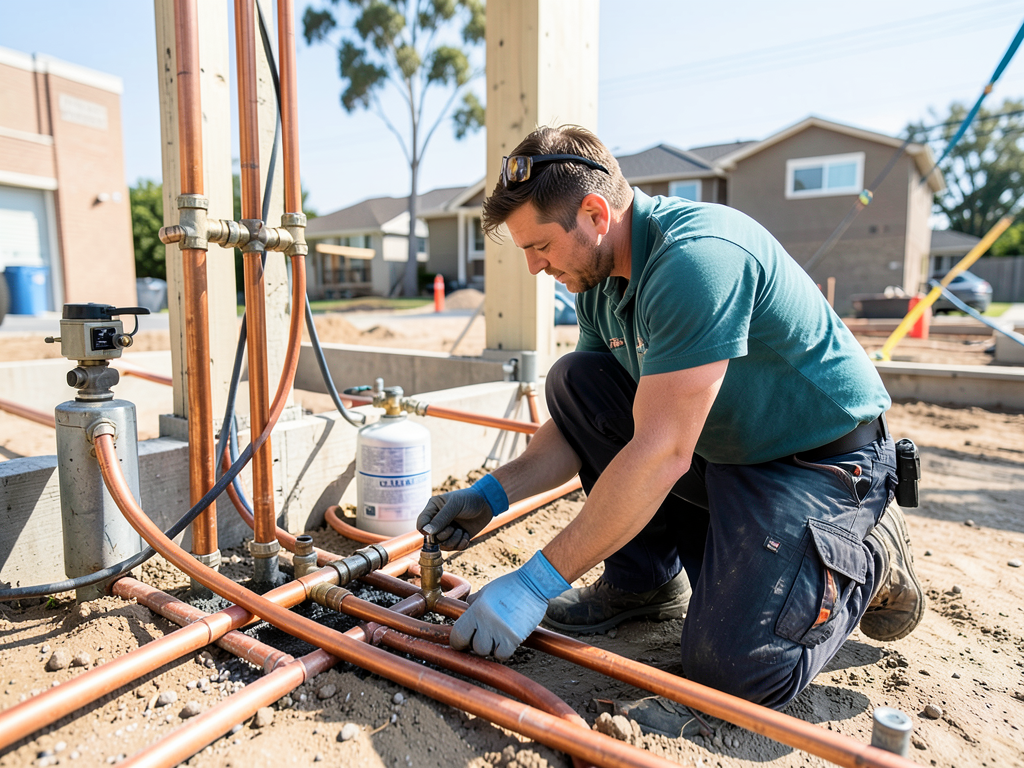
Understanding ADU Plumbing Requirements in Greenwich
Adding an Accessory Dwelling Unit to your Greenwich estate requires careful planning of water supply lines, drainage systems, and gas piping to meet Connecticut building codes and local health department standards. The Town of Greenwich Building Department treats ADUs as separate dwelling units, which means they must have independent plumbing systems that connect properly to either municipal sewer or approved septic systems. Greenwich Building Department.
Before breaking ground, you need to understand that Greenwich zoning laws require separate water meters for detached ADUs. The Aquarion Water Company mandates this to track usage accurately and prevent cross-contamination between properties. Your ADU will also need dedicated backflow prevention devices to protect the main residence’s potable water supply. Aquarion Water Company.
The frost line in Fairfield County typically extends to 42 inches below grade, which affects how deep you must bury water supply lines to prevent freezing during Connecticut winters. This depth requirement applies to both supply lines and sewer laterals connecting your ADU to existing municipal infrastructure. Emergency Sewer Backup Cleanup.
Water Supply Line Requirements for Greenwich ADUs
Connecting your ADU to the municipal water system requires specific pipe sizing based on the unit’s expected water demand. The Connecticut State Building Code requires a minimum 3/4-inch supply line for any dwelling unit, but ADUs with multiple bathrooms or kitchenettes often need 1-inch mains to maintain adequate pressure.. Read more about Why Your High-Efficiency Water Heater Needs a Power Vent Through the Side Wall.
The Aquarion Water Company requires separate meters for detached ADUs. This means you’ll need to install a dedicated water service lateral from the street main to your ADU. The lateral must be sized according to the Connecticut State Plumbing Code, typically using Type K copper or approved plastic piping rated for potable water. Why We Are the Top Rated Pipe Repair Specialists in Byram.
Backflow prevention is critical for ADU installations. Greenwich health ordinances require a reduced pressure principle backflow preventer installed at the meter connection point. This device prevents contaminated water from flowing back into the main residence’s supply lines if pressure drops occur during system operation.. Read more about Why Your Well Water Keeps Pulsing — Troubleshooting Your Pressure Tank Issues.
Pressure regulation may be necessary if your ADU is at a significantly different elevation than your main home. A pressure-reducing valve installed after the backflow preventer ensures consistent water pressure throughout the unit while protecting fixtures from damage.
Drainage and Sewer Lateral Connections
Connecting your ADU to the municipal sewer system requires careful consideration of existing infrastructure. The Greenwich Sewer Improvement District charges connection fees based on the size and type of unit being added. These fees cover the cost of inspecting and connecting to the municipal system.
For properties in backcountry Greenwich where municipal sewer isn’t available, you’ll need to evaluate your existing septic system’s capacity. The Connecticut Department of Public Health requires a minimum of 1,000 gallons of septic capacity per bedroom in the main residence, plus an additional 250 gallons for each ADU bedroom.
Sewer lateral installation must follow specific trenching requirements. The pipe must maintain a minimum slope of 1/4 inch per foot to ensure proper drainage. In areas with high water tables or rocky soil common in parts of Greenwich, you may need to install the lateral deeper than standard requirements to achieve proper grade. The Most Reliable Drain Cleaning Services in Old Greenwich.
Ejector pumps become necessary when ADUs are located below grade or when the main sewer line exits the property at a higher elevation. These pumps must be sized to handle the expected wastewater volume plus a safety factor of 25 percent. The pump basin requires a sealed lid to prevent sewer gases from entering the living space.
Gas Piping and Water Heating Requirements
Gas supply for your ADU requires careful sizing to ensure adequate pressure for all appliances. The Connecticut State Building Code mandates that gas piping be sized according to the maximum demand of all connected appliances. This typically means using 1/2-inch or 3/4-inch black iron pipe for ADU installations.
Tankless water heaters are popular for ADUs due to their space-saving design and energy efficiency. However, they require specific venting requirements under the International Fuel Gas Code. Direct-vent models must terminate at least 3 feet from any window or door, and vent pipes must maintain proper clearances from combustible materials.
For traditional tank-style water heaters, the Connecticut State Plumbing Code requires a minimum first-hour rating based on the number of bathrooms and fixtures in the ADU. A two-bedroom ADU typically needs a 40-gallon heater, while units with multiple bathrooms may require 50-gallon or larger models. Plumbing Stamford.
Gas line installation must include proper shutoff valves at each appliance connection. The main gas shutoff for the ADU should be easily accessible and clearly marked. All gas piping must be pressure tested before final inspection to ensure there are no leaks in the system.
The Permitting Process in Greenwich
Obtaining plumbing permits for your ADU requires submitting detailed plans to the Greenwich Town Hall at 101 Field Point Road. The Building Department reviews plans for compliance with the Connecticut State Building Code and local amendments specific to Greenwich.. Read more about Designing the Plumbing for Your New Home Spa and Sauna in Belle Haven.
The permit application process typically takes 2-3 weeks for initial review. You’ll need to provide detailed plumbing plans showing pipe sizing, fixture locations, and connection points to existing utilities. The Building Department may require engineered calculations for complex drainage systems or gas piping installations.
During construction, you’ll need to schedule rough-in inspections before covering any walls or burying pipes. The inspector will verify that all piping is properly supported, vented, and sized according to code. Final inspections occur after all fixtures are installed and the system is operational.
Permit fees vary based on the scope of work. A typical ADU plumbing permit costs between $300 and $600, plus additional fees for inspections. The total permit package including building, electrical, and plumbing permits can range from $1,500 to $3,000 depending on the ADU’s size and complexity.. Read more about Choosing Between a Wall-Hung or Floor-Mounted Toilet for Your Next Renovation.
Kitchen and Bathroom Fixture Requirements
Kitchen plumbing for ADUs must include dedicated hot and cold water lines with appropriate shutoff valves. The Connecticut State Plumbing Code requires a minimum 1/2-inch supply line to kitchen sinks, with 3/8-inch branch lines to individual fixtures. Dishwashers need their own supply and drain connections with air gaps to prevent backflow.
Bathroom fixtures require specific drain sizing. Toilets need 3-inch drains, while showers and bathtubs require 2-inch drains. All bathroom fixtures must be properly vented to prevent trap siphoning and ensure sewer gases don’t enter the living space. The minimum vent pipe size is 1.5 inches for most fixtures.. Read more about Adding a Bathroom Anywhere with an Upflush Toilet System in Central Greenwich.
ADA compliance may be necessary depending on your ADU’s intended use. While private residential units aren’t required to meet ADA standards, accessible design features can increase the unit’s versatility and future resale value. This includes considerations like wider doorways, grab bars, and accessible sink heights.
Grease traps are required for ADU kitchens that will be used for cooking that generates significant grease waste. The trap must be sized according to the Connecticut State Plumbing Code based on the number of fixtures and expected grease production. Regular maintenance is required to keep the trap functioning properly.
Winterization and Freeze Protection
Connecticut winters pose significant risks to ADU plumbing systems. All supply lines in unconditioned spaces must be properly insulated with foam pipe insulation rated for the expected temperature range. In particularly vulnerable areas, heat tape may be necessary to prevent freezing during extreme cold spells.
Drain lines in exterior walls require special attention. These pipes should be installed inside the building’s thermal envelope whenever possible. If exterior installation is unavoidable, the wall cavity must be insulated to prevent freezing, and the pipe should be wrapped with heat tape controlled by a thermostat.
Outdoor hose bibs need frost-free sillcocks that extend into the heated space of the ADU. These fixtures have a valve mechanism located inside where it stays warm, preventing freezing even when the outdoor temperature drops below zero.
Water heater installations in unconditioned spaces require additional freeze protection. Tank-style heaters need insulation blankets, while tankless units require both insulation and, in some cases, small electric heaters to maintain minimum operating temperatures during extended cold periods.
Testing and Inspection Requirements
Before covering any walls or burying pipes, you must pass rough-in inspections. The inspector will verify that all piping is properly supported, that vents are correctly sized and sloped, and that all connections meet code requirements. This inspection typically costs $150 to $250.
Pressure testing is mandatory for both water supply and gas lines. Water supply systems must withstand 150 PSI for 15 minutes without pressure drop. Gas lines require a 30-minute pressure test at 1.5 times the working pressure, typically 6 PSI for residential systems.
Final inspections verify that all fixtures are properly installed and functioning. The inspector will check for proper drainage, adequate water pressure, and correct operation of all plumbing fixtures. They’ll also verify that all required permits are posted and that the system meets all code requirements.
Backflow preventer testing is required annually by Connecticut state law. You’ll need to hire a certified tester to verify that the device is functioning properly and submit the test results to both the Aquarion Water Company and the Greenwich Health Department.
Cost Factors and Budget Considerations
Plumbing costs for ADUs vary significantly based on the unit’s size, location, and connection requirements. A basic ADU with minimal plumbing might cost $8,000 to $12,000, while a fully equipped unit with multiple bathrooms and kitchenettes can exceed $25,000 in plumbing alone.
Connection fees represent a significant cost factor. Aquarion Water Company charges $1,500 to $3,000 for new service connections, while Greenwich Sewer District fees range from $2,000 to $5,000 depending on the property’s location and the complexity of the connection.
Excavation costs vary based on soil conditions and depth requirements. Rocky soil common in parts of Greenwich can increase excavation costs by 30 to 50 percent. Properties with high water tables may require dewatering systems, adding $2,000 to $4,000 to the project cost.
Material costs have increased significantly in recent years. Copper piping, while still preferred for potable water, costs 40 percent more than PEX alternatives. However, local building officials often prefer copper for its durability and proven track record in Connecticut’s climate.
Common ADU Plumbing Mistakes to Avoid
Undersizing supply lines is a frequent error that leads to poor water pressure and customer complaints. Always calculate peak demand based on simultaneous fixture use rather than individual fixture requirements. A two-bathroom ADU needs larger supply lines than a one-bedroom unit with a single bathroom.
Improper venting causes slow drainage and gurgling sounds in fixtures. Every fixture must have proper venting according to the Connecticut State Plumbing Code. Shared vents are allowed but must be sized correctly to handle the combined fixture units.. Read more about Stopping the Hammering Sound in Your Pipes When the Laundry Is Running.
Ignoring local frost line requirements results in frozen pipes and expensive repairs. The 42-inch frost line in Fairfield County isn’t just a suggestion—it’s a code requirement that protects your investment from winter damage.
Skipping pressure testing leads to leaks that may not appear until months after construction. Always pressure test water and gas lines before covering walls or burying pipes. A small investment in testing prevents major repairs later.
Maintenance and Long-Term Considerations
ADUs require regular maintenance to ensure plumbing systems function properly. Annual inspections should check for leaks, corrosion, and proper operation of all fixtures. Water heaters need flushing every six months to prevent sediment buildup that reduces efficiency and shortens lifespan.
Backflow preventer testing isn’t optional—it’s required by Connecticut state law and local health ordinances. Schedule annual testing with a certified professional and keep records of all maintenance for future reference or potential property sales.
Septic system maintenance becomes critical for ADUs in backcountry Greenwich. The additional load from the ADU may require more frequent pumping—typically every 2 to 3 years instead of the standard 3 to 5 years for single-family homes.
Winter preparation includes draining outdoor hose bibs, insulating exposed pipes, and setting thermostats to maintain minimum temperatures during extended absences. These simple steps prevent costly freeze damage during Connecticut’s harsh winters.
Frequently Asked Questions
Do I need a separate water meter for my ADU in Greenwich?
Yes, the Aquarion Water Company requires separate meters for all detached ADUs in Greenwich. This ensures accurate billing and helps track water usage patterns for conservation efforts.
How deep should water supply lines be buried for an ADU?
Water supply lines must be buried at least 42 inches below grade to meet Connecticut frost line requirements. This depth prevents freezing during winter months and complies with local building codes.
Can I connect my ADU to my existing septic system?
Only if your existing septic system has adequate capacity. The Connecticut Department of Public Health requires additional capacity for ADUs—typically 250 gallons per bedroom in the ADU plus your existing system’s requirements.
What permits are required for ADU plumbing in Greenwich?
You need a plumbing permit from the Greenwich Building Department, plus potentially building and electrical permits depending on your ADU’s scope. Permit fees range from $300 to $600 for plumbing alone.
How long does the permitting process take?
Initial plan review typically takes 2 to 3 weeks. The entire permitting process, including inspections, usually takes 4 to 6 weeks from application to final approval.
Ready to Start Your ADU Project?
Adding an ADU to your Greenwich estate is a significant investment that requires careful planning and expert execution. The plumbing requirements alone involve multiple code compliance issues, connection fees, and inspection processes that can overwhelm even experienced homeowners. Expert Boiler Repair for Historic Greenwich Homes.
Don’t let plumbing complexities derail your ADU dreams. Our team at United Plumbing has extensive experience with ADU installations throughout Fairfield County, including complex connections in historic Greenwich neighborhoods and challenging backcountry properties.
Call (475) 320-3733 today to schedule a consultation. We’ll help you navigate the permitting process, design a code-compliant plumbing system, and ensure your ADU project stays on schedule and within budget. Your dream ADU is just one phone call away.
Pick up the phone and call (475) 320-3733 before the next planning board meeting fills up. Early planning prevents costly delays and ensures your ADU project moves forward smoothly from concept to completion.
You may also find this helpful. How Long Does a Sump Pump Battery Backup Actually Last During a Greenwich Storm?.
{
“@context”: “https://schema.org”,
“@type”: “BlogPosting”,
“headline”: “Plumbing Basics for Adding an Accessory Dwelling Unit (ADU) to Your Greenwich Estate”,
“description”: “Complete guide to ADU plumbing requirements in Greenwich CT including permits, water supply, drainage, and code compliance for your property expansion.”,
“wordCount”: 2351,
“datePublished”: “2026-05-11T13:21:00.000Z”,
“dateModified”: “2026-05-11T13:21:00.000Z”,
“inLanguage”: “en-US”,
“mainEntityOfPage”: {
“@type”: “WebPage”,
“@id”: “https://unitedplumbinggreenwich.com”
},
“publisher”: {
“@type”: “LocalBusiness”,
“name”: “United Plumbing Greenwich”,
“url”: “https://unitedplumbinggreenwich.com”
},
“author”: {
“@type”: “Organization”,
“name”: “United Plumbing Greenwich”,
“url”: “https://unitedplumbinggreenwich.com”
},
“image”: {
“@type”: “ImageObject”,
“url”: “https://unitedplumbinggreenwich.com/wp-content/uploads/2026/03/plumbing-basics-for-adding-an-accessory-dwelling-u-1.png”
}
}
{
“@context”: “https://schema.org”,
“@type”: “Plumber”,
“name”: “United Plumbing Greenwich”,
“url”: “https://unitedplumbinggreenwich.com”,
“address”: {
“@type”: “PostalAddress”,
“addressLocality”: “Greenwich”
},
“areaServed”: {
“@type”: “City”,
“name”: “Greenwich”
}
}
{
“@context”: “https://schema.org”,
“@type”: “FAQPage”,
“mainEntity”: [
{
“@type”: “Question”,
“name”: “Do I need a separate water meter for my ADU in Greenwich?”,
“acceptedAnswer”: {
“@type”: “Answer”,
“text”: “Yes, the Aquarion Water Company requires separate meters for all detached ADUs in Greenwich. This ensures accurate billing and helps track water usage patterns for conservation efforts.”
}
},
{
“@type”: “Question”,
“name”: “How deep should water supply lines be buried for an ADU?”,
“acceptedAnswer”: {
“@type”: “Answer”,
“text”: “Water supply lines must be buried at least 42 inches below grade to meet Connecticut frost line requirements. This depth prevents freezing during winter months and complies with local building codes.”
}
},
{
“@type”: “Question”,
“name”: “Can I connect my ADU to my existing septic system?”,
“acceptedAnswer”: {
“@type”: “Answer”,
“text”: “Only if your existing septic system has adequate capacity. The Connecticut Department of Public Health requires additional capacity for ADUs—typically 250 gallons per bedroom in the ADU plus your existing system’s requirements.”
}
},
{
“@type”: “Question”,
“name”: “What permits are required for ADU plumbing in Greenwich?”,
“acceptedAnswer”: {
“@type”: “Answer”,
“text”: “You need a plumbing permit from the Greenwich Building Department, plus potentially building and electrical permits depending on your ADU’s scope. Permit fees range from $300 to $600 for plumbing alone.”
}
},
{
“@type”: “Question”,
“name”: “How long does the permitting process take?”,
“acceptedAnswer”: {
“@type”: “Answer”,
“text”: “Initial plan review typically takes 2 to 3 weeks. The entire permitting process, including inspections, usually takes 4 to 6 weeks from application to final approval.”
}
},
{
“@type”: “Question”,
“name”: “Ready to Start Your ADU Project?”,
“acceptedAnswer”: {
“@type”: “Answer”,
“text”: “Adding an ADU to your Greenwich estate is a significant investment that requires careful planning and expert execution. The plumbing requirements alone involve multiple code compliance issues, connection fees, and inspection processes that can overwhelm even experienced homeowners. Expert Boiler Repair for Historic Greenwich Homes.”
}
}
]
}
{
“@context”: “https://schema.org”,
“@type”: “BreadcrumbList”,
“itemListElement”: [
{
“@type”: “ListItem”,
“position”: 1,
“name”: “Home”,
“item”: “https://unitedplumbinggreenwich.com”
},
{
“@type”: “ListItem”,
“position”: 2,
“name”: “Blog”,
“item”: “https://unitedplumbinggreenwich.com/blog”
},
{
“@type”: “ListItem”,
“position”: 3,
“name”: “Plumbing Basics for Adding an Accessory Dwelling Unit (ADU) to Your Greenwich Estate”
}
]
}
{
“@context”: “https://schema.org”,
“@type”: “Service”,
“serviceType”: “Plumbing”,
“provider”: {
“@type”: “LocalBusiness”,
“name”: “United Plumbing Greenwich”,
“url”: “https://unitedplumbinggreenwich.com”
},
“areaServed”: {
“@type”: “City”,
“name”: “Greenwich”
},
“description”: “Complete guide to ADU plumbing requirements in Greenwich CT including permits, water supply, drainage, and code compliance for your property expansion.”
}