


menu

Plumbing Inspection Checklist for Greenwich Homes | Catch Problems Before They Cost You Thousands

Our detailed residential plumbing checkup list helps Greenwich homeowners identify hidden leaks, corrosion, and aging fixtures before minor issues turn into emergency repairs and insurance claims.

Slider Image 1
Slider Image 2
Slider Image 3
Slider Image 4
Slider Image 5
Slider Image 7
Slider Image 8
Slider Image 9
Slider Image 10
Slider Image 11

Why Greenwich Homes Need Regular Plumbing System Inspections

Greenwich sits in southwestern Connecticut where Long Island Sound meets the mainland. The coastal location brings high humidity year-round and freeze-thaw cycles that stress plumbing infrastructure. Homes in Old Greenwich, Riverside, and Cos Cob face unique challenges from salt air corrosion and hard water deposits that shorten the lifespan of pipes and fixtures.

Many Greenwich properties feature historic architecture with galvanized steel or cast iron pipes installed decades ago. These aging systems develop pinhole leaks and internal corrosion you cannot see until water damage appears in walls or ceilings. The town's strict zoning regulations and historic district requirements make emergency repairs complicated and expensive.

A preventative plumbing maintenance checklist addresses these problems before they escalate. Regular inspections catch corroded supply lines, failing shut-off valves, and compromised drain stacks while repairs remain straightforward. The plumbing system inspection guide protects your investment by identifying issues early.

Winter temperatures regularly drop below freezing in Greenwich. Pipes in exterior walls, crawl spaces, and unheated garages risk freezing and bursting. Spring thaw brings basement flooding from overwhelmed sump pumps and foundation drainage issues. Summer humidity accelerates mold growth around slow leaks. A home plumbing inspection list tailored to local conditions prevents seasonal disasters.

Hard water from municipal supplies leaves mineral deposits in water heaters, reducing efficiency and causing premature failure. Greenwich's water chemistry demands attention to anode rods, sediment buildup, and pressure relief valves. The residential plumbing checkup list addresses these maintenance items before you lose hot water or face a flooded utility room.

Why Greenwich Homes Need Regular Plumbing System Inspections
What a Professional Plumbing Inspection Covers

What a Professional Plumbing Inspection Covers

A thorough plumbing maintenance checklist examines every component from the water service line to fixture drains. The inspection starts at the main water shut-off valve, testing operation and checking for corrosion or leaks. We verify proper pressure regulation, inspect backflow preventers, and test the pressure relief system. These components protect your home from water damage and contamination.

Supply line inspection includes checking exposed piping in basements, crawl spaces, and utility rooms. We look for corrosion spots, green oxidation on copper, rust on galvanized steel, and stress cracks on plastic fittings. Flex connectors under sinks and toilets get examined for deterioration. We test shut-off valves at each fixture to confirm they close completely without binding.

Drain waste vent systems require different inspection methods. We check for proper slope on horizontal runs, test vent terminations on the roof, and inspect cleanout access points. Camera inspection reveals blockages, root intrusion, and pipe separation in underground lines. Cast iron stacks get checked for rust through and hub separation. PVC systems get examined for improper gluing and stress cracks.

Water heaters receive detailed examination of the combustion chamber, burner assembly, and flue pipe on gas units. Electric units get checked for element condition and thermostat accuracy. We test temperature and pressure relief valves, inspect anode rods, and drain sediment from the tank. Expansion tanks get checked for proper pre-charge pressure and waterlogging.

Fixture inspection covers faucets, toilets, tubs, and showers. We check for worn washers, corroded cartridges, and calcium buildup. Toilets get tested for phantom leaks, flapper deterioration, and fill valve operation. Drain assemblies get checked for proper sealing and trap configuration. This comprehensive approach catches problems before they cause damage.

How We Conduct Your Home Plumbing Inspection

Plumbing Inspection Checklist for Greenwich Homes | Catch Problems Before They Cost You Thousands
01

Initial System Assessment

We start by reviewing your home's age, plumbing history, and any current concerns. Our technician locates the main water shut-off, identifies pipe materials, and maps your plumbing layout. We document the water heater age and type, locate cleanouts, and identify all fixture locations. This baseline assessment guides the detailed inspection and helps prioritize areas of concern based on Greenwich's specific environmental factors.
02

Component-by-Component Testing

We systematically test every accessible component using specialized tools. Water pressure gets measured at multiple fixtures. Shut-off valves get operated and checked for leaks. We run water through all drains to check flow rates and listen for gurgling that indicates venting problems. Camera inspection examines underground lines. Thermal imaging detects hidden leaks behind walls. Each finding gets documented with photos and detailed notes explaining severity and recommended action.
03

Detailed Report and Recommendations

You receive a written report categorizing findings by urgency level. Critical issues like active leaks or safety hazards get flagged for immediate attention. Moderate concerns that need addressing within months get explained with timeline recommendations. Maintenance items for future consideration get listed with expected replacement dates. We provide cost estimates for recommended repairs and explain how each addresses your specific home's needs in Greenwich's climate.

Why Greenwich Homeowners Trust Our Inspection Process

United Plumbing Greenwich understands the unique challenges facing homes in Fairfield County. We inspect hundreds of properties annually in Old Greenwich, Belle Haven, and Riverside. This local experience means we recognize the specific problems affecting different neighborhood construction styles and ages.

Greenwich enforces strict building codes and historic preservation requirements. Our inspectors know what modifications require permits and how to document existing conditions for insurance purposes. We understand the town's plumbing code amendments and can identify non-compliant installations that could cause problems during home sales or renovations.

Many Greenwich homes were built before modern plumbing codes existed. We have extensive experience with galvanized steel, cast iron, and early copper installations common in pre-1970 construction. We know which materials fail first in coastal conditions and can predict remaining service life based on observable condition.

The proximity to Long Island Sound creates corrosion challenges uncommon in inland Connecticut. Salt air accelerates deterioration of metal components, particularly in homes near the waterfront. We factor this environmental stress into our assessments and recommendations. Our inspection criteria account for the accelerated aging Greenwich properties experience.

Hard water from municipal sources requires special attention to scale buildup and mineral deposits. We know which fixtures and appliances suffer most from Greenwich's water chemistry. Our maintenance recommendations include descaling intervals and anode rod replacement schedules specific to local water conditions.

We provide honest assessments without upselling unnecessary services. Our goal is accurate information that helps you make informed decisions about your home's plumbing system. We explain the difference between urgent repairs and items you can budget for over time. This transparency builds trust and helps you prioritize spending effectively.

What You Get from a Professional Plumbing Inspection

Comprehensive Inspection Timeline

Most residential plumbing inspections take two to four hours depending on home size and system complexity. We schedule appointments that fit your availability and arrive within the confirmed time window. Our technicians come prepared with all necessary tools and equipment to complete the inspection in a single visit. You receive the preliminary findings immediately after the inspection with the detailed written report delivered within 24 hours. Emergency issues discovered during inspection get addressed same-day if you approve the repair work.

Thorough Documentation Process

Our inspection process includes detailed photography of every component examined. We document pipe conditions, fixture states, and any areas of concern with high-resolution images. Camera inspection footage of drain lines gets saved and included with your report. Water pressure readings, temperature measurements, and flow rate data get recorded at multiple locations. This documentation provides a baseline for future inspections and serves as evidence for insurance claims if needed. You receive digital copies of all photos and video footage along with the written report.

Actionable Findings and Solutions

Your inspection report categorizes all findings into clear priority levels with specific recommendations for each issue. Critical problems requiring immediate attention get listed first with detailed explanations of potential consequences if left unaddressed. Moderate concerns include suggested timelines for repair or replacement. Maintenance items get scheduled based on expected component lifespan. Each recommendation includes a plain-language explanation of what the problem means, why it matters, and what fixing it involves. We provide cost estimates for recommended work so you can budget accordingly.

Ongoing Maintenance Guidance

Beyond identifying current problems, your inspection includes a customized maintenance schedule for your specific plumbing system. We provide guidance on seasonal maintenance tasks like outdoor faucet winterization and sump pump testing. Your report includes recommendations for inspection intervals based on component age and condition. We explain which warning signs to watch for between professional inspections. Clients receive follow-up reminders when scheduled maintenance comes due. This proactive approach prevents emergency repairs and extends the life of your plumbing system significantly.

Frequently Asked Questions

You Have Questions,
We Have Answers

What does a plumbing inspection consist of? +

A plumbing inspection evaluates your entire water supply and drainage system. The plumber checks visible pipes for leaks, corrosion, and proper support. They inspect fixtures like sinks, toilets, and tubs for signs of water damage or improper installation. Water pressure gets tested at multiple points. The water heater receives scrutiny for age, sediment buildup, and proper venting. Drain lines are checked for slow drainage or blockages. In Greenwich homes, inspectors also look for older galvanized pipes common in historic properties and assess sump pumps given local groundwater concerns. The inspection identifies current problems and potential failures before they cause damage.

What are the 5 main items you should inspect for at a drain detail? +

At a drain detail, inspect for proper slope to ensure gravity flow. Check for visible cracks, gaps, or separation in pipes that allow leaks. Look for corrosion or deterioration, especially at joints and connections. Verify the trap is properly installed and holds water to block sewer gases. Inspect for blockages or slow drainage caused by debris buildup. Greenwich properties with mature trees face root intrusion risks in clay soil, so exterior drain lines need special attention. These five checkpoints prevent backups, water damage, and costly emergency repairs down the line.

What does a 5 point inspection consist of? +

A five-point plumbing inspection typically covers water heaters, fixtures, supply lines, drain systems, and visible piping. The plumber examines your water heater for age and proper function. Fixtures like toilets and faucets get checked for leaks and operation. Supply lines are inspected for pressure issues and corrosion. Drain systems are tested for proper flow and venting. Visible pipes throughout your home receive scrutiny for damage or improper installation. This focused approach identifies the most common failure points in residential plumbing systems and gives you a snapshot of overall system health.

How much should a plumbing inspection cost? +

Plumbing inspections in Greenwich typically range from $150 to $400 depending on property size and scope. A basic visual inspection of a small home costs less than a comprehensive evaluation of a large estate with multiple bathrooms and complex systems. Specialized services like camera drain inspections add to the cost. Older Greenwich homes with historic plumbing configurations may require more time. The inspection fee is minor compared to discovering a hidden leak that causes thousands in water damage. Most inspections take one to two hours and provide a detailed report of findings.

What are the 7 steps of the inspection process? +

The inspection process starts with scheduling and gathering property information. The plumber arrives and conducts a visual walkthrough of accessible plumbing. They test water pressure at fixtures throughout the home. Drains are evaluated for proper function and speed. The water heater receives detailed examination for safety and efficiency. Visible pipes get checked in basements, crawl spaces, and under sinks. Finally, the plumber documents findings and explains necessary repairs or maintenance. In Greenwich, this process may include checking outdoor spigots for freeze damage and sump pump function given local water table issues.

What is the biggest red flag in a home inspection? +

Active water leaks represent the biggest red flag during inspections. Water stains on ceilings, walls, or floors indicate ongoing damage that destroys structural materials and breeds mold. In Greenwich homes, another major concern is outdated galvanized steel piping that restricts water flow and leaches contaminants. Improperly vented drain lines allow sewer gases into living spaces and signal code violations. A water heater past its expected lifespan poses flood and safety risks. These issues demand immediate attention because they actively harm your property and health, unlike minor maintenance items that can wait.

What would make a house fail a home inspection? +

A house fails inspection when major systems pose safety hazards or violate building codes. Significant sewer line backups or complete fixture failures make a home uninhabitable. Gas leaks near water heaters create immediate danger. Extensive pipe corrosion that compromises water quality or supply fails inspection standards. In Greenwich, outdated plumbing that does not meet current code during renovation triggers failures. Multiple active leaks causing structural damage also result in failure. However, most inspection issues are negotiable repair items rather than absolute failures. Complete system breakdowns or life safety hazards are the true failure points.

What is a 7 point inspection? +

A seven-point inspection expands on basic checks to include water heaters, supply lines, drain systems, fixtures, visible piping, water pressure, and sewer or septic connections. This comprehensive approach examines how water enters your home, moves through the system, and exits to municipal sewers or septic tanks. The plumber tests pressure at multiple points and checks for proper drainage throughout. Sewer line inspection may include camera work to identify root intrusion or pipe deterioration. For Greenwich properties on septic systems, the connection point and distribution box receive attention to prevent costly system failures.

How much does a drain inspection cost? +

Camera drain inspection costs between $200 and $500 in Greenwich depending on accessibility and line length. Basic visual drain checks during standard inspections cost less, typically included in the overall inspection fee. If the plumber needs to access a cleanout or remove a toilet to insert the camera, expect higher costs. Longer drain runs to the street or septic system take more time. This specialized inspection pinpoints blockages, root intrusion, and pipe deterioration without excavation. The investment prevents guessing about underground problems and targets repairs precisely, saving money on unnecessary digging.

What should be included in the inspection checklist? +

Your checklist should include water heater age and condition, all visible pipes for leaks or corrosion, fixture operation and seals, drain flow speed, water pressure at multiple points, shut-off valve function, and signs of past water damage. For Greenwich homes, add outdoor faucet freeze protection, sump pump operation, and older pipe material identification. Check under sinks for moisture, inspect toilet seals, and verify proper trap installation. Document water heater temperature settings and expansion tank presence. This thorough checklist catches problems early and creates a maintenance record for future reference.

How Greenwich's Coastal Climate Affects Your Plumbing System

Greenwich's location on Long Island Sound creates environmental conditions that accelerate plumbing deterioration. Salt air carries inland from the coast, particularly affecting homes in Riverside, Old Greenwich, and waterfront areas of Belle Haven. This salt exposure corrodes metal pipes, fixtures, and fittings faster than similar systems experience in inland Connecticut towns. Copper pipes develop green patina and pinhole leaks years earlier than expected. Galvanized steel corrodes through from the outside in coastal areas, creating failures that standard inspections miss. Your plumbing maintenance checklist must account for this accelerated aging when evaluating component condition and remaining service life. Winter freeze-thaw cycles combined with humid summers create expansion and contraction stress on pipe joints and connections throughout the year.

Greenwich building codes incorporate strict requirements for plumbing installations due to the town's coastal location and historic preservation priorities. Many neighborhoods fall under historic district regulations that limit modification methods and require specific materials for visible plumbing components. Working in Greenwich demands familiarity with these local ordinances and the permitting process through the Town Hall on Field Point Road. Our residential plumbing checkup list includes verification that existing installations meet current code requirements, particularly important for homes built before modern standards took effect. This local expertise protects you from compliance issues during home sales and ensures repairs meet town specifications. We maintain working relationships with Greenwich building inspectors and understand their expectations for plumbing work in different zoning districts.
Plumbing Services in The Greenwich Area

We are proud to serve the community of Greenwich and the surrounding areas. Our local presence allows us to respond quickly to your plumbing needs, whether it's an emergency repair or a scheduled installation. View our location on the map and see our full service area to find out if we can come to your rescue. We're your trusted neighbors, always ready to lend a helping hand.

Address:
United Plumbing Greenwich, 88 Field Point Rd, Greenwich, CT, 06830

Additional Services We Offer

Our news updates

Latest Articles & News from The Blogs

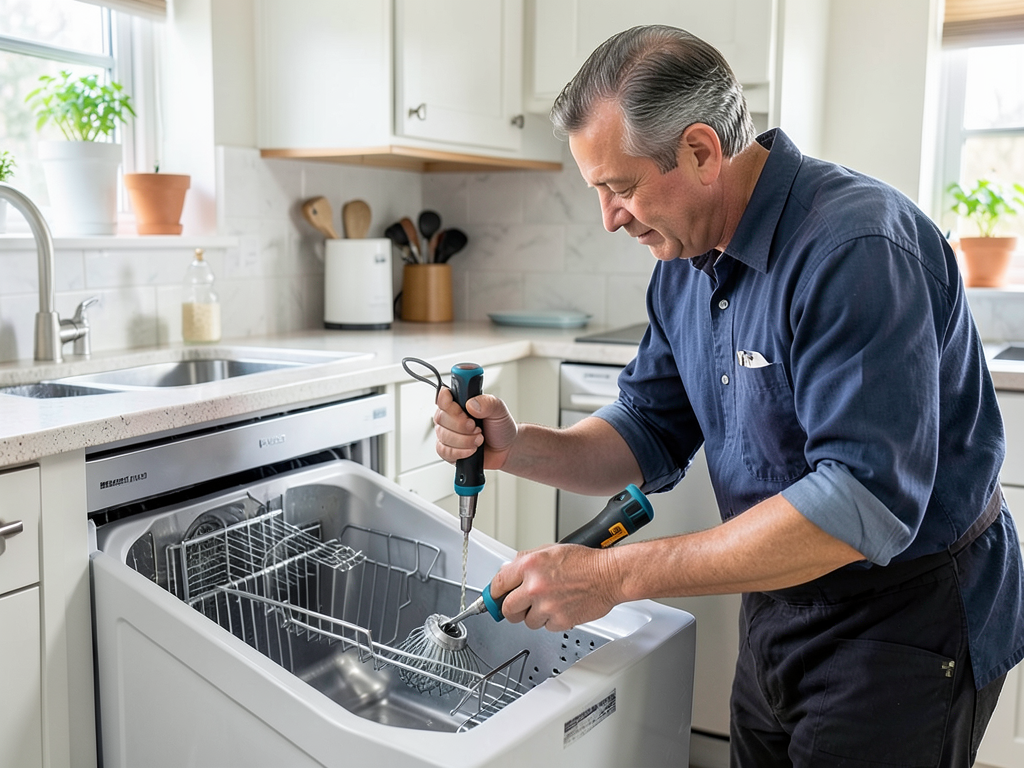
Why Your New Dishwasher Is Not Draining Properly and How to Fix the Air Gap Standing water in your new…

Why Your New Dishwasher Is Not Draining Properly (and How to Fix the Air Gap)

Why Your New Dishwasher Is Not Draining Properly and How to Fix the Air Gap Standing water in your new…

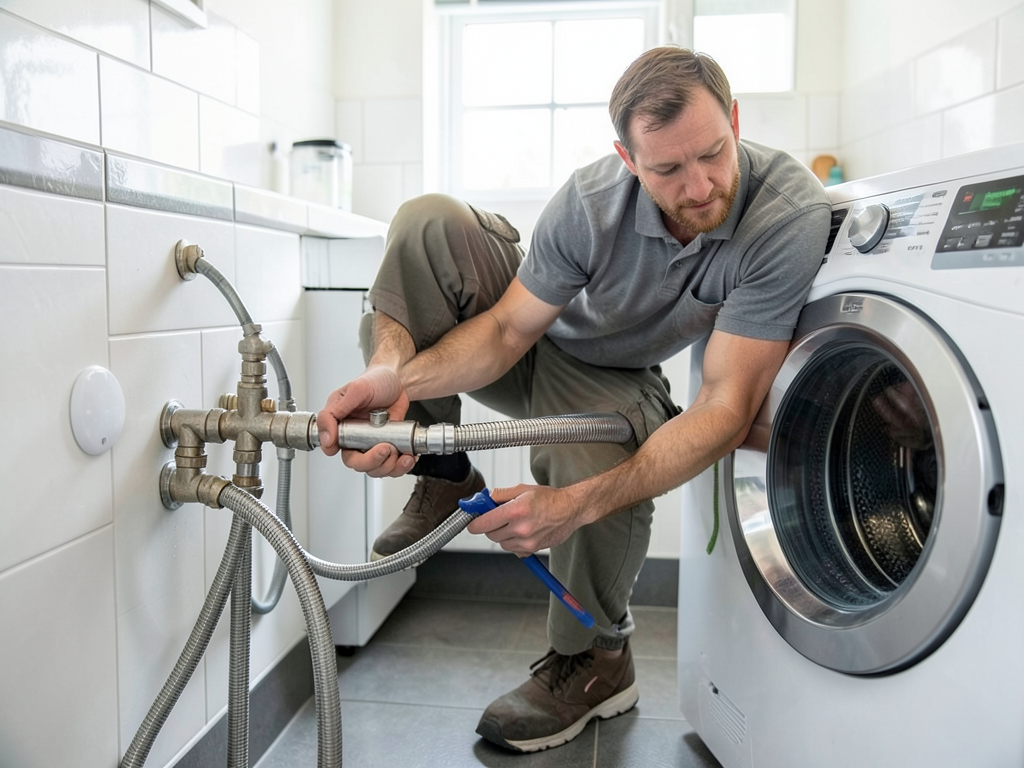
The One Small Part in Your Laundry Room That Could Flood Your Entire Greenwich Home

The One Small Part in Your Laundry Room That Could Flood Your Entire Greenwich Home Old washing machine hoses are…

How to Get Rid of That Rotten Egg Smell Coming from Your Mianus Drains

How to Get Rid of That Rotten Egg Smell Coming from Your Mianus Drains That rotten egg smell coming from…

Contact Us

Protect your Greenwich home from hidden plumbing failures. Call (475) 320-3733 now to schedule your comprehensive inspection. Our technicians provide detailed reports that help you prevent emergency repairs and budget for necessary maintenance.