
Restoring Low Water Flow by Cleaning Your Faucet Aerators
If your faucet’s water stream feels weak or sprays erratically, the culprit is often a clogged aerator. In Greenwich, where Aquarion Water Company’s supply contains high mineral content, calcium and magnesium deposits build up inside these small mesh screens over time. This guide shows you how to restore full flow in minutes using simple tools and household vinegar. Aquarion Water Company.
Signs Your Aerator Needs Cleaning
Before you start, confirm the problem is actually the aerator. Common symptoms include:
- Reduced water pressure at a single faucet while others work fine
- Water spraying in multiple directions or creating a weak, bubbly stream
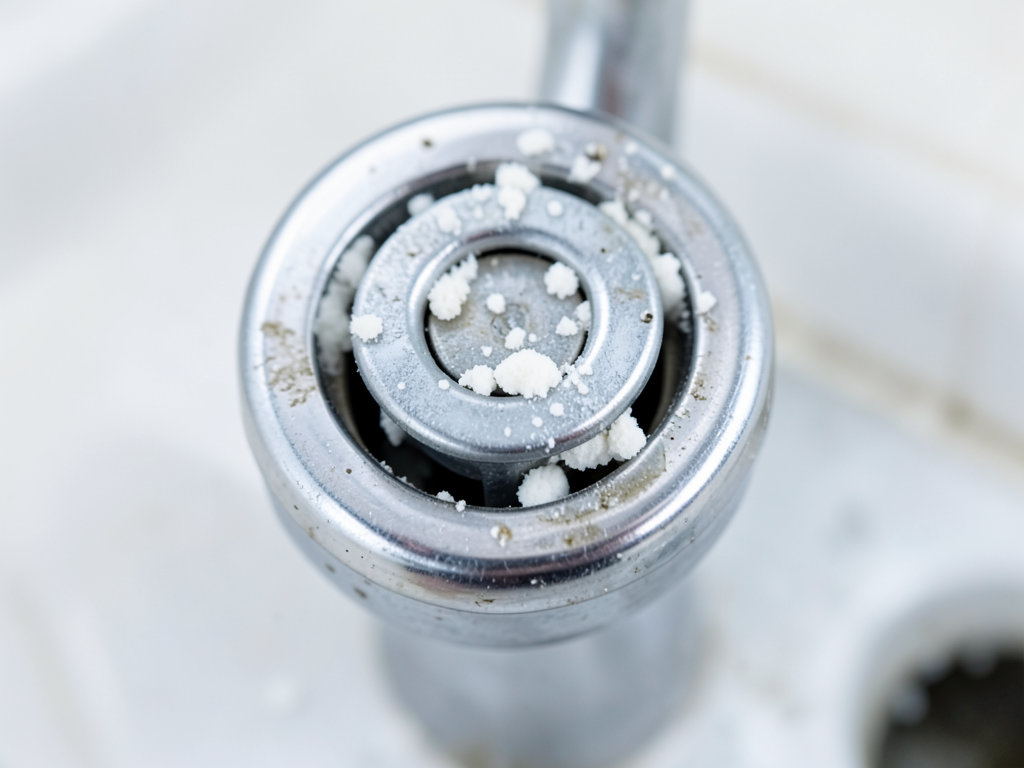
- Visible white crusty deposits around the aerator’s edge
- Gurgling sounds when turning the faucet on or off
If you notice these issues throughout your home, the problem may be with your pressure reducing valve or main supply line instead.
Tools and Materials Needed
Gather these items before starting:
- White vinegar (5% acetic acid)
- Old toothbrush or small nylon brush
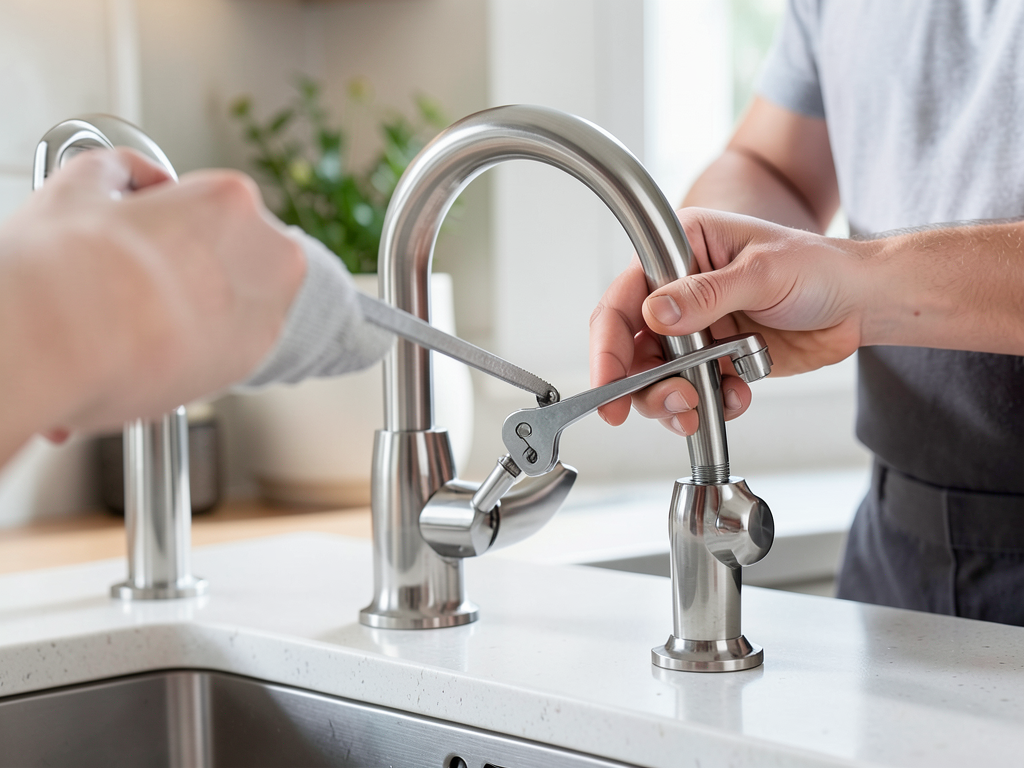
- Channel-lock pliers or strap wrench
- Soft cloth to protect finishes
- Aerator key (if you have a hidden or cache aerator)
- Small bowl for soaking
For high-end fixtures from brands like Kohler or Perrin & Rowe common in Greenwich estates, use a strap wrench instead of pliers to avoid scratching brushed nickel or oil-rubbed bronze finishes.. Read more about How North Greenwich Hard Water Is Quietly Ruining Your Coffee Maker.
Step-by-Step Instructions for Cleaning Your Aerator
- Manual Removal
Try unscrewing the aerator by hand. Turn clockwise if you’re underneath the faucet looking up, or counterclockwise from above. If it won’t budge, wrap the aerator in a soft cloth and use channel-lock pliers with gentle pressure.
- Disassembly
Once removed, note the order of parts: screen, washer, flow restrictor, and housing. Take a quick photo with your phone to remember the sequence. Some aerators have multiple screens stacked together.
- The Vinegar Soak
Place all parts in a bowl of white vinegar. Let them soak for 30-60 minutes. The acetic acid dissolves calcium carbonate deposits that cause hard water buildup. For stubborn deposits, heat the vinegar slightly first.
- Scrubbing Debris
Using your old toothbrush, gently scrub each component. Pay special attention to the mesh screen where mineral deposits collect. For tiny holes that remain clogged, use a pin to clear them without enlarging the openings.
- Rinsing
Rinse all parts thoroughly under running water. Hold the screen up to light to check for remaining debris. If water doesn’t flow freely through the screen, repeat the soaking process.
- Reassembly
Put the aerator back together in the same order you took it apart. Hand-tighten only – over-tightening can crack the housing or damage the threads.
Pro-Tips for Greenwich Homeowners
Greenwich’s water hardness averages 120-180 parts per million, higher than the national average. This means aerators here clog faster than in softer water areas. For homes in Riverside or Old Greenwich near the coast, salt air can also accelerate corrosion on faucet finishes.
If you have a hidden or cache aerator – common in modern designer faucets – you’ll need a specific aerator key. These recessed aerators don’t have visible slots for tools. The key usually comes with the faucet, but if lost, you can order replacements online by matching the brand and model.
For luxury fixtures from Waterworks or Lefroy Brooks, avoid abrasive cleaners. Stick to vinegar or a dedicated calcium remover designed for plated finishes. Test any cleaner on an inconspicuous spot first.
When to Call a Professional
While cleaning an aerator is a simple DIY task, some situations require a licensed plumber. Call United Plumbing at (475) 320-3733 if: Plumbing Stamford.
- The aerator breaks during removal and pieces remain stuck in the faucet
- You notice water leaking from the base of the faucet after reassembly
- Low pressure affects multiple fixtures, suggesting a main line issue
- Your home has a private well system with sediment problems
Older homes in Back Country Greenwich or Cos Cob with galvanized steel pipes may have internal corrosion that cleaning the aerator won’t fix. In these cases, the reduced flow is happening inside the pipes themselves.
Preventing Future Buildup
To extend the time between cleanings, consider these preventative steps:
- Install a whole-house water softener if your water hardness exceeds 150 ppm
- Once a month, briefly remove and rinse aerators before deposits harden
- Use a vinegar solution spray on faucet spouts weekly to dissolve early buildup
- Replace standard aerators with antimicrobial models that resist mineral adhesion
For commercial properties in Stamford or commercial kitchens in Danbury, schedule quarterly aerator inspections as part of routine maintenance. Hard water affects not just flow but also heating efficiency in water heaters and dishwashers.
Understanding Aerator Specifications
Aerators control both flow rate and stream quality. Standard kitchen aerators allow 2.2 gallons per minute (GPM), while bathroom models often restrict to 1.5 GPM for water conservation. The flow restrictor inside your aerator may be a separate piece or integrated into the housing. EPA WaterSense standards.
When replacing parts, match the original specifications. Using an aerator with too high a flow rate wastes water and may violate local codes. Connecticut state plumbing code requires adherence to EPA WaterSense standards for new fixtures.
Comparing Aerator Types
| Aerator Type | Best For | Maintenance Frequency | Cost Range |
|---|---|---|---|
| Standard Mesh | Kitchen sinks | Every 3-6 months | $3-8 |
| Cache/ recessed | Modern designer faucets | Every 2-4 months | $5-15 |
| Anti-lime | Hard water areas | Every 6-12 months | $8-20 |
| Swivel | Multi-angle cleaning | Every 4-6 months | $6-12 |
Local Water Quality Considerations
Greenwich’s water comes from Aquarion Water Company, which sources from both surface reservoirs and underground aquifers. The water hardness varies by neighborhood – areas near the coast tend to have slightly softer water than properties in the northern part of town.
If you live in a home with a private well in Back Country Greenwich, your water may contain additional minerals like iron that cause orange staining and affect aerator performance differently than municipal water.
The Connecticut Department of Public Health recommends annual water testing for private wells. High mineral content not only affects aerators but can also reduce the efficiency of water heaters and cause scale buildup in pipes over time.
Cost-Benefit Analysis: Clean vs Replace
For standard aerators under $10, replacement often makes more sense than extensive cleaning, especially if the aerator is damaged or corroded. However, for high-end fixtures where aerators cost $30-100, thorough cleaning extends the life of expensive components.
Consider replacement if:
- The aerator is cracked or the threads are damaged
- Cleaning doesn’t restore adequate flow
- You want to upgrade to a water-saving model
- The fixture is under warranty and requires original parts
Cleaning takes 15-30 minutes and costs under $5 in supplies. Replacement takes 5 minutes but costs $3-100 depending on the fixture quality.
Safety and Environmental Considerations
White vinegar is safe for most plumbing fixtures and won’t harm septic systems. Unlike commercial lime removers containing phosphoric or hydrochloric acid, vinegar won’t etch or damage most finishes when used properly.
Never use steel wool or abrasive pads on aerators – these can create microscopic scratches that trap more debris and accelerate future buildup. Stick to soft brushes and non-abrasive cleaning tools.
Dispose of old aerators responsibly. Many contain brass with small amounts of lead, so check local recycling guidelines before throwing them in the trash.
Frequently Asked Questions
How often should I clean my faucet aerators?
In Greenwich’s hard water conditions, clean aerators every 3-4 months. Homes with water softeners may only need cleaning annually. Watch for reduced flow as the primary indicator.
Can I use CLR or other chemical cleaners instead of vinegar?
Yes, but vinegar is safer for most finishes and won’t damage rubber gaskets. Stronger chemicals work faster but may etch or discolor certain metals. Always test on an inconspicuous area first.
What if my aerator is stuck and won’t budge?
Apply penetrating oil like WD-40 around the edges and wait 15 minutes. If it still won’t turn, the aerator may be corroded to the faucet. Call a professional to avoid breaking the faucet body.
Final Thoughts
Clean aerators restore water pressure, improve water efficiency, and extend the life of your faucets. In Greenwich’s mineral-rich water, this simple maintenance task prevents bigger plumbing problems down the road.
For stubborn cases or if you’re unsure about the process, United Plumbing’s licensed technicians can clean or replace aerators as part of our comprehensive plumbing services. We understand the unique water quality challenges in Fairfield County and can recommend solutions tailored to your home’s specific needs.
Call (475) 320-3733 today to schedule your inspection. Don’t let hard water steal your water pressure – we’ll have your faucets flowing freely again in no time.
{
“@context”: “https://schema.org”,
“@type”: “BlogPosting”,
“headline”: “Restoring Low Water Flow by Cleaning Your Faucet Aerators”,
“description”: “Learn how to restore water pressure by cleaning faucet aerators. Our Greenwich plumber guide covers hard water buildup, step-by-step cleaning, and when to call a pro.”,
“wordCount”: 1428,
“datePublished”: “2026-06-08T15:32:00.000Z”,
“dateModified”: “2026-06-08T15:32:00.000Z”,
“inLanguage”: “en-US”,
“mainEntityOfPage”: {
“@type”: “WebPage”,
“@id”: “https://unitedplumbinggreenwich.com”
},
“publisher”: {
“@type”: “LocalBusiness”,
“name”: “United Plumbing Greenwich”,
“url”: “https://unitedplumbinggreenwich.com”
},
“author”: {
“@type”: “Organization”,
“name”: “United Plumbing Greenwich”,
“url”: “https://unitedplumbinggreenwich.com”
},
“image”: {
“@type”: “ImageObject”,
“url”: “https://unitedplumbinggreenwich.com/wp-content/uploads/2026/03/restoring-low-water-flow-by-cleaning-your-faucet-a-1.png”
}
}
{
“@context”: “https://schema.org”,
“@type”: “Plumber”,
“name”: “United Plumbing Greenwich”,
“url”: “https://unitedplumbinggreenwich.com”,
“address”: {
“@type”: “PostalAddress”,
“addressLocality”: “Greenwich”
},
“areaServed”: {
“@type”: “City”,
“name”: “Greenwich”
}
}
{
“@context”: “https://schema.org”,
“@type”: “FAQPage”,
“mainEntity”: [
{
“@type”: “Question”,
“name”: “How often should I clean my faucet aerators?”,
“acceptedAnswer”: {
“@type”: “Answer”,
“text”: “In Greenwich’s hard water conditions, clean aerators every 3-4 months. Homes with water softeners may only need cleaning annually. Watch for reduced flow as the primary indicator.”
}
},
{
“@type”: “Question”,
“name”: “Can I use CLR or other chemical cleaners instead of vinegar?”,
“acceptedAnswer”: {
“@type”: “Answer”,
“text”: “Yes, but vinegar is safer for most finishes and won’t damage rubber gaskets. Stronger chemicals work faster but may etch or discolor certain metals. Always test on an inconspicuous area first.”
}
},
{
“@type”: “Question”,
“name”: “What if my aerator is stuck and won’t budge?”,
“acceptedAnswer”: {
“@type”: “Answer”,
“text”: “Apply penetrating oil like WD-40 around the edges and wait 15 minutes. If it still won’t turn, the aerator may be corroded to the faucet. Call a professional to avoid breaking the faucet body.”
}
}
]
}
{
“@context”: “https://schema.org”,
“@type”: “HowTo”,
“name”: “How to Clean a Faucet Aerator”,
“step”: [
{
“@type”: “HowToStep”,
“position”: 1,
“name”: “Manual Removal”,
“text”: “Try unscrewing the aerator by hand. Turn clockwise if you’re underneath the faucet looking up, or counterclockwise from above. If it won’t budge, wrap the aerator in a soft cloth and use channel-lock pliers with gentle pressure.”
},
{
“@type”: “HowToStep”,
“position”: 2,
“name”: “Disassembly”,
“text”: “Once removed, note the order of parts: screen, washer, flow restrictor, and housing. Take a quick photo with your phone to remember the sequence. Some aerators have multiple screens stacked together.”
},
{
“@type”: “HowToStep”,
“position”: 3,
“name”: “The Vinegar Soak”,
“text”: “Place all parts in a bowl of white vinegar. Let them soak for 30-60 minutes. The acetic acid dissolves calcium carbonate deposits that cause hard water buildup. For stubborn deposits, heat the vinegar slightly first.”
},
{
“@type”: “HowToStep”,
“position”: 4,
“name”: “Scrubbing Debris”,
“text”: “Using your old toothbrush, gently scrub each component. Pay special attention to the mesh screen where mineral deposits collect. For tiny holes that remain clogged, use a pin to clear them without enlarging the openings.”
},
{
“@type”: “HowToStep”,
“position”: 5,
“name”: “Rinsing”,
“text”: “Rinse all parts thoroughly under running water. Hold the screen up to light to check for remaining debris. If water doesn’t flow freely through the screen, repeat the soaking process.”
},
{
“@type”: “HowToStep”,
“position”: 6,
“name”: “Reassembly”,
“text”: “Put the aerator back together in the same order you took it apart. Hand-tighten only – over-tightening can crack the housing or damage the threads.”
}
],
“image”: “https://unitedplumbinggreenwich.com/wp-content/uploads/2026/03/restoring-low-water-flow-by-cleaning-your-faucet-a-1.png”
}
{
“@context”: “https://schema.org”,
“@type”: “BreadcrumbList”,
“itemListElement”: [
{
“@type”: “ListItem”,
“position”: 1,
“name”: “Home”,
“item”: “https://unitedplumbinggreenwich.com”
},
{
“@type”: “ListItem”,
“position”: 2,
“name”: “Blog”,
“item”: “https://unitedplumbinggreenwich.com/blog”
},
{
“@type”: “ListItem”,
“position”: 3,
“name”: “Restoring Low Water Flow by Cleaning Your Faucet Aerators”
}
]
}
{
“@context”: “https://schema.org”,
“@type”: “Service”,
“serviceType”: “Plumbing”,
“provider”: {
“@type”: “LocalBusiness”,
“name”: “United Plumbing Greenwich”,
“url”: “https://unitedplumbinggreenwich.com”
},
“areaServed”: {
“@type”: “City”,
“name”: “Greenwich”
},
“description”: “Learn how to restore water pressure by cleaning faucet aerators. Our Greenwich plumber guide covers hard water buildup, step-by-step cleaning, and when to call a pro.”
}