
Running a Natural Gas Line for Your New Outdoor Fire Pit in Backcountry Greenwich
Installing a natural gas line for your outdoor fire pit in Backcountry Greenwich requires professional expertise to ensure safety and code compliance. The rocky terrain and specific Connecticut building codes make this a specialized job that demands local knowledge and proper licensing. Connecticut Gas Plumbing Licensing Requirements.
Natural gas fire pits offer convenience and consistent heat compared to propane tanks. However, the installation process involves precise calculations for BTU requirements, proper trenching depth through Connecticut’s rocky soil, and mandatory pressure testing before final hookup. This guide covers everything you need to know about getting a safe, code-compliant gas line installed for your outdoor living space.
Understanding Connecticut Gas Line Installation Requirements
Connecticut follows strict building codes for natural gas installations. The Connecticut State Building Code requires all exterior gas piping to be installed at least 18 inches below grade to prevent damage from frost heave and surface activities. In Backcountry Greenwich, where rocky soil is common, this often means using specialized trenching equipment or directional boring techniques.
Every natural gas line installation must include a properly sized shut-off valve located within 6 feet of the appliance. The valve must be easily accessible and clearly marked. Connecticut law also mandates pressure testing at 1.5 times the maximum operating pressure for at least 15 minutes to check for leaks before the utility company will approve the connection.
Local permits from the Greenwich Building Department are required before any trenching begins. The permit process includes submitting detailed plans showing the gas line route, appliance locations, and safety features. A licensed plumber must pull these permits and schedule inspections at multiple stages of the installation.

A licensed technician pressure testing a newly installed natural gas line before final connection
Choosing the Right Gas Line Material for Connecticut Conditions
The rocky soil conditions in Fairfield County make material selection critical for gas line longevity. Three main options exist for exterior gas piping, each with specific advantages for Connecticut’s climate and soil conditions.
| Material Type | Best Use Case | Connecticut Advantage | Installation Notes |
|---|---|---|---|
| CSST (Corrugated Stainless Steel Tubing) | Residential fire pits and grills | Flexible routing around rocks | Requires bonding for lightning protection |
| Black Iron Pipe | High-BTU applications | Maximum durability | Heavy, requires precise cutting |
| HDPE (High-Density Polyethylene) | Long runs underground | Corrosion resistance | Heat fusion required at joints |
CSST offers the best flexibility for navigating Backcountry Greenwich’s rocky terrain. The corrugated design allows the pipe to bend around obstacles without creating weak joints. However, Connecticut requires all CSST installations to include proper electrical bonding to prevent lightning damage.
Black iron pipe provides maximum strength for high-BTU applications like outdoor kitchens with multiple appliances. The rigid nature makes installation more challenging in rocky soil, often requiring jackhammer work to create proper trenches. Each joint must be threaded and sealed with pipe dope approved for gas applications.
HDPE works well for long underground runs where corrosion resistance is critical. The material’s flexibility allows it to move slightly with soil expansion and contraction, reducing the risk of cracks from Connecticut’s freeze-thaw cycles. Heat fusion creates seamless joints that resist root intrusion and soil movement.
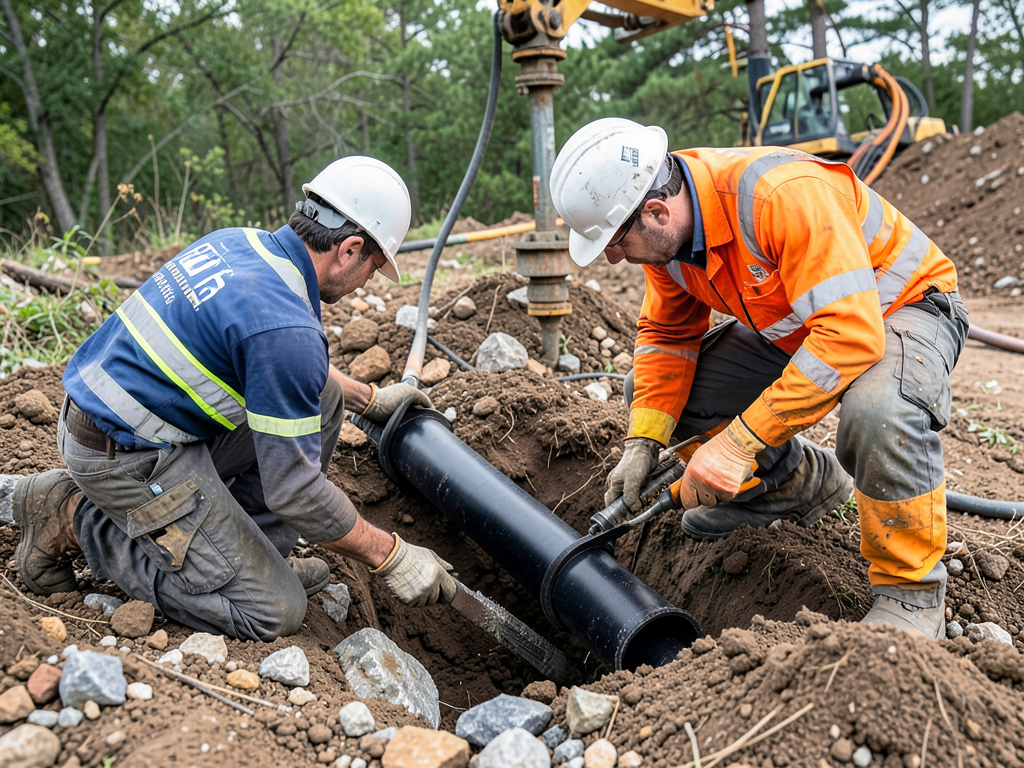
Technicians installing black iron gas pipe through rocky Connecticut soil using specialized trenching equipment
Calculating BTU Requirements for Your Fire Pit
BTU (British Thermal Unit) calculations determine the proper pipe diameter for your gas line. Undersized pipes create dangerous pressure drops that can cause incomplete combustion and carbon monoxide production. Oversized pipes waste material and increase installation costs unnecessarily.
Most residential fire pits require between 40,000 and 100,000 BTUs. The exact requirement depends on the burner size, flame height preference, and whether you plan to add features like electronic ignition or remote controls. Each additional feature adds to the total BTU load.
Distance from the gas meter significantly impacts pipe sizing. A 100,000 BTU fire pit located 50 feet from the meter requires a different pipe diameter than the same appliance located 10 feet away. Longer runs need larger pipes to maintain adequate pressure at the appliance.
Connecticut gas utilities use specific sizing charts based on the International Fuel Gas Code. These charts account for factors like gas pressure, pipe material, and total connected load. A licensed plumber must perform these calculations to ensure code compliance and safe operation. National Fuel Gas Code (NFPA 54).
The Installation Process Step by Step
Professional gas line installation follows a specific sequence to ensure safety and code compliance. Each step builds on the previous one, and skipping any stage can result in failed inspections or dangerous conditions.
- Site Assessment and Planning
Technicians evaluate soil conditions, locate existing utilities using Connecticut’s Call Before You Dig service, and plan the most efficient route from the gas meter to the fire pit location. This includes marking underground obstacles like large rocks or tree roots.
- Permit Acquisition
The licensed plumber pulls permits from the Greenwich Building Department, submitting detailed plans showing the gas line route, trench depth, and all safety features. The town reviews plans to ensure compliance with local codes.
- Trenching and Pipe Installation
Using appropriate equipment for rocky soil, technicians excavate trenches to the required depth. Pipes are laid with proper slope and secured at intervals to prevent movement. All joints are tested for proper fit before backfilling.
- Pressure Testing
The entire system undergoes pressure testing at 1.5 times the maximum operating pressure. Any leaks result in immediate shutdown and repair. Testing continues until the system holds pressure for the required 15-minute duration. Why We Are the Top Rated Pipe Repair Specialists in Byram.
- Final Inspection and Connection
The Greenwich Building Department inspects the completed installation. Once approved, the utility company connects the new line to the main gas supply and activates service.
Throughout the process, technicians use specialized tools to ensure proper installation. Manometers measure gas pressure at various points to verify adequate flow. Pipe alignment tools ensure straight runs that won’t create turbulence or pressure drops.
Connecticut requires all gas line installations to include emergency shut-off valves within 6 feet of the appliance. These valves must be easily accessible and clearly labeled. Some installations also include excess flow valves that automatically shut off gas if a line ruptures. Emergency Plumbers in Greenwich Who Actually Answer the Phone at 3 AM.
Completed natural gas fire pit installation with proper shut-off valve and pressure testing documentation
Common Installation Challenges in Backcountry Greenwich
The rocky soil conditions in Backcountry Greenwich create unique challenges for gas line installation. Large boulders often force installers to use directional boring techniques or create deeper trenches than standard requirements.
Connecticut’s freeze-thaw cycles can cause soil movement that stresses buried gas lines. Proper installation includes using flexible connections at key points and ensuring adequate pipe support to prevent damage from soil expansion and contraction.
Tree roots present another common challenge. Mature trees in Backcountry estates often have extensive root systems that can damage gas lines or make trenching difficult. Installers must carefully navigate around root zones while maintaining proper trench depth and line protection.. Read more about Why a Hydronic Snow Melt System Is a Game Changer for Your Riverside Driveway.
Property line considerations also affect installation. Gas lines crossing property lines require additional permits and may need to be installed in conduit for protection. Some Backcountry properties have shared utility easements that complicate routing decisions.
Safety Features and Code Compliance
Connecticut building codes require multiple safety features for all exterior gas installations. These features protect both property and occupants from potential gas leaks or pressure problems.
Every installation must include a properly sized sediment trap or drip leg near the appliance connection. This trap catches debris and moisture that could otherwise enter the burner and cause dangerous conditions. The trap must be installed in an accessible location for maintenance.
Gas lines running through exterior walls require proper sealing to prevent gas migration into wall cavities. Connecticut code mandates the use of approved fire-stop materials and gas-rated sealants at all wall penetrations.
Underground gas lines must be protected from damage during future excavation. This typically involves burying the pipe at least 18 inches deep and placing warning tape above the pipe at 12 inches depth. The tape alerts future excavators to the presence of buried gas lines.
All exposed piping must be properly supported and protected from physical damage. This includes using protective sleeves where pipes pass through concrete or where they might be subject to impact from lawn equipment or foot traffic.
Cost Factors for Your Gas Line Installation
Several factors influence the total cost of installing a natural gas line for your fire pit in Backcountry Greenwich. Understanding these factors helps you budget appropriately and avoid surprises.
Trench length and soil conditions significantly impact labor costs. Rocky soil requires more time and specialized equipment than loamy soil. Each additional foot of trench increases both material and labor costs.
Gas line diameter affects material costs directly. Larger diameter pipes cost more per foot but may be necessary for longer runs or higher BTU appliances. The diameter must be sized according to gas load calculations, not estimated.
Permit fees from the Greenwich Building Department vary based on project scope. Simple fire pit installations cost less to permit than complex outdoor kitchen setups with multiple appliances. The permit process also adds time to project completion.
Additional features like remote ignition systems, flame height controls, or weatherproof enclosures increase both material and installation costs. These features must be factored into the total BTU load calculations and may require larger pipe sizing.
Emergency repairs or modifications to existing gas systems can add unexpected costs. Older homes in Backcountry Greenwich may have outdated gas systems that need upgrades to handle new appliance loads safely.
Why Professional Installation Matters
Natural gas installation involves serious safety risks that make professional installation essential. Improper installation can result in gas leaks, carbon monoxide poisoning, or even explosions that threaten lives and property.
Connecticut law requires all natural gas line work to be performed by licensed plumbers. These professionals carry specific gas fitting licenses that require additional training and testing beyond standard plumbing credentials. Unlicensed work not only violates the law but also voids insurance coverage. Plumbing Stamford.
Professional installers understand how to navigate Connecticut’s specific building codes and permit requirements. They know which materials work best in local soil conditions and how to properly test for leaks before final connection. This expertise prevents costly mistakes and ensures long-term reliability. Expert Boiler Repair for Historic Greenwich Homes.
Insurance companies often require proof of professional installation for gas appliances. DIY or unlicensed work can result in denied claims if problems arise. Professional installation provides documentation that proves the work was done correctly and to code.
Professional installers also provide warranties on their workmanship. This protection gives you recourse if problems develop after installation. Most reputable companies stand behind their work with multi-year warranties on both materials and labor.
Frequently Asked Questions
How long does gas line installation take?
Most fire pit installations take 2-3 days from start to finish. This includes permit acquisition, trenching, pipe installation, pressure testing, and final inspection. Complex projects with multiple appliances may take longer.
Can I install a gas line myself?
No. Connecticut law requires all natural gas line work to be performed by licensed plumbers. DIY installation is illegal and extremely dangerous. Only licensed professionals can pull permits and schedule required inspections.
What happens if I hit a rock during trenching?
Professional installers use specialized equipment to navigate around large rocks. This may include directional boring or creating deeper trenches. The goal is always to maintain proper depth while avoiding damage to existing utilities or landscape features.
Do I need to be home during installation?
You don’t need to be present for the entire process, but you should be available for key steps like the initial site assessment and final inspection. Some installations may require temporary gas service interruption that needs your coordination.
How do I know if my gas line is properly sized?
Proper sizing requires professional calculations based on BTU requirements, pipe length, and gas pressure. Licensed plumbers use specific sizing charts from the International Fuel Gas Code to ensure adequate flow without pressure drops.
What maintenance does a gas line need?
Gas lines require minimal maintenance if properly installed. Annual inspections of visible components and testing of shut-off valves are recommended. Any signs of corrosion, damage, or gas odor require immediate professional attention.
Can I add more appliances later?
Adding appliances may require upsizing your existing gas line to handle the additional BTU load. A professional assessment can determine if your current installation can support expansion or if modifications are needed.
What should I do if I smell gas?
Immediately evacuate the area and call 911 from a safe location. Do not operate any electrical switches or devices that could create a spark. Natural gas leaks require immediate professional attention and possible emergency utility shutdown.
Are permits really necessary?
Yes. Greenwich requires permits for all gas line installations. The permit process ensures your installation meets safety codes and passes required inspections. Work without permits is illegal and can result in fines or required removal.
How deep should the trench be?
Connecticut code requires gas lines to be buried at least 18 inches below grade. In some areas or for certain pipe materials, deeper burial may be required. The exact depth depends on local conditions and specific installation requirements.
Ready to enjoy safe, reliable natural gas for your outdoor fire pit? Call (475) 320-3733 today to schedule your professional installation. Our licensed Connecticut plumbers handle everything from permits to final hookup, ensuring your project meets all safety codes and local requirements. Don’t risk DIY installation when your family’s safety is at stake. The Most Reliable Drain Cleaning Services in Old Greenwich.
Pick up the phone and call (475) 320-3733 before the next outdoor gathering. Professional installation means years of worry-free enjoyment of your new fire pit feature. We serve all of Backcountry Greenwich and surrounding Fairfield County communities with prompt, reliable service you can trust.
{
“@context”: “https://schema.org”,
“@type”: “BlogPosting”,
“headline”: “Running a Natural Gas Line for Your New Outdoor Fire Pit in Backcountry Greenwich”,
“description”: “Expert natural gas line installation for outdoor fire pits in Backcountry Greenwich. Licensed CT plumbers handle permits, trenching, and safety inspections for your luxury outdoor living space.”,
“wordCount”: 2327,
“datePublished”: “2026-05-02T10:02:00.000Z”,
“dateModified”: “2026-05-02T10:02:00.000Z”,
“inLanguage”: “en-US”,
“mainEntityOfPage”: {
“@type”: “WebPage”,
“@id”: “https://unitedplumbinggreenwich.com”
},
“publisher”: {
“@type”: “LocalBusiness”,
“name”: “United Plumbing Greenwich”,
“url”: “https://unitedplumbinggreenwich.com”
},
“author”: {
“@type”: “Organization”,
“name”: “United Plumbing Greenwich”,
“url”: “https://unitedplumbinggreenwich.com”
},
“image”: {
“@type”: “ImageObject”,
“url”: “https://unitedplumbinggreenwich.com/wp-content/uploads/2026/03/running-a-natural-gas-line-for-your-new-outdoor-fi-1.png”
}
}
{
“@context”: “https://schema.org”,
“@type”: “Plumber”,
“name”: “United Plumbing Greenwich”,
“url”: “https://unitedplumbinggreenwich.com”,
“address”: {
“@type”: “PostalAddress”,
“addressLocality”: “Greenwich”
},
“areaServed”: {
“@type”: “City”,
“name”: “Greenwich”
}
}
{
“@context”: “https://schema.org”,
“@type”: “FAQPage”,
“mainEntity”: [
{
“@type”: “Question”,
“name”: “How long does gas line installation take?”,
“acceptedAnswer”: {
“@type”: “Answer”,
“text”: “Most fire pit installations take 2-3 days from start to finish. This includes permit acquisition, trenching, pipe installation, pressure testing, and final inspection. Complex projects with multiple appliances may take longer.”
}
},
{
“@type”: “Question”,
“name”: “Can I install a gas line myself?”,
“acceptedAnswer”: {
“@type”: “Answer”,
“text”: “No. Connecticut law requires all natural gas line work to be performed by licensed plumbers. DIY installation is illegal and extremely dangerous. Only licensed professionals can pull permits and schedule required inspections.”
}
},
{
“@type”: “Question”,
“name”: “What happens if I hit a rock during trenching?”,
“acceptedAnswer”: {
“@type”: “Answer”,
“text”: “Professional installers use specialized equipment to navigate around large rocks. This may include directional boring or creating deeper trenches. The goal is always to maintain proper depth while avoiding damage to existing utilities or landscape features.”
}
},
{
“@type”: “Question”,
“name”: “Do I need to be home during installation?”,
“acceptedAnswer”: {
“@type”: “Answer”,
“text”: “You don’t need to be present for the entire process, but you should be available for key steps like the initial site assessment and final inspection. Some installations may require temporary gas service interruption that needs your coordination.”
}
},
{
“@type”: “Question”,
“name”: “How do I know if my gas line is properly sized?”,
“acceptedAnswer”: {
“@type”: “Answer”,
“text”: “Proper sizing requires professional calculations based on BTU requirements, pipe length, and gas pressure. Licensed plumbers use specific sizing charts from the International Fuel Gas Code to ensure adequate flow without pressure drops.”
}
},
{
“@type”: “Question”,
“name”: “What maintenance does a gas line need?”,
“acceptedAnswer”: {
“@type”: “Answer”,
“text”: “Gas lines require minimal maintenance if properly installed. Annual inspections of visible components and testing of shut-off valves are recommended. Any signs of corrosion, damage, or gas odor require immediate professional attention.”
}
},
{
“@type”: “Question”,
“name”: “Can I add more appliances later?”,
“acceptedAnswer”: {
“@type”: “Answer”,
“text”: “Adding appliances may require upsizing your existing gas line to handle the additional BTU load. A professional assessment can determine if your current installation can support expansion or if modifications are needed.”
}
},
{
“@type”: “Question”,
“name”: “What should I do if I smell gas?”,
“acceptedAnswer”: {
“@type”: “Answer”,
“text”: “Immediately evacuate the area and call 911 from a safe location. Do not operate any electrical switches or devices that could create a spark. Natural gas leaks require immediate professional attention and possible emergency utility shutdown.”
}
},
{
“@type”: “Question”,
“name”: “Are permits really necessary?”,
“acceptedAnswer”: {
“@type”: “Answer”,
“text”: “Yes. Greenwich requires permits for all gas line installations. The permit process ensures your installation meets safety codes and passes required inspections. Work without permits is illegal and can result in fines or required removal.”
}
},
{
“@type”: “Question”,
“name”: “How deep should the trench be?”,
“acceptedAnswer”: {
“@type”: “Answer”,
“text”: “Connecticut code requires gas lines to be buried at least 18 inches below grade. In some areas or for certain pipe materials, deeper burial may be required. The exact depth depends on local conditions and specific installation requirements.”
}
}
]
}
{
“@context”: “https://schema.org”,
“@type”: “HowTo”,
“name”: “Natural Gas Line Installation Process”,
“step”: [
{
“@type”: “HowToStep”,
“position”: 1,
“name”: “Site Assessment and Planning”,
“text”: “Technicians evaluate soil conditions, locate existing utilities using Connecticut’s Call Before You Dig service, and plan the most efficient route from the gas meter to the fire pit location. This includes marking underground obstacles like large rocks or tree roots.”
},
{
“@type”: “HowToStep”,
“position”: 2,
“name”: “Permit Acquisition”,
“text”: “The licensed plumber pulls permits from the Greenwich Building Department, submitting detailed plans showing the gas line route, trench depth, and all safety features. The town reviews plans to ensure compliance with local codes.”
},
{
“@type”: “HowToStep”,
“position”: 3,
“name”: “Trenching and Pipe Installation”,
“text”: “Using appropriate equipment for rocky soil, technicians excavate trenches to the required depth. Pipes are laid with proper slope and secured at intervals to prevent movement. All joints are tested for proper fit before backfilling.”
},
{
“@type”: “HowToStep”,
“position”: 4,
“name”: “Pressure Testing”,
“text”: “The entire system undergoes pressure testing at 1.5 times the maximum operating pressure. Any leaks result in immediate shutdown and repair. Testing continues until the system holds pressure for the required 15-minute duration. Why We Are the Top Rated Pipe Repair Specialists in Byram.”
},
{
“@type”: “HowToStep”,
“position”: 5,
“name”: “Final Inspection and Connection”,
“text”: “The Greenwich Building Department inspects the completed installation. Once approved, the utility company connects the new line to the main gas supply and activates service.”
}
],
“image”: “https://unitedplumbinggreenwich.com/wp-content/uploads/2026/03/running-a-natural-gas-line-for-your-new-outdoor-fi-1.png”
}
{
“@context”: “https://schema.org”,
“@type”: “BreadcrumbList”,
“itemListElement”: [
{
“@type”: “ListItem”,
“position”: 1,
“name”: “Home”,
“item”: “https://unitedplumbinggreenwich.com”
},
{
“@type”: “ListItem”,
“position”: 2,
“name”: “Blog”,
“item”: “https://unitedplumbinggreenwich.com/blog”
},
{
“@type”: “ListItem”,
“position”: 3,
“name”: “Running a Natural Gas Line for Your New Outdoor Fire Pit in Backcountry Greenwich”
}
]
}
{
“@context”: “https://schema.org”,
“@type”: “Service”,
“serviceType”: “Plumbing”,
“provider”: {
“@type”: “LocalBusiness”,
“name”: “United Plumbing Greenwich”,
“url”: “https://unitedplumbinggreenwich.com”
},
“areaServed”: {
“@type”: “City”,
“name”: “Greenwich”
},
“description”: “Expert natural gas line installation for outdoor fire pits in Backcountry Greenwich. Licensed CT plumbers handle permits, trenching, and safety inspections for your luxury outdoor living space.”
}