

menu

Running Toilet Repair in Greenwich – Expert Diagnosis That Stops Water Waste and Lowers Your Bills

United Plumbing Greenwich delivers precise running toilet repair by identifying the root cause, whether it's a faulty flapper, worn fill valve, or ghost flushing, so you stop wasting hundreds of gallons each day and reclaim control over your water costs.

Slider Image 1
Slider Image 2
Slider Image 3
Slider Image 4
Slider Image 5
Slider Image 7
Slider Image 8
Slider Image 9
Slider Image 10
Slider Image 11

Why Greenwich Homes Experience Frequent Running Toilet Issues

Greenwich's hard water supply accelerates mineral buildup inside toilet tanks, causing flappers to warp and fill valves to stick. The calcium deposits common in this area prevent these components from sealing properly, which means your toilet continues to run long after each flush. Add in the temperature swings between coastal humidity in summer and cold winter drafts, and you have the perfect conditions for rubber seals to deteriorate faster than normal.

A running toilet wastes between 30 and 200 gallons per day. In Greenwich, where water and sewer rates reflect the high cost of infrastructure maintenance, that waste translates into real money leaving your account every month. You might hear it as a faint hissing sound, or you might notice nothing at all until your water bill arrives and the numbers make you check the meter twice.

Ghost flushing happens when the flapper leaks slowly, allowing water to seep from the tank into the bowl until the tank level drops enough to trigger an automatic refill. This cycle repeats every few minutes, creating a phantom flush that signals a failing seal. The fix requires more than jiggling the handle. You need a proper toilet flapper replacement or fill valve repair to stop the cycle permanently.

If you try to stop toilet from running with a quick adjustment, you might buy yourself a few days, but the underlying wear continues. To fix running toilet problems correctly, you need someone who understands how Greenwich's water chemistry and climate affect the parts inside your tank.

Why Greenwich Homes Experience Frequent Running Toilet Issues
How We Diagnose and Repair Running Toilets the Right Way

How We Diagnose and Repair Running Toilets the Right Way

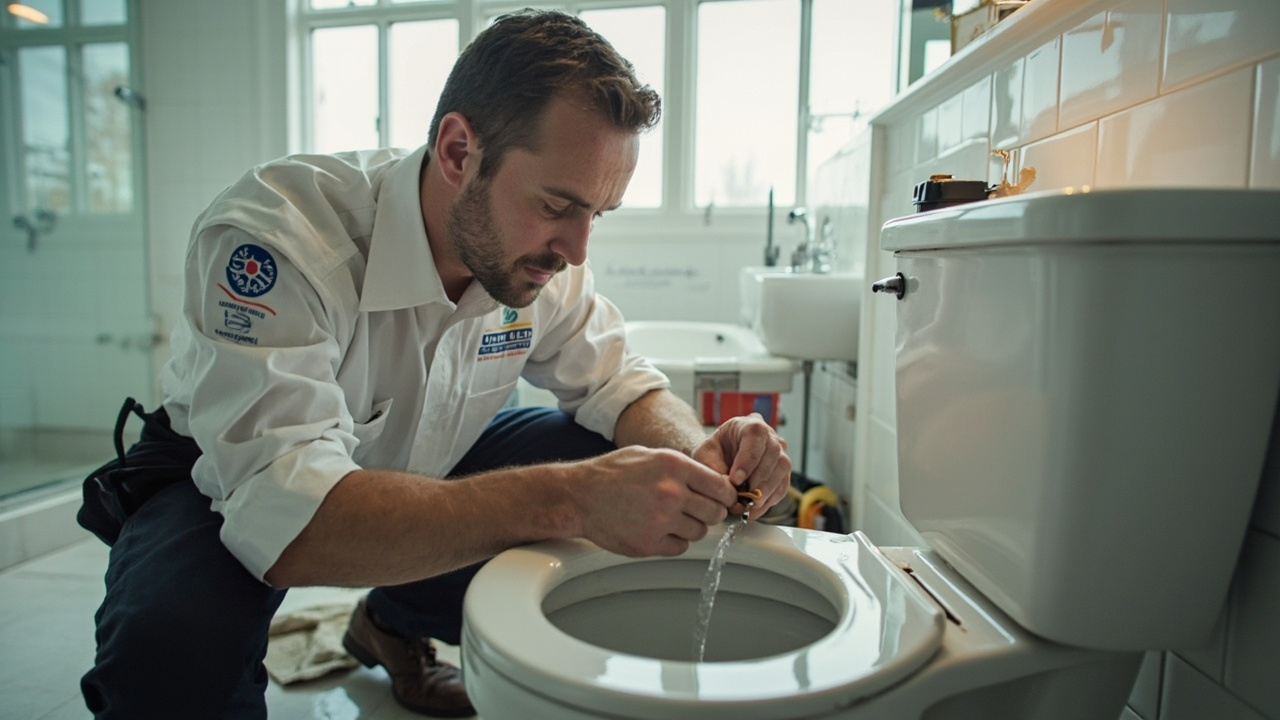
We start every running toilet repair with a tank inspection that goes beyond the obvious. Most homeowners assume the flapper is the only culprit, but we check the entire flush valve assembly, the overflow tube height, the refill tube positioning, and the condition of the fill valve diaphragm. These components work together, and a failure in one often stresses the others.

When we inspect the flapper, we look for mineral crusting along the seal edge and check whether the chain has the correct slack. Too much slack causes the flapper to close prematurely, leading to incomplete flushes. Too little slack prevents a full seal, which creates the constant trickle that drives up your water bill. We also test the buoyancy of the flapper itself, because some cheaper replacements lose their ability to float correctly after a few months of exposure to chlorine and hard water.

The fill valve receives equal attention. We examine the float arm or float cup for corrosion, test the shutoff mechanism for proper water level control, and check whether sediment has clogged the valve seat. In Greenwich homes built before 1995, we often find brass ballcock assemblies that have corroded to the point where no adjustment will stop the flow. These require a full fill valve replacement with a modern diaphragm-style valve designed to handle mineral-heavy water.

We also perform a dye test to identify slow leaks that don't produce audible sounds. We add food coloring to the tank and wait fifteen minutes without flushing. If the bowl water changes color, you have a leak that needs immediate attention. This test catches problems before they escalate into full-scale ghost flushing or tank overflows.

What Happens During Your Running Toilet Repair Appointment

Running Toilet Repair in Greenwich – Expert Diagnosis That Stops Water Waste and Lowers Your Bills
01

Tank Component Assessment

We remove the tank lid and photograph the existing setup before making any changes. This documentation helps us explain what failed and why. We then test each component individually, checking the flapper seal, the fill valve shutoff, the flush valve integrity, and the handle mechanism. We measure the water level against the overflow tube and verify that the refill tube directs water into the overflow, not onto the flapper. This systematic approach prevents misdiagnosis and unnecessary part replacements.
02

Precision Part Replacement

We install components matched to your toilet's flush volume and tank design. Flappers come in different sizes and materials, and using the wrong one creates new problems. We adjust the fill valve to achieve the correct water level, typically one inch below the top of the overflow tube. We replace the flapper chain if it shows wear, and we clean mineral deposits from the flush valve seat to ensure a perfect seal. Every connection is hand-tightened to prevent overtorque damage.
03

Performance Verification

We perform multiple flush cycles to confirm the toilet refills to the correct level and shuts off completely. We listen for any residual hissing or trickling sounds. We conduct a final dye test to confirm zero leakage between the tank and bowl. Before we leave, we show you how to perform a basic visual check on your own, so you can catch future issues before they become expensive problems. You receive documentation of the parts we installed and a timeline for when those components typically require replacement.

Why Greenwich Residents Trust United Plumbing Greenwich for Toilet Repairs

Greenwich homes range from historic properties near the Greenwich Point waterfront to newer constructions in the backcountry, and each era of plumbing presents different challenges. We understand how the original cast iron stacks in older homes affect venting, and we know which modern low-flow toilets perform best with Greenwich's municipal water pressure.

Our familiarity with local building codes matters when repairs involve more than simple part replacement. Connecticut plumbing code requires specific clearances and materials, and any work that involves water supply connections must meet state standards. We pull permits when required and ensure every repair can pass inspection, which protects your home's value and your insurance coverage.

We also recognize the water quality variations across different Greenwich neighborhoods. Homes near Long Island Sound sometimes experience different mineral content than properties farther inland, and we stock parts that perform well under both conditions. When we replace a flapper or fill valve, we choose components with proven longevity in hard water environments.

United Plumbing Greenwich keeps a full inventory of toilet repair parts on every service vehicle. This means we complete most running toilet repairs in a single visit, without the delays caused by parts ordering or return trips. We understand you need the problem fixed now, not next week.

Our technicians receive ongoing training in water conservation technologies and modern toilet engineering. We can explain the difference between a 3.5-gallon flush and a 1.28-gallon flush, and we can recommend upgrades that reduce water use without sacrificing performance. If your toilet is beyond repair, we provide honest guidance rather than selling unnecessary services.

What You Can Expect When You Schedule Running Toilet Repair

Same-Day Service Availability

We schedule most running toilet repairs within 24 hours of your call, and we offer same-day service for urgent situations where water waste is severe. Our dispatch system prioritizes appointments based on the severity of the issue and your schedule availability. We provide two-hour arrival windows and send a text message when the technician is 15 minutes away. Most repairs take between 30 and 60 minutes, depending on whether we need to address multiple components or deal with corroded tank bolts that require careful extraction to avoid cracking the porcelain.

Thorough Diagnostic Process

We never assume the obvious answer is the correct one. Before we replace any parts, we test the entire flush mechanism to identify the true source of the problem. We check for hidden leaks, measure water pressure, and inspect the tank's internal components under magnification if needed. This diagnostic rigor prevents the frustration of replacing a flapper only to discover the fill valve was the real culprit. We explain our findings in plain language and show you the worn or damaged parts so you understand exactly what failed and why.

Lasting Repair Results

The parts we install are selected for durability, not just price. We use flappers with reinforced silicone that resists chlorine degradation and fill valves with brass components that withstand mineral buildup. After the repair, your toilet should operate quietly and efficiently, with a clean shutoff after every flush and no phantom refills during the night. We test the repair multiple times before we consider the job complete, and we verify that the water level stabilizes at the correct height without overfilling or triggering continuous flow.

Follow-Up and Maintenance Guidance

We provide written documentation of the repair, including the specific parts installed and their expected service life. We recommend adding a toilet tank cleaning to your annual maintenance routine to prevent mineral buildup from shortening component life. If you have multiple toilets in your home, we can inspect them all during the same visit and flag any that show early signs of wear. This proactive approach prevents simultaneous failures and helps you budget for future replacements. We also offer annual plumbing inspections that catch small issues before they escalate into emergency repairs.

Frequently Asked Questions

You Have Questions,
We Have Answers

How do you fix a toilet that is constantly running? +

Start by turning off the water supply at the shut-off valve behind the toilet. Remove the tank lid and inspect the flapper. If it appears warped, cracked, or mineral-stained, replace it. Check the chain length so it has minimal slack but does not prevent the flapper from sealing. Next, adjust the float on the fill valve so the water level sits about one inch below the overflow tube. If the fill valve continues to leak internally, replace it. Flush and observe. If the problem persists, you may have sediment buildup or a cracked overflow tube requiring professional diagnosis.

What should you repair in a running toilet? +

Focus on three components inside the tank. First, the flapper, which seals the flush valve opening and stops water from leaking into the bowl. Second, the fill valve, which controls water refilling the tank after each flush. Third, the float mechanism that signals the fill valve to shut off at the correct water level. In Greenwich homes with hard water, mineral deposits accelerate wear on these rubber and plastic parts. Replacing a worn flapper or adjusting a misaligned float typically resolves most running toilet issues without major expense or invasive work.

What is most likely the cause of a toilet running? +

A worn or misaligned flapper is the most common cause. When the flapper degrades, it fails to create a watertight seal at the flush valve, allowing water to seep continuously into the bowl. Hard water minerals common in Greenwich accelerate rubber deterioration. Other frequent causes include an improperly adjusted float that keeps the fill valve open, a malfunctioning fill valve leaking internally, or a corroded overflow tube. Sediment buildup at the flush valve seat can also prevent the flapper from sealing completely, even if the flapper itself appears intact.

What are signs of a worn toilet flapper? +

Look for visible cracks, warping, or discoloration on the rubber flapper. If the flapper feels brittle or crumbles when you touch it, replacement is overdue. A mineral-crusted surface indicates hard water damage. Listen for a hissing sound in the tank, signaling water escaping past the seal. You can also add food coloring to the tank water. If color appears in the bowl within 15 minutes without flushing, the flapper is leaking. Greenwich water conditions often shorten flapper lifespan to three to five years instead of the typical seven.

Why put aluminum foil in a toilet tank? +

This is a myth. Some claim aluminum foil repels insects or prevents tank condensation, but it does nothing to fix a running toilet. Foil can actually interfere with moving parts or corrode metal components when combined with chlorinated water. If you have a running toilet in Greenwich, skip home remedies. Address the actual problem by inspecting the flapper, fill valve, and float mechanism. Proper diagnosis saves water and prevents damage. If you are unsure what is causing the issue, call a licensed plumber for an accurate assessment and lasting repair.

Is it worth trying to fix a running toilet? +

Yes. A running toilet wastes hundreds of gallons per day, driving up your water bill significantly. In Greenwich, where water and sewer rates climb each year, that waste costs real money. Beyond the expense, constant water flow accelerates wear on internal components and can lead to tank cracks or valve seat erosion. Most running toilet repairs are simple and inexpensive, often just requiring a new flapper or fill valve. Ignoring the problem invites bigger failures, potential water damage, and unnecessary environmental waste. Fix it now or pay more later.

Do you need a plumber to fix a running toilet? +

Minor repairs like replacing a flapper or adjusting a float are manageable for a homeowner with basic tools. However, if you have replaced parts and the toilet still runs, or if you notice tank cracks, valve seat corrosion, or persistent leaks despite new components, you need a plumber. Homes in Greenwich often have older fixtures with proprietary parts or complex fill valve designs requiring professional expertise. A plumber diagnoses the root cause quickly, installs quality replacement parts correctly, and ensures the repair lasts. Avoid repeated part swapping and call a professional when the problem is unclear.

Why is water constantly trickling into my toilet bowl? +

Water trickling into the bowl means the flapper is not sealing properly at the flush valve. This happens when the flapper is worn, misaligned, or obstructed by sediment or mineral buildup. Hard water in Greenwich can accelerate rubber degradation and leave crusty deposits on the valve seat, preventing a tight seal even with a new flapper. Check the flapper for visible damage and clean the valve seat with a scouring pad. If trickling continues, the flush valve itself may be cracked or the overflow tube damaged, requiring replacement or professional repair.

How do I know if my fill valve or flapper is bad? +

For the flapper, add food coloring to the tank water. If color seeps into the bowl within 15 minutes without flushing, the flapper is faulty. For the fill valve, listen for a hissing sound or watch the water level. If water continuously runs into the overflow tube or the valve never shuts off after flushing, the fill valve is bad. You can also lift the float manually. If the water does not stop, the fill valve has failed internally. Both components wear out over time, especially in areas with hard water like Greenwich.

What are two things you should never flush down a toilet? +

Never flush wipes, even those labeled flushable, or feminine hygiene products. Wipes do not break down like toilet paper and clog pipes, sewer laterals, and municipal systems. Greenwich homes with older cast iron or clay sewer lines are especially vulnerable to blockages from non-degradable items. Feminine products absorb water and expand, creating stubborn obstructions deep in your plumbing. Flushing these items leads to expensive drain cleaning or sewer line repairs. Stick to human waste and toilet paper only. Dispose of everything else in the trash to protect your plumbing and avoid emergency calls.

How Greenwich's Hard Water Accelerates Toilet Component Failure

Greenwich receives water from the Aquarion Water Company, which sources from reservoirs and aquifers with moderate to high mineral content. This hard water leaves calcium and magnesium deposits on every surface it contacts, including the rubber seals inside your toilet tank. Over time, these deposits create a rough surface on the flush valve seat, preventing the flapper from forming a watertight seal. The fill valve suffers similar damage, as sediment clogs the small orifices that control water flow. Homes near the coast sometimes experience additional corrosion from salt air infiltration, which accelerates the breakdown of metal components like tank bolts and fill valve stems.

Connecticut requires licensed plumbers to perform any work that involves water supply connections, and Greenwich enforces these standards through its building department. When you hire United Plumbing Greenwich, you work with technicians who hold active Connecticut P1 journeyman or master plumber licenses. This licensing ensures we understand the state plumbing code, carry appropriate insurance, and follow installation practices that protect your home's plumbing system integrity. We also maintain relationships with local suppliers, which means we can source specialized parts quickly when a repair requires components not typically stocked on service vehicles.
Plumbing Services in The Greenwich Area

We are proud to serve the community of Greenwich and the surrounding areas. Our local presence allows us to respond quickly to your plumbing needs, whether it's an emergency repair or a scheduled installation. View our location on the map and see our full service area to find out if we can come to your rescue. We're your trusted neighbors, always ready to lend a helping hand.

Address:
United Plumbing Greenwich, 88 Field Point Rd, Greenwich, CT, 06830

Additional Services We Offer

Our news updates

Latest Articles & News from The Blogs

Why Your New Dishwasher Is Not Draining Properly and How to Fix the Air Gap Standing water in your new…

Why Your New Dishwasher Is Not Draining Properly (and How to Fix the Air Gap)

Why Your New Dishwasher Is Not Draining Properly and How to Fix the Air Gap Standing water in your new…

The One Small Part in Your Laundry Room That Could Flood Your Entire Greenwich Home

The One Small Part in Your Laundry Room That Could Flood Your Entire Greenwich Home Old washing machine hoses are…

How to Get Rid of That Rotten Egg Smell Coming from Your Mianus Drains

How to Get Rid of That Rotten Egg Smell Coming from Your Mianus Drains That rotten egg smell coming from…

Contact Us

A running toilet costs you more every day it goes unfixed. Call United Plumbing Greenwich at (475) 320-3733 to schedule a same-day diagnostic appointment. We identify the problem, install the correct parts, and verify the repair works before we leave. No more water waste, no more inflated bills.