


menu

Sediment Buildup in Pipes in Greenwich – Expert Diagnosis and Permanent Solutions

United Plumbing Greenwich identifies the exact source of sediment buildup in pipes, then uses hydro-jetting and descaling techniques to restore full water flow and protect your plumbing system from future damage.

Slider Image 1
Slider Image 2
Slider Image 3
Slider Image 4
Slider Image 5
Slider Image 7
Slider Image 8
Slider Image 9
Slider Image 10
Slider Image 11

Why Greenwich Homes Face Accelerated Pipe Sediment Problems

You turn on the tap and the water pressure is weaker than it used to be. Or you notice a strange rattle in the pipes when the water heater kicks on. These are not normal aging issues. They are warning signs of sediment buildup in pipes, a problem that hits Greenwich homes harder than most people realize.

Greenwich sits in a region where municipal water sources and private wells carry elevated levels of dissolved minerals. The Long Island Sound watershed contributes calcium, magnesium, and iron to the water supply. When that water heats up in your pipes or sits stagnant overnight, those minerals precipitate out and form limescale accumulation in plumbing. Over time, calcium buildup in water lines creates a crusty inner lining that narrows the pipe diameter and chokes off water flow.

The older Colonial and Victorian homes throughout Greenwich were often plumbed with galvanized steel or copper lines that are now 50 to 100 years old. These aging pipes develop rough interior surfaces that act like magnets for mineral deposits in water pipes. You get hard water pipe scaling that compounds each year, especially in sections near the water heater where heat accelerates the precipitation process.

Newer homes are not immune. Even PEX and modern copper can develop pipe calcification problems if the water chemistry is aggressive enough. The result is the same: reduced pressure, higher energy bills because your water heater works harder, and eventual pinhole leaks or full blockages that require emergency intervention. Ignoring the early symptoms means you are setting yourself up for a much more expensive repair down the line.

Why Greenwich Homes Face Accelerated Pipe Sediment Problems
How We Remove Sediment and Restore Full Flow

How We Remove Sediment and Restore Full Flow

We do not guess. We start with a camera inspection to map the exact location and severity of the sediment buildup in pipes. A flexible borescope feeds through your cleanout or an access point near the water heater, giving us a live view of the interior pipe walls. We can see whether you are dealing with thin limescale accumulation in plumbing or thick, calcified ridges that have cut your flow by 40 percent or more.

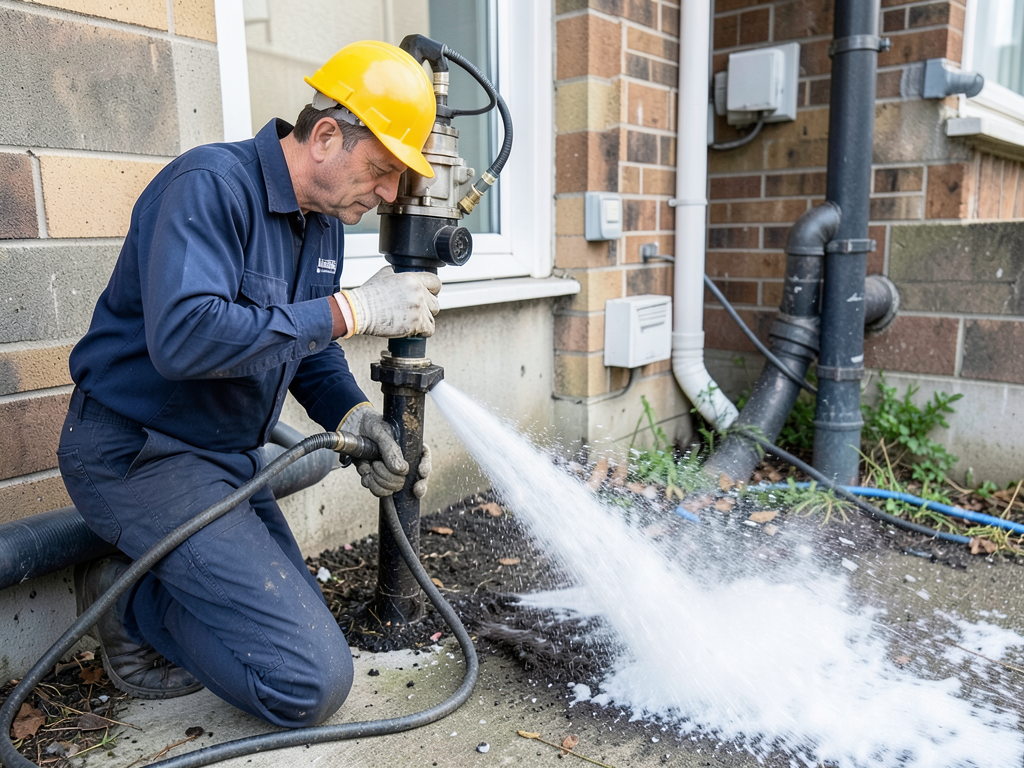
Once we know what we are dealing with, we select the appropriate descaling method. For moderate calcium buildup in water lines, high-pressure hydro-jetting is the most effective option. We feed a specialized nozzle into the line and blast 3,000 to 4,000 PSI of water in a 360-degree pattern. The force pulverizes mineral deposits in water pipes and flushes the debris out through the drainage system. The process is safe for copper, PEX, and most older piping materials when performed by trained technicians who understand the pressure tolerances of each material.

For severe hard water pipe scaling in galvanized steel or sections where the pipe wall is already compromised, we use a mechanical descaling tool with rotating chains or brushes. This method is slower but more controlled, especially in older Greenwich homes where the pipes themselves may be brittle. We monitor the pipe condition in real time and stop if we detect any structural weakness.

After descaling, we flush the entire system with clean water and retest flow rates at every fixture. We also recommend water quality testing to identify the mineral concentration in your supply. If your water has high hardness levels, we discuss filtration or softening options to prevent recurrence. The goal is not just to clear the blockage but to give you a long-term strategy that keeps your pipes clean.

What Happens During a Sediment Removal Service

Sediment Buildup in Pipes in Greenwich – Expert Diagnosis and Permanent Solutions
01

Video Inspection and Mapping

We insert a waterproof camera into your plumbing system through an existing cleanout or access valve. The camera transmits live footage to a monitor, showing us the exact thickness and distribution of mineral deposits in water pipes. We document problem zones, measure the remaining pipe diameter, and assess whether any sections have corroded to the point where they need replacement rather than cleaning.
02

Hydro-Jetting or Mechanical Descaling

Based on the inspection results, we deploy either high-pressure hydro-jetting equipment or mechanical descaling tools. Hydro-jetting uses water pressure to scour away limescale accumulation in plumbing, while mechanical descaling employs rotating brushes for tougher calcium buildup in water lines. We work methodically through each affected section, verifying progress with follow-up camera passes to ensure complete removal of hard water pipe scaling.
03

System Flush and Prevention Plan

After descaling, we flush the entire system to remove dislodged sediment particles. We test water pressure at each fixture to confirm full flow restoration. Then we provide a detailed report that includes before-and-after camera footage, water quality analysis results, and recommendations for filtration systems or water softeners to minimize future pipe calcification problems. You leave with a clear maintenance roadmap.

Why Greenwich Homeowners Trust United Plumbing Greenwich for Pipe Descaling

Most plumbers in Greenwich will tell you to replace the pipes when they see sediment buildup. That advice makes sense if the pipes are structurally compromised, but in many cases the pipes themselves are sound. The problem is the scale, not the material. United Plumbing Greenwich has the diagnostic tools and the descaling equipment to determine which scenario you are facing. We save you money by cleaning what can be cleaned and replacing only what truly needs replacement.

Our technicians train specifically on the pipe materials common to Greenwich homes. We know the difference between 1920s galvanized steel, 1970s copper, and modern PEX. We know which pressure settings are safe for each material and how to spot signs of impending failure before we start the descaling process. That level of specificity matters when you are working on a 100-year-old home in the Historic District where preserving original infrastructure is a priority.

We also understand the local water chemistry. Greenwich water hardness varies depending on whether you are on municipal supply or a private well. The Byram Shore area, for example, has different mineral profiles than properties near Converse Lake. We test your water on-site and tailor our descaling approach and prevention recommendations to your specific supply. Generic advice does not work here.

When we finish a job, you get documentation. Camera footage, pressure test results, and a written summary of what we found and what we did. If you ever sell your home, you can show prospective buyers that the plumbing system has been professionally maintained. If you need to file an insurance claim for pipe damage, you have timestamped proof of the condition before and after our service. Transparency is not optional in this industry. It is the baseline.

What to Expect When You Schedule a Sediment Removal Service

Response Time and Scheduling

We schedule diagnostic inspections within 24 to 48 hours of your call. If you have a true emergency, such as no water flow or a suspected blockage that is causing backups, we can often arrive the same day. Most sediment removal jobs are not emergencies, but they do require prompt attention to prevent the problem from escalating. We block out sufficient time so the technician is not rushing through the inspection. You get the full diagnostic process, not a hurried guess.

The Inspection Process

The initial inspection takes 60 to 90 minutes depending on the size of your home and the complexity of your plumbing layout. We locate all accessible cleanouts and access points, then feed the camera through the most strategic entry point to survey the interior of your pipes. You watch the footage in real time on our monitor. We pause at problem areas, take screenshots, and explain what you are seeing. You do not need to be a plumber to understand the images. Scale buildup is visually obvious.

The Descaling Work

Hydro-jetting or mechanical descaling typically takes three to six hours for a full residential system, though severe cases can take longer. We protect your floors and fixtures, run hoses to an exterior drainage point, and work methodically through each affected line. You will hear the equipment running, but the process is not destructive. When we finish, we clean up all debris, test the system, and provide you with the before-and-after camera footage on a USB drive or via email.

Prevention and Maintenance

After the descaling is complete, we discuss long-term prevention. If your water has high mineral content, we recommend point-of-entry water softeners or whole-house filtration systems. These systems remove calcium and magnesium before they enter your pipes, which stops new scale from forming. We also recommend periodic camera inspections every three to five years, especially if you have older pipes. Catching new buildup early means you can address it with a simple flush rather than a full descaling service.

Frequently Asked Questions

You Have Questions,
We Have Answers

How much to flush pipes in a house? +

Flushing pipes in a Greenwich home typically costs between factors like pipe material, property size, and sediment severity. A basic mainline flush ranges lower, while whole-house hydrojet cleaning runs higher. Older homes near Long Island Sound often have galvanized pipes that require more intensive treatment. The process includes draining fixtures, opening cleanouts, and power-flushing supply lines. Cost depends on accessibility and whether you need camera inspection beforehand. Greenwich's hard water accelerates mineral deposits, so annual maintenance prevents costly replacements. Get a site assessment before committing to understand your specific pipe condition and blockage severity.

What causes sediment buildup in pipes? +

Sediment buildup in Greenwich pipes comes from mineral-rich groundwater, corroding galvanized pipes, and municipal supply particulates. Hard water deposits calcium and magnesium carbonate along pipe walls, narrowing flow diameter. Older Greenwich neighborhoods have iron pipes that shed rust particles into the water. Temperature fluctuations during freeze-thaw cycles dislodge internal pipe scale. Water heaters accelerate sediment accumulation when minerals precipitate out during heating. Construction work in surrounding areas can stir debris into municipal lines. Clay soil common in Greenwich erodes into broken service lines. Regular flushing removes buildup before it restricts water pressure or damages fixtures.

How to get rid of debris in pipes? +

Removing debris from pipes requires identifying the blockage location first. For minor buildup, flush individual fixture lines by closing the valve, disconnecting the supply hose, and running water through at full pressure into a bucket. Whole-house debris needs professional hydrojet cleaning, which uses high-pressure water to scour pipe interiors. Open all faucets after flushing to clear loosened particles. Greenwich homes with old galvanized piping may need pipe replacement if corrosion is severe. Camera inspection pinpoints debris sources before treatment. Avoid chemical cleaners that damage pipe materials. Install sediment filters at the water entry point to prevent future accumulation.

How to remove silt from pipes? +

Silt removal from Greenwich pipes depends on contamination severity. For light silt from municipal work, flush cold water taps for five minutes, starting with the lowest fixture. Drain your water heater to remove settled sediment that enters through supply lines. Heavy silt requires professional hydrojetting, which propels water at pressures up to 4000 PSI to scour pipe walls. Older homes near tidal areas face silt intrusion through cracked service laterals. After flushing, install whole-house sediment filters rated at five microns to catch remaining particles. Replace cartridge filters quarterly in high-silt conditions. Persistent silt indicates broken pipes needing excavation and replacement.

How Greenwich's Water Hardness Accelerates Pipe Calcification

Greenwich water hardness averages 120 to 180 parts per million in most neighborhoods, which classifies it as moderately hard to hard. Homes in the backcountry that rely on private wells often test even higher, sometimes exceeding 250 ppm. When water with this mineral load heats up in your pipes or sits stagnant, calcium carbonate and magnesium hydroxide precipitate out and bond to the interior pipe surface. The process accelerates near water heaters, where temperatures routinely hit 120 to 140 degrees Fahrenheit. Over a decade, that translates to a measurable reduction in pipe diameter and a corresponding drop in water pressure throughout the home.

United Plumbing Greenwich has worked on hundreds of properties across Old Greenwich, Riverside, Cos Cob, and the backcountry. We know which neighborhoods have the most aggressive water chemistry and which home vintages are most vulnerable to sediment buildup in pipes. That familiarity means we can diagnose faster and recommend prevention strategies that are tailored to your specific location. Local codes in Greenwich also require permits for certain types of plumbing work, and we handle all the paperwork so you do not have to navigate the town building department yourself.
Plumbing Services in The Greenwich Area

We are proud to serve the community of Greenwich and the surrounding areas. Our local presence allows us to respond quickly to your plumbing needs, whether it's an emergency repair or a scheduled installation. View our location on the map and see our full service area to find out if we can come to your rescue. We're your trusted neighbors, always ready to lend a helping hand.

Address:
United Plumbing Greenwich, 88 Field Point Rd, Greenwich, CT, 06830

Additional Services We Offer

Our news updates

Latest Articles & News from The Blogs

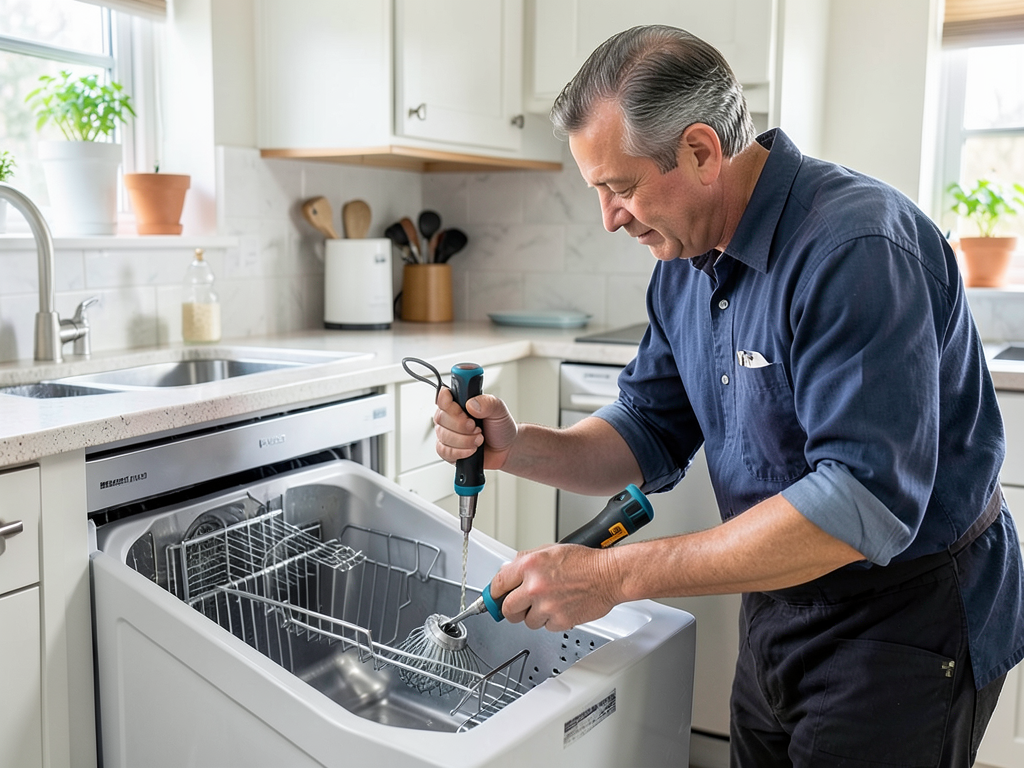
Why Your New Dishwasher Is Not Draining Properly and How to Fix the Air Gap Standing water in your new…

Why Your New Dishwasher Is Not Draining Properly (and How to Fix the Air Gap)

Why Your New Dishwasher Is Not Draining Properly and How to Fix the Air Gap Standing water in your new…

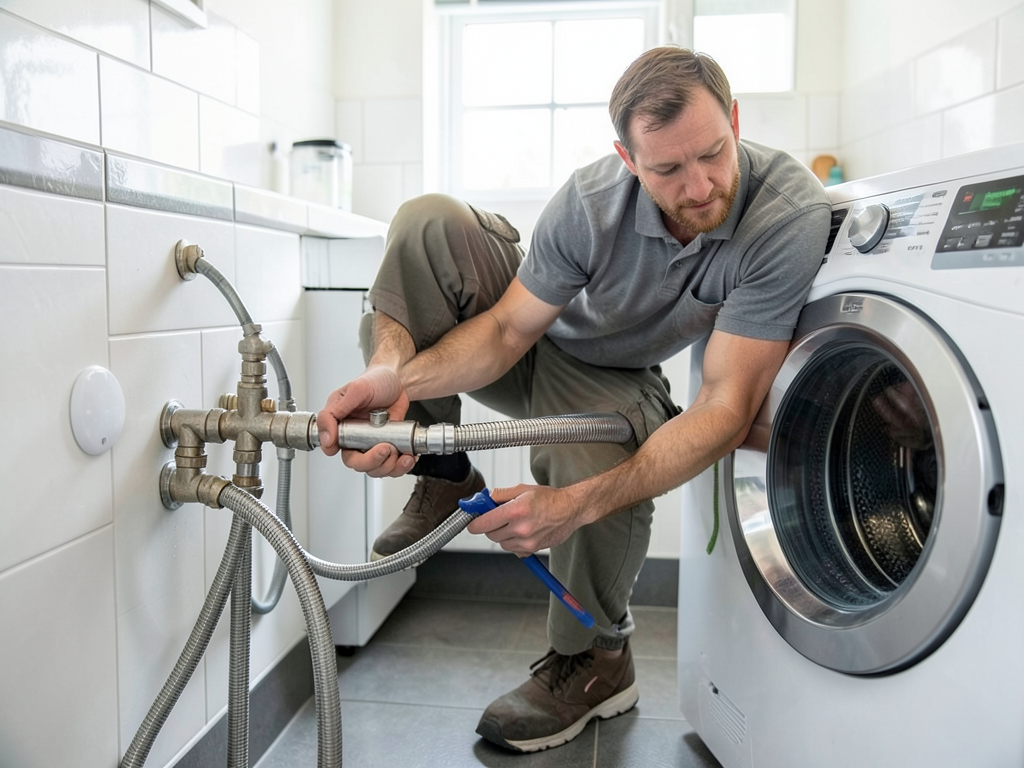
The One Small Part in Your Laundry Room That Could Flood Your Entire Greenwich Home

The One Small Part in Your Laundry Room That Could Flood Your Entire Greenwich Home Old washing machine hoses are…

How to Get Rid of That Rotten Egg Smell Coming from Your Mianus Drains

How to Get Rid of That Rotten Egg Smell Coming from Your Mianus Drains That rotten egg smell coming from…

Contact Us

Do not wait until you lose water pressure completely or face a burst pipe. Call United Plumbing Greenwich at (475) 320-3733 to schedule a camera inspection and get a clear diagnosis. We will show you exactly what is happening inside your pipes and give you a straightforward plan to fix it.