


menu

Signs You Need Sewer Repair in Greenwich – Expert Diagnosis Before Damage Spreads

United Plumbing Greenwich identifies warning signs of main sewer line issues early, from persistent drain backups to foundation settling, helping homeowners avoid catastrophic failures and costly emergency excavations.

Slider Image 1
Slider Image 2
Slider Image 3
Slider Image 4
Slider Image 5
Slider Image 7
Slider Image 8
Slider Image 9
Slider Image 10
Slider Image 11

How Greenwich's Coastal Clay Soil Creates Hidden Sewer Line Damage

The expansive clay soil throughout Greenwich shifts constantly with moisture changes, creating unique stress on underground sewer pipes that homeowners rarely notice until the damage becomes severe. You might dismiss slow drains as minor clogs, but those symptoms of a broken sewer line often signal lateral pipe collapse beneath your foundation.

Greenwich properties built before 1980 typically have cast iron or clay sewer lines that respond poorly to the soil's expansion and contraction cycles. As these pipes age, the ground movement creates joint separations and hairline fractures that let tree roots infiltrate the system. The result is progressive blockage that starts as occasional sluggish drainage and escalates to complete backup.

Indicators of sewer line damage appear gradually. You notice gurgling sounds when you flush toilets or run washing machines. Multiple drain fixtures back up simultaneously rather than one sink at a time. Patches of your lawn stay unusually green even during dry periods because sewage is leaking underground and fertilizing the grass. These warning signs of main sewer line issues are your property telling you that the main lateral is failing.

Many Greenwich homeowners ignore these early symptoms until sewage backs up through basement floor drains or toilets overflow during heavy rain events. By that point, the repair becomes significantly more complex. The contaminated soil requires removal, and the damage often extends beyond the initial failure point. Understanding how to tell if your sewer pipe is broken means recognizing the pattern before you face an emergency excavation in your front yard.

How Greenwich's Coastal Clay Soil Creates Hidden Sewer Line Damage
The Diagnostic Process That Identifies Failure Points Without Guesswork

The Diagnostic Process That Identifies Failure Points Without Guesswork

Traditional plumbers rely on hydro jetting to clear blockages, but that approach treats symptoms without identifying the actual structural failure causing your problems. United Plumbing Greenwich starts with video camera inspection that maps the entire sewer lateral from your foundation to the municipal connection point.

The inspection camera travels through the pipe on a flexible cable, transmitting real-time footage that reveals cracks, offsets, root intrusion points, and bellying sections where pipe has settled below grade. We document the precise location of each defect using electronic locating equipment that marks the ground surface above failure points. This eliminates exploratory digging and allows surgical repair of damaged sections.

For properties in the Belle Haven or Riverside neighborhoods where mature trees line the streets, root intrusion creates the majority of sewer line failures. The camera inspection shows us whether roots have merely entered through joints or if they have crushed the pipe itself. That distinction determines whether we can clear the roots and seal the joints or if pipe replacement is necessary.

We also test the grade and flow characteristics of your sewer line. Proper drainage requires a minimum slope of one quarter inch per foot. Sections that have settled flat or developed back-pitch create standing water that accelerates deterioration and traps debris. The camera inspection measures these grade issues and identifies whether your system meets current plumbing code standards.

After the inspection, you receive a detailed report with timestamped video footage, a diagram showing defect locations measured from your foundation, and repair options prioritized by urgency. This documentation proves valuable for insurance claims and provides the information you need to make an informed decision about repair versus replacement.

What Happens During Your Sewer Line Assessment

Signs You Need Sewer Repair in Greenwich – Expert Diagnosis Before Damage Spreads
01

Initial Symptom Review

We start by documenting the specific drainage problems you are experiencing, from backup frequency to which fixtures are affected. This information tells us where to focus the camera inspection and helps identify patterns consistent with particular failure types. We also review your property age and previous plumbing work to understand what pipe materials we are likely to encounter.
02

Camera Line Inspection

The waterproof camera travels through your entire sewer lateral, recording high-definition footage of the pipe interior. We identify cracks, root penetration, joint separation, corrosion, and grade problems while marking their exact locations from your foundation. The inspection typically takes 45 to 90 minutes depending on lateral length and the number of defects we document along the route.
03

Repair Recommendation Report

You receive a comprehensive report with video evidence, marked diagrams showing defect locations, and tiered repair options. We explain which problems require immediate attention to prevent catastrophic failure and which issues you can monitor. The report includes approach options from spot repairs to full lateral replacement, giving you the information to make the right decision for your property and budget.

Why Greenwich Homeowners Trust Local Expertise for Underground Systems

Sewer line repair in Greenwich requires understanding how local soil conditions, municipal connection standards, and historic property layouts affect underground plumbing systems. The town's varied topology means properties in Old Greenwich face different challenges than homes in Byram or Cos Cob, and generic approaches fail when confronted with these site-specific conditions.

United Plumbing Greenwich has mapped hundreds of sewer laterals throughout town, giving us institutional knowledge about common failure patterns in different neighborhoods. We know which streets still have shared laterals from the 1940s, where municipal connections require specific fittings, and how the water table elevation affects excavation planning. This local experience prevents the costly surprises that out-of-town contractors encounter mid-project.

Greenwich requires permits for sewer line work that extends beyond simple drain cleaning. We handle the application process with the town's Building Department and coordinate inspections according to their schedule requirements. Our familiarity with local inspectors and their expectations ensures your project passes review without delays or compliance issues that force rework.

The compact lot sizes and mature landscaping common throughout Greenwich demand careful excavation planning. We use trenchless repair methods when possible to minimize disruption to driveways, gardens, and hardscaping. When open excavation is necessary, we coordinate with utility locating services and plan access routes that protect your property improvements.

Many Greenwich homes have historical designation or sit within regulated zones that impose additional requirements on exterior work. We navigate these restrictions and ensure your sewer repair complies with preservation guidelines while solving your drainage problems. That combination of technical capability and regulatory knowledge protects you from permit violations and failed inspections that create legal complications.

What to Expect During Your Sewer Line Evaluation and Repair

Same-Day Camera Inspection Availability

We schedule camera inspections within 24 hours of your call for most situations. Emergency backups receive same-day response to identify the failure source and implement temporary mitigation if needed. The inspection itself takes under two hours in most cases, and you receive preliminary findings before we leave your property. Detailed reports with video documentation are delivered within one business day, giving you the information to move forward with repair decisions quickly.

Comprehensive Video Documentation

Our inspection cameras provide high-definition footage with distance measuring that pinpoints defect locations to within six inches of accuracy. You see exactly what we see, from root intrusion to pipe corrosion to joint offsets. We explain each finding in plain language and show you how it contributes to your drainage problems. The video becomes part of your permanent property record and provides documentation for insurance claims or disclosure requirements if you sell your home.

Surgical Repair Precision

The camera inspection eliminates guesswork about where to excavate or which sections need replacement. We repair only the damaged portions of your sewer lateral, preserving functional pipe and minimizing disruption to your property. Spot repairs address isolated failures without the expense of complete lateral replacement. When multiple failure points exist close together, we replace that segment rather than attempting patchwork fixes that fail prematurely. You get appropriate solutions scaled to your actual problem.

Post-Repair Verification and Documentation

After completing repairs, we run a final camera inspection to verify the work eliminated all defects and restored proper drainage. You receive updated video showing the repaired sections and confirming the system meets code requirements. We provide documentation for municipal inspectors and maintain records of your sewer system condition for future reference. Most repairs come with material and workmanship coverage, though specific terms depend on the repair method and materials used.

Frequently Asked Questions

You Have Questions,
We Have Answers

What are four signs that your sewer line is broken? +

Four critical signs signal a broken sewer line. First, you notice multiple drains backing up at once, not just one fixture. Second, sewage odors appear in your yard or basement without explanation. Third, patches of your lawn turn unusually green and spongy as wastewater fertilizes the grass. Fourth, you see foundation cracks or sinkholes developing near your sewer line path. Greenwich properties with older clay pipe systems face higher risk due to root intrusion from mature trees common throughout the area. If you experience any combination of these signs, schedule a camera inspection immediately to prevent property damage.

How do you know if you have sewer issues? +

Sewer issues reveal themselves through specific warning patterns. Your toilets gurgle when you run the washing machine or shower. Water backs up in your basement floor drain or bathtub. You smell persistent sewer gas inside your home or near your foundation. Your water bill increases without explanation due to leaks. In Greenwich, many homes built before 1980 still have original sewer laterals vulnerable to tree root invasion from the area's extensive canopy. Pay attention to slow draining across multiple fixtures, not just one clogged sink. These symptoms indicate problems beyond a simple blockage.

How to know if a sewer line needs to be replaced? +

Replacement becomes necessary when repairs cost more than installing new pipe. A camera inspection reveals extensive cracks, corrosion, or complete collapse along multiple sections. Your sewer line has suffered repeated blockages despite professional cleaning. The pipe material is outdated, like Orangeburg or deteriorated clay tile common in older Greenwich neighborhoods. Tree roots have infiltrated and destroyed the pipe structure. You see frequent backups or standing water in your yard above the line. Age matters, if your pipe exceeds 50 years and shows any symptoms, replacement prevents catastrophic failure and expensive emergency excavation during winter months.

Does homeowners insurance cover sewer lines? +

Standard homeowners insurance typically excludes sewer line coverage. Your policy covers sudden, accidental damage inside your home but not gradual deterioration or maintenance issues in underground pipes. The sewer lateral from your house to the municipal connection remains your responsibility, not the town's. In Greenwich, this can mean 50 to 100 feet of pipe you own and maintain. Some insurers offer optional sewer backup endorsements covering interior damage from backups, but not the pipe repair itself. Service line coverage exists as a separate rider. Review your policy and consider adding protection before problems develop.

How much does it cost to fix a collapsed sewer line? +

Repairing a collapsed sewer line varies widely based on depth, location, and access. Traditional excavation requires digging, removing the damaged section, and replacing pipe. Trenchless methods like pipe bursting or lining reduce surface disruption but require specific conditions. Factors affecting price include pipe depth, landscaping restoration, driveway or patio removal, and whether you need town permits. Greenwich properties with established landscaping or historic district restrictions face additional considerations. Expect the project to take multiple days. The investment protects your foundation and prevents sewage contamination. Request a camera inspection first to determine the exact scope.

What is the average lifespan of a sewer line? +

Sewer line lifespan depends entirely on material. Cast iron lasts 50 to 75 years before corrosion weakens the pipe. Clay tile, common in older Greenwich homes, survives 50 to 60 years but remains vulnerable to root intrusion and shifting soil. Orangeburg fiber pipe, used from the 1940s through 1970s, fails after 30 to 50 years. Modern PVC pipes last over 100 years under normal conditions. If your Greenwich home was built before 1980 and never had a sewer replacement, you likely approach or exceed your line's service life. Schedule a camera inspection to assess condition before failure occurs.

How much does it cost to have your sewer line inspection? +

Sewer line camera inspections typically range from affordable diagnostic tools to comprehensive assessments depending on scope. The inspection involves inserting a waterproof camera through a cleanout to view the entire pipe interior. You receive video footage showing cracks, blockages, root intrusion, and pipe condition. This diagnostic step prevents unnecessary excavation and pinpoints exact problem locations. In Greenwich, many plumbers include inspection footage with their service report. The small upfront investment saves thousands by identifying whether you need spot repair, cleaning, or full replacement. Always request an inspection before approving major sewer work to verify the diagnosis.

How to tell if your main sewer line is clogged? +

A clogged main sewer line creates distinct symptoms throughout your home. Multiple fixtures back up simultaneously, especially lower level drains. Your toilet bubbles when you run the washing machine. Water pools around your basement floor drain. You hear gurgling sounds from drains when water flows elsewhere in the house. In Greenwich, main line clogs often result from root intrusion, grease buildup, or foreign objects. Unlike a single fixture clog, main line blockages affect your entire drainage system. The backup usually appears at the lowest point first. Address main line clogs immediately to prevent sewage backup into living spaces.

How do plumbers find sewer leaks? +

Plumbers locate sewer leaks using camera inspection technology and specialized detection equipment. A waterproof camera travels through your pipe, revealing cracks, breaks, and leak points on video. The camera includes a radio transmitter that sends signals to a receiver above ground, pinpointing the exact location without guessing. Plumbers also look for soggy spots in your yard, unusual grass growth, or foundation settling. Smoke testing pushes non-toxic smoke through the system to identify where it escapes. In Greenwich, where properties feature extensive landscaping, accurate leak detection prevents unnecessary excavation and preserves your outdoor investment.

How do you tell if you have a collapsed sewer line? +

A collapsed sewer line shows dramatic symptoms you cannot ignore. Raw sewage backs up into your home through toilets, tubs, and floor drains. Your yard develops sinkholes or depressions above the pipe path. You see rodents or insects attracted to exposed sewage. Water and waste pool persistently in your basement or crawlspace. Multiple professional drain cleanings provide only temporary relief. In Greenwich, collapses often occur where tree roots compromise aging clay pipe or where ground shifting stresses connections. Camera inspection confirms collapse by showing complete pipe separation or crushed sections. This requires immediate professional repair to protect health and property.

Why Greenwich's Bedrock Proximity Makes Sewer Failures More Complex

Greenwich sits on bedrock formations that lie much closer to the surface than in neighboring Stamford or New Canaan. This shallow bedrock forces many sewer laterals to run through fractured rock sections where settling creates stress points that crack rigid pipe materials. Properties along the coastline face additional challenges from high water tables that saturate clay soil and accelerate corrosion of cast iron pipes. These geological factors make sewer line failure symptoms more severe in Greenwich, where a simple joint separation can escalate rapidly to complete collapse when unsupported pipe loses its bedding in saturated soil.

United Plumbing Greenwich understands how local subsurface conditions affect sewer system longevity and repair approaches. We have worked with the town's engineering department on numerous projects and know which streets have been upgraded to separated storm and sanitary systems. That knowledge helps us diagnose whether your backup stems from sewer line damage or from stormwater infiltration during heavy rain events. Our familiarity with Greenwich properties means we anticipate complications before they arise and plan repairs that account for your specific site conditions.

Plumbing Services in The Greenwich Area

We are proud to serve the community of Greenwich and the surrounding areas. Our local presence allows us to respond quickly to your plumbing needs, whether it's an emergency repair or a scheduled installation. View our location on the map and see our full service area to find out if we can come to your rescue. We're your trusted neighbors, always ready to lend a helping hand.

Address:
United Plumbing Greenwich, 88 Field Point Rd, Greenwich, CT, 06830

Additional Services We Offer

Our news updates

Latest Articles & News from The Blogs

Why Your New Dishwasher Is Not Draining Properly and How to Fix the Air Gap Standing water in your new…

Why Your New Dishwasher Is Not Draining Properly (and How to Fix the Air Gap)

Why Your New Dishwasher Is Not Draining Properly and How to Fix the Air Gap Standing water in your new…

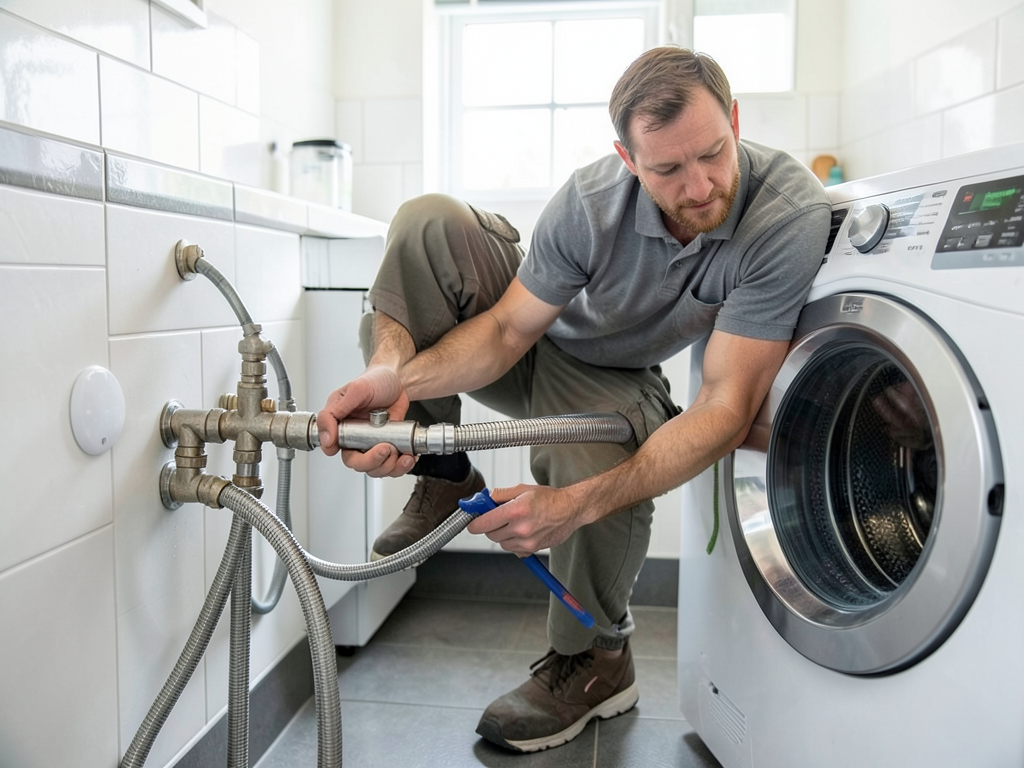
The One Small Part in Your Laundry Room That Could Flood Your Entire Greenwich Home

The One Small Part in Your Laundry Room That Could Flood Your Entire Greenwich Home Old washing machine hoses are…

How to Get Rid of That Rotten Egg Smell Coming from Your Mianus Drains

How to Get Rid of That Rotten Egg Smell Coming from Your Mianus Drains That rotten egg smell coming from…

Contact Us

Slow drains and gurgling fixtures are warnings you should not ignore. Call United Plumbing Greenwich at (475) 320-3733 to schedule a camera inspection that identifies problems while they are still repairable. We provide same-day service throughout town and give you the documentation you need to make informed decisions about your sewer system.