
Kitchen islands look beautiful but create unique plumbing problems. The biggest challenge is venting the sink drain without running pipes up through the ceiling. In Greenwich homes, this is especially tricky because many kitchens have open floor plans and custom cabinetry that hide venting solutions. If your island sink gurgles, drains slowly, or smells bad, the venting is likely wrong. The Most Reliable Drain Cleaning Services in Old Greenwich.
Island sinks need a special venting system to work properly. Without it, water rushing down the drain can create a vacuum that pulls water out of the P-trap. That lets sewer gas enter your home. The solution is either a Chicago Loop vent or an Air Admittance Valve (AAV), but each has specific requirements under Connecticut building codes. Connecticut State Building Code.
Understanding these hidden venting challenges can save you from costly mistakes during a kitchen remodel. The wrong venting can cause slow drains, bad smells, and even code violations that require expensive rework. Let’s look at how island sink venting works and what Greenwich homeowners need to know.
Understanding the Island Sink Drainage Problem
Traditional sinks sit against a wall where the vent pipe can run up through the wall to the roof. Island sinks sit in the middle of the room with no walls nearby. This creates a drainage problem called siphonage.
When water flows down a drain, it pushes air ahead of it. If there’s no way for air to enter behind the water, a vacuum forms. This vacuum can pull water out of the P-trap under the sink. Once the water seal breaks, sewer gas can rise into your kitchen.
The P-trap under your island sink needs to stay filled with water at all times. It creates a seal that blocks sewer gas. But without proper venting, the vacuum from draining water can empty the trap. You might hear gurgling sounds or notice slow drainage. Sometimes you’ll smell rotten eggs from sewer gas.
Greenwich building inspectors see these problems often in kitchen remodels. Many homeowners don’t realize island sinks need special venting until they fail inspection. The venting must be installed before the countertop goes on, making it harder to fix later.
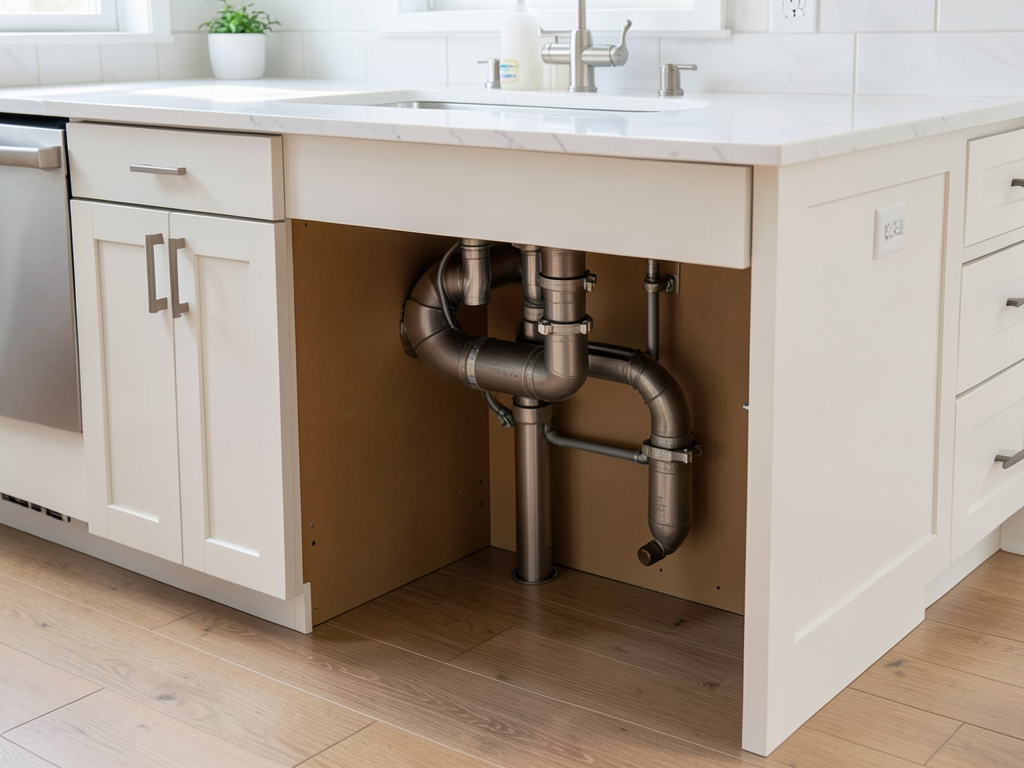
Diagram showing proper island sink venting with P-trap and vent pipe loop
Common Venting Solutions for Island Sinks
Two main solutions exist for island sink venting. The Chicago Loop and the Air Admittance Valve each have pros and cons. Your choice depends on your kitchen layout, local codes, and personal preference.
The Chicago Loop (Island Fixture Venting)
The Chicago Loop is a traditional method that loops the vent pipe up and over the drain. The loop rises at least 6 inches above the flood level of the sink before turning down to connect with the drain. This creates an air pocket that breaks the vacuum.
The loop must be installed within the island base cabinet. It requires careful planning because the loop needs enough height to work properly. In most Greenwich homes, this means the loop rises near the back of the cabinet before turning to connect with the horizontal drain pipe.
This method works well for most island setups. The main disadvantage is that the loop takes up space inside the cabinet. You need to plan your plumbing rough-in early in the remodel. The pipe must be accessible for future inspection or repair. Why We Are the Top Rated Pipe Repair Specialists in Byram.
Air Admittance Valves (AAVs or Studor Vents)
AAVs are mechanical devices that open when water flows down the drain. They let air in but prevent sewer gas from escaping. These valves are smaller than loops and easier to hide inside cabinets.
AAVs must be installed according to manufacturer instructions and local codes. In Connecticut, AAVs must be accessible for inspection and replacement. They cannot be buried inside walls or under concrete. Most models require mounting 4 inches above the horizontal branch drain.
The advantage of AAVs is their compact size. They work well in tight spaces where a loop won’t fit. However, they are mechanical devices that can fail over time. You need to test them periodically to ensure they’re working properly.
| Venting Method | Space Required | Maintenance | Code Compliance |
|---|---|---|---|
| Chicago Loop | 6+ inches vertical rise in cabinet | Minimal, inspect for leaks | Always allowed in CT |
| AAV (Studor Vent) | 4 inches above drain, accessible | Test every 1-2 years | Allowed with accessibility |
Greenwich Building Codes & Plumbing Regulations
Connecticut adopts the International Plumbing Code with state amendments. Greenwich follows these standards but may have additional local requirements. Understanding these codes prevents failed inspections and costly rework. International Plumbing Code.
The Connecticut State Building Code requires island sink drains to be at least 2 inches in diameter. The vent pipe must be at least half the size of the drain pipe. For a 2-inch drain, you need a 1.5-inch vent minimum.
AAVs in Connecticut must be installed within the island cabinet where they remain accessible. They cannot be installed in wall cavities or under flooring. Each AAV must be individually accessible for inspection and replacement. The valve must be installed according to the manufacturer’s instructions.
Chicago Loops have fewer restrictions but still must meet code requirements. The loop must rise at least 6 inches above the flood level rim of the sink. This height prevents water from backing up into the vent pipe during a clog.
Greenwich homeowners should check with the building department before starting work. Some neighborhoods with historic homes may have additional requirements. The town requires permits for all new plumbing work, including island sink installations.
Local water pressure in Greenwich typically runs between 40-60 psi. This is adequate for most island sink setups. However, homes with private wells or older plumbing may need pressure testing before installation.
Signs Your Island Vent was Installed Incorrectly
Many homeowners don’t discover venting problems until after the kitchen is finished. Here are signs that your island vent needs attention.
Gurgling sounds when water drains indicate air is struggling to enter the system. You might hear this when the dishwasher drains or when emptying a large pot. The sound means the vent isn’t working properly.
Slow drainage in the island sink often points to venting issues. If other sinks drain normally but the island is slow, the problem is likely in the vent system. Poor venting can also cause water to back up into other fixtures.
Sewer gas odors from the island sink mean the P-trap is being siphoned dry. You might notice this smell after draining a full sink or running the dishwasher. The odor comes from methane and other gases that should be trapped by the water seal.
Water backing up into the sink when using other fixtures indicates a venting or drain problem. This happens when the vent can’t handle the air pressure changes from multiple fixtures draining at once.
If you notice any of these signs, call a licensed Greenwich plumber for inspection. Venting problems rarely fix themselves and usually get worse over time. Early detection prevents water damage and health hazards from sewer gas.
Island Vent Maintenance Tips for Homeowners
Proper maintenance keeps your island sink venting working correctly. Most problems are preventable with regular attention.
Check AAVs annually by running water and listening for proper operation. The valve should open with a slight sound when water flows. If you don’t hear anything, the valve may be stuck closed. Replace AAVs every 5-10 years as preventive maintenance.
Inspect Chicago Loops for leaks at connection points. Look for water stains or mineral deposits around pipe joints. Even small leaks can cause cabinet damage over time. Tighten connections if you notice dampness.
Keep the area around vents clear of stored items. Don’t block access to AAVs or loop connections. You need to reach these components for inspection and repair. Avoid storing cleaning supplies directly against vent pipes.
Test your venting system by running multiple fixtures at once. Fill the island sink with water and pull the stopper while running the dishwasher. Listen for gurgling or watch for slow drainage. This stress test reveals problems before they become emergencies.
Consider installing a cleanout port in the island cabinet. This gives you access to the drain line for clearing clogs without tearing apart the cabinet. Cleanouts make future maintenance much easier.
Never use chemical drain cleaners in island sinks. These chemicals can damage pipes and void warranties on mechanical vents. Use a plunger or call a professional for stubborn clogs.
Cost Considerations for Island Vent Installation
Installing proper venting during a kitchen remodel costs more than standard plumbing. However, the expense is much less than fixing problems later. Fixing a Persistent Clog in Your Glenville Kitchen Sink.
Chicago Loop installation typically costs $300-500 more than standard venting. This includes the extra pipe, fittings, and labor for the loop installation. The exact cost depends on your cabinet layout and the distance to the main drain.
AAVs cost $100-200 for the valve itself. Installation adds another $200-300 for labor. Total cost ranges from $300-500, similar to Chicago Loops. The main savings with AAVs is in cabinet space rather than installation cost.
Retrofitting venting in an existing island is much more expensive. You may need to remove countertops and cabinets to access the plumbing. Costs can range from $1,000-3,000 depending on the extent of the work required.
Consider these costs as part of your kitchen remodel budget. Proper venting prevents much more expensive problems like water damage, mold growth, and failed inspections. The peace of mind is worth the investment.
Many Greenwich homeowners choose professional installation even for DIY remodels. Island venting requires precise measurements and code compliance. Mistakes can be costly to fix once the kitchen is complete.
Modern Design Solutions for Hidden Venting
Today’s kitchen designers have creative solutions for hiding island venting while maintaining functionality. Custom cabinetry can conceal vents without sacrificing storage space.
False cabinet backs create space for Chicago Loops without reducing usable storage. The loop runs behind a removable panel that looks like a standard cabinet back. This keeps the vent accessible while maintaining clean lines.
Drawer stacks can be modified to hide AAVs. A shallow top drawer covers the valve while deeper drawers below provide storage. The modification is invisible when the drawer is closed but allows easy access for maintenance.
Some luxury kitchens use decorative columns or posts to hide venting runs. These architectural elements add visual interest while serving a functional purpose. The vent pipe runs up through the column to the ceiling.
Undermount sinks with custom countertops can conceal vent connections. The plumbing runs through the cabinet floor to a wall connection, eliminating visible pipes inside the cabinet. This works well with quartz or solid surface countertops.
Smart design prevents venting from dictating your kitchen layout. Work with a plumber and designer who understand both code requirements and aesthetic goals. The right solution blends seamlessly with your vision.
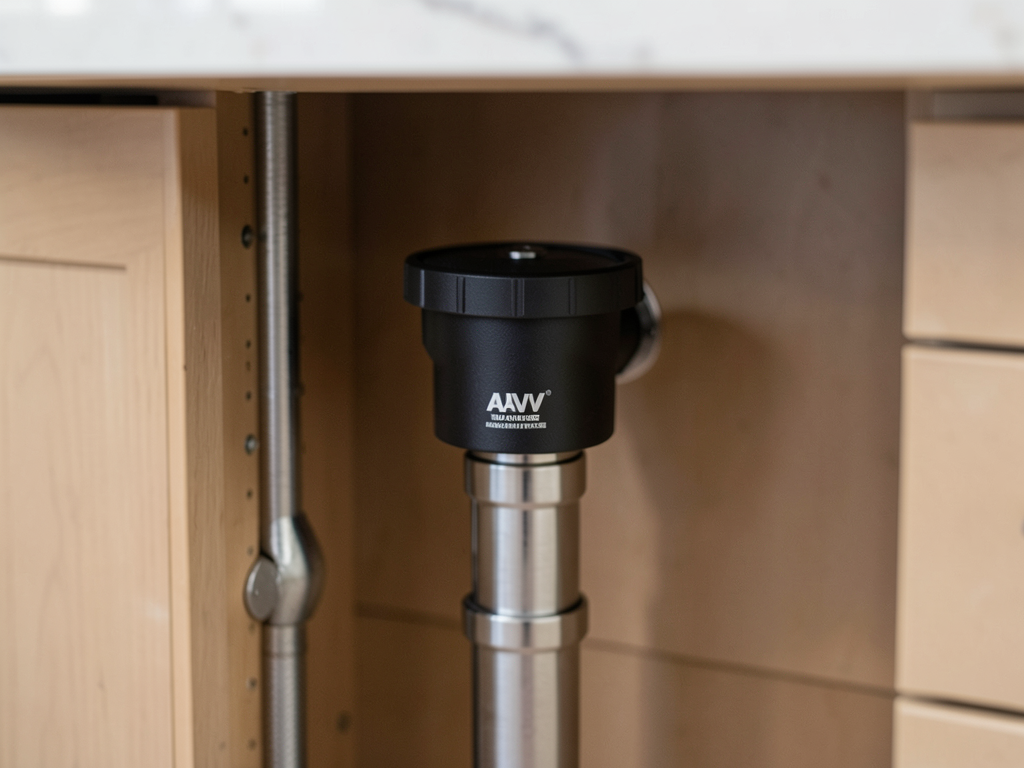
Photo showing custom cabinet modification for hidden AAV installation
Choosing Between AAV and Chicago Loop
Both venting methods work well when installed correctly. Your choice depends on several factors specific to your kitchen and preferences.
Consider space constraints first. Chicago Loops need vertical rise within the cabinet. If your cabinet has drawers or pull-out shelves, an AAV might be better. AAVs need only horizontal space and can fit in tight spots.
Think about long-term reliability. Chicago Loops are simple pipes with no moving parts. They rarely fail if installed correctly. AAVs are mechanical devices that can wear out. However, modern AAVs are very reliable and easy to replace.
Check local codes carefully. While both methods are generally allowed in Connecticut, some jurisdictions have specific requirements. Your plumber should know the current regulations for Greenwich and Fairfield County.
Consider future maintenance. Chicago Loops are visible inside cabinets, making leaks easier to spot. AAVs are hidden but need periodic testing. If you’re not comfortable checking mechanical devices, a loop might be better.
Budget may influence your decision. Both methods cost about the same to install. However, if you’re doing the work yourself, AAVs are simpler to install correctly. Chicago Loops require more precise measurements and cutting.
Talk to your plumber about your specific situation. They can recommend the best option based on your cabinet layout, local codes, and personal preferences. The right choice ensures years of trouble-free use.
Working with Your Kitchen Designer
Successful island sink installation requires coordination between your plumber, designer, and contractor. Early planning prevents costly changes later.
Share your venting plans with your designer before finalizing cabinet layouts. The venting system affects where you can place drawers, pull-out shelves, and storage solutions. Your designer needs this information to create functional cabinets.
Consider appliance placement carefully. Dishwashers, garbage disposals, and pot fillers all affect drain line sizing and venting requirements. Your plumber should review the complete appliance list before planning the venting system.
Plan for future access. Even if you hide vents for aesthetics, you need to reach them for maintenance. Removable panels, false backs, or accessible drawers make future repairs much easier.
Discuss countertop overhangs with your contractor. The vent connection point needs to align with your countertop layout. Last-minute changes to overhang depth can affect venting installation.
Get everything in writing. Your contract should specify the venting method, materials to be used, and code compliance requirements. This prevents misunderstandings and ensures everyone agrees on the approach.
Schedule a pre-installation meeting with all parties. Review the venting plan, cabinet modifications, and installation sequence. Clear communication prevents mistakes and keeps your project on schedule.
Photo of a completed island sink installation with hidden venting system
Common DIY Mistakes to Avoid
Many DIYers attempt island sink installation to save money. While some succeed, others create expensive problems. Here are common mistakes to avoid.
Skipping the permit is a major mistake. Greenwich requires permits for all new plumbing work. Unpermitted work can cause problems when selling your home and may void your homeowner’s insurance.
Using incorrect pipe sizes is another frequent error. Island sink drains need 2-inch pipes minimum. Smaller pipes cause slow drainage and may not meet code. The vent pipe must be sized correctly relative to the drain pipe.
Improper AAV installation causes many failures. Valves must be accessible, installed at the correct height, and mounted according to manufacturer instructions. Burying an AAV in a wall or installing it upside down guarantees problems.
Incorrect Chicago Loop height is a common mistake. The loop must rise at least 6 inches above the flood level rim. If it’s too low, water can back up into the vent pipe during a clog. This defeats the purpose of the vent.
Failing to test the system before closing walls is costly. Always run water through all fixtures and check for proper drainage and venting before covering pipes. Finding problems after the fact means tearing out finished work.
Ignoring local codes leads to failed inspections. Connecticut and Greenwich have specific requirements for island venting. What works in one state may not meet local standards. Always check current codes before starting work.
If you’re not confident in your plumbing skills, hire a professional. Island sink installation requires precision and code knowledge. The cost of professional installation is much less than fixing DIY mistakes.
Frequently Asked Questions
Can I install an island sink without any venting?
No. Island sinks must have proper venting to prevent sewer gas and ensure proper drainage. Venting is required by all building codes and is essential for health and safety.
How much does it cost to vent an island sink in Greenwich?
Professional installation typically costs $300-500 for either AAV or Chicago Loop systems. Retrofitting existing islands costs more, often $1,000-3,000 depending on the complexity.
Which is better: AAV or Chicago Loop?
Both work well when installed correctly. Chicago Loops are simpler with no moving parts. AAVs save space but require periodic testing. Your choice depends on your cabinet layout and personal preference.
How do I know if my island sink is vented correctly?
Proper venting prevents gurgling sounds, slow drainage, and sewer gas odors. If you notice any of these problems, your venting may need inspection by a licensed plumber.
Can I use a regular vent pipe for an island sink?
No. Island sinks need special venting solutions like AAVs or Chicago Loops because there are no walls to run traditional vent pipes through.
Protect Your Investment with Professional Installation
Island sink venting requires expertise and code knowledge. A small mistake can cause big problems that are expensive to fix later. Professional installation ensures your system works correctly from day one. Expert Boiler Repair for Historic Greenwich Homes.
United Plumbing has years of experience with island sink installations in Greenwich homes. We understand local codes, common problems, and the best solutions for your specific situation. Our installations prevent the gurgling, slow drains, and odors that plague DIY attempts.
Don’t risk water damage, sewer gas exposure, or failed inspections. Call United Plumbing today at (475) 320-3733 for a free consultation. We’ll evaluate your kitchen layout, explain your options, and provide a detailed quote for professional installation.
Pick up the phone and call (475) 320-3733 before the next storm hits. Don’t wait until you have a plumbing emergency. Proper venting protects your home and family from sewer gas and water damage. Let our experienced team handle your island sink installation correctly the first time. Emergency Plumbers in Greenwich Who Actually Answer the Phone at 3 AM.
{
“@context”: “https://schema.org”,
“@type”: “BlogPosting”,
“headline”: “Solving the Hidden Venting Challenges of a Kitchen Island Sink in Greenwich”,
“description”: “Kitchen island sinks need special venting to prevent sewer gas and slow drains. Learn how to vent island plumbing in Greenwich homes and stay code compliant.”,
“wordCount”: 2902,
“datePublished”: “2026-06-04T11:35:00.000Z”,
“dateModified”: “2026-06-04T11:35:00.000Z”,
“inLanguage”: “en-US”,
“mainEntityOfPage”: {
“@type”: “WebPage”,
“@id”: “https://unitedplumbinggreenwich.com”
},
“publisher”: {
“@type”: “LocalBusiness”,
“name”: “United Plumbing Greenwich”,
“url”: “https://unitedplumbinggreenwich.com”
},
“author”: {
“@type”: “Organization”,
“name”: “United Plumbing Greenwich”,
“url”: “https://unitedplumbinggreenwich.com”
},
“image”: {
“@type”: “ImageObject”,
“url”: “https://unitedplumbinggreenwich.com/wp-content/uploads/2026/03/solving-the-hidden-venting-challenges-of-a-kitchen-1.png”
}
}
{
“@context”: “https://schema.org”,
“@type”: “Plumber”,
“name”: “United Plumbing Greenwich”,
“url”: “https://unitedplumbinggreenwich.com”,
“address”: {
“@type”: “PostalAddress”,
“addressLocality”: “Greenwich”
},
“areaServed”: {
“@type”: “City”,
“name”: “Greenwich”
}
}
{
“@context”: “https://schema.org”,
“@type”: “FAQPage”,
“mainEntity”: [
{
“@type”: “Question”,
“name”: “Can I install an island sink without any venting?”,
“acceptedAnswer”: {
“@type”: “Answer”,
“text”: “No. Island sinks must have proper venting to prevent sewer gas and ensure proper drainage. Venting is required by all building codes and is essential for health and safety.”
}
},
{
“@type”: “Question”,
“name”: “How much does it cost to vent an island sink in Greenwich?”,
“acceptedAnswer”: {
“@type”: “Answer”,
“text”: “Professional installation typically costs $300-500 for either AAV or Chicago Loop systems. Retrofitting existing islands costs more, often $1,000-3,000 depending on the complexity.”
}
},
{
“@type”: “Question”,
“name”: “Which is better: AAV or Chicago Loop?”,
“acceptedAnswer”: {
“@type”: “Answer”,
“text”: “Both work well when installed correctly. Chicago Loops are simpler with no moving parts. AAVs save space but require periodic testing. Your choice depends on your cabinet layout and personal preference.”
}
},
{
“@type”: “Question”,
“name”: “How do I know if my island sink is vented correctly?”,
“acceptedAnswer”: {
“@type”: “Answer”,
“text”: “Proper venting prevents gurgling sounds, slow drainage, and sewer gas odors. If you notice any of these problems, your venting may need inspection by a licensed plumber.”
}
},
{
“@type”: “Question”,
“name”: “Can I use a regular vent pipe for an island sink?”,
“acceptedAnswer”: {
“@type”: “Answer”,
“text”: “No. Island sinks need special venting solutions like AAVs or Chicago Loops because there are no walls to run traditional vent pipes through.”
}
}
]
}
{
“@context”: “https://schema.org”,
“@type”: “BreadcrumbList”,
“itemListElement”: [
{
“@type”: “ListItem”,
“position”: 1,
“name”: “Home”,
“item”: “https://unitedplumbinggreenwich.com”
},
{
“@type”: “ListItem”,
“position”: 2,
“name”: “Blog”,
“item”: “https://unitedplumbinggreenwich.com/blog”
},
{
“@type”: “ListItem”,
“position”: 3,
“name”: “Solving the Hidden Venting Challenges of a Kitchen Island Sink in Greenwich”
}
]
}
{
“@context”: “https://schema.org”,
“@type”: “Service”,
“serviceType”: “Plumbing”,
“provider”: {
“@type”: “LocalBusiness”,
“name”: “United Plumbing Greenwich”,
“url”: “https://unitedplumbinggreenwich.com”
},
“areaServed”: {
“@type”: “City”,
“name”: “Greenwich”
},
“description”: “Kitchen island sinks need special venting to prevent sewer gas and slow drains. Learn how to vent island plumbing in Greenwich homes and stay code compliant.”
}