
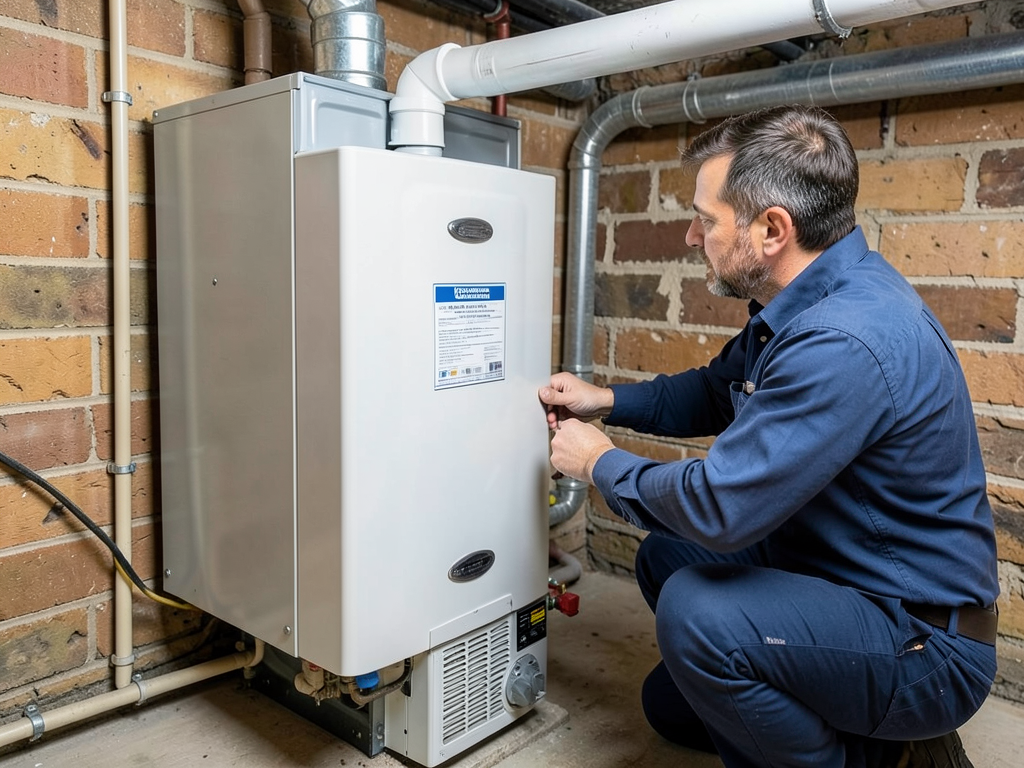
The Difference Between a Standard and a High Efficiency Boiler in Greenwich
Choosing the right boiler for your Greenwich home means understanding the fundamental differences between standard and high-efficiency models. Standard boilers typically achieve 80-85% efficiency, meaning 15-20% of your fuel energy escapes through the flue. High-efficiency boilers, also known as condensing boilers, capture that waste heat and achieve 90-98% efficiency, dramatically reducing your energy bills and carbon footprint. Expert Boiler Repair for Historic Greenwich Homes.
In Greenwich’s climate with cold winters and high humidity, this efficiency difference translates to hundreds of dollars in annual savings. A standard boiler burns fuel to heat water, then vents hot exhaust gases outside. A high-efficiency boiler uses a secondary heat exchanger to extract additional heat from those exhaust gases before they exit, condensing water vapor and releasing latent heat back into your system.. Read more about Why Your Greenwich Business Requires Regular Backflow Prevention Testing.
Key Differences Between Standard and High Efficiency Boilers
The core distinction lies in how each system handles combustion byproducts. Standard boilers release hot exhaust through a metal flue at temperatures around 300-400°F. High-efficiency boilers cool those exhaust gases to about 100°F, causing water vapor to condense and release additional heat energy.
This condensing process requires different materials and venting methods. High-efficiency units use corrosion-resistant stainless steel or aluminum heat exchangers and often vent through PVC pipes instead of metal flues. The condensate produced needs proper drainage, typically through a floor drain or condensate pump. The Most Reliable Drain Cleaning Services in Old Greenwich.
Another critical difference is sizing and modulation. High-efficiency boilers often feature modulating burners that adjust output based on demand, running at lower capacities when full heat isn’t needed. This prevents short cycling and improves comfort while extending equipment life.
Energy Savings and Cost Comparison for Greenwich Homeowners
High-efficiency boilers cost more upfront but deliver significant savings over time. In Greenwich, where natural gas rates average $1.50 per therm, upgrading from a 78% efficient standard boiler to a 95% efficient model can save $300-400 annually for an average home.
The table below compares typical costs and savings for Greenwich homes:
| Boiler Type | Efficiency | Typical Installation Cost | Annual Operating Cost | Estimated 10-Year Savings |
|---|---|---|---|---|
| Standard | 80-85% | $5,000-6,500 | $1,800-2,200 | $0 |
| High-Efficiency | 90-98% | $7,000-9,500 | $1,300-1,600 | $3,500-5,000 |
Beyond energy savings, high-efficiency boilers produce fewer greenhouse gas emissions. A typical Greenwich home switching from standard to high-efficiency reduces annual CO2 emissions by approximately 1.5 tons.
Installation Considerations for Greenwich Properties
Greenwich’s diverse housing stock presents unique installation challenges. Historic homes in Old Greenwich and Cos Cob often require chimney liner upgrades or new venting routes when converting to high-efficiency systems. The existing chimney may need a stainless steel liner to handle the cooler, moisture-laden exhaust.. Read more about Eco Friendly Plumbing Upgrades That Increase Your Greenwich Home Value.
For homes with steam radiators, the conversion process is more complex than with hot water systems. Steam systems operate at higher pressures and temperatures, requiring specialized high-efficiency steam boilers that maintain proper steam generation while improving efficiency.
Modern high-efficiency boilers need proper combustion air supply. In tightly sealed Greenwich homes, this may require dedicated outside air intake to ensure safe operation. Without adequate air supply, the boiler could backdraft, pulling dangerous combustion gases into living spaces.
Maintenance Requirements and Longevity
High-efficiency boilers require more frequent maintenance than standard models due to their complex heat exchangers and condensate management systems. Annual professional service should include cleaning the secondary heat exchanger, checking condensate pH levels, and inspecting venting for blockages.
The condensate produced by high-efficiency boilers is acidic and can damage drains if not properly neutralized. Many installations include a condensate neutralizer cartridge that raises pH before discharge into the plumbing system, complying with Connecticut state plumbing code requirements. Connecticut Department of Energy and Environmental Protection.
Standard boilers typically last 15-20 years with basic maintenance. High-efficiency models, when properly maintained, can achieve 20-25 years of service. However, the more complex components like control boards and modulating valves may require replacement during the boiler’s lifetime.
Available Rebates and Incentives in Connecticut
Connecticut homeowners upgrading to high-efficiency boilers can access significant rebates through Energize Connecticut. Current incentives include up to $750 for natural gas boilers with 95% AFUE or higher, and additional rebates for smart thermostats and zone controls. Energize Connecticut.
The Connecticut Energy Efficiency Fund also offers low-interest financing through Smart-E Loans, with terms up to 10 years for qualified HVAC upgrades. These programs can reduce the net cost of a high-efficiency boiler installation by $1,000-2,000.
Federal tax credits for high-efficiency heating equipment may also apply, providing additional savings. These credits typically cover 10% of equipment costs up to specified maximums, making high-efficiency upgrades more affordable for Greenwich homeowners.. Read more about Is Radiant Floor Heating the Right Move for Your Luxury Home Remodel?.
Making the Right Choice for Your Greenwich Home
The decision between standard and high-efficiency boilers depends on several factors specific to your situation. If your current boiler is over 15 years old, frequently needs repairs, or has efficiency below 80%, upgrading to high-efficiency makes strong financial sense. Why We Are the Top Rated Pipe Repair Specialists in Byram.
For homes with existing steam systems, the cost-benefit analysis shifts. Steam-to-hot-water conversions can be expensive, and specialized high-efficiency steam boilers cost more than standard steam models. In these cases, the payback period extends but long-term savings still justify the investment.
Consider your home’s insulation and air sealing when evaluating boiler efficiency. A high-efficiency boiler in a poorly insulated home won’t deliver maximum savings. Combining boiler upgrades with weatherization improvements often provides the best return on investment.
Professional Installation and Sizing
Proper sizing is critical for both boiler types but especially important for high-efficiency models. An oversized high-efficiency boiler will short cycle, reducing efficiency and comfort. A professional heat loss calculation considers your home’s square footage, insulation levels, window quality, and local climate to determine the right boiler capacity.
In Greenwich’s climate zone 5, typical home heat losses range from 20-40 BTUs per square foot per hour. A 2,000 square foot home might need 40,000-80,000 BTU/hour output, depending on construction quality and desired indoor temperatures.
Professional installation ensures proper venting, combustion air supply, and control integration. Improper installation can void warranties and create safety hazards. Always verify your contractor’s Connecticut state plumbing and heating license and insurance coverage. Plumbing Stamford.
Environmental Impact and Future Considerations
High-efficiency boilers align with Connecticut’s climate goals and may become increasingly important as regulations tighten. The reduced fuel consumption means less strain on natural gas infrastructure and lower carbon emissions.
For homes considering future electrification, high-efficiency boilers provide a bridge solution. They reduce current energy consumption while maintaining compatibility with potential future heating system upgrades or hybrid configurations.
The condensate produced by high-efficiency boilers contains dissolved minerals and acids. Proper disposal through neutralizers or approved drainage systems prevents environmental contamination and complies with Connecticut Department of Energy and Environmental Protection regulations.
Frequently Asked Questions
How long does it take to recoup the extra cost of a high-efficiency boiler?
Most Greenwich homeowners recover the additional investment in 5-7 years through energy savings, before considering available rebates and tax incentives.
Can I keep my existing radiators with a high-efficiency boiler?
Yes, high-efficiency boilers work with both hot water and steam radiator systems. The boiler upgrade doesn’t require changing your distribution system.
Do high-efficiency boilers work during power outages?
Standard boilers with standing pilots can operate during outages, but high-efficiency models require electricity for controls and pumps. Consider a backup power source if outage reliability is a concern.
Ready to Upgrade Your Greenwich Home’s Heating System?
Understanding the differences between standard and high-efficiency boilers is the first step toward making an informed decision. The right choice depends on your home’s specific needs, your budget, and your long-term energy goals.
Call (475) 320-3733 today to schedule a free consultation and heat loss calculation. Our experienced technicians will evaluate your current system, discuss your options, and provide a detailed proposal with available rebates and financing options clearly outlined.
Don’t wait until your old boiler fails on the coldest night of the year. Take control of your home’s comfort and energy costs now by upgrading to a high-efficiency system that will serve you well for decades to come.
{
“@context”: “https://schema.org”,
“@type”: “BlogPosting”,
“headline”: “The Difference Between a Standard and a High Efficiency Boiler in Greenwich”,
“description”: “Discover the key differences between standard and high-efficiency boilers in Greenwich. Learn about energy savings, installation costs, and which option is best for your home.”,
“wordCount”: 1337,
“datePublished”: “2026-03-13T07:22:00.000Z”,
“dateModified”: “2026-03-13T07:22:00.000Z”,
“inLanguage”: “en-US”,
“mainEntityOfPage”: {
“@type”: “WebPage”,
“@id”: “https://unitedplumbinggreenwich.com”
},
“publisher”: {
“@type”: “LocalBusiness”,
“name”: “United Plumbing Greenwich”,
“url”: “https://unitedplumbinggreenwich.com”
},
“author”: {
“@type”: “Organization”,
“name”: “United Plumbing Greenwich”,
“url”: “https://unitedplumbinggreenwich.com”
},
“image”: {
“@type”: “ImageObject”,
“url”: “https://unitedplumbinggreenwich.com/wp-content/uploads/2026/03/the-difference-between-a-standard-and-a-high-effic-1.png”
}
}
{
“@context”: “https://schema.org”,
“@type”: “Plumber”,
“name”: “United Plumbing Greenwich”,
“url”: “https://unitedplumbinggreenwich.com”,
“address”: {
“@type”: “PostalAddress”,
“addressLocality”: “Greenwich”
},
“areaServed”: {
“@type”: “City”,
“name”: “Greenwich”
}
}
{
“@context”: “https://schema.org”,
“@type”: “FAQPage”,
“mainEntity”: [
{
“@type”: “Question”,
“name”: “How long does it take to recoup the extra cost of a high-efficiency boiler?”,
“acceptedAnswer”: {
“@type”: “Answer”,
“text”: “Most Greenwich homeowners recover the additional investment in 5-7 years through energy savings, before considering available rebates and tax incentives.”
}
},
{
“@type”: “Question”,
“name”: “Can I keep my existing radiators with a high-efficiency boiler?”,
“acceptedAnswer”: {
“@type”: “Answer”,
“text”: “Yes, high-efficiency boilers work with both hot water and steam radiator systems. The boiler upgrade doesn’t require changing your distribution system.”
}
},
{
“@type”: “Question”,
“name”: “Do high-efficiency boilers work during power outages?”,
“acceptedAnswer”: {
“@type”: “Answer”,
“text”: “Standard boilers with standing pilots can operate during outages, but high-efficiency models require electricity for controls and pumps. Consider a backup power source if outage reliability is a concern.”
}
},
{
“@type”: “Question”,
“name”: “Ready to Upgrade Your Greenwich Home’s Heating System?”,
“acceptedAnswer”: {
“@type”: “Answer”,
“text”: “Understanding the differences between standard and high-efficiency boilers is the first step toward making an informed decision. The right choice depends on your home’s specific needs, your budget, and your long-term energy goals.”
}
}
]
}
{
“@context”: “https://schema.org”,
“@type”: “BreadcrumbList”,
“itemListElement”: [
{
“@type”: “ListItem”,
“position”: 1,
“name”: “Home”,
“item”: “https://unitedplumbinggreenwich.com”
},
{
“@type”: “ListItem”,
“position”: 2,
“name”: “Blog”,
“item”: “https://unitedplumbinggreenwich.com/blog”
},
{
“@type”: “ListItem”,
“position”: 3,
“name”: “The Difference Between a Standard and a High Efficiency Boiler in Greenwich”
}
]
}
{
“@context”: “https://schema.org”,
“@type”: “Service”,
“serviceType”: “Plumbing”,
“provider”: {
“@type”: “LocalBusiness”,
“name”: “United Plumbing Greenwich”,
“url”: “https://unitedplumbinggreenwich.com”
},
“areaServed”: {
“@type”: “City”,
“name”: “Greenwich”
},
“description”: “Discover the key differences between standard and high-efficiency boilers in Greenwich. Learn about energy savings, installation costs, and which option is best for your home.”
}