


menu

Understanding Backflow Testing in Greenwich | Your Complete Guide to Compliance and Water Safety

Learn why backflow prevention assembly testing protects your family's drinking water, what Greenwich's annual certification requirements mean for your property, and how to ensure your backflow device meets Connecticut health codes.

Slider Image 1
Slider Image 2
Slider Image 3
Slider Image 4
Slider Image 5
Slider Image 7
Slider Image 8
Slider Image 9
Slider Image 10
Slider Image 11

Why Greenwich Property Owners Need to Know About Backflow Testing

Your drinking water stays clean because of a simple principle: water flows one way. When that flow reverses, contaminated water can enter your clean supply. This is backflow, and it happens more often than you think in Greenwich homes and businesses.

Connecticut requires annual backflow certification for properties with irrigation systems, fire suppression lines, or commercial water connections. Greenwich's municipal water system serves over 12,000 residents through an intricate network that crosses elevation changes from Long Island Sound up to the inland hills. These pressure variations create backflow risks that many property owners do not understand.

A backflow preventer inspection reveals whether your assembly is functioning correctly. The device contains springs, check valves, and test ports that wear out over time. When these components fail, contaminated water from your irrigation system, boiler, or industrial process can siphon back into the municipal supply.

The Greenwich Department of Health tracks backflow prevention assembly testing records. If your annual certification lapses, you receive a violation notice. Continued non-compliance can result in water service disconnection. Beyond the legal requirement, backflow device testing procedures protect your family from exposure to fertilizers, bacteria, and chemicals that should never touch drinking water.

Water backflow testing requirements in Connecticut mandate certified testers use calibrated gauge kits to measure pressure differentials across the assembly. This is not a visual inspection. The test identifies failures before they contaminate your water supply. Understanding this process helps you recognize when installers cut corners or when your device needs replacement rather than simple repair.

Why Greenwich Property Owners Need to Know About Backflow Testing
How Backflow Testing Actually Works

How Backflow Testing Actually Works

A proper backflow preventer inspection follows strict protocols established by the American Water Works Association. The tester shuts off downstream water flow, attaches a four-valve test kit to the device's test ports, and measures pressure at specific points within the assembly. Each reading must fall within acceptable tolerances listed on the device's specification sheet.

The process tests two critical functions. First, the check valves must seal completely when forward flow stops. Even a slight leak means contaminated water can migrate backward. Second, the relief valve must open at the correct pressure differential. This valve is your safety mechanism. When backpressure or backsiphonage occurs, the relief valve dumps water to the ground rather than allowing it to reverse into the supply line.

Reduced pressure zone assemblies, the most common type in Greenwich, contain two independent check valves with a pressure-monitored chamber between them. The annual backflow certification process tests all three components separately. If the first check valve fails but the second holds, your assembly technically works but no longer meets code. You have lost your redundant protection.

Testing takes 15 to 30 minutes per device. The tester records results on state-mandated forms that get submitted to Greenwich's water department. Failed tests require immediate repair or replacement. You cannot delay this work. Connecticut law prohibits operation of failed backflow devices.

Many property owners discover during testing that their assembly was installed incorrectly. Backflow preventers must sit at least 12 inches above grade with proper drainage. Units installed in pits or below flood level fail inspection regardless of mechanical condition. Understanding these requirements before installation saves expensive corrections later.

What Happens During Your Annual Backflow Test

Understanding Backflow Testing in Greenwich | Your Complete Guide to Compliance and Water Safety
01

Initial Device Assessment

The certified tester locates your backflow assembly and checks the installation for code compliance. They verify proper clearance, drainage, and shutoff valve operation. The tester examines the assembly for visible damage, corrosion, or leaks that indicate internal wear. They record the device manufacturer, model number, and serial number to match against municipal records. This documentation proves the correct assembly is installed for your property's hazard rating.
02

Pressure Differential Testing

Using a calibrated test kit, the technician measures pressure at four points within the assembly. They test check valve tightness by monitoring gauge drop rates. The relief valve gets tested under both static and flowing conditions. Each measurement must meet manufacturer specifications. The tester records all readings on the official form. Failed components get documented with specific pressure readings that show exactly why the device does not meet standards.
03

Certification and Reporting

After testing, you receive a copy of the results immediately. The tester submits the official report to Greenwich's water department within 30 days. Passing tests generate a certification valid for one year. Failed tests include a detailed list of required repairs. Once repairs are complete, the assembly must be retested before the property receives certification. You keep these records with your property documents for future reference.

Why Greenwich Property Owners Trust Local Backflow Testing Expertise

Greenwich's water system has unique characteristics that require local knowledge. The town's water pressure varies significantly based on elevation and time of day. Properties near Long Island Sound experience different pressure conditions than homes in the northern hills. A tester familiar with these patterns recognizes when marginal test results indicate a problem versus normal system variation.

Connecticut requires backflow testers to hold state certification through an approved training program. The certification involves classroom instruction on hydraulics, cross-connection control, and test procedures, followed by a hands-on examination. Testers must recertify every three years to maintain current knowledge of code changes and new assembly types.

United Plumbing Greenwich maintains calibrated test equipment traceable to national standards. Our gauge kits get recalibrated annually by certified laboratories. This matters because inaccurate gauges produce false results. A gauge reading high will pass a failing assembly. A gauge reading low will fail a working device. Either outcome creates problems for property owners.

We understand Greenwich's architectural landscape. Many properties here feature historic homes with complex plumbing systems. We locate backflow assemblies in unexpected places, from basement mechanical rooms to concealed outdoor vaults. We have tested assemblies serving everything from residential irrigation to commercial kitchen systems to industrial process water.

Our familiarity with local inspectors and health department procedures streamlines the certification process. We know exactly what documentation Greenwich requires and submit reports in the preferred format. When issues arise, we communicate directly with the water department to resolve questions quickly. This local relationship prevents delays that can affect your water service.

What to Expect During Your Backflow Testing Service

Scheduling and Access

We schedule backflow testing appointments within five business days. Most tests occur during regular business hours, though we accommodate special timing needs for commercial properties that cannot interrupt operations. You need to provide access to the backflow assembly location. Outdoor assemblies require clear access, so trimming vegetation beforehand helps. Indoor units may require access to mechanical rooms or basements. The actual testing takes 20 to 40 minutes depending on assembly type and condition. We notify you 24 hours before the appointment to confirm timing and answer any access questions.

The Testing Process

Our certified tester arrives with calibrated equipment and proper identification. We walk you through the testing procedure and explain what each measurement means. During the test, water flow to your property remains on, but specific zones may be temporarily isolated. We test slowly and methodically to ensure accurate readings. If the assembly passes, you receive your certification paperwork immediately. If the assembly fails, we provide a detailed explanation of the problem, the required repair, and a cost estimate for correction. We never leave you guessing about next steps.

Results and Documentation

You get a complete copy of all test results before we leave. The documentation includes pressure readings, pass or fail status for each component, and the tester's certification number. We submit the official report to Greenwich's water department electronically, which speeds processing time. You receive confirmation when the municipality accepts the filing. For failed tests, we provide a written repair proposal that breaks down the work required to bring the assembly into compliance. All documentation gets stored in our system, so you have permanent records accessible for future reference.

Annual Reminders and Follow-Up

We track your certification expiration date and send reminders 60 days and 30 days before the deadline. This automatic system prevents lapses that trigger violation notices. If repairs were required during your last test, we follow up to ensure the work was completed and schedule retesting. For properties with multiple assemblies, we coordinate testing to handle all devices in one visit. We maintain detailed service history for your property, which helps us identify patterns that might indicate system problems before they cause failures.

Frequently Asked Questions

You Have Questions,
We Have Answers

How to read a backflow test report? +

A backflow test report shows whether your device passed or failed. Look for the differential pressure readings on check valves and relief valves. Check valve one must hold at least 5 PSI, and check valve two must hold at least 3 PSI. The relief valve opens between 2 and 12 PSI. Your report lists the make, model, serial number, and test results for each component. If any reading falls outside the acceptable range, your device fails and needs repair. Greenwich requires annual testing, so keep your report for compliance records and submit it to the water department.

How does backflow testing work? +

Backflow testing measures pressure at specific points in your backflow preventer. A certified tester connects test gauges to designated ports on the device. They close and open valves in sequence to simulate real-world pressure changes. The tester records how much pressure each check valve holds and when the relief valve opens. This process verifies that contaminated water cannot reverse direction and enter your clean water supply. Greenwich requires testing by a state-certified tester who submits results directly to the water authority. The process takes 15 to 30 minutes for most residential devices.

What are the basics of backflow preventer? +

A backflow preventer is a mechanical valve assembly that protects drinking water from contamination. It uses check valves that allow water to flow in one direction but close when pressure reverses. The relief valve opens to release water if upstream pressure exceeds downstream pressure, preventing backflow. Common types include reduced pressure zone devices and double check valves. Greenwich requires backflow preventers on irrigation systems, commercial buildings, and properties with fire suppression systems. The device installs where your water service line enters your property. Annual testing ensures all components work correctly to safeguard the public water supply.

Do all plumbers do backflow testing? +

No. Backflow testing requires state certification that goes beyond a standard plumbing license. Certified testers complete specialized training and pass an exam administered by the Connecticut Department of Public Health. They understand backflow prevention principles, device mechanics, and proper testing procedures. While many plumbers obtain this certification, not all carry it. Greenwich property owners must hire a state-certified backflow tester for annual inspections. Check that your tester holds current certification before scheduling. Certified testers submit results directly to local water authorities, so verification is critical for compliance with Greenwich regulations.

How to read water testing results? +

Water testing results show contaminant levels measured in parts per million or milligrams per liter. Compare each value to EPA maximum contaminant levels listed on the report. Numbers below the MCL indicate safe levels. Pay attention to bacteria counts, lead, nitrates, and pH levels. Greenwich water comes from multiple sources, so baseline readings vary by location. If any result exceeds the MCL, take immediate action. Contact a water treatment professional to identify the source and install appropriate filtration. For backflow-related testing, focus on pressure differentials rather than water quality measurements, as these assess device function.

What numbers are passing on the RP backflow test? +

For a reduced pressure zone device, check valve one must hold at least 5 PSI differential pressure. Check valve two must hold at least 3 PSI. The relief valve must open between 2 and 12 PSI below the inlet pressure. If all three readings fall within these ranges, your device passes. Any reading outside these parameters means failure and requires repair or replacement. Greenwich water authorities require passing results for annual compliance. After repairs, retesting confirms the device works correctly. Keep your passing report on file, as the water department may request documentation during inspections or property transactions.

How Greenwich's Water Pressure Zones Affect Backflow Testing Accuracy

Greenwich's topography creates distinct water pressure zones across the service area. Properties at lower elevations near the Sound experience higher static pressure, while homes in the northern hills see lower baseline pressure. These variations affect backflow testing because assemblies must function across the full pressure range your property experiences. A device that tests satisfactorily during low-demand morning hours might fail under afternoon peak usage when pressure drops. Experienced testers account for these pressure swings when interpreting borderline test results. They understand that Greenwich's pressure fluctuations are more extreme than in flatter municipalities, which makes thorough testing even more critical here.

Greenwich property owners benefit from working with testers who understand Connecticut's specific cross-connection control regulations. The state's requirements differ from federal standards in several technical areas, particularly regarding assembly placement and inspection frequency. Local expertise means your backflow preventer gets tested according to the actual rules that apply here, not generic national guidelines. Our relationship with Greenwich's water department ensures smooth report processing and quick resolution of any questions about compliance. When you choose a local testing service, you work with professionals who have tested hundreds of assemblies in your exact service area and understand the patterns that indicate problems specific to Greenwich's water system.
Plumbing Services in The Greenwich Area

We are proud to serve the community of Greenwich and the surrounding areas. Our local presence allows us to respond quickly to your plumbing needs, whether it's an emergency repair or a scheduled installation. View our location on the map and see our full service area to find out if we can come to your rescue. We're your trusted neighbors, always ready to lend a helping hand.

Address:
United Plumbing Greenwich, 88 Field Point Rd, Greenwich, CT, 06830

Additional Services We Offer

Our news updates

Latest Articles & News from The Blogs

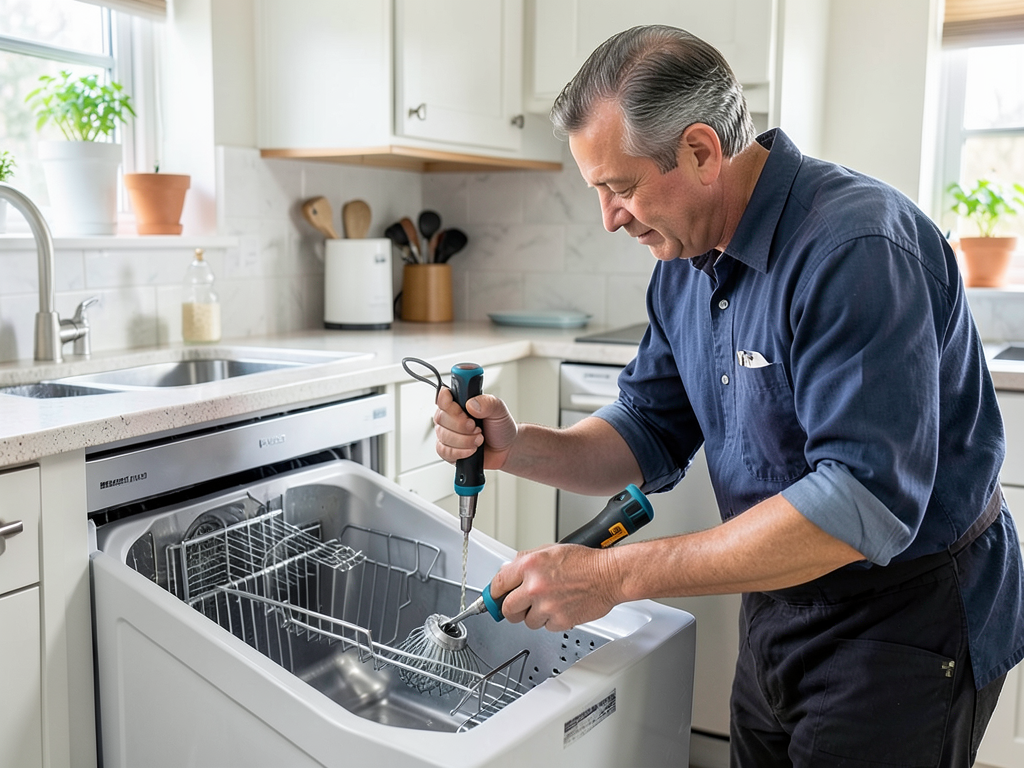
Why Your New Dishwasher Is Not Draining Properly and How to Fix the Air Gap Standing water in your new…

Why Your New Dishwasher Is Not Draining Properly (and How to Fix the Air Gap)

Why Your New Dishwasher Is Not Draining Properly and How to Fix the Air Gap Standing water in your new…

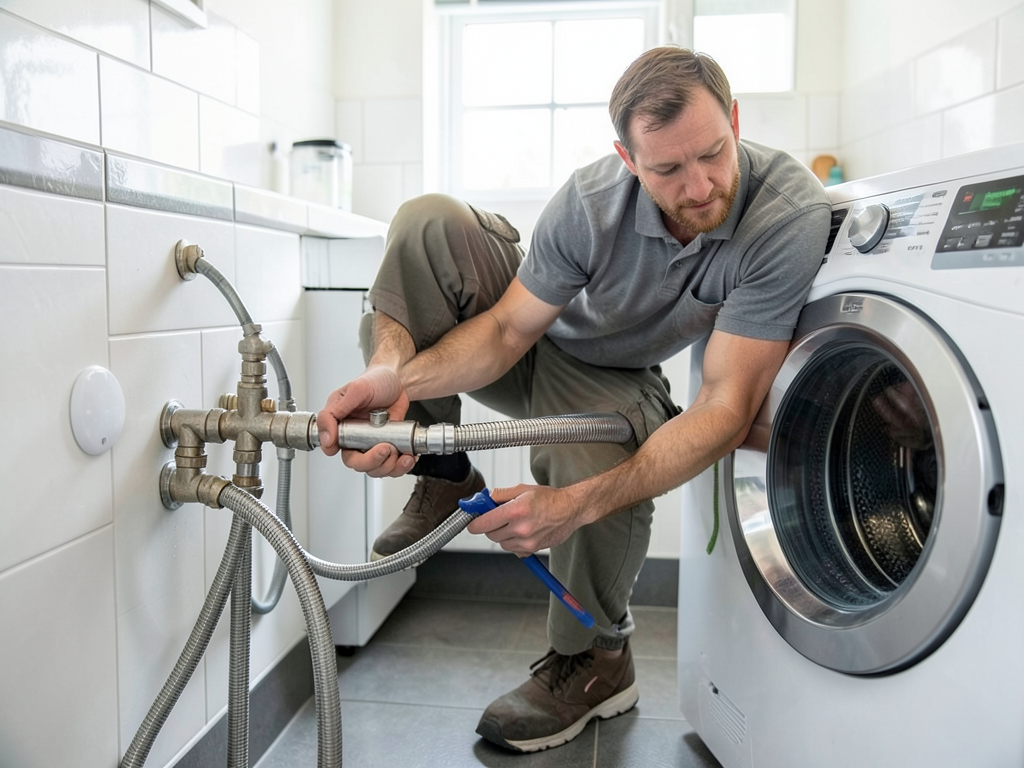
The One Small Part in Your Laundry Room That Could Flood Your Entire Greenwich Home

The One Small Part in Your Laundry Room That Could Flood Your Entire Greenwich Home Old washing machine hoses are…

How to Get Rid of That Rotten Egg Smell Coming from Your Mianus Drains

How to Get Rid of That Rotten Egg Smell Coming from Your Mianus Drains That rotten egg smell coming from…

Contact Us

Do not wait for a violation notice. Call United Plumbing Greenwich at (475) 320-3733 to schedule your backflow prevention assembly testing. We provide same-week appointments, immediate results, and complete municipal reporting. Keep your water safe and your property compliant.