


menu

Water Conservation Tips in Greenwich – Cut Your Water Bills While Protecting Local Resources

Learn proven water saving techniques from Greenwich plumbing professionals who understand local water pressures, seasonal demand fluctuations, and the exact fixtures that waste the most in Connecticut homes.

Slider Image 1
Slider Image 2
Slider Image 3
Slider Image 4
Slider Image 5
Slider Image 7
Slider Image 8
Slider Image 9
Slider Image 10
Slider Image 11

Why Greenwich Homeowners Are Rethinking Water Use

Greenwich sits in a unique position along the Connecticut coast where municipal water supply meets growing residential demand. Your property draws from infrastructure that serves both historic neighborhoods near Greenwich Harbor and expanding developments inland. During summer months, when lawn irrigation peaks and humidity climbs, water consumption in this area can spike 40% above winter baselines.

You pay for every gallon that flows through your meter. Most Greenwich homes built before 2000 contain fixtures that use 30-50% more water than current EPA WaterSense standards recommend. That older toilet in your second bathroom? It likely uses 3.5 gallons per flush compared to modern 1.28-gallon models. Your kitchen faucet might flow at 2.5 gallons per minute when a simple aerator reduces that to 1.5 without affecting pressure.

Ways to save water start with understanding where consumption hides. Greenwich's mix of older Colonial homes and newer construction means your water efficiency strategies must account for existing infrastructure. Reduce water consumption by addressing the biggest culprits first: toilets account for nearly 30% of indoor use, washing machines take another 20%, and showers consume roughly 17%.

Water saving techniques matter beyond your monthly bill. The Long Island Sound watershed depends on responsible consumption throughout Fairfield County. When you reduce water consumption at home, you decrease strain on treatment facilities and protect the coastal ecosystem that defines Greenwich living. How to save water at home becomes both a financial decision and an environmental responsibility in this community.

Why Greenwich Homeowners Are Rethinking Water Use
The Most Effective Water Efficiency Strategies for Your Home

The Most Effective Water Efficiency Strategies for Your Home

Water conservation tips work best when you target high-volume fixtures first. Start in your bathrooms. Toilet leaks waste up to 200 gallons daily, and most homeowners never notice. Drop food coloring in your tank. If color appears in the bowl within 15 minutes without flushing, you have a flapper valve leak. Replace it. The part costs under $10 and takes 15 minutes to install.

Your showerhead matters more than you think. Older fixtures flow at 5 gallons per minute. Modern low-flow showerheads deliver 2.0 gpm while maintaining pressure through aerating or laminar-flow technology. A family of four taking daily 8-minute showers saves roughly 14,000 gallons yearly by switching to efficient heads.

Faucet aerators screw onto existing fixtures and reduce flow without reducing performance. Install 1.5 gpm aerators on bathroom sinks and 1.0 gpm versions on kitchen faucets. You will not notice the difference in daily use, but your water meter will.

Ways to save water extend to appliances. Front-loading washing machines use 40% less water than top-loaders. If replacement is not feasible now, wash only full loads and skip the extra rinse cycle. Dishwashers built after 2013 use less water than hand washing when you run full loads. Scrape plates instead of pre-rinsing.

Water saving techniques also include behavioral changes. Turn off taps while brushing teeth or soaping hands. Cut shower time by two minutes. Thaw food in the refrigerator overnight instead of under running water. These small adjustments compound quickly across a household. United Plumbing Greenwich helps homeowners identify which water efficiency strategies deliver the highest return for your specific plumbing configuration and usage patterns.

How We Help You Implement Water Saving Solutions

Water Conservation Tips in Greenwich – Cut Your Water Bills While Protecting Local Resources
01

Home Water Audit

We walk through your property checking every fixture, valve, and appliance connection. You learn exactly where water consumption happens and which upgrades deliver measurable savings. We test water pressure, inspect for hidden leaks behind walls and under slabs, and calculate your current usage against EPA benchmarks for comparable homes in Greenwich.
02

Custom Efficiency Plan

Based on your audit results, we create a prioritized action plan that fits your budget. You get specific product recommendations for toilets, faucets, and showerheads that match your existing rough-in dimensions. We outline which repairs stop immediate waste and which upgrades provide long-term savings. This plan includes projected annual water reduction in gallons and estimated cost recovery timelines.
03

Installation and Verification

We install your chosen water-saving fixtures according to manufacturer specifications and local plumbing code. After installation, we verify proper flow rates, check for leaks, and confirm fixture operation. You receive documentation showing before and after flow measurements. We schedule a follow-up meter reading comparison so you see actual consumption reduction in your next billing cycle.

Why Greenwich Homeowners Choose Local Plumbing Expertise

Greenwich water supply comes from both municipal sources and private wells in certain areas. Water pressure varies significantly between neighborhoods near the Post Road corridor and properties in the backcountry. We know which areas experience low pressure that makes certain low-flow fixtures perform poorly. We understand which older homes have galvanized supply lines that restrict flow regardless of fixture efficiency.

Connecticut plumbing code requires specific backflow prevention on irrigation systems. Many Greenwich properties have in-ground sprinkler systems that draw from the same domestic supply. We ensure your water conservation tips account for outdoor use, which often exceeds indoor consumption during growing season. Reducing outdoor water waste requires different strategies than indoor efficiency.

The age and style of Greenwich housing stock matters when you implement water saving techniques. Victorian homes in Riverside have different plumbing configurations than mid-century Ranches in Glenville. Colonial Revival properties near Round Hill often contain original cast iron drain lines that affect fixture compatibility. We match efficiency upgrades to your home's existing infrastructure instead of forcing universal solutions.

United Plumbing Greenwich has worked in every neighborhood from Old Greenwich to Stanwich. We have seen the cast iron pipes, the lead service connections, and the creative DIY repairs that complicate modern upgrades. You need someone who can adapt water efficiency strategies to real conditions in older homes, not ideal scenarios in new construction.

Local expertise also means understanding seasonal patterns specific to this area. We know July through September puts maximum strain on Greenwich water systems. We know winter freeze events in back country properties require different pipe protection than coastal homes. How to save water at home depends partly on where your home sits within Greenwich and how it was built.

What Happens When You Request Water Conservation Help

Fast Scheduling and Assessment

We schedule water audits within 48 hours of your call. The assessment takes 60-90 minutes depending on home size and fixture count. You receive immediate feedback on obvious problems like running toilets or dripping faucets. We photograph fixtures, test pressure at multiple locations, and review your recent water bills if available. You leave the appointment with a clear picture of current consumption and waste points. Most homeowners are surprised to discover where water actually goes in their daily routines.

Detailed Consumption Analysis

Within 24 hours, you receive a written report breaking down water use by fixture category. We compare your home to EPA WaterSense benchmarks for comparable properties. The report identifies which fixtures exceed recommended flow rates and calculates waste in gallons per day. You see exactly how much each recommended upgrade would save annually in both water volume and cost. We prioritize repairs that stop active waste first, followed by upgrades offering the fastest payback period for your specific usage patterns.

Measurable Results

After implementing water saving techniques, you will see reduction in your next billing cycle. Toilet repairs and leak fixes show immediate impact. Fixture upgrades deliver consistent monthly savings that compound over years. We document pre-installation flow rates and post-installation measurements so you have hard data. Most Greenwich homeowners implementing comprehensive water efficiency strategies reduce consumption by 20-35% within three months. That translates to hundreds of dollars annually depending on household size and previous waste levels.

Ongoing Support and Monitoring

Water conservation tips only work if systems stay maintained. We offer follow-up inspections at 6 and 12 months to verify fixture performance and catch new leaks early. Flapper valves and fill valves wear over time even on new toilets. Aerators clog with sediment in areas with hard water. We check these components and replace them before they cause waste. You also receive seasonal reminders about outdoor irrigation adjustments and winter pipe protection specific to Greenwich climate patterns.

Frequently Asked Questions

You Have Questions,
We Have Answers

What are the 10 ways to conserve water? +

Fix dripping faucets immediately. Install low-flow showerheads and faucet aerators. Run dishwashers and washing machines only with full loads. Turn off taps while brushing teeth or scrubbing dishes. Water lawns early morning to reduce evaporation in Greenwich's humid summers. Shorten shower times to five minutes or less. Use a broom instead of a hose to clean driveways. Collect water while waiting for hot water to use on plants. Check toilets for silent leaks by adding food coloring to the tank. Insulate hot water pipes to reduce wait time for heated water.

What are 7 ways to conserve water? +

Install WaterSense-labeled fixtures throughout your home. Run full loads in dishwashers and washing machines. Turn off the tap while brushing teeth or shaving. Take shorter showers, aiming for five minutes. Fix leaky faucets and toilets promptly. Water Greenwich lawns before 8 a.m. to minimize evaporation. Use mulch around plants to retain soil moisture in your landscape beds. These simple changes cut water bills and protect local aquifer resources that supply Greenwich's drinking water.

What are 20 ways to conserve water? +

Start indoors with low-flow fixtures, fixing leaks, and running full appliance loads. Shorten showers and turn off taps when not actively using water. Install dual-flush toilets and insulate hot water pipes. Outdoors, water Greenwich lawns early morning, use rain barrels, and apply mulch around plantings. Choose native plants adapted to Connecticut's rainfall patterns. Sweep walkways instead of hosing. Use a pool cover to reduce evaporation. Thaw food in the refrigerator, not under running water. Wash cars with a bucket. Monitor your water meter for hidden leaks. Each action compounds savings.

What are the 5 R's of water conservation? +

The 5 R's are Reduce consumption through efficient fixtures and shorter showers. Reuse greywater from sinks for watering plants where local codes permit. Recycle water by capturing shower warmup flow for other uses. Repair leaks immediately to prevent waste. Rethink habits like leaving taps running while washing dishes. For Greenwich homeowners, these principles protect both your wallet and the aquifer system supplying town water. Small behavioral shifts create measurable impact when applied consistently across your household.

What are 100 ways to save water? +

A comprehensive water savings approach covers fixtures, appliances, landscaping, and habits. Install low-flow everything. Fix every drip and running toilet. Adjust laundry settings and dishwasher cycles. Water Greenwich gardens strategically based on soil type and weather. Use rain barrels and permeable paving. Upgrade to efficient pool systems. Compost instead of using garbage disposals. Choose car washes that recycle water. The cumulative effect of dozens of small changes dramatically reduces household consumption. Focus first on the highest-impact actions like repairing leaks and upgrading old toilets, then layer in additional strategies.

What are 4 habits to save water? +

Turn off water while soaping hands, brushing teeth, or scrubbing dishes. Only run washing machines and dishwashers with full loads. Take five-minute showers instead of baths. Check faucets and toilets monthly for leaks in your Greenwich home. These four habits require zero investment but deliver immediate savings. The key is consistency. Greenwich residents using town water see lower bills within one billing cycle. Those on private wells extend pump life and reduce energy costs for water heating.

How to save water 30 ways? +

Combine fixture upgrades with behavioral changes for maximum impact. Install low-flow showerheads, faucet aerators, and dual-flush toilets. Fix leaks immediately. Run appliances efficiently with full loads and appropriate settings. Outdoor water conservation matters in Greenwich's summer months. Water before 8 a.m., use drip irrigation, plant native species, and apply mulch. Capture rainwater where possible. Use pool covers and check for underground leaks. Monitor your water meter regularly. Small actions across indoor and outdoor water use create substantial cumulative savings for Greenwich households.

How can we save water 50 ways? +

Start with infrastructure upgrades including low-flow fixtures, efficient appliances, and leak detection. Change daily habits around showers, teeth brushing, dishwashing, and laundry. Optimize outdoor watering schedules for Greenwich's climate. Install rain sensors on irrigation systems. Use permeable surfaces for driveways. Choose drought-tolerant plantings. Maintain your plumbing system to prevent failures. Insulate pipes to reduce heat loss. Collect greywater where codes allow. Use moisture meters before watering lawns. The most effective approach combines technology investments with consistent conservation habits across all household water uses.

What are 5 ways to reduce water usage? +

Replace old toilets with WaterSense models saving 20 percent per flush. Install low-flow showerheads reducing flow from 2.5 to 1.5 gallons per minute. Fix leaking faucets and running toilets immediately. Water Greenwich lawns only when needed, based on actual soil moisture rather than timers. Run dishwashers and washing machines with full loads only. These five strategies target the biggest household water uses. Toilets, showers, and outdoor watering account for 70 percent of residential consumption. Address these first for measurable reduction.

How do you write 10 lines to conserve water? +

Turn off taps when brushing teeth. Take shorter showers. Fix leaking faucets promptly. Run full dishwasher and laundry loads. Water plants early morning in Greenwich. Use a broom for outdoor cleaning. Install low-flow showerheads. Check toilets for leaks monthly. Collect rainwater for gardens. Choose efficient appliances when replacing old units. These ten practical steps reduce household water consumption immediately. Greenwich residents benefit from lower utility bills and contribute to protecting local water resources for future generations.

Greenwich Water Pressure Zones and Conservation Challenges

Greenwich municipal water system operates across varying elevation zones from sea level near the harbor up to 350 feet in backcountry areas. This elevation change creates pressure differentials that affect how water saving techniques perform. Low-flow fixtures work poorly in areas with marginal pressure unless you address supply line restrictions first. Properties in Stanwich and North Street areas sometimes have pressure below 40 psi, making standard 1.28 gpf toilets struggle with waste removal. Conversely, homes in lower Old Greenwich may see pressure exceeding 80 psi, which accelerates fixture wear and creates small leaks that homeowners miss until consumption spikes. Water efficiency strategies must account for your specific pressure zone to deliver promised savings.

United Plumbing Greenwich understands local water infrastructure because we have worked in it for years. We know which neighborhoods have aging cast iron mains that restrict flow. We know where seasonal demand drops pressure during peak irrigation months. We understand Connecticut plumbing code requirements for backflow prevention and cross-connection control. This local knowledge ensures recommended water conservation tips actually function in your home rather than creating new problems. Generic efficiency advice fails when it meets the reality of Greenwich's mixed housing stock and varied water supply conditions across different neighborhoods.
Plumbing Services in The Greenwich Area

We are proud to serve the community of Greenwich and the surrounding areas. Our local presence allows us to respond quickly to your plumbing needs, whether it's an emergency repair or a scheduled installation. View our location on the map and see our full service area to find out if we can come to your rescue. We're your trusted neighbors, always ready to lend a helping hand.

Address:
United Plumbing Greenwich, 88 Field Point Rd, Greenwich, CT, 06830

Additional Services We Offer

Our news updates

Latest Articles & News from The Blogs

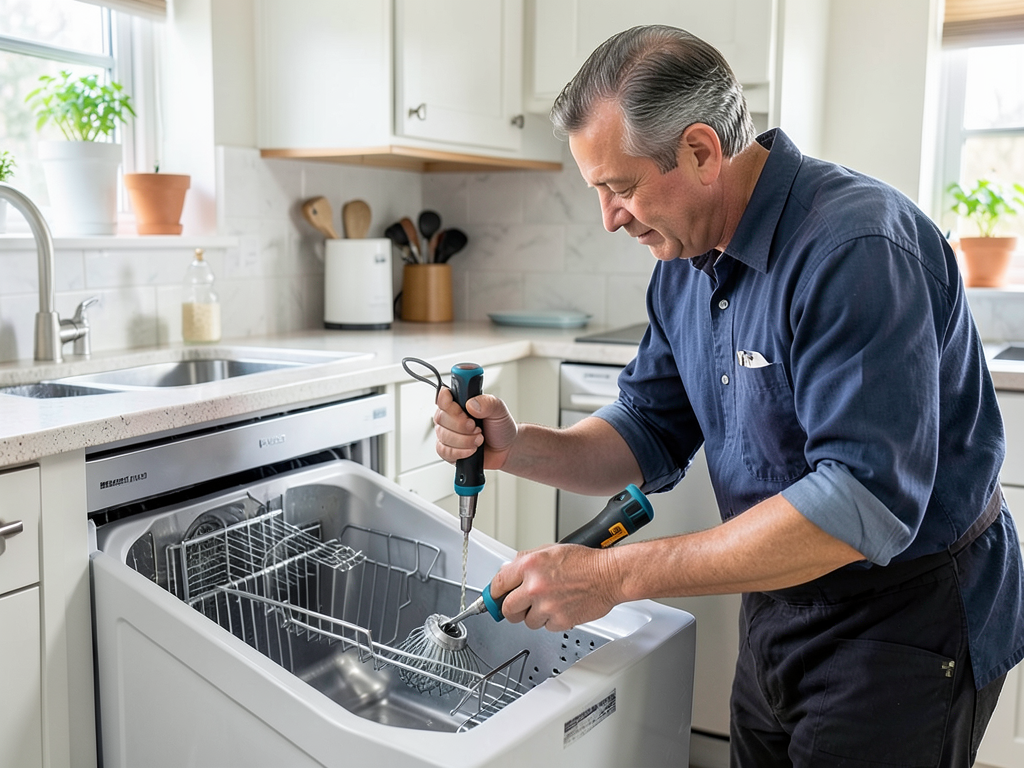
Why Your New Dishwasher Is Not Draining Properly and How to Fix the Air Gap Standing water in your new…

Why Your New Dishwasher Is Not Draining Properly (and How to Fix the Air Gap)

Why Your New Dishwasher Is Not Draining Properly and How to Fix the Air Gap Standing water in your new…

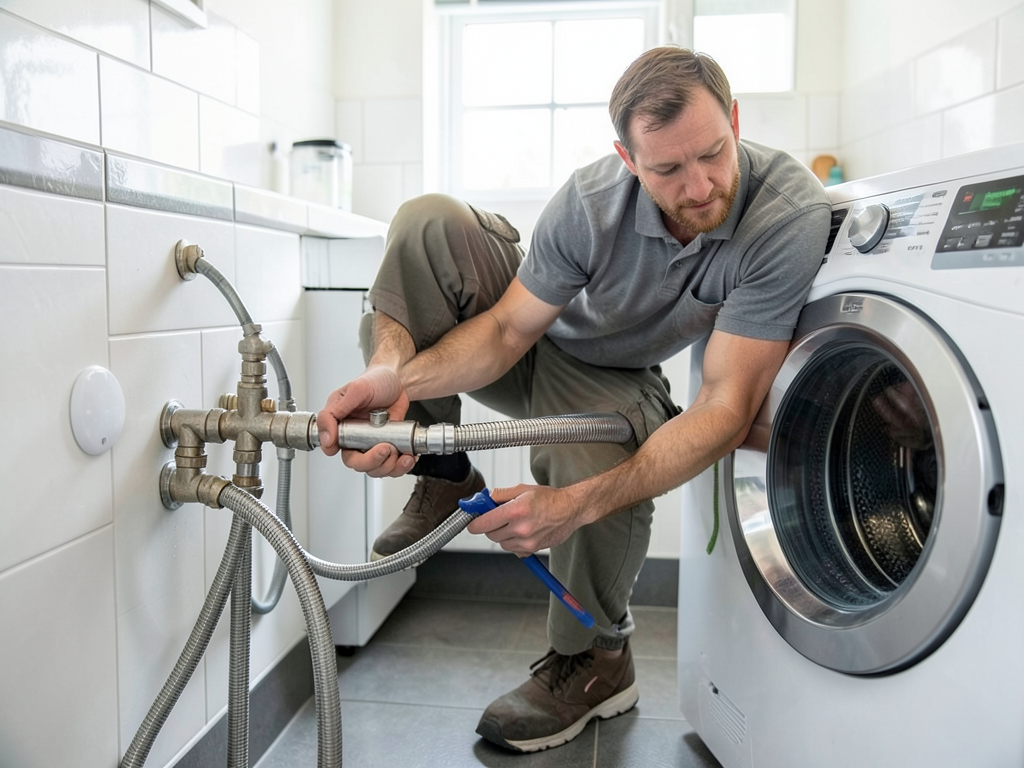
The One Small Part in Your Laundry Room That Could Flood Your Entire Greenwich Home

The One Small Part in Your Laundry Room That Could Flood Your Entire Greenwich Home Old washing machine hoses are…

How to Get Rid of That Rotten Egg Smell Coming from Your Mianus Drains

How to Get Rid of That Rotten Egg Smell Coming from Your Mianus Drains That rotten egg smell coming from…

Contact Us

Call United Plumbing Greenwich at (475) 320-3733 to schedule your home water audit. We identify exactly where you are wasting water and which fixes deliver the biggest savings. Stop paying for water that goes straight down the drain.