
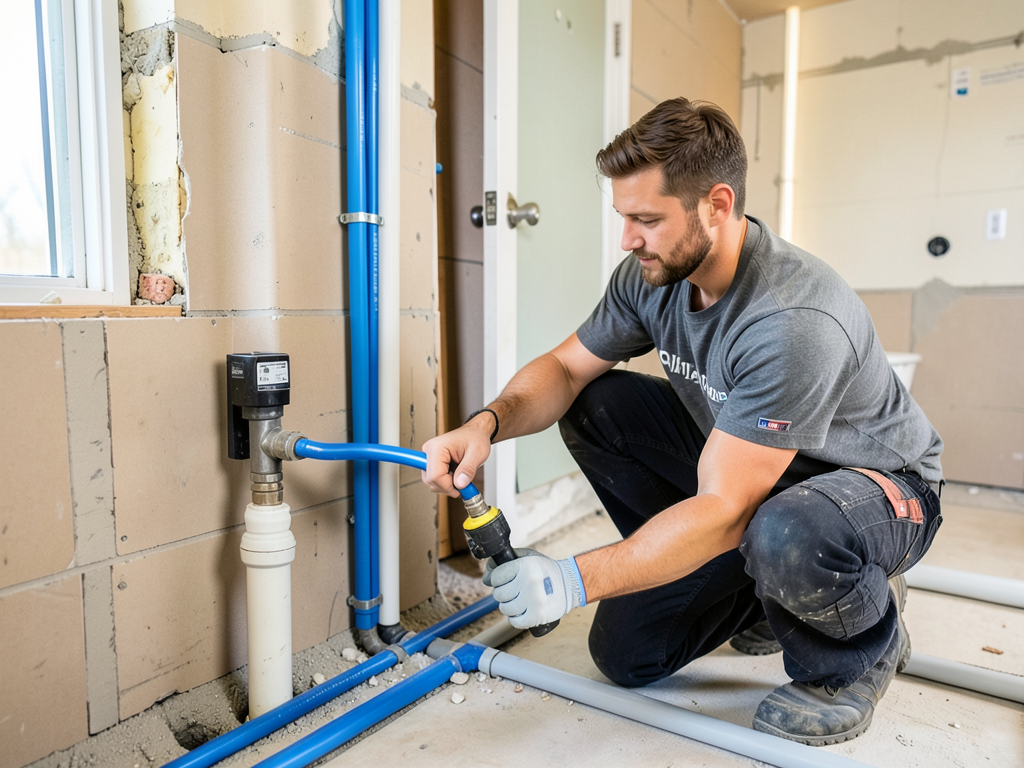
What to Consider Before Moving Your Laundry Room to the Main Floor in Glenville
Moving your laundry room from the basement to the main floor in Glenville can transform your daily routine but requires careful planning around plumbing infrastructure. The Glenville area features many mid-century homes with basements designed for laundry, but modern living often demands more convenient locations near bedrooms or mudrooms. Before you start tearing out walls or moving appliances, you need to understand the technical requirements, local building codes, and potential challenges specific to Glenville’s residential architecture. Plumbing Stamford.
Understanding the Technical Requirements for Laundry Room Relocation
Relocating laundry plumbing involves three critical systems: drainage, water supply, and venting. Each requires specific considerations that go beyond simply running new pipes. The drainage system needs proper slope to prevent standing water and clogs. Water supply lines must handle the high flow rates of washing machines while maintaining consistent pressure. The venting system prevents sewer gases from entering your home and ensures proper drainage. The Most Reliable Drain Cleaning Services in Old Greenwich.
The Drainage System: More Than Just Running Pipes
The drain line for a washing machine requires specific engineering. Connecticut plumbing code mandates a minimum 2-inch diameter drain pipe for washing machine discharge. The pipe must maintain a slope of at least 1/4 inch per foot toward the main drain. In Glenville homes, this often means drilling through floor joists or walls to create the necessary slope without compromising structural integrity. Connecticut State Plumbing Code.
Many Glenville homes feature 16-inch or 24-inch on-center floor joists. Drilling through these requires careful planning to maintain structural strength. The International Residential Code (IRC) Section R602.6 specifies that notching the top or bottom of joists reduces their load-bearing capacity. A licensed plumber will know exactly where and how to drill without creating structural issues.
Water Supply Considerations for High-Flow Appliances
Washing machines require both hot and cold water supply lines with specific pressure requirements. The typical washing machine needs 4-5 gallons per minute flow rate. In Glenville, where many homes have older galvanized steel pipes, water pressure can be inconsistent. Upgrading to PEX piping often provides better flow rates and freeze resistance compared to older copper or steel lines.
Modern laundry rooms benefit from dedicated shut-off valves with braided stainless steel supply lines. These provide quick water shutoff in case of emergencies and resist the corrosion common in Glenville’s water supply. The Connecticut State Plumbing Code requires accessible shut-off valves for all fixtures, and washing machines are no exception.
Venting: The Often-Forgotten Critical Component
Proper venting prevents slow drainage, gurgling sounds, and sewer gas infiltration. The washing machine standpipe must extend at least 18 inches above the trap weir but not more than 30 inches. This height requirement ensures proper air gap to prevent siphoning of the trap seal. In Glenville’s older homes, existing vent stacks may need modification or extension to accommodate the new laundry location.. Read more about Stopping the Hammering Sound in Your Pipes When the Laundry Is Running.
Air admittance valves (AAVs) offer an alternative in some situations, but Connecticut code restricts their use. IRC Section P3114.2 limits AAVs to individual fixtures or branch vents, not as primary vent systems. A licensed plumber will determine if AAVs comply with local regulations for your specific Glenville home.
Navigating Greenwich Building Permits and CT Plumbing Codes
Moving plumbing fixtures requires permits from the Greenwich Building Department. The permit process ensures your renovation meets safety standards and local regulations. In Glenville, permit applications must include detailed plumbing plans showing pipe routes, fixture locations, and venting configurations. Greenwich Building Department.
The Greenwich Building Department typically processes residential plumbing permits within 5-7 business days. Permit fees vary based on project scope but generally range from $150 to $400 for laundry room relocations. Inspections occur at rough-in and final stages. Missing inspections can result in fines and required rework.
Connecticut plumbing code follows the International Plumbing Code with state-specific amendments. Key requirements include:
- Minimum 2-inch drain for washing machines
- 18-30 inch standpipe height
- Accessible shut-off valves
- Proper venting to prevent trap siphonage
- Floor drain or emergency pan for upper-floor installations
Local amendments may impose additional requirements. For example, some Glenville neighborhoods with historic designations require special considerations for exterior modifications or visible plumbing components.
Potential Challenges in Glenville Home Renovations
Glenville’s residential architecture presents unique challenges for laundry room relocations. Many homes built between 1950 and 1980 feature plaster walls, which are more difficult to modify than modern drywall. Cutting through plaster requires specialized tools and techniques to prevent cracking and dust spread.
Older Glenville homes often have cast iron drain pipes that are difficult to connect to modern PVC systems. These connections require specific transition fittings and proper sealing to prevent leaks. The dissimilar metals can also create corrosion issues if not properly addressed.
Floor structures in Glenville homes vary significantly. Some feature solid wood joists, while others have engineered I-joists that cannot be notched or drilled in certain areas. Understanding your specific floor structure is crucial before planning pipe routes.
Electrical considerations also matter. Washing machines require dedicated 20-amp circuits. Moving the laundry room may necessitate new electrical runs, GFCI protection, and proper grounding. These electrical upgrades often accompany plumbing relocations.
Cost Factors for Moving Plumbing Lines
Plumbing relocation costs in Glenville depend on several factors. Labor rates in Fairfield County average $125-175 per hour for licensed plumbers. Material costs vary based on pipe type, with PEX typically costing $0.50-2.00 per foot and copper ranging from $2-4 per foot. Emergency Plumbers in Greenwich Who Actually Answer the Phone at 3 AM.
Key cost factors include:
| Component | Typical Cost Range | Notes |
|---|---|---|
| Drain line installation | $500-1,500 | Depends on distance and complexity |
| Water supply lines | $300-800 | PEX vs copper affects cost |
| Venting modifications | $400-1,200 | May require roof penetration |
| Permits and inspections | $150-400 | Greenwich Building Department fees |
| Structural modifications | $200-1,000 | Joist drilling or wall reinforcement |
Hidden costs often emerge during renovations. Discovering mold behind walls, encountering unexpected structural elements, or finding outdated wiring can add $500-2,000 to the project. Building a 15-20% contingency into your budget helps manage these surprises.
Why Professional Relocation Beats a DIY Approach
Professional plumbers bring expertise that prevents costly mistakes. A licensed plumber understands local codes, proper pipe sizing, and installation techniques that ensure long-term reliability. DIY plumbing often leads to leaks, code violations, and expensive repairs. Expert Boiler Repair for Historic Greenwich Homes.
Professional installation includes warranty coverage. Most licensed plumbers guarantee their work for one year or more. This protection covers both materials and labor if issues arise after completion.
Insurance considerations matter too. Many homeowner insurance policies require licensed professionals for plumbing modifications. DIY work can void coverage if water damage occurs later.
Time efficiency represents another advantage. Professional plumbers complete laundry room relocations in 2-4 days typically. DIY projects often stretch into weeks or months as homeowners learn techniques and solve problems.
Planning Your Laundry Room Move: A Step-by-Step Approach
Successful laundry room relocation follows a systematic process. Starting with proper planning prevents mid-project complications and ensures code compliance.
- Assess Current Plumbing Layout
Locate existing drain, supply, and vent lines. Determine if they can be extended or if new runs are needed.
- Check Structural Elements
Identify floor joists, wall studs, and load-bearing elements. Plan pipe routes that avoid structural compromise.
- Verify Code Compliance
Review Connecticut plumbing code requirements for your specific situation. Confirm permit requirements with Greenwich Building Department.
- Plan Electrical Needs
Ensure adequate circuits for washer and dryer. Plan for GFCI protection and proper grounding.
- Consider Moisture Protection
Plan for floor drains, emergency pans, or moisture barriers in upper-floor installations.
- Schedule Professional Assessment
Have a licensed plumber evaluate your plans and identify potential issues before starting.
This systematic approach helps identify challenges early and prevents costly mid-project changes. Professional plumbers can often spot issues that homeowners miss, saving time and money.
Special Considerations for Glenville’s Climate and Infrastructure
Glenville experiences freeze-thaw cycles that affect plumbing systems. Pipes in exterior walls or unheated spaces risk freezing during winter months. Proper insulation and strategic pipe routing prevent freeze damage.
The area’s high water table in some locations can affect drainage systems. Homes near Byram River or in low-lying areas may require additional drainage considerations to prevent backups during heavy rains.
Local water quality impacts pipe selection. Glenville’s water contains minerals that can cause scale buildup in pipes. PEX piping resists scale better than copper, potentially extending system life in this area.
Soil conditions affect exterior plumbing work. Glenville’s mix of clay and loam soils can shift with moisture changes, potentially stressing underground connections. Proper bedding and support prevent pipe damage from soil movement.
Maximizing Your Investment: ROI and Home Value Considerations
Relocating laundry rooms can increase home value, particularly in Glenville’s competitive real estate market. Main-floor laundry rooms appeal to buyers seeking convenience and modern amenities. The National Association of Home Builders reports that 87% of buyers prefer laundry rooms on the main living level.
Energy efficiency improvements often accompany laundry room relocations. Modern washers use significantly less water and energy than older models. Adding ENERGY STAR certified appliances and efficient plumbing can reduce utility costs by 20-30%.
Accessibility improvements matter for aging-in-place considerations. Main-floor laundry eliminates stairs, making homes more accessible for elderly residents or those with mobility challenges. This feature can extend the time homeowners remain in their Glenville homes.
Space optimization represents another benefit. Moving laundry from basements frees up space for home offices, entertainment areas, or additional storage. In Glenville’s high-value real estate market, maximizing usable square footage increases property appeal.
Common Mistakes to Avoid During Laundry Room Relocation
Several pitfalls commonly derail laundry room relocation projects. Understanding these mistakes helps you avoid costly errors and project delays.
- Insufficient Planning – Starting demolition without complete plans leads to mid-project changes and increased costs.
- Ignoring Local Codes – Non-compliant installations require costly rework and may fail inspections.
- Improper Pipe Sizing – Using undersized pipes causes poor performance and potential backups.
- Neglecting Ventilation – Inadequate venting causes slow drainage and sewer gas issues.
- Overlooking Moisture Protection – Missing floor drains or emergency pans risks water damage in upper-floor installations.
- DIY Without Proper Knowledge – Amateur plumbing often leads to leaks, code violations, and insurance issues.
Professional plumbers help avoid these mistakes through experience and code knowledge. Their expertise ensures proper installation and long-term reliability.
Getting Started: Your Next Steps
Ready to transform your Glenville home with a main-floor laundry room? The first step involves professional assessment. A licensed plumber can evaluate your current layout, discuss options, and provide detailed estimates.
Consider scheduling a consultation to discuss your specific needs and home configuration. Professional assessment typically costs $100-200 but provides valuable insights for planning and budgeting.
During the consultation, discuss your priorities, budget constraints, and timeline preferences. Professional plumbers can suggest solutions that balance functionality, code compliance, and cost-effectiveness.
Remember that proper planning prevents costly mistakes. Taking time to understand requirements and options leads to better outcomes and greater satisfaction with your new laundry room.
Frequently Asked Questions
How long does a laundry room relocation typically take?
Professional laundry room relocations usually take 2-4 days for the plumbing work. This includes rough-in installation, inspections, and final connections. Additional time may be needed for electrical work, wall repairs, or finishing touches. Why We Are the Top Rated Pipe Repair Specialists in Byram.
Do I need permits to move my laundry room in Glenville?
Yes, moving plumbing fixtures requires permits from the Greenwich Building Department. The permit process ensures your installation meets safety codes and local regulations. Permit fees typically range from $150-400 depending on project scope.
Can I move my laundry room to any location in my house?
Most locations are possible with proper planning, but some present challenges. Upper floors require additional moisture protection and may need ejector pumps for drainage. Exterior walls may have freeze protection requirements. A professional plumber can assess your specific situation.
What’s the average cost to relocate laundry plumbing in Glenville?
Plumbing relocation costs typically range from $2,000-5,000 depending on distance, complexity, and materials. This covers drain lines, water supply, venting, and basic fixtures. Additional costs may include electrical work, structural modifications, or finishing work.
Should I upgrade my washing machine when relocating the laundry room?
Upgrading to a modern, efficient washing machine often makes sense during relocation. New models use less water and energy, potentially saving $50-100 annually on utilities. High-efficiency models also require specific plumbing considerations that a professional can address.
Call (475) 320-3733 today to schedule your laundry room relocation consultation and take the first step toward a more convenient home.
Pick up the phone and call (475) 320-3733 before the next storm hits. Don’t risk water damage from outdated plumbing or improper installations.
You may also find this helpful. Installing a Custom Dog Wash Station in Your Greenwich Mudroom (What to Know First).
{
“@context”: “https://schema.org”,
“@type”: “BlogPosting”,
“headline”: “What to Consider Before Moving Your Laundry Room to the Main Floor in Glenville”,
“description”: “Planning to relocate your laundry room in Glenville? Discover critical plumbing considerations, local building codes, and cost factors before starting your renovation.”,
“wordCount”: 2108,
“datePublished”: “2026-05-06T14:22:00.000Z”,
“dateModified”: “2026-05-06T14:22:00.000Z”,
“inLanguage”: “en-US”,
“mainEntityOfPage”: {
“@type”: “WebPage”,
“@id”: “https://unitedplumbinggreenwich.com”
},
“publisher”: {
“@type”: “LocalBusiness”,
“name”: “United Plumbing Greenwich”,
“url”: “https://unitedplumbinggreenwich.com”
},
“author”: {
“@type”: “Organization”,
“name”: “United Plumbing Greenwich”,
“url”: “https://unitedplumbinggreenwich.com”
},
“image”: {
“@type”: “ImageObject”,
“url”: “https://unitedplumbinggreenwich.com/wp-content/uploads/2026/03/what-to-consider-before-moving-your-laundry-room-t-1.png”
}
}
{
“@context”: “https://schema.org”,
“@type”: “Plumber”,
“name”: “United Plumbing Greenwich”,
“url”: “https://unitedplumbinggreenwich.com”,
“address”: {
“@type”: “PostalAddress”,
“addressLocality”: “Greenwich”
},
“areaServed”: {
“@type”: “City”,
“name”: “Greenwich”
}
}
{
“@context”: “https://schema.org”,
“@type”: “FAQPage”,
“mainEntity”: [
{
“@type”: “Question”,
“name”: “How long does a laundry room relocation typically take?”,
“acceptedAnswer”: {
“@type”: “Answer”,
“text”: “Professional laundry room relocations usually take 2-4 days for the plumbing work. This includes rough-in installation, inspections, and final connections. Additional time may be needed for electrical work, wall repairs, or finishing touches. Why We Are the Top Rated Pipe Repair Specialists in Byram.”
}
},
{
“@type”: “Question”,
“name”: “Do I need permits to move my laundry room in Glenville?”,
“acceptedAnswer”: {
“@type”: “Answer”,
“text”: “Yes, moving plumbing fixtures requires permits from the Greenwich Building Department. The permit process ensures your installation meets safety codes and local regulations. Permit fees typically range from $150-400 depending on project scope.”
}
},
{
“@type”: “Question”,
“name”: “Can I move my laundry room to any location in my house?”,
“acceptedAnswer”: {
“@type”: “Answer”,
“text”: “Most locations are possible with proper planning, but some present challenges. Upper floors require additional moisture protection and may need ejector pumps for drainage. Exterior walls may have freeze protection requirements. A professional plumber can assess your specific situation.”
}
},
{
“@type”: “Question”,
“name”: “What’s the average cost to relocate laundry plumbing in Glenville?”,
“acceptedAnswer”: {
“@type”: “Answer”,
“text”: “Plumbing relocation costs typically range from $2,000-5,000 depending on distance, complexity, and materials. This covers drain lines, water supply, venting, and basic fixtures. Additional costs may include electrical work, structural modifications, or finishing work.”
}
},
{
“@type”: “Question”,
“name”: “Should I upgrade my washing machine when relocating the laundry room?”,
“acceptedAnswer”: {
“@type”: “Answer”,
“text”: “Upgrading to a modern, efficient washing machine often makes sense during relocation. New models use less water and energy, potentially saving $50-100 annually on utilities. High-efficiency models also require specific plumbing considerations that a professional can address.”
}
}
]
}
{
“@context”: “https://schema.org”,
“@type”: “HowTo”,
“name”: “How to Plan Laundry Room Relocation”,
“step”: [
{
“@type”: “HowToStep”,
“position”: 1,
“name”: “Assess Current Plumbing Layout”,
“text”: “Locate existing drain, supply, and vent lines. Determine if they can be extended or if new runs are needed.”
},
{
“@type”: “HowToStep”,
“position”: 2,
“name”: “Check Structural Elements”,
“text”: “Identify floor joists, wall studs, and load-bearing elements. Plan pipe routes that avoid structural compromise.”
},
{
“@type”: “HowToStep”,
“position”: 3,
“name”: “Verify Code Compliance”,
“text”: “Review Connecticut plumbing code requirements for your specific situation. Confirm permit requirements with Greenwich Building Department.”
},
{
“@type”: “HowToStep”,
“position”: 4,
“name”: “Plan Electrical Needs”,
“text”: “Ensure adequate circuits for washer and dryer. Plan for GFCI protection and proper grounding.”
},
{
“@type”: “HowToStep”,
“position”: 5,
“name”: “Consider Moisture Protection”,
“text”: “Plan for floor drains, emergency pans, or moisture barriers in upper-floor installations.”
},
{
“@type”: “HowToStep”,
“position”: 6,
“name”: “Schedule Professional Assessment”,
“text”: “Have a licensed plumber evaluate your plans and identify potential issues before starting.”
}
],
“image”: “https://unitedplumbinggreenwich.com/wp-content/uploads/2026/03/what-to-consider-before-moving-your-laundry-room-t-1.png”
}
{
“@context”: “https://schema.org”,
“@type”: “BreadcrumbList”,
“itemListElement”: [
{
“@type”: “ListItem”,
“position”: 1,
“name”: “Home”,
“item”: “https://unitedplumbinggreenwich.com”
},
{
“@type”: “ListItem”,
“position”: 2,
“name”: “Blog”,
“item”: “https://unitedplumbinggreenwich.com/blog”
},
{
“@type”: “ListItem”,
“position”: 3,
“name”: “What to Consider Before Moving Your Laundry Room to the Main Floor in Glenville”
}
]
}
{
“@context”: “https://schema.org”,
“@type”: “Service”,
“serviceType”: “Plumbing”,
“provider”: {
“@type”: “LocalBusiness”,
“name”: “United Plumbing Greenwich”,
“url”: “https://unitedplumbinggreenwich.com”
},
“areaServed”: {
“@type”: “City”,
“name”: “Greenwich”
},
“description”: “Planning to relocate your laundry room in Glenville? Discover critical plumbing considerations, local building codes, and cost factors before starting your renovation.”
}