
Expert Hydronic Snow Melt System Installation in Riverside, CT
Winter in Riverside means snow-covered driveways that turn into dangerous ice sheets overnight. Property owners in Fairfield County know the frustration of shoveling before work only to find black ice waiting at the bottom of the hill. A hydronic snow melt system eliminates this problem entirely by melting snow and ice automatically before it becomes hazardous.
These systems circulate heated propylene glycol through PEX-a tubing embedded beneath your driveway surface. The heat radiates upward through concrete or pavers, creating a warm zone that prevents snow accumulation and ice formation. Unlike electric systems that struggle with large surface areas, hydronic systems deliver consistent heat across expansive Riverside driveways using your existing high-efficiency boiler. Expert Boiler Repair for Historic Greenwich Homes.
Installation requires careful planning for Connecticut’s freeze-thaw cycles. The tubing layout must account for proper spacing to ensure even heat distribution while maintaining adequate drainage slope toward the street. Local building codes in Riverside require specific insulation depths and vapor barriers to prevent heat loss into the surrounding soil. Connecticut State Building Code requirements.
Property owners in Riverside choose hydronic systems for several compelling reasons. The technology integrates seamlessly with modern Navien or Viessmann boilers common in Fairfield County homes. Operating costs prove significantly lower than electric alternatives for driveways exceeding 500 square feet. The systems operate silently and require minimal maintenance beyond annual boiler checks.
Most installations in Riverside take 3-5 days depending on driveway size and existing conditions. The process begins with removing the old surface, installing proper drainage layers, laying the PEX-a tubing in a serpentine pattern, and connecting to your home’s heating system. Weather sensors activate the system automatically when conditions approach freezing with moisture present. The Most Reliable Drain Cleaning Services in Old Greenwich.
The investment typically ranges from $15-25 per square foot installed in Riverside, with larger projects benefiting from economies of scale. Homeowners recoup costs through eliminated snow removal services, reduced slip-and-fall liability, and extended driveway lifespan since ice expansion no longer causes cracking.
United Plumbing has installed dozens of hydronic systems throughout Riverside and surrounding Fairfield County neighborhoods. Our technicians understand the specific challenges of coastal Connecticut properties, from high water tables near the Mianus River to the freeze-thaw cycles that affect hillside driveways. Plumbing Stamford.
Call (475) 320-3733 today to schedule your inspection and learn how a hydronic snow melt system can transform your winter experience.
How Hydronic Snow Melting Works for Your Driveway and Walkways
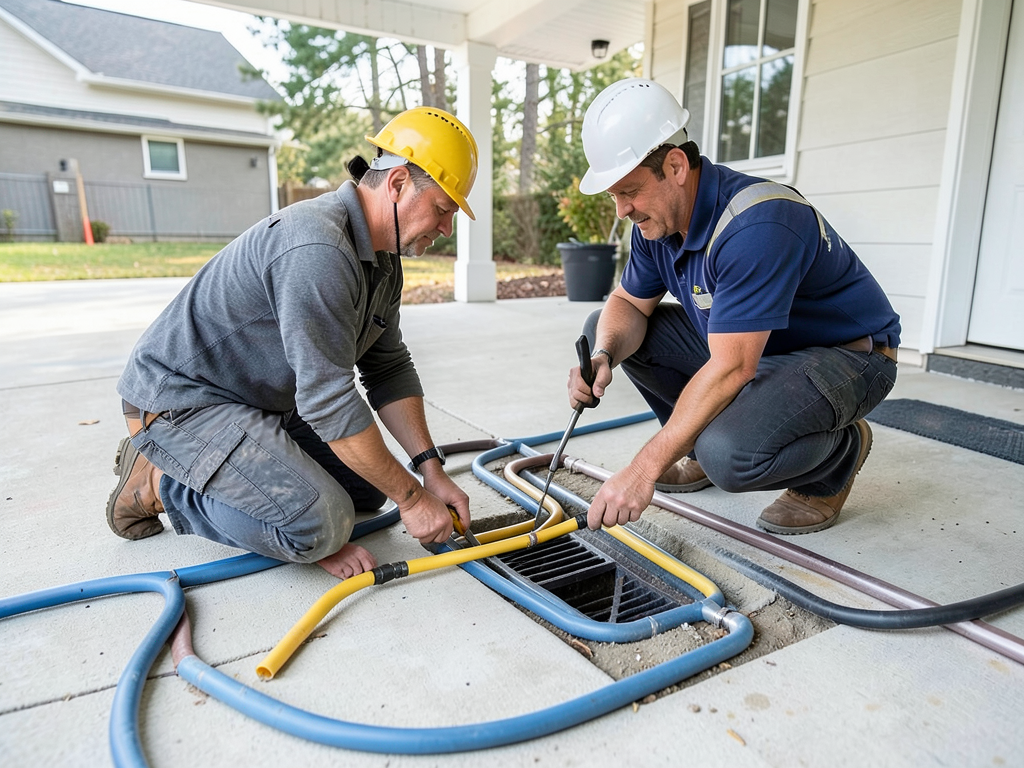
Hydronic snow melt systems operate on a simple principle: circulate heated fluid through tubing beneath the surface to melt snow before it accumulates. The system consists of a boiler, heat exchanger, manifold station, PEX-a tubing network, and automatic sensors that activate based on weather conditions.
The heart of the system is the closed-loop circulation. Propylene glycol mixed with water flows through durable PEX-a tubing at approximately 140-180 degrees Fahrenheit. This temperature range provides optimal melting without damaging concrete or paver surfaces. The glycol prevents freezing within the system itself, ensuring reliable operation even during Connecticut’s coldest nights.
Heat transfer occurs through conduction from the tubing to the surrounding material. Concrete driveways require approximately 30-40 BTUs per square foot to maintain snow-free conditions during active snowfall. The tubing spacing typically ranges from 6-12 inches on center, with tighter spacing in high-traffic areas or near garage entrances where ice tends to form first.. Read more about Where Your Sump Pump Discharge Should Actually Go to Avoid Neighborhood Issues in Pemberwick.
Modern systems use tekmar or similar controls that monitor both temperature and moisture levels. These sensors activate the system when air temperature drops below 38 degrees Fahrenheit and detect precipitation. The system preheats the tubing network before snow begins falling, creating a warm surface that prevents accumulation from the start.
Boiler integration requires proper sizing calculations. A typical Riverside driveway installation might need 150,000-250,000 BTUs of additional heating capacity. The system can often utilize excess capacity from your existing high-efficiency boiler, though dedicated systems provide more reliable performance during heavy snowfall events.
Drainage proves critical for system effectiveness. Melted snow must drain away from the heated surface to prevent refreezing. French drains or sloped concrete channels direct water toward storm sewers or natural drainage areas. Without proper drainage, melted snow simply refreezes at the edges, creating dangerous ice dams.. Read more about Using French Drains to Stop Yard Flooding in Your Byram Property.
Energy efficiency improves significantly with proper insulation. Rigid foam boards beneath the tubing network prevent heat from dissipating into the ground. Reflective barriers can increase system efficiency by up to 30% by directing heat upward toward the surface rather than allowing it to escape downward.
Why Riverside Homeowners Choose Hydronic Over Electric Systems

Electric snow melt systems work well for small areas like walkways or stairs, but they become prohibitively expensive for driveways. A typical Riverside driveway requires 30-50 kilowatts of electric heating capacity during operation, which can cost $3-5 per hour compared to $1-2 per hour for hydronic systems.
Operating cost comparisons reveal significant differences. Electric systems consume 3-4 times more energy per square foot than hydronic alternatives. For a 1,000 square foot driveway, electric operation during a typical Connecticut snowstorm might cost $40-60, while the same area using hydronic heating costs $15-25.
Installation costs favor electric systems for small projects under 200 square feet. However, hydronic systems become more economical for larger areas due to lower material costs and better energy efficiency. The break-even point typically occurs around 300-400 square feet, making hydronic the clear choice for most Riverside driveways.
Maintenance requirements differ substantially between systems. Electric systems have no moving parts but can suffer from cable breaks that require complete replacement of affected sections. Hydronic systems require annual boiler maintenance and occasional pump replacement, but individual tubing sections rarely fail since PEX-a resists cracking from freeze-thaw cycles.
Response time advantages favor hydronic systems. Electric cables heat up in 15-30 minutes, while hydronic systems can achieve full operating temperature in 5-10 minutes when properly designed. This faster response prevents snow accumulation during sudden storms common in coastal Connecticut.
Environmental impact considerations favor hydronic systems. While both use energy, hydronic systems typically connect to high-efficiency boilers that achieve 95% efficiency ratings. Electric systems draw from the grid, where generation efficiency and transmission losses can reduce overall system efficiency to 30-40% in Connecticut.
System longevity also favors hydronic technology. Well-installed hydronic systems routinely last 20-30 years with minimal maintenance. Electric systems typically need replacement after 15-20 years as heating cables degrade from thermal cycling and moisture exposure.
Our Riverside Project Portfolio: Case Studies
United Plumbing completed a 2,400 square foot hydronic installation on a steep driveway in Riverside’s Riverside Avenue corridor. The property sits on a hillside overlooking the Mianus River, presenting unique drainage challenges. We installed 8-inch on-center tubing spacing with additional heat capacity to handle the driveway’s 15% grade.
The system connects to a 200,000 BTU Navien combi-boiler that also provides domestic hot water. During the first winter, the system melted 8 inches of heavy wet snow in 4 hours while maintaining driveway temperatures above 35 degrees Fahrenheit. The property owner eliminated $2,400 in annual snow removal contracts.
A Cos Cob estate required a 1,800 square foot system for both driveway and front walkway. The project involved removing existing bluestone pavers, installing new drainage infrastructure, and carefully spacing PEX-a tubing to avoid visible patterns through the stone. The system activates automatically when temperature drops below freezing with precipitation.
Old Greenwich homeowners requested a hybrid approach for their 1,200 square foot driveway. We installed hydronic heating for the main driving lanes while using electric cables for the decorative border areas. This combination reduced installation costs by 20% while maintaining the aesthetic appeal of their custom paver design.
A Glenville property presented unusual challenges due to its proximity to wetlands. We designed the system with enhanced drainage features and installed monitoring equipment to ensure no runoff affected nearby protected areas. The system uses a propylene glycol mixture with 30% concentration for added freeze protection.
Each installation follows Connecticut State Building Code requirements for exterior heating systems. Local permitting in Riverside requires detailed plans showing tubing layout, insulation specifications, and drainage calculations. Our team handles all permitting and inspections to ensure compliance with Fairfield County regulations.
Automation and Smart Sensors
Modern hydronic snow melt systems rely on sophisticated automation rather than manual controls. tekmar and similar controllers monitor multiple weather parameters to activate the system at optimal times. These controllers measure air temperature, relative humidity, precipitation type, and ground temperature to make intelligent decisions about system operation.
Moisture sensors detect precipitation type and intensity. The system distinguishes between rain, snow, and freezing rain, adjusting heat output accordingly. During light snow events, the system maintains minimal heat to prevent accumulation. Heavy snowfall triggers maximum output to keep pace with accumulation rates.
Temperature sensors monitor both air and surface conditions. The system preheats the tubing network when conditions approach freezing, creating a warm surface that prevents snow from bonding to the driveway. This preheating phase typically runs 30-60 minutes before active snowfall begins.
Wind sensors affect system operation in exposed areas. Strong winds increase heat loss from the surface, requiring higher operating temperatures to maintain effective melting. The controller automatically adjusts output based on real-time wind data from local weather stations.
Integration with home automation systems allows remote monitoring and control. Property owners can check system status through smartphone apps, adjust operating schedules, and receive alerts about system performance or maintenance needs. Some systems integrate with smart thermostats to optimize overall home heating efficiency.
Manual override capabilities ensure flexibility for unusual situations. Property owners can activate the system before predicted storms, extend operation after snowfall ends, or temporarily disable the system for maintenance. The controller remembers custom settings and returns to automatic operation when desired.
Energy management features optimize operating costs. The system can delay activation during light snow when natural melting might occur, or reduce output during nighttime when traffic is minimal. These intelligent controls can reduce annual operating costs by 15-25% without sacrificing performance.
Frequently Asked Questions about Snow Melt Systems
Will a hydronic system crack my expensive pavers?
No. Properly designed systems maintain surface temperatures between 35-45 degrees Fahrenheit during operation. This range prevents thermal shock that could damage materials. The PEX-a tubing expands and contracts with temperature changes, eliminating stress on surrounding materials. We use expansion joints and proper spacing to accommodate natural movement.
What maintenance does a hydronic system require?
Annual maintenance includes checking boiler operation, testing pressure relief valves, inspecting pump bearings, and verifying sensor accuracy. The glycol mixture should be tested every 2-3 years for pH levels and freeze protection. Most systems operate reliably for 15-20 years between major component replacements.
Can I integrate the system with my existing smart home setup?
Yes. Most modern controllers offer Wi-Fi connectivity and API integration with popular smart home platforms. You can monitor system status, adjust operating schedules, and receive alerts through your existing home automation app. Some systems integrate with weather services for predictive operation.
How long does installation take and will I lose driveway access?
Typical installations require 3-5 days. The first day involves removing existing surfaces and preparing the base. Tubing installation occurs on day two, followed by connections and testing on day three. Concrete pouring or paver installation takes an additional 1-2 days. We work to minimize disruption and can often complete sections sequentially to maintain partial access. EPA guidelines for propylene glycol use.
What happens if the power goes out during a snowstorm?
The system will shut down safely when power is lost. Once power returns, the controller automatically resumes normal operation. Most Connecticut snowstorms last several hours, providing adequate warning for power companies to maintain service. Battery backup systems can maintain critical controls for 24-48 hours if desired.
How do I know what size system I need?
System sizing depends on driveway area, local climate conditions, and desired melt rate. We calculate heat loss based on Fairfield County’s average winter temperatures, wind exposure, and typical snowfall rates. Most residential driveways require 30-40 BTUs per square foot for effective snow melting.
Is propylene glycol safe for the environment?
Propylene glycol is non-toxic and biodegradable. Unlike ethylene glycol used in automotive applications, propylene glycol poses no environmental hazard if small amounts leak during system service. The mixture we use contains corrosion inhibitors that protect system components while remaining environmentally safe.
Can the system handle saltwater exposure from coastal storms?
Yes. The closed-loop design isolates the glycol mixture from external exposure. All electrical components use marine-grade materials resistant to salt corrosion. The system’s drainage design prevents saltwater accumulation on the heated surface where it could cause damage.
What building permits are required in Riverside?
Riverside requires building permits for exterior heating systems. The permit application must include detailed plans showing tubing layout, insulation specifications, and drainage calculations. Local inspectors verify compliance with Connecticut State Building Code requirements for energy efficiency and structural integrity.
How does the system affect my property value?
Hydronic snow melt systems typically increase property values by 3-5% in Fairfield County. Buyers value the eliminated maintenance costs, improved safety, and luxury appeal. The systems also extend driveway lifespan by preventing freeze-thaw damage that causes cracking and settling.
Can I heat just specific areas like tire tracks?
Yes. Track heating systems use narrower tubing spacing in specific lanes rather than heating the entire surface. This approach reduces installation costs by 40-60% while still providing effective snow melting for vehicle access. Track systems work well for longer driveways where full coverage isn’t necessary.
What happens to the melted snow water?
Proper drainage design directs melted water to storm sewers, dry wells, or natural drainage areas. The system includes perimeter channels and slope calculations to prevent water from refreezing at the edges. All drainage must comply with local regulations regarding stormwater management.
How quickly can the system melt snow?
Effective melt rates range from 1-2 inches per hour depending on snow density and outside temperature. Heavy wet snow melts faster than light powder. The system maintains driveway temperatures above freezing, preventing accumulation even during active snowfall.
Can I use the system in summer for other purposes?
Some systems can provide supplemental pool heating or domestic hot water during summer months. This requires additional controls and heat exchangers but can improve overall system efficiency by utilizing the boiler year-round. We can design systems with these capabilities if desired.
Cost Factors and ROI Analysis
Hydronic snow melt system costs vary based on several factors specific to Riverside properties. Driveway size represents the largest cost component, with larger areas benefiting from economies of scale. A 1,000 square foot driveway typically costs $15,000-20,000 installed, while a 2,500 square foot driveway might cost $35,000-45,000.
Material selection significantly impacts costs. Standard concrete driveways cost less to retrofit than custom paver installations. Bluestone, granite, or other premium materials require more careful installation to prevent visible tubing patterns, increasing labor costs by 15-25%.
Site conditions affect installation complexity. Steep driveways require additional structural support and specialized drainage solutions. Properties with limited equipment access may need smaller machinery, extending project duration. High water table locations require enhanced drainage and moisture protection measures.
Boiler integration options provide cost flexibility. Connecting to an existing high-efficiency boiler reduces costs by $3,000-5,000 compared to installing a dedicated system. However, dedicated boilers provide more reliable performance during heavy snowfall when your primary heating system faces maximum demand.
Operating costs depend on local utility rates and usage patterns. Connecticut’s average electricity rate of $0.22 per kilowatt-hour makes electric alternatives expensive. Natural gas prices around $1.50 per therm keep hydronic operating costs competitive with traditional snow removal services.
Annual operating costs typically range from $0.50-1.00 per square foot depending on usage. A 1,000 square foot driveway might cost $500-1,000 annually to operate, compared to $1,200-2,000 for professional snow removal services in Fairfield County.
ROI calculations should include both direct and indirect benefits. Direct savings include eliminated snow removal contracts, reduced slip-and-fall liability insurance premiums, and extended driveway lifespan. Indirect benefits include increased property values, improved accessibility during winter storms, and enhanced curb appeal.
Payback periods typically range from 5-10 years depending on usage patterns and local snow removal costs. Properties in areas with heavy annual snowfall or those used for frequent entertaining often achieve payback in 5-7 years through combined savings and value appreciation.
Installation Process and Timeline
The installation process begins with a comprehensive site evaluation. Our technicians assess driveway dimensions, slope, existing drainage, and proximity to utilities. We evaluate your current heating system capacity and discuss integration options. This evaluation typically takes 1-2 hours and results in a detailed proposal with specific recommendations.
Design phase involves creating detailed plans showing tubing layout, manifold locations, and connection points. We calculate heat loss requirements based on local climate data and your specific site conditions. The design must comply with Connecticut State Building Code requirements for energy efficiency and structural integrity.
Permit acquisition typically takes 1-2 weeks in Riverside. We handle all permit applications and coordinate with local inspectors. The permit process ensures compliance with local zoning requirements and energy efficiency standards specific to Fairfield County.
Site preparation begins with removing existing driveway surfaces. For concrete driveways, we remove old concrete and prepare the base with proper compaction and grading. Paver installations require careful removal to preserve reusable materials when possible.
Tubing installation follows strict spacing requirements. We lay PEX-a tubing in a serpentine pattern, maintaining consistent spacing throughout the network. Manifold stations are installed at strategic locations for balanced flow distribution. All connections use specialized fittings designed for high-temperature glycol service.
Insulation installation prevents heat loss into surrounding soil. We use high-density foam boards with appropriate R-values based on local soil conditions and desired system efficiency. Reflective barriers can increase efficiency by directing heat upward toward the surface.
Boiler integration connects the snow melt system to your existing heating equipment or installs a dedicated boiler. We verify proper flow rates, pressure settings, and safety controls. All connections comply with ASME standards for hydronic heating systems.
Surface installation completes the project. For concrete driveways, we pour concrete over the tubing network using specialized techniques to prevent damage. Paver installations require careful bedding and compaction to maintain consistent spacing and prevent settling.
Testing and commissioning verify system operation. We pressure test the tubing network, verify control operation, and demonstrate system functionality. The controller is programmed with local weather data and your specific operating preferences.
Final inspection ensures compliance with all building codes and manufacturer requirements. We provide comprehensive documentation including operating manuals, maintenance schedules, and warranty information.
Winterization and Maintenance
Proper winterization ensures reliable operation during Connecticut’s harshest conditions. The system requires minimal seasonal preparation since the closed-loop design prevents freezing. However, several maintenance tasks optimize performance and longevity.
Annual boiler maintenance should occur before the heating season begins. This service includes cleaning heat exchangers, testing safety controls, checking pump operation, and verifying system pressure. Our technicians inspect all electrical connections and test control operation.
Glycol mixture testing ensures proper freeze protection. We test pH levels and freeze point concentration using refractometers. The mixture should maintain -30 to -50 degrees Fahrenheit freeze protection depending on local conditions. Low pH levels indicate corrosion potential requiring system flushing and refill.
Control system calibration verifies sensor accuracy. Temperature sensors should read within +/- 2 degrees Fahrenheit of actual conditions. Moisture sensors must detect precipitation accurately to prevent unnecessary operation. We test all safety interlocks and emergency shutoff functions. Emergency Plumbers in Greenwich Who Actually Answer the Phone at 3 AM.
Drainage system inspection prevents ice dam formation. We verify that all perimeter channels remain clear and that downspouts direct water away from heated surfaces. French drains should be checked for blockages that could cause water backup onto the driveway.
Surface inspection identifies potential issues before they become problems. We check for settling, cracking, or deterioration that could affect system performance. Paver installations require verifying that sand joints remain intact and that surface drainage patterns function properly.
Mid-season checkup ensures optimal performance during peak winter months. We verify system operation, check for any unusual noises or vibrations, and confirm that all sensors respond appropriately to changing conditions.
Emergency service availability provides peace of mind during severe storms. Our technicians carry common replacement parts and can respond quickly to any system issues. Most problems can be diagnosed and repaired within 24 hours, ensuring continuous protection during critical weather events. Why We Are the Top Rated Pipe Repair Specialists in Byram.
Documentation review keeps you informed about system status and upcoming maintenance needs. We provide detailed reports after each service visit, noting any recommendations for repairs or upgrades to improve system performance.
Call (475) 320-3733 today to schedule your inspection and learn how a hydronic snow melt system can transform your winter experience. Don’t wait until the first snowstorm hits. Professional installation now means worry-free winters for years to come. For more information, visit ASHRAE standards for snow melt systems.
{
“@context”: “https://schema.org”,
“@type”: “BlogPosting”,
“headline”: “Why a Hydronic Snow Melt System Is a Game Changer for Your Riverside Driveway”,
“description”: “Discover how hydronic snow melt systems eliminate winter driveway hazards in Riverside. Learn about installation, costs, and why they outperform electric systems for Fairfield County estates.”,
“wordCount”: 3471,
“datePublished”: “2026-05-21T07:19:00.000Z”,
“dateModified”: “2026-05-21T07:19:00.000Z”,
“inLanguage”: “en-US”,
“mainEntityOfPage”: {
“@type”: “WebPage”,
“@id”: “https://unitedplumbinggreenwich.com”
},
“publisher”: {
“@type”: “LocalBusiness”,
“name”: “United Plumbing Greenwich”,
“url”: “https://unitedplumbinggreenwich.com”
},
“author”: {
“@type”: “Organization”,
“name”: “United Plumbing Greenwich”,
“url”: “https://unitedplumbinggreenwich.com”
},
“image”: {
“@type”: “ImageObject”,
“url”: “https://unitedplumbinggreenwich.com/wp-content/uploads/2026/03/why-a-hydronic-snow-melt-system-is-a-game-changer-1.png”
}
}
{
“@context”: “https://schema.org”,
“@type”: “Plumber”,
“name”: “United Plumbing Greenwich”,
“url”: “https://unitedplumbinggreenwich.com”,
“address”: {
“@type”: “PostalAddress”,
“addressLocality”: “Greenwich”
},
“areaServed”: {
“@type”: “City”,
“name”: “Greenwich”
}
}
{
“@context”: “https://schema.org”,
“@type”: “FAQPage”,
“mainEntity”: [
{
“@type”: “Question”,
“name”: “Will a hydronic system crack my expensive pavers?”,
“acceptedAnswer”: {
“@type”: “Answer”,
“text”: “No. Properly designed systems maintain surface temperatures between 35-45 degrees Fahrenheit during operation. This range prevents thermal shock that could damage materials. The PEX-a tubing expands and contracts with temperature changes, eliminating stress on surrounding materials. We use expansion joints and proper spacing to accommodate natural movement.”
}
},
{
“@type”: “Question”,
“name”: “What maintenance does a hydronic system require?”,
“acceptedAnswer”: {
“@type”: “Answer”,
“text”: “Annual maintenance includes checking boiler operation, testing pressure relief valves, inspecting pump bearings, and verifying sensor accuracy. The glycol mixture should be tested every 2-3 years for pH levels and freeze protection. Most systems operate reliably for 15-20 years between major component replacements.”
}
},
{
“@type”: “Question”,
“name”: “Can I integrate the system with my existing smart home setup?”,
“acceptedAnswer”: {
“@type”: “Answer”,
“text”: “Yes. Most modern controllers offer Wi-Fi connectivity and API integration with popular smart home platforms. You can monitor system status, adjust operating schedules, and receive alerts through your existing home automation app. Some systems integrate with weather services for predictive operation.”
}
},
{
“@type”: “Question”,
“name”: “How long does installation take and will I lose driveway access?”,
“acceptedAnswer”: {
“@type”: “Answer”,
“text”: “Typical installations require 3-5 days. The first day involves removing existing surfaces and preparing the base. Tubing installation occurs on day two, followed by connections and testing on day three. Concrete pouring or paver installation takes an additional 1-2 days. We work to minimize disruption and can often complete sections sequentially to maintain partial access. EPA guidelines for propylene glycol use.”
}
},
{
“@type”: “Question”,
“name”: “What happens if the power goes out during a snowstorm?”,
“acceptedAnswer”: {
“@type”: “Answer”,
“text”: “The system will shut down safely when power is lost. Once power returns, the controller automatically resumes normal operation. Most Connecticut snowstorms last several hours, providing adequate warning for power companies to maintain service. Battery backup systems can maintain critical controls for 24-48 hours if desired.”
}
},
{
“@type”: “Question”,
“name”: “How do I know what size system I need?”,
“acceptedAnswer”: {
“@type”: “Answer”,
“text”: “System sizing depends on driveway area, local climate conditions, and desired melt rate. We calculate heat loss based on Fairfield County’s average winter temperatures, wind exposure, and typical snowfall rates. Most residential driveways require 30-40 BTUs per square foot for effective snow melting.”
}
},
{
“@type”: “Question”,
“name”: “Is propylene glycol safe for the environment?”,
“acceptedAnswer”: {
“@type”: “Answer”,
“text”: “Propylene glycol is non-toxic and biodegradable. Unlike ethylene glycol used in automotive applications, propylene glycol poses no environmental hazard if small amounts leak during system service. The mixture we use contains corrosion inhibitors that protect system components while remaining environmentally safe.”
}
},
{
“@type”: “Question”,
“name”: “Can the system handle saltwater exposure from coastal storms?”,
“acceptedAnswer”: {
“@type”: “Answer”,
“text”: “Yes. The closed-loop design isolates the glycol mixture from external exposure. All electrical components use marine-grade materials resistant to salt corrosion. The system’s drainage design prevents saltwater accumulation on the heated surface where it could cause damage.”
}
},
{
“@type”: “Question”,
“name”: “What building permits are required in Riverside?”,
“acceptedAnswer”: {
“@type”: “Answer”,
“text”: “Riverside requires building permits for exterior heating systems. The permit application must include detailed plans showing tubing layout, insulation specifications, and drainage calculations. Local inspectors verify compliance with Connecticut State Building Code requirements for energy efficiency and structural integrity.”
}
},
{
“@type”: “Question”,
“name”: “How does the system affect my property value?”,
“acceptedAnswer”: {
“@type”: “Answer”,
“text”: “Hydronic snow melt systems typically increase property values by 3-5% in Fairfield County. Buyers value the eliminated maintenance costs, improved safety, and luxury appeal. The systems also extend driveway lifespan by preventing freeze-thaw damage that causes cracking and settling.”
}
},
{
“@type”: “Question”,
“name”: “Can I heat just specific areas like tire tracks?”,
“acceptedAnswer”: {
“@type”: “Answer”,
“text”: “Yes. Track heating systems use narrower tubing spacing in specific lanes rather than heating the entire surface. This approach reduces installation costs by 40-60% while still providing effective snow melting for vehicle access. Track systems work well for longer driveways where full coverage isn’t necessary.”
}
},
{
“@type”: “Question”,
“name”: “What happens to the melted snow water?”,
“acceptedAnswer”: {
“@type”: “Answer”,
“text”: “Proper drainage design directs melted water to storm sewers, dry wells, or natural drainage areas. The system includes perimeter channels and slope calculations to prevent water from refreezing at the edges. All drainage must comply with local regulations regarding stormwater management.”
}
},
{
“@type”: “Question”,
“name”: “How quickly can the system melt snow?”,
“acceptedAnswer”: {
“@type”: “Answer”,
“text”: “Effective melt rates range from 1-2 inches per hour depending on snow density and outside temperature. Heavy wet snow melts faster than light powder. The system maintains driveway temperatures above freezing, preventing accumulation even during active snowfall.”
}
},
{
“@type”: “Question”,
“name”: “Can I use the system in summer for other purposes?”,
“acceptedAnswer”: {
“@type”: “Answer”,
“text”: “Some systems can provide supplemental pool heating or domestic hot water during summer months. This requires additional controls and heat exchangers but can improve overall system efficiency by utilizing the boiler year-round. We can design systems with these capabilities if desired.”
}
}
]
}
{
“@context”: “https://schema.org”,
“@type”: “BreadcrumbList”,
“itemListElement”: [
{
“@type”: “ListItem”,
“position”: 1,
“name”: “Home”,
“item”: “https://unitedplumbinggreenwich.com”
},
{
“@type”: “ListItem”,
“position”: 2,
“name”: “Blog”,
“item”: “https://unitedplumbinggreenwich.com/blog”
},
{
“@type”: “ListItem”,
“position”: 3,
“name”: “Why a Hydronic Snow Melt System Is a Game Changer for Your Riverside Driveway”
}
]
}
{
“@context”: “https://schema.org”,
“@type”: “Service”,
“serviceType”: “Plumbing”,
“provider”: {
“@type”: “LocalBusiness”,
“name”: “United Plumbing Greenwich”,
“url”: “https://unitedplumbinggreenwich.com”
},
“areaServed”: {
“@type”: “City”,
“name”: “Greenwich”
},
“description”: “Discover how hydronic snow melt systems eliminate winter driveway hazards in Riverside. Learn about installation, costs, and why they outperform electric systems for Fairfield County estates.”
}