
Why High Water Pressure Is Actually Ruining the Plumbing in Your Riverside Home
High water pressure feels great in the shower but could be slowly destroying your Riverside home’s plumbing system. Most homeowners don’t realize that pressure above 80 PSI (pounds per square inch) can cause pipes to burst, water heaters to fail, and appliances to wear out years early. The problem is especially common in Riverside due to its elevated location near the Connecticut coast, where Aquarion Water Company maintains higher pressure to serve both the hilltop neighborhoods and the lower-lying areas. Plumbing Stamford.
You might hear banging pipes when you turn off faucets or notice your toilet running constantly. These are red flags that your pressure is too high. Left unchecked, this silent destroyer can lead to catastrophic water damage costing thousands in repairs. The good news is that pressure problems are completely preventable with the right testing and equipment. EPA WaterSense guidelines.
Understanding your home’s water pressure isn’t just about comfort—it’s about protecting your investment. Riverside homes, many built between 1950 and 1980, often have older copper or galvanized pipes that can’t handle today’s higher municipal pressures. The combination of aging infrastructure and elevated pressure creates a perfect storm for plumbing failures.. Read more about Replacing Your Main Water Shut Off Valve Before an Emergency Happens.
Call (475) 320-3733 today to schedule a free pressure test before the next pipe bursts.
How High Water Pressure Damages Your Home’s Plumbing System
High water pressure doesn’t just cause immediate problems—it creates a cascade of damage throughout your entire plumbing system. When pressure exceeds safe levels, every component in your home becomes a potential failure point.
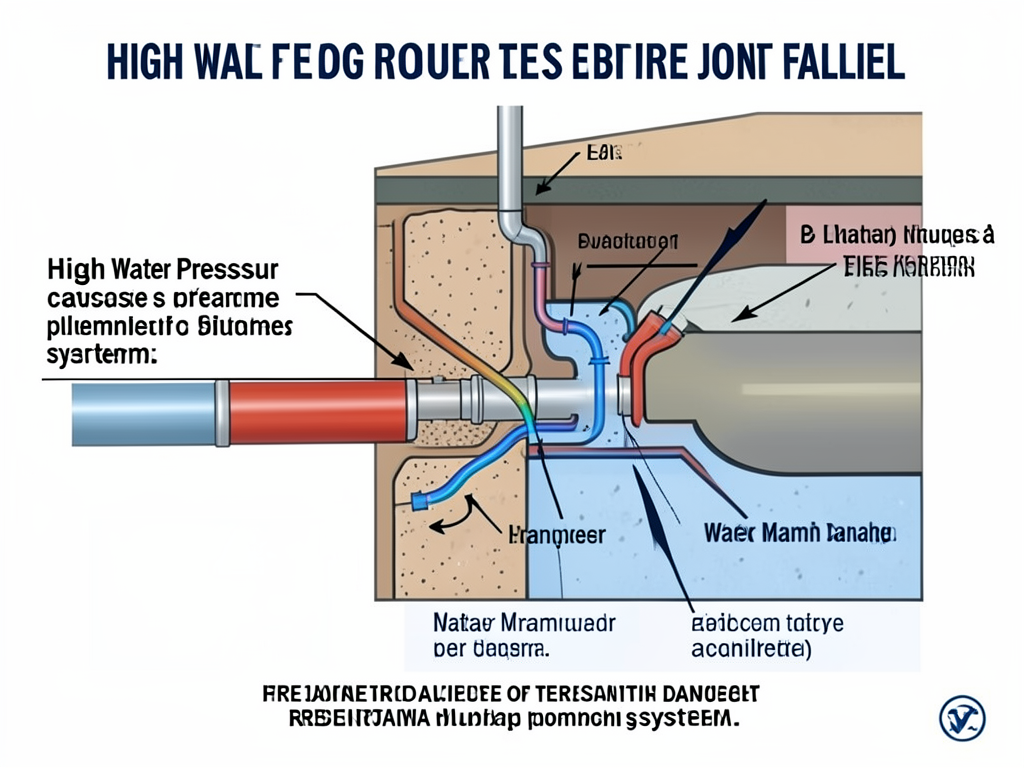
The most obvious sign is water hammer, that loud banging noise when you shut off a faucet. This happens because high-pressure water suddenly stops moving, creating shock waves that travel through your pipes. Over time, these shock waves weaken pipe joints, loosen fittings, and can even cause pipes to shift inside walls.
Appliances suffer tremendously from high pressure. Dishwashers and washing machines have pressure ratings that, when exceeded, void manufacturer warranties. The constant stress on internal components causes seals to fail, hoses to burst, and motors to burn out prematurely. A washing machine hose that should last 10 years might fail in just 3 under high pressure.
Water heaters are particularly vulnerable. The combination of high pressure and thermal expansion creates enormous stress on tank walls. When water heats up, it expands, and without proper expansion tanks, this pressure has nowhere to go. Tank failures often happen without warning, flooding basements and causing extensive damage.. Read more about Fixing Your Main Sewer Line Without Digging Up Your Beautiful Riverside Lawn.
According to the International Plumbing Code (IPC Section 604.8), residential water pressure should not exceed 80 PSI. Anything above this threshold requires a pressure reducing valve (PRV) installation. Yet many Riverside homes built before 2000 were constructed without these safety devices, leaving them exposed to municipal pressure fluctuations. International Plumbing Code Section 604.8.
Warning Signs Your Riverside Home Has Dangerous Water Pressure
Identifying high water pressure early can save you thousands in repairs. Here are the telltale signs that your Riverside home might be operating under dangerous pressure conditions. Why We Are the Top Rated Pipe Repair Specialists in Byram.
Listen for noisy pipes. If you hear banging, knocking, or whistling sounds when you turn faucets on or off, your pressure is likely too high. This noise, called water hammer, occurs when high-pressure water suddenly changes direction or stops flowing.
Check your fixtures. Are your faucets leaking around the handles even when fully closed? Do you see water dripping from showerheads between uses? These are classic symptoms of pressure forcing water past seals designed for lower pressure.. Read more about Repairing High End Thermostatic Shower Valves in Your Luxury Bathroom.
Monitor your toilet tanks. If your toilet runs constantly or you hear it refilling when no one has used it, high pressure might be forcing water past the fill valve. This wastes hundreds of gallons monthly and indicates pressure problems throughout your system.
Feel your pipes. When you run hot water, touch exposed pipes carefully. If they feel like they’re vibrating or you can hear them humming, pressure is causing turbulence inside the pipes. This vibration weakens joints over time.
Watch your water bill. Unexplained increases in water usage often indicate leaks caused by high pressure forcing water through tiny imperfections in pipe joints or fixture seals.
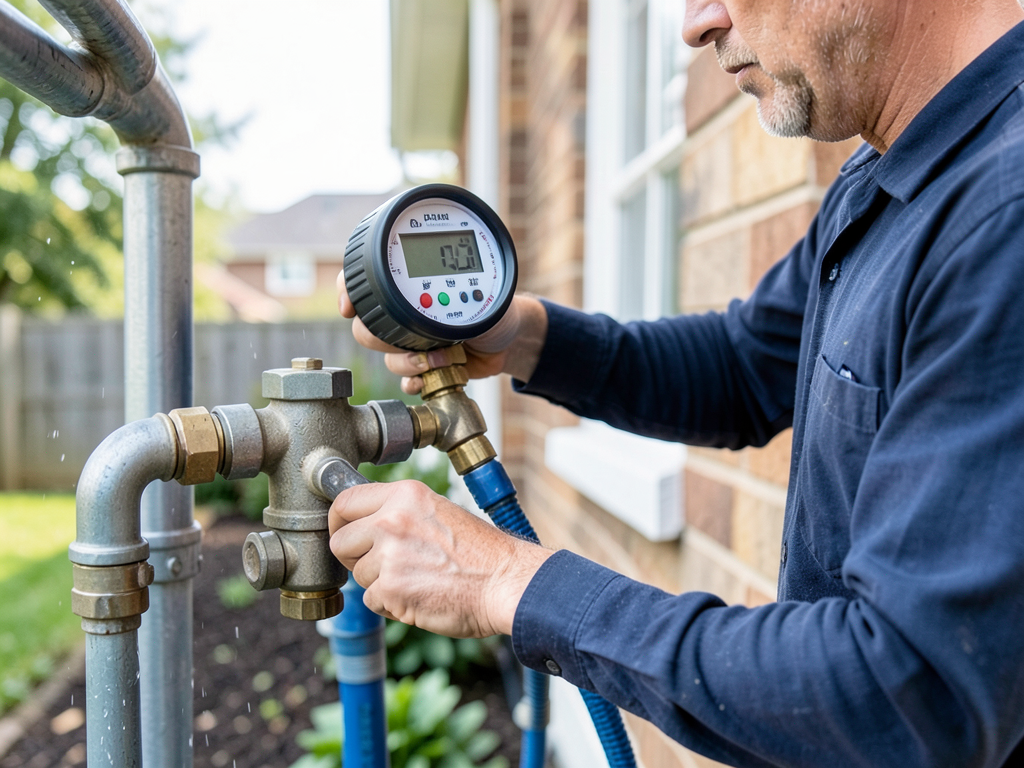
Test your pressure directly. You can buy a simple pressure gauge that screws onto an outdoor hose bib. If readings consistently show above 80 PSI, you have a problem that needs immediate attention.
Call (475) 320-3733 to schedule professional pressure testing for your Riverside home.
Why Riverside Homes Are Particularly Vulnerable to Pressure Problems
Riverside’s unique geography and infrastructure create perfect conditions for high water pressure problems. Understanding these local factors explains why your neighbor might have pressure issues while someone across town doesn’t.
The elevation factor plays a major role. Riverside sits on a gradual rise from the coast, and Aquarion Water Company maintains higher pressure to ensure adequate flow to hilltop properties. Homes in lower Riverside areas often experience pressure that’s 20-30 PSI higher than homes at similar elevations in flatter parts of Greenwich.
Many Riverside homes were built during the post-war boom of the 1950s and 1960s. These houses were designed when municipal water pressure was typically 40-60 PSI. Today’s pressures often exceed 90 PSI in these neighborhoods, far beyond what the original plumbing systems were designed to handle.
The age of infrastructure compounds the problem. Riverside has a mix of galvanized steel, copper, and early plastic piping. Galvanized pipes, common in homes built before 1970, corrode from the inside out. This corrosion creates rough surfaces that increase friction and can cause pressure fluctuations that stress the entire system.
Local water quality affects pressure problems too. Riverside’s water contains moderate mineral content that can cause scale buildup inside pipes. This narrowing of pipe diameter increases pressure upstream of the buildup while reducing flow downstream, creating pressure imbalances throughout your plumbing system.
Seasonal factors matter as well. During summer months, increased water demand for irrigation can cause pressure fluctuations. When demand drops at night, pressure can spike to dangerous levels, especially in areas with older pressure regulating equipment.
Understanding these local factors helps explain why pressure problems in Riverside require specialized knowledge of local water systems and building patterns. Generic plumbing advice often misses these critical regional considerations.
The Hidden Costs of Ignoring High Water Pressure
Many homeowners underestimate the financial impact of high water pressure. What seems like a minor inconvenience can lead to major expenses that compound over time.
Appliance replacement costs add up quickly. Dishwashers, washing machines, and water heaters designed to last 10-15 years might fail in half that time under high pressure. A premium dishwasher costing $1,500 might need replacement after just 5 years instead of 12, doubling your replacement costs.
Water damage from burst pipes or failed appliances can be catastrophic. A washing machine hose that bursts under high pressure can release 600 gallons of water per hour. In a typical 8-hour workday, that’s 4,800 gallons flooding your home. The average insurance claim for such incidents exceeds $5,000, and many policies don’t cover damage from chronic pressure problems.
Energy costs increase with high pressure. Your water heater works harder when pressure is too high, and you waste hot water through leaky fixtures. A single dripping hot water faucet can waste 3,000 gallons annually, costing $50-100 in wasted energy and water.
Mold and mildew growth become more likely when high pressure causes hidden leaks. Water trapped in walls or under floors creates perfect conditions for mold growth. Professional mold remediation in a single bathroom can cost $2,000-4,000, and the health impacts can be severe for sensitive individuals.
Property value takes a hit when plumbing systems show signs of chronic pressure problems. Home inspectors flag high pressure as a major concern, and buyers often demand price reductions or ask for expensive repairs before closing.
The most insidious cost is the stress on your time and peace of mind. Dealing with repeated plumbing emergencies, coordinating repairs, and worrying about when the next failure will occur creates a constant background anxiety that affects your quality of life.
Prevention costs far less than cure. A pressure reducing valve installation typically costs $350-600, while the cumulative cost of damage from high pressure often exceeds $5,000-10,000 over just a few years.
Don’t wait for disaster. Call (475) 320-3733 to protect your Riverside home from pressure damage.
Professional Solutions for High Water Pressure Problems
Fixing high water pressure requires more than just installing a pressure reducing valve. A comprehensive approach ensures long-term protection for your home’s plumbing system. Fixing a Persistent Clog in Your Glenville Kitchen Sink.
Professional pressure testing is the first step. Using calibrated gauges and data loggers, plumbers can measure your pressure over 24-48 hours to identify pressure spikes and fluctuations that single readings might miss. This testing reveals patterns like nighttime pressure surges that occur when municipal demand drops. Emergency Plumbers in Greenwich Who Actually Answer the Phone at 3 AM.
Pressure reducing valve (PRV) installation must be done correctly to be effective. The valve needs proper sizing based on your home’s water demand, correct installation orientation, and adjustment to the optimal 55-65 PSI range. Many DIY installations fail because homeowners don’t account for pressure drop across the valve or forget to install a strainer to protect the valve from debris.
Expansion tanks are essential for homes with closed plumbing systems. Modern homes with backflow preventers or check valves create closed systems where thermal expansion has nowhere to go. Without an expansion tank, this pressure builds until something fails. A properly sized expansion tank absorbs this expansion, protecting your water heater and pipes.
Water hammer arrestors provide additional protection for specific fixtures. These small devices contain a cushion of air that absorbs the shock when water flow suddenly stops. Installing arrestors at washing machine connections, dishwasher supply lines, and near problematic fixtures can eliminate banging pipes and extend fixture life.
Regular maintenance keeps your pressure management system working. PRVs have diaphragms that can fail after 7-10 years, and pressure settings can drift over time. Annual testing and adjustment ensure your system continues to protect your home effectively.
For homes with chronic pressure problems, a whole-house solution might include upgrading to PEX piping, which handles pressure fluctuations better than older materials. This comprehensive approach addresses both the pressure problem and the vulnerability of aging pipes.
Professional installation matters because incorrect pressure reduction can cause its own problems. Too much pressure reduction leads to poor water flow and customer complaints. Too little leaves you vulnerable to damage. The sweet spot requires experience and proper testing equipment.
Call (475) 320-3733 for expert pressure management solutions tailored to your Riverside home. Expert Boiler Repair for Historic Greenwich Homes.
Protecting Your Investment: Long-term Benefits of Pressure Management
Managing your home’s water pressure isn’t just about preventing problems—it’s about optimizing your entire plumbing system for longevity, efficiency, and peace of mind.
Appliance lifespan increases dramatically with proper pressure. Dishwashers, washing machines, and water heaters can easily last their full rated lifespan instead of failing early. This means fewer replacements, less waste, and better return on your appliance investments.
Water conservation becomes automatic when pressure is controlled. You’ll use less water without sacrificing performance because fixtures work as designed. Low-flow devices function properly at the correct pressure, saving thousands of gallons annually while maintaining excellent performance.
Energy efficiency improves across your home. Water heaters operate more efficiently when pressure is stable, and you waste less energy heating water that leaks away through faulty fixtures. The savings on utility bills often offset the cost of pressure management within 2-3 years.
Property value protection is perhaps the most significant benefit. A well-maintained plumbing system with documented pressure management becomes a selling point rather than a liability. Buyers appreciate knowing they won’t inherit pressure-related problems.
Peace of mind comes from knowing your home is protected. No more worrying about pipes bursting while you’re on vacation or waking up to flooded basements. This security is invaluable for busy families and professionals.
Insurance premiums may benefit from documented pressure management. Some insurers offer discounts for homes with professional plumbing inspections and documented pressure control systems, recognizing the reduced risk of water damage claims.
Environmental responsibility matters too. By preventing leaks and extending appliance life, you reduce your environmental footprint. Less water waste means less energy used for pumping and treatment, and fewer discarded appliances means less landfill waste.
The comprehensive benefits of pressure management make it one of the smartest home improvement investments you can make. Unlike cosmetic upgrades, pressure management protects your entire home while paying for itself through savings and damage prevention.
Ready to protect your home? Call (475) 320-3733 to schedule your pressure management consultation.
Frequently Asked Questions
How do I know if my water pressure is too high?
Signs include banging pipes, leaking faucets, constantly running toilets, and short appliance lifespans. You can test pressure with a gauge from a hardware store, but professional testing provides more accurate results and identifies pressure fluctuations.
What’s the ideal water pressure for a home?
The ideal residential water pressure is 55-65 PSI. The International Plumbing Code limits pressure to 80 PSI maximum. Anything above 80 PSI requires a pressure reducing valve to prevent damage to your plumbing system.
How much does it cost to fix high water pressure?
Basic pressure reducing valve installation typically costs $350-600. Comprehensive solutions including expansion tanks and water hammer arrestors range from $800-1,500. These costs are minimal compared to potential water damage repairs that can exceed $5,000.
Can I install a pressure reducing valve myself?
While DIY installation is possible, professional installation ensures proper sizing, correct pressure settings, and compliance with local codes. Incorrect installation can cause its own problems like insufficient water flow or continued pressure issues.
How often should pressure reducing valves be replaced?
PRVs typically last 7-10 years. Annual testing is recommended to ensure proper function. Signs of failure include pressure fluctuations, water hammer returning, or visible leaks around the valve.
Will high water pressure affect my home insurance?
Chronic high water pressure can affect insurance claims. Some policies exclude damage from maintenance issues like pressure problems. Documenting pressure management can help with claims and may qualify you for insurance discounts.
Take Action Before It’s Too Late
High water pressure is a silent destroyer working 24/7 to damage your Riverside home’s plumbing system. The signs are often subtle until catastrophic failure occurs. Don’t wait for a burst pipe or flooded basement to take action.
Professional pressure testing takes less than an hour and can identify problems before they cause expensive damage. Our experienced technicians understand Riverside’s unique pressure challenges and can recommend solutions tailored to your home’s specific needs.
Whether you need a simple pressure check, PRV installation, or comprehensive pressure management system, we have the expertise to protect your home. We serve all Riverside neighborhoods and understand the local water system’s quirks.
Call (475) 320-3733 now to schedule your free pressure test. Protect your home, save money on repairs, and enjoy peace of mind knowing your plumbing system is operating safely and efficiently.
Don’t let high water pressure ruin your home’s plumbing. One call can prevent thousands in damage and extend the life of your appliances. Pick up the phone and call (475) 320-3733 before the next pressure spike causes expensive damage.
You may also find this helpful. Comparing the Best Reverse Osmosis Systems for Clean Drinking Water in Old Greenwich.
{
“@context”: “https://schema.org”,
“@type”: “BlogPosting”,
“headline”: “Why High Water Pressure Is Actually Ruining the Plumbing in Your Riverside Home”,
“description”: “High water pressure can silently destroy your Riverside home’s plumbing. Learn the warning signs, damage risks, and how to protect your pipes before it’s too late.”,
“wordCount”: 2552,
“datePublished”: “2026-04-13T12:25:00.000Z”,
“dateModified”: “2026-04-13T12:25:00.000Z”,
“inLanguage”: “en-US”,
“mainEntityOfPage”: {
“@type”: “WebPage”,
“@id”: “https://unitedplumbinggreenwich.com”
},
“publisher”: {
“@type”: “LocalBusiness”,
“name”: “United Plumbing Greenwich”,
“url”: “https://unitedplumbinggreenwich.com”
},
“author”: {
“@type”: “Organization”,
“name”: “United Plumbing Greenwich”,
“url”: “https://unitedplumbinggreenwich.com”
},
“image”: {
“@type”: “ImageObject”,
“url”: “https://unitedplumbinggreenwich.com/wp-content/uploads/2026/03/why-high-water-pressure-is-actually-ruining-the-pl-1.png”
}
}
{
“@context”: “https://schema.org”,
“@type”: “Plumber”,
“name”: “United Plumbing Greenwich”,
“url”: “https://unitedplumbinggreenwich.com”,
“address”: {
“@type”: “PostalAddress”,
“addressLocality”: “Greenwich”
},
“areaServed”: {
“@type”: “City”,
“name”: “Greenwich”
}
}
{
“@context”: “https://schema.org”,
“@type”: “FAQPage”,
“mainEntity”: [
{
“@type”: “Question”,
“name”: “How do I know if my water pressure is too high?”,
“acceptedAnswer”: {
“@type”: “Answer”,
“text”: “Signs include banging pipes, leaking faucets, constantly running toilets, and short appliance lifespans. You can test pressure with a gauge from a hardware store, but professional testing provides more accurate results and identifies pressure fluctuations.”
}
},
{
“@type”: “Question”,
“name”: “What’s the ideal water pressure for a home?”,
“acceptedAnswer”: {
“@type”: “Answer”,
“text”: “The ideal residential water pressure is 55-65 PSI. The International Plumbing Code limits pressure to 80 PSI maximum. Anything above 80 PSI requires a pressure reducing valve to prevent damage to your plumbing system.”
}
},
{
“@type”: “Question”,
“name”: “How much does it cost to fix high water pressure?”,
“acceptedAnswer”: {
“@type”: “Answer”,
“text”: “Basic pressure reducing valve installation typically costs $350-600. Comprehensive solutions including expansion tanks and water hammer arrestors range from $800-1,500. These costs are minimal compared to potential water damage repairs that can exceed $5,000.”
}
},
{
“@type”: “Question”,
“name”: “Can I install a pressure reducing valve myself?”,
“acceptedAnswer”: {
“@type”: “Answer”,
“text”: “While DIY installation is possible, professional installation ensures proper sizing, correct pressure settings, and compliance with local codes. Incorrect installation can cause its own problems like insufficient water flow or continued pressure issues.”
}
},
{
“@type”: “Question”,
“name”: “How often should pressure reducing valves be replaced?”,
“acceptedAnswer”: {
“@type”: “Answer”,
“text”: “PRVs typically last 7-10 years. Annual testing is recommended to ensure proper function. Signs of failure include pressure fluctuations, water hammer returning, or visible leaks around the valve.”
}
},
{
“@type”: “Question”,
“name”: “Will high water pressure affect my home insurance?”,
“acceptedAnswer”: {
“@type”: “Answer”,
“text”: “Chronic high water pressure can affect insurance claims. Some policies exclude damage from maintenance issues like pressure problems. Documenting pressure management can help with claims and may qualify you for insurance discounts.”
}
}
]
}
{
“@context”: “https://schema.org”,
“@type”: “BreadcrumbList”,
“itemListElement”: [
{
“@type”: “ListItem”,
“position”: 1,
“name”: “Home”,
“item”: “https://unitedplumbinggreenwich.com”
},
{
“@type”: “ListItem”,
“position”: 2,
“name”: “Blog”,
“item”: “https://unitedplumbinggreenwich.com/blog”
},
{
“@type”: “ListItem”,
“position”: 3,
“name”: “Why High Water Pressure Is Actually Ruining the Plumbing in Your Riverside Home”
}
]
}
{
“@context”: “https://schema.org”,
“@type”: “Service”,
“serviceType”: “Plumbing”,
“provider”: {
“@type”: “LocalBusiness”,
“name”: “United Plumbing Greenwich”,
“url”: “https://unitedplumbinggreenwich.com”
},
“areaServed”: {
“@type”: “City”,
“name”: “Greenwich”
},
“description”: “High water pressure can silently destroy your Riverside home’s plumbing. Learn the warning signs, damage risks, and how to protect your pipes before it’s too late.”
}