
Why Your Backcountry Water Heater Sounds Like It Is Full of Popping Popcorn
That popping, crackling sound coming from your water heater is not normal. It means sediment is building up at the bottom of your tank, trapping water beneath the mineral layer. When the burner heats this trapped water, it creates steam bubbles that burst through the sediment, making that familiar popcorn sound. This is called kettling and it happens when hard water minerals like calcium and magnesium settle in your tank.. Read more about Why Your Well Water Keeps Pulsing — Troubleshooting Your Pressure Tank Issues.
In Backcountry Greenwich, this issue is especially common. Our area has some of the hardest water in Fairfield County, with Aquarion Water Company reporting calcium levels around 120-140 mg/L. That mineral-rich water accelerates sediment buildup, making your heater work harder and wear out faster. The good news is you can fix this before it causes serious damage. Aquarion Water Company.
Is a Popping Water Heater Dangerous?
The popping itself is not an immediate explosion risk, but it signals serious problems developing inside your tank. The sediment layer acts like insulation, forcing your burner to run longer and hotter to heat the water. This overheats the tank bottom and can cause the steel to weaken over time. The extra heat also damages the glass lining inside the tank, leading to rust and potential leaks.. Read more about How North Greenwich Hard Water Is Quietly Ruining Your Coffee Maker.
The real danger comes from pressure buildup. If your temperature and pressure relief valve (T&P valve) is faulty or blocked, the steam has nowhere to escape. This creates a risk of tank rupture. You should test your T&P valve monthly by lifting the lever to ensure it releases water. If it does not, call a professional immediately.. Read more about Getting Hot Water Faster in Large Greenwich Homes with Recirculation Pumps.
Another risk is carbon monoxide poisoning if you have a gas heater. The extra combustion time needed to heat through sediment produces more CO. Make sure you have working CO detectors near your water heater and in sleeping areas.. Read more about Will a Tankless Water Heater Really Save You Money in the Long Run?.
The Primary Culprit: Sediment Buildup (Kettling)
Sediment buildup happens when hard water minerals settle at the bottom of your tank. In Backcountry Greenwich, where water hardness averages 7-9 grains per gallon, this process happens faster than in areas with softer water. The sediment layer can become several inches thick, creating a barrier between the burner and the water.
When the burner fires, it heats this mineral layer instead of the water directly. Water trapped beneath the sediment turns to steam, creating bubbles that push through the sediment layer. This bursting action makes the popping sound. The process is similar to how popcorn kernels pop when moisture inside turns to steam.
Over time, this kettling effect causes several problems. The extra heat damages the tank bottom, the glass lining cracks, and the anode rod corrodes faster. Your heater becomes less efficient, using more energy to heat the same amount of water. What starts as an annoying sound becomes a costly problem.
The sediment also provides a breeding ground for bacteria. While the water temperature is usually high enough to kill most organisms, the sediment layer can stay cooler and harbor microbial growth. This can lead to foul-smelling water and potential health concerns.
How Greenwich’s Hard Water Affects Your Tank
Greenwich water comes from the Aquarion Water Company, which draws from multiple sources including the Saugatuck and Far Mill Rivers. Our water naturally contains high levels of dissolved calcium and magnesium, giving it a hardness rating that exceeds state averages. This mineral content varies slightly by neighborhood, with Backcountry and Riverside areas often showing higher readings.
The Connecticut Department of Public Health sets maximum contaminant levels for various minerals, but even within safe limits, these dissolved solids cause problems for water heaters. Every time your tank heats water, minerals precipitate out and settle at the bottom. In a typical household, this can add up to several pounds of sediment per year. Connecticut Department of Energy and Environmental Protection.
Local building codes in Greenwich require water heaters to have proper pressure relief systems, but they do not mandate water softening for residential properties. This means homeowners must deal with the consequences of hard water themselves. Many Backcountry homes, built before widespread water softening technology, are particularly vulnerable to sediment problems.
The age of your home also matters. Properties built before the 1980s often have older plumbing that contributes more sediment. Galvanized steel pipes, common in historic Greenwich homes, can corrode internally and add rust particles to the sediment mix. This accelerates tank deterioration and reduces efficiency. Plumbing Stamford.
Step-by-Step: How to Flush Your Water Heater
Flushing your water heater removes sediment and can restore normal operation. This process takes about two hours and requires basic tools. Always turn off power to electric heaters at the breaker or set gas heaters to pilot before starting.
First, connect a garden hose to the drain valve at the bottom of your tank. Run the other end to a floor drain or outside. Close the cold water supply valve on top of the heater. Open a hot water faucet somewhere in your house to let air into the system. The Most Reliable Drain Cleaning Services in Old Greenwich.
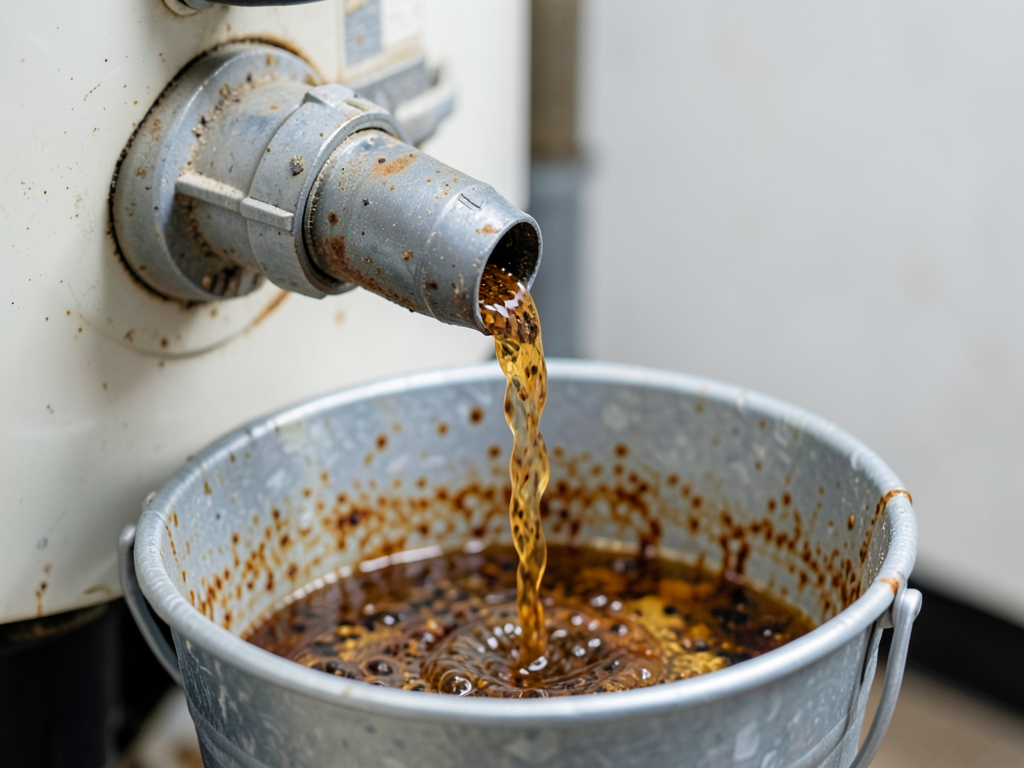
Open the drain valve and let the tank empty completely. The water will likely look rusty or cloudy at first. This is normal and shows the sediment coming out. Once the tank is empty, briefly open the cold water supply to stir up remaining sediment, then let it drain again.
Repeat this flush-fill cycle until the water runs clear. This may take three to five cycles for heavily sedimented tanks. When finished, close the drain valve, remove the hose, and refill the tank completely before restoring power or gas. Never turn on an electric heater with an empty tank, as this will burn out the heating element.
During flushing, you might notice the drain valve leaking afterward. This happens when sediment particles get stuck in the valve seat. Keep a bucket handy and be prepared to replace the valve if it continues leaking after a few hours.
When to Call a Professional
Some water heater problems require professional attention. Call United Plumbing at (475) 320-3733 if you notice these warning signs. First, if your heater is over ten years old, the tank may have internal corrosion that flushing cannot fix. The serial number on the manufacturer’s label shows the manufacture date.
Second, if you see water pooling around the base of your heater, you likely have a tank leak. Sediment damage often creates small cracks that grow over time. A leaking tank needs replacement, not repair. Turn off the water supply and power immediately to prevent flooding. Why We Are the Top Rated Pipe Repair Specialists in Byram.
Third, if your water looks rusty or smells like rotten eggs, your anode rod may be completely depleted. This rod sacrifices itself to protect the tank from corrosion. Once gone, the tank rusts rapidly. Replacing the anode rod requires draining the tank and is best left to professionals.
Fourth, if your heater makes loud banging sounds instead of popping, the sediment layer may be so thick it causes the tank bottom to overheat and warp. This creates dangerous pressure points and requires immediate professional evaluation. Do not attempt to flush a severely damaged tank yourself.
Finally, if you notice the pilot light on a gas heater keeps going out, or if you smell gas near the unit, evacuate your home and call emergency services. Gas leaks are extremely dangerous and require immediate professional attention. Emergency Plumbers in Greenwich Who Actually Answer the Phone at 3 AM.
Water Heater Replacement vs. Repair Costs in Greenwich
Understanding the costs helps you make informed decisions about your water heater. In Greenwich, a standard 40-50 gallon tank replacement typically costs between $1,200 and $2,500 installed. This includes removal of the old unit, new connections, and proper disposal. High-efficiency models or larger tanks cost more.
Repair costs vary widely. A simple thermostat replacement runs $150-300. Anode rod replacement costs $200-400. Valve replacements average $100-250. However, if your tank is over eight years old, multiple repairs often exceed the cost of replacement within two years.
Energy efficiency also factors into your decision. Older tanks operate at about 60% efficiency, while new Energy Factor (EF) rated models achieve 90% or higher. This means a new heater can save $100-300 annually on energy bills, depending on your household usage. In Backcountry Greenwich, where energy costs run high, these savings add up quickly.
Permit requirements in Greenwich add to replacement costs. The town requires permits for water heater installations, ensuring proper venting and safety systems. Permit fees range from $50-150, and inspections may be required. Professional plumbers handle permitting as part of the installation process.
Consider your home’s hot water demands when deciding. A family of four typically needs a 50-gallon tank minimum. If you frequently run out of hot water, upgrading to a larger tank or tankless system might be worth the investment, even if your current tank is repairable.
Prevent Future Problems with Regular Maintenance
Preventing sediment buildup saves money and extends your water heater’s life. The Connecticut Department of Energy and Environmental Protection recommends annual flushing for all tank-style water heaters. This simple maintenance can double your heater’s lifespan from the typical 8-12 years to 15-20 years.
Install a whole-house water softener if your water hardness exceeds 7 grains per gallon. This reduces mineral content throughout your home, protecting not just your water heater but also your dishwasher, washing machine, and plumbing fixtures. Softened water also feels better on skin and requires less soap for cleaning.
Check your anode rod every three years. This rod attracts corrosive elements, sacrificing itself to protect your tank. When it wears down to about 6 inches, replace it. This $50-100 part can prevent a $1,500+ tank replacement. Many homeowners forget this crucial maintenance step.
Install a thermal expansion tank if your home has a closed plumbing system. When water heats, it expands. Without an expansion tank, this pressure cycles through your plumbing, stressing valves and fixtures. Many Backcountry homes built after the 1990s have closed systems that benefit from expansion tanks.
Finally, set your water heater temperature to 120°F. This is hot enough for most household needs while reducing energy consumption and sediment formation. Higher temperatures accelerate mineral precipitation and increase scalding risks, especially important in homes with children or elderly residents.
Protect Your Investment with Professional Care
Your water heater is one of your home’s most important appliances. It provides hot water for bathing, cleaning, and cooking. When it fails, you notice immediately. The popping sound is your heater’s way of asking for help before bigger problems develop.
In Backcountry Greenwich, where water quality and home values are both high, protecting your water heater makes financial sense. A failed tank can flood your basement, damage floors and walls, and create mold problems. The cleanup costs often exceed the price of preventive maintenance or timely replacement.
United Plumbing understands the unique challenges Backcountry homeowners face. Our technicians know local water conditions, building codes, and the specific needs of Greenwich homes. We provide honest assessments and clear recommendations, whether you need a simple flush, a repair, or a complete replacement.
Don’t wait for your water heater to fail completely. That popping sound means trouble is brewing inside your tank. Call United Plumbing at (475) 320-3733 today to schedule your inspection. We offer same-day service for urgent issues and can help you choose the right solution for your home and budget. Your comfort and safety are worth the call.
Frequently Asked Questions
Why does my water heater make popping sounds only sometimes?
The popping occurs when the burner heats trapped water beneath the sediment layer. If you use a lot of hot water, the sediment stays stirred up and may not trap water effectively. The sound often happens after periods of low usage when sediment settles and accumulates.
Can I keep using my water heater if it’s making popping sounds?
You can continue using it short-term, but the underlying problems worsen over time. The extra heat and pressure stress the tank, increasing the risk of leaks or failure. Schedule maintenance within a few weeks rather than waiting months.
How long does a water heater flush take?
A complete flush takes 1.5 to 2 hours for a DIY homeowner. Professional flushing takes about an hour. The time varies based on sediment level, tank size, and whether you need to replace the drain valve afterward.
Is a tankless water heater better for hard water areas?
Tankless heaters still accumulate scale but in different ways. They often require water softeners in hard water areas to maintain efficiency. While they save space and energy, they have higher upfront costs and may not suit all households’ hot water demands.
What’s the difference between popping and rumbling sounds?
Popping sounds indicate steam bubbles bursting through sediment. Rumbling or knocking sounds suggest more severe problems like a failing heating element or excessive pressure. Rumbling often means the tank needs immediate professional attention.
You may also find this helpful. Dealing with Noisy Pipes That Vibrate Every Time You Run the Water.
{
“@context”: “https://schema.org”,
“@type”: “BlogPosting”,
“headline”: “Why Your Backcountry Water Heater Sounds Like It Is Full of Popping Popcorn”,
“description”: “Is your water heater making loud popping sounds? Learn why sediment buildup causes kettling in Greenwich homes and when to call United Plumbing at (475) 320-3733.”,
“wordCount”: 2160,
“datePublished”: “2026-06-01T07:19:00.000Z”,
“dateModified”: “2026-06-01T07:19:00.000Z”,
“inLanguage”: “en-US”,
“mainEntityOfPage”: {
“@type”: “WebPage”,
“@id”: “https://unitedplumbinggreenwich.com”
},
“publisher”: {
“@type”: “LocalBusiness”,
“name”: “United Plumbing Greenwich”,
“url”: “https://unitedplumbinggreenwich.com”
},
“author”: {
“@type”: “Organization”,
“name”: “United Plumbing Greenwich”,
“url”: “https://unitedplumbinggreenwich.com”
},
“image”: {
“@type”: “ImageObject”,
“url”: “https://unitedplumbinggreenwich.com/wp-content/uploads/2026/03/why-your-backcountry-water-heater-sounds-like-it-i-1.png”
}
}
{
“@context”: “https://schema.org”,
“@type”: “Plumber”,
“name”: “United Plumbing Greenwich”,
“url”: “https://unitedplumbinggreenwich.com”,
“address”: {
“@type”: “PostalAddress”,
“addressLocality”: “Greenwich”
},
“areaServed”: {
“@type”: “City”,
“name”: “Greenwich”
}
}
{
“@context”: “https://schema.org”,
“@type”: “FAQPage”,
“mainEntity”: [
{
“@type”: “Question”,
“name”: “Is a Popping Water Heater Dangerous?”,
“acceptedAnswer”: {
“@type”: “Answer”,
“text”: “The popping itself is not an immediate explosion risk, but it signals serious problems developing inside your tank. The sediment layer acts like insulation, forcing your burner to run longer and hotter to heat the water. This overheats the tank bottom and can cause the steel to weaken over time. The extra heat also damages the glass lining inside the tank, leading to rust and potential leaks.”
}
},
{
“@type”: “Question”,
“name”: “Why does my water heater make popping sounds only sometimes?”,
“acceptedAnswer”: {
“@type”: “Answer”,
“text”: “The popping occurs when the burner heats trapped water beneath the sediment layer. If you use a lot of hot water, the sediment stays stirred up and may not trap water effectively. The sound often happens after periods of low usage when sediment settles and accumulates.”
}
},
{
“@type”: “Question”,
“name”: “Can I keep using my water heater if it’s making popping sounds?”,
“acceptedAnswer”: {
“@type”: “Answer”,
“text”: “You can continue using it short-term, but the underlying problems worsen over time. The extra heat and pressure stress the tank, increasing the risk of leaks or failure. Schedule maintenance within a few weeks rather than waiting months.”
}
},
{
“@type”: “Question”,
“name”: “How long does a water heater flush take?”,
“acceptedAnswer”: {
“@type”: “Answer”,
“text”: “A complete flush takes 1.5 to 2 hours for a DIY homeowner. Professional flushing takes about an hour. The time varies based on sediment level, tank size, and whether you need to replace the drain valve afterward.”
}
},
{
“@type”: “Question”,
“name”: “Is a tankless water heater better for hard water areas?”,
“acceptedAnswer”: {
“@type”: “Answer”,
“text”: “Tankless heaters still accumulate scale but in different ways. They often require water softeners in hard water areas to maintain efficiency. While they save space and energy, they have higher upfront costs and may not suit all households’ hot water demands.”
}
},
{
“@type”: “Question”,
“name”: “What’s the difference between popping and rumbling sounds?”,
“acceptedAnswer”: {
“@type”: “Answer”,
“text”: “Popping sounds indicate steam bubbles bursting through sediment. Rumbling or knocking sounds suggest more severe problems like a failing heating element or excessive pressure. Rumbling often means the tank needs immediate professional attention.”
}
}
]
}
{
“@context”: “https://schema.org”,
“@type”: “BreadcrumbList”,
“itemListElement”: [
{
“@type”: “ListItem”,
“position”: 1,
“name”: “Home”,
“item”: “https://unitedplumbinggreenwich.com”
},
{
“@type”: “ListItem”,
“position”: 2,
“name”: “Blog”,
“item”: “https://unitedplumbinggreenwich.com/blog”
},
{
“@type”: “ListItem”,
“position”: 3,
“name”: “Why Your Backcountry Water Heater Sounds Like It Is Full of Popping Popcorn”
}
]
}
{
“@context”: “https://schema.org”,
“@type”: “Service”,
“serviceType”: “Plumbing”,
“provider”: {
“@type”: “LocalBusiness”,
“name”: “United Plumbing Greenwich”,
“url”: “https://unitedplumbinggreenwich.com”
},
“areaServed”: {
“@type”: “City”,
“name”: “Greenwich”
},
“description”: “Is your water heater making loud popping sounds? Learn why sediment buildup causes kettling in Greenwich homes and when to call United Plumbing at (475) 320-3733.”
}