
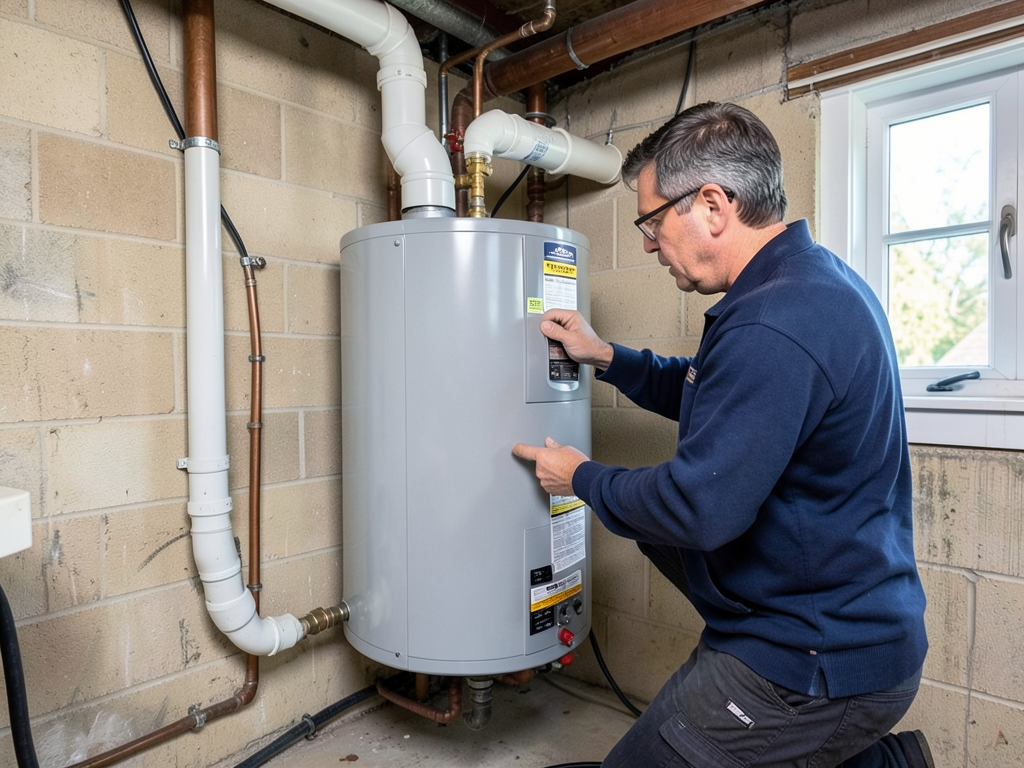
Why Your High-Efficiency Water Heater Needs a Power Vent Through the Side Wall
Modern high-efficiency water heaters in Greenwich homes require power venting through side walls because traditional chimney venting simply cannot handle the lower exhaust temperatures these units produce. When you upgrade from an old atmospheric water heater, you’re not just swapping appliances—you’re changing your home’s entire venting system. The combustion process in high-efficiency units extracts so much heat that exhaust gases exit at temperatures too cool to create the natural draft needed for chimney venting.. Read more about How to Fix Water That Is Scalding Hot in Your Old Greenwich Bathroom.
Power venting solves this by using a motorized blower to push exhaust gases through PVC pipes directly through your home’s exterior wall. This system provides reliable venting regardless of chimney condition, roof configuration, or home age—making it the standard solution for Greenwich homeowners upgrading their water heating systems in 2026. The Most Reliable Drain Cleaning Services in Old Greenwich.
Understanding the Power Vent Difference
Traditional atmospheric water heaters rely on the natural buoyancy of hot gases to vent through metal flues and chimneys. High-efficiency units operate differently. They use a sealed combustion chamber and a motorized blower to actively push exhaust gases through PVC piping. This fundamental difference means your new water heater needs dedicated electrical power and a new vent path through your home’s exterior.. Read more about Why Your Backcountry Water Heater Sounds Like It Is Full of Popping Popcorn.
The power vent system includes several key components: a draft inducer blower, a sealed combustion chamber, and PVC venting pipes. The blower creates positive pressure that forces exhaust gases through the vent system, eliminating concerns about backdrafting or inadequate draft that plague older chimney systems.
Why Greenwich Homes Specifically Need Power Venting
Greenwich’s coastal climate and architectural diversity create unique challenges for water heater venting. Many historic homes in Old Greenwich and Riverside were built before modern building codes required dedicated combustion air supplies. These homes often have tight basement spaces where traditional atmospheric heaters struggle to get adequate air for combustion.. Read more about Getting Hot Water Faster in Large Greenwich Homes with Recirculation Pumps.
The high water table in coastal Greenwich areas means many homes have slab foundations or basements with limited vertical clearance. Power venting eliminates the need for vertical chimney runs, making it ideal for these constrained spaces. Additionally, Greenwich’s freeze-thaw cycles can damage older masonry chimneys, making power venting a more reliable long-term solution.
The Technical Requirements for Power Vent Installation
Power vent installation requires specific technical considerations that go beyond simply swapping appliances. The system needs a dedicated 120-volt electrical circuit with GFCI protection, as required by the National Electrical Code Article 422. This means your utility closet may need electrical modifications if it doesn’t already have power.
Vent pipe routing presents another challenge. PVC pipes must maintain proper slope—typically 1/4 inch per foot toward the water heater—to ensure condensate drains back to the unit. The termination point must be positioned to prevent exhaust recirculation and comply with local building codes regarding clearance from windows, doors, and property lines.
Permit Requirements and Building Code Compliance
Greenwich Building Division requires permits for power vent water heater installations under Connecticut State Building Code Section 501.3. The permit process ensures your installation meets safety standards for gas connections, electrical wiring, and vent termination. Local inspectors verify that PVC venting materials meet ASTM standards and that termination clearances comply with manufacturer specifications. Connecticut State Building Code.
The permitting process also addresses carbon monoxide safety. Power vent systems must include proper venting to prevent exhaust gases from entering living spaces. Inspectors check for adequate combustion air supply and verify that the vent termination location won’t allow exhaust to re-enter the home through windows or HVAC intakes.
Energy Efficiency Benefits Beyond Venting
High-efficiency power vent water heaters offer significant energy savings compared to atmospheric models. These units typically achieve Energy Factor ratings of 0.62 to 0.70, compared to 0.58 to 0.60 for standard efficiency models. This translates to lower utility bills and reduced environmental impact. Energy Department water heating guide.
The sealed combustion design also improves indoor air quality by preventing backdrafting of combustion gases. This is particularly important in tightly sealed Greenwich homes where traditional atmospheric heaters might struggle to maintain proper draft during cold weather or when exhaust fans are operating.
Common Installation Challenges in Greenwich
Greenwich’s varied housing stock presents unique installation challenges. Historic homes in the Back Country area often have limited utility closet space, requiring creative vent routing solutions. Some properties need exterior wall modifications to accommodate vent termination, which must be carefully executed to maintain the home’s aesthetic integrity.
Hard water in Greenwich can affect power vent longevity. The local water supply contains minerals that can accumulate in the heat exchanger and affect system efficiency. Regular maintenance, including annual flushing and anode rod inspection, becomes even more critical with power vent systems to ensure optimal performance.
Cost Factors for Greenwich Homeowners
Power vent installation costs in Fairfield County typically range higher than atmospheric heater replacements due to the additional electrical work and venting modifications required. Labor rates in Greenwich reflect the area’s higher cost of living, and permit fees add to the overall project cost.
However, these upfront costs are offset by long-term energy savings and the elimination of costly chimney repairs that older atmospheric systems might require. Many Greenwich homeowners find that power venting provides better value over the system’s lifetime, especially when factoring in energy efficiency gains. Why We Are the Top Rated Pipe Repair Specialists in Byram.
Noise Considerations for Residential Areas
Power vent blowers generate operational noise that homeowners should consider, especially in quiet residential neighborhoods like Old Greenwich and Riverside. Modern units include sound-dampening features, but strategic placement remains important. Vent termination locations should be chosen to minimize noise impact on outdoor living spaces and neighboring properties.
Manufacturers offer various blower motor options with different noise ratings measured in sones. Lower sone ratings indicate quieter operation, which can be important for homes with bedrooms or living spaces near the utility area.
Maintenance Requirements for Power Vent Systems
Power vent systems require specific maintenance to ensure reliable operation. The blower motor needs periodic inspection for wear, and the PVC venting should be checked annually for cracks or blockages. The condensate drain line requires cleaning to prevent backups that could damage the unit.
Greenwich’s coastal environment means salt air can affect exterior vent components. Stainless steel termination kits offer better corrosion resistance than standard PVC, though at higher initial cost. Regular inspection of exterior components helps prevent premature failure in coastal areas.
Emergency Replacement Considerations
When your existing water heater fails unexpectedly, power vent conversion can often be completed within 24-48 hours in Greenwich, assuming permits are obtained promptly. Emergency replacement services prioritize restoring hot water while ensuring all safety requirements are met. Emergency Plumbers in Greenwich Who Actually Answer the Phone at 3 AM.
Having a licensed plumber familiar with Greenwich’s specific requirements can expedite emergency installations. Local professionals understand the permitting process and can navigate any challenges unique to your property’s configuration. Emergency Sewer Backup Cleanup.
Frequently Asked Questions
Can I install a power vent water heater myself?
Power vent installations require professional expertise due to gas line connections, electrical work, and permit requirements. Connecticut state law requires licensed plumbers for gas appliance installations, and improper venting can create dangerous carbon monoxide risks. Expert Boiler Repair for Historic Greenwich Homes.
How long does power vent installation take?
Standard power vent installation typically requires 4-6 hours for a straightforward replacement. Complex installations involving electrical upgrades or difficult vent routing may take 1-2 days. Emergency replacements can often be completed within 24 hours.
Will power venting increase my utility bills?
Power vent systems use minimal electricity—typically less than $5 per month. The energy savings from higher efficiency water heating far outweigh this small electrical cost, resulting in lower overall utility bills compared to atmospheric models.
Ready to Upgrade Your Water Heater?
Don’t wait for your old water heater to fail. Call (475) 320-3733 today to schedule your power vent water heater consultation. Our Greenwich-licensed plumbers will assess your home’s specific needs, handle all permit requirements, and ensure your new system meets all local building codes.
Pick up the phone and call (475) 320-3733 before the next cold snap hits. We offer same-day emergency service throughout Greenwich, Riverside, Old Greenwich, and surrounding Fairfield County communities.
{
“@context”: “https://schema.org”,
“@type”: “BlogPosting”,
“headline”: “Why Your High-Efficiency Water Heater Needs a Power Vent Through the Side Wall”,
“description”: “Discover why modern high-efficiency water heaters in Greenwich require power venting through side walls instead of traditional chimneys. Learn about permits, codes, and installation.”,
“wordCount”: 1369,
“datePublished”: “2026-05-13T12:38:00.000Z”,
“dateModified”: “2026-05-13T12:38:00.000Z”,
“inLanguage”: “en-US”,
“mainEntityOfPage”: {
“@type”: “WebPage”,
“@id”: “https://unitedplumbinggreenwich.com”
},
“publisher”: {
“@type”: “LocalBusiness”,
“name”: “United Plumbing Greenwich”,
“url”: “https://unitedplumbinggreenwich.com”
},
“author”: {
“@type”: “Organization”,
“name”: “United Plumbing Greenwich”,
“url”: “https://unitedplumbinggreenwich.com”
},
“image”: {
“@type”: “ImageObject”,
“url”: “https://unitedplumbinggreenwich.com/wp-content/uploads/2026/03/why-your-high-efficiency-water-heater-needs-a-powe-1.png”
}
}
{
“@context”: “https://schema.org”,
“@type”: “Plumber”,
“name”: “United Plumbing Greenwich”,
“url”: “https://unitedplumbinggreenwich.com”,
“address”: {
“@type”: “PostalAddress”,
“addressLocality”: “Greenwich”
},
“areaServed”: {
“@type”: “City”,
“name”: “Greenwich”
}
}
{
“@context”: “https://schema.org”,
“@type”: “FAQPage”,
“mainEntity”: [
{
“@type”: “Question”,
“name”: “Can I install a power vent water heater myself?”,
“acceptedAnswer”: {
“@type”: “Answer”,
“text”: “Power vent installations require professional expertise due to gas line connections, electrical work, and permit requirements. Connecticut state law requires licensed plumbers for gas appliance installations, and improper venting can create dangerous carbon monoxide risks. Expert Boiler Repair for Historic Greenwich Homes.”
}
},
{
“@type”: “Question”,
“name”: “How long does power vent installation take?”,
“acceptedAnswer”: {
“@type”: “Answer”,
“text”: “Standard power vent installation typically requires 4-6 hours for a straightforward replacement. Complex installations involving electrical upgrades or difficult vent routing may take 1-2 days. Emergency replacements can often be completed within 24 hours.”
}
},
{
“@type”: “Question”,
“name”: “Will power venting increase my utility bills?”,
“acceptedAnswer”: {
“@type”: “Answer”,
“text”: “Power vent systems use minimal electricity—typically less than $5 per month. The energy savings from higher efficiency water heating far outweigh this small electrical cost, resulting in lower overall utility bills compared to atmospheric models.”
}
},
{
“@type”: “Question”,
“name”: “Ready to Upgrade Your Water Heater?”,
“acceptedAnswer”: {
“@type”: “Answer”,
“text”: “Don’t wait for your old water heater to fail. Call (475) 320-3733 today to schedule your power vent water heater consultation. Our Greenwich-licensed plumbers will assess your home’s specific needs, handle all permit requirements, and ensure your new system meets all local building codes.”
}
}
]
}
{
“@context”: “https://schema.org”,
“@type”: “BreadcrumbList”,
“itemListElement”: [
{
“@type”: “ListItem”,
“position”: 1,
“name”: “Home”,
“item”: “https://unitedplumbinggreenwich.com”
},
{
“@type”: “ListItem”,
“position”: 2,
“name”: “Blog”,
“item”: “https://unitedplumbinggreenwich.com/blog”
},
{
“@type”: “ListItem”,
“position”: 3,
“name”: “Why Your High-Efficiency Water Heater Needs a Power Vent Through the Side Wall”
}
]
}
{
“@context”: “https://schema.org”,
“@type”: “Service”,
“serviceType”: “Plumbing”,
“provider”: {
“@type”: “LocalBusiness”,
“name”: “United Plumbing Greenwich”,
“url”: “https://unitedplumbinggreenwich.com”
},
“areaServed”: {
“@type”: “City”,
“name”: “Greenwich”
},
“description”: “Discover why modern high-efficiency water heaters in Greenwich require power venting through side walls instead of traditional chimneys. Learn about permits, codes, and installation.”
}