
Why Your Kitchen Sink Gurgles When You Flush the Toilet
That gurgling sound from your kitchen sink when you flush the toilet isn’t just annoying—it’s your plumbing system crying for help. This noise happens when air pressure in your drain pipes gets disrupted, creating a vacuum effect that pulls water from your sink trap and lets sewer gases sneak into your home. The Most Reliable Drain Cleaning Services in Old Greenwich.
In Greenwich, this problem shows up frequently in both historic homes near Bruce Park and newer developments in Riverside. The underlying cause is usually the same: a blocked vent stack that prevents proper air circulation through your plumbing system. Plumbing Stamford.
Understanding why this happens requires knowing how your plumbing works. Every drain needs air to flow properly. When you flush, water rushes down and pushes air ahead of it. That air needs somewhere to go—usually up through the vent stack on your roof. When that path is blocked, the system creates its own escape route, often through your kitchen sink.
How Your Plumbing System Creates That Gurgling Sound
Think of your plumbing like a drinking straw. Cover the top with your finger and try to drink—nothing comes out because you’ve created a vacuum. Your plumbing works the same way. When the vent stack is blocked, flushing creates negative pressure that pulls water from nearby traps.
The gurgling happens when air bubbles force their way through the water in your sink trap. It sounds like your drain is trying to talk to you—and it is. It’s saying there’s a problem with the air balance in your system.
In Greenwich homes, this issue often appears worse during certain seasons. Fall brings leaf debris that clogs roof vents. Winter can freeze vent stacks shut. Spring rains increase water pressure in already compromised systems.
Common Causes of Sink Gurgling in Greenwich Homes
Blocked Plumbing Vent Stack
The most frequent culprit is debris in your vent stack. Leaves, twigs, and even bird nests can block the opening. In older Greenwich neighborhoods like Old Greenwich and Cos Cob, these vents were often installed without proper caps, making them prime targets for debris buildup.
Partial Sewer Line Clogs
When your main sewer line develops a partial blockage, water from a toilet flush can back up into other drains. The gurgling sound indicates air is being forced through water in your sink trap as it searches for an escape route.
Improper P-Trap Installation
If your sink trap wasn’t installed correctly or has developed a leak, it can’t maintain the water seal needed to block sewer gases. This makes gurgling more pronounced and can allow odors into your kitchen.
Air Admittance Valve Failure
Many newer Greenwich homes use air admittance valves (AAVs) instead of traditional vent stacks. These one-way valves can fail over time, especially in humid coastal environments where salt air accelerates corrosion.
Why Greenwich Homes Are Particularly Vulnerable
Greenwich’s unique combination of historic architecture and coastal climate creates specific plumbing challenges. Many homes near Greenwich Avenue were built before modern plumbing codes required proper venting systems. These older homes often have undersized or improperly sloped drain lines.
The high water table in areas like Riverside and Old Greenwich puts extra pressure on drainage systems. When groundwater levels rise during spring rains, it can force its way into compromised plumbing lines, making gurgling sounds more frequent and pronounced.
Historic homes in the Back Country area often have cast iron pipes that corrode from the inside out. This corrosion creates rough surfaces where debris catches, leading to partial blockages that cause gurgling without completely stopping drainage.
According to the Connecticut State Building Code Section P3101, all plumbing fixtures must have proper venting to prevent trap siphonage. Many Greenwich homes were grandfathered in under older codes, but current standards require specific vent sizing and placement that some older systems don’t meet. Connecticut State Building Code.
DIY Diagnostic Steps for Greenwich Homeowners
Before calling a professional, you can perform several safe checks to identify the problem. Start by examining your roof vent from the ground using binoculars. Look for visible debris, bird nests, or signs of damage. Never climb onto your roof—Greenwich’s coastal winds make roof work dangerous.
Check all your drains for slow drainage. If multiple fixtures are slow, you likely have a main line issue rather than a simple vent blockage. Run water in your sink and listen for gurgling in other drains—this helps isolate whether the problem is localized or system-wide.
Test your air admittance valves if you have them. These are usually located under sinks and have a visible cap. If the cap moves when you flush, the valve is working. If it’s stuck or missing, replacement is needed.
Listen for sewer gas odors. If you smell rotten eggs near your sink, the trap may have been siphoned dry or the AAV has failed completely. This is a health hazard requiring immediate attention.
When to Call a Professional Plumber in Greenwich
Call immediately if you smell sewer gas. Hydrogen sulfide from sewer gases can cause headaches, nausea, and in severe cases, respiratory issues. This isn’t just a plumbing problem—it’s a health emergency. Emergency Plumbers in Greenwich Who Actually Answer the Phone at 3 AM.
Contact a professional if gurgling is accompanied by slow drains throughout your home. This indicates a main line blockage that requires specialized equipment like hydro-jetting or camera inspection to diagnose and fix properly.
Professional help is needed when DIY methods fail. If you’ve cleaned visible vent debris and the problem persists, the blockage may be deeper in the system where homeowner tools can’t reach.
Greenwich’s building department requires permits for most plumbing modifications. A licensed local plumber knows current codes and can ensure any repairs meet Connecticut State Building Code requirements, preventing future issues and maintaining your home’s value. EPA Sewer System Information.
Professional Solutions for Gurgling Drains
Hydro-jetting uses high-pressure water to clear blockages from your main sewer line. This method is particularly effective in Greenwich where tree roots often infiltrate older clay pipes. The process scours pipe walls clean, preventing future buildup.
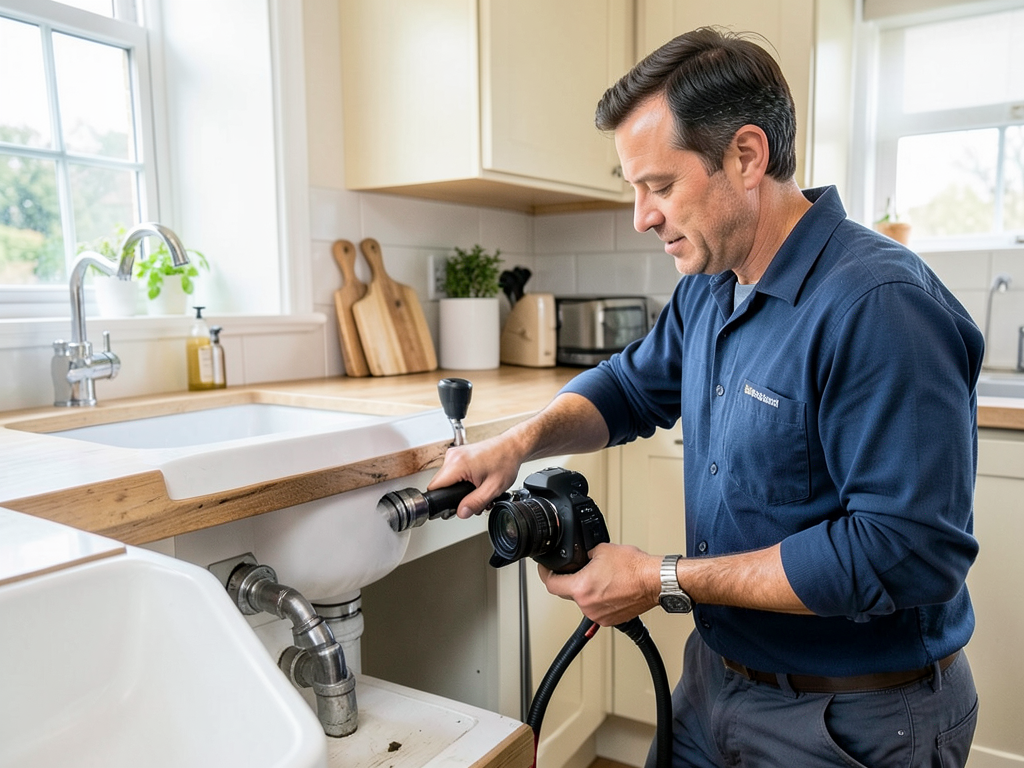
Video camera inspection allows plumbers to see exactly what’s blocking your system. In Greenwich’s historic districts, this technology helps identify whether problems are caused by collapsed pipes, root intrusion, or debris buildup without destructive exploratory digging.
Vent stack cleaning involves removing debris from your roof vent and ensuring proper airflow. Professionals use specialized brushes and vacuums to clear blockages safely, then install protective caps to prevent future debris accumulation.
AAV replacement or installation provides a modern solution for homes where traditional venting is impractical. These valves allow air in but prevent sewer gases from escaping, solving gurgling issues without major structural modifications.
The Cost of Ignoring Gurgling Sounds
Minor gurgling that comes and goes might seem harmless, but it’s often the first sign of developing plumbing problems. What starts as an occasional noise can escalate to complete drain blockages, sewage backups, or dangerous gas leaks.
In Greenwich’s older homes, delayed repairs can lead to catastrophic failures. A small blockage in a 75-year-old cast iron pipe can suddenly become a complete collapse, requiring extensive excavation and replacement of multiple plumbing sections. Why We Are the Top Rated Pipe Repair Specialists in Byram.
The coastal environment accelerates pipe corrosion. What might be a simple fix in inland areas becomes more complex in Greenwich where salt air and high humidity speed deterioration of plumbing components.
Insurance companies often deny claims for water damage caused by neglected maintenance. Regular plumbing inspections can identify potential problems before they cause expensive damage to your home’s structure or finishes.
Preventing Future Gurgling Issues
Annual plumbing inspections catch problems early. A professional can check vent stacks, test drain flow rates, and inspect visible pipes for signs of corrosion or damage before minor issues become major repairs.
Install vent stack guards to prevent debris accumulation. These simple screens keep leaves and animals out while allowing proper airflow. They’re particularly useful in wooded Greenwich neighborhoods where falling debris is constant.
Be mindful of what goes down your drains. Grease, coffee grounds, and fibrous materials can create partial blockages that cause gurgling. Even with proper venting, these materials can accumulate and restrict flow over time.
Consider whole-house plumbing assessments if your home is over 30 years old. Greenwich’s mix of historic and newer construction means many homes have plumbing systems that don’t meet current efficiency and safety standards.
Greenwich-Specific Plumbing Considerations
Greenwich’s proximity to Long Island Sound means high humidity levels year-round. This moisture accelerates corrosion in metal plumbing components and creates ideal conditions for mold growth around compromised drain lines.
The area’s freeze-thaw cycles in winter can cause vent stack damage. Water trapped in small cracks expands when frozen, creating larger openings that allow debris entry and reduce venting efficiency.
Many Greenwich homes sit on rocky soil that makes excavation difficult. When major repairs are needed, the challenging terrain can increase labor costs and project timelines compared to areas with softer soil.
The town’s historic preservation guidelines sometimes limit exterior modifications to visible plumbing components. This means repairs must balance modern functionality with aesthetic requirements, often requiring creative solutions from experienced local plumbers.
Comparing DIY vs. Professional Solutions
| Solution Type | Cost Range | Success Rate | Time Required | Best For |
|---|---|---|---|---|
| DIY Vent Cleaning | $0-50 | 30% | 1-2 hours | Visible debris only |
| Plumber Snaking | $150-300 | 70% | 2-4 hours | Local blockages |
| Hydro-jetting | $400-800 | 95% | 4-6 hours | Main line issues |
| Camera Inspection | $200-400 | N/A | 1-2 hours | Diagnosis only |
Frequently Asked Questions
Is gurgling from my sink dangerous?
Yes, it can be. Gurgling indicates air pressure problems in your plumbing system that can allow sewer gases to enter your home. These gases contain harmful compounds like hydrogen sulfide that can cause health issues. If you smell rotten eggs along with gurgling, call a professional immediately.
How much does it cost to fix a gurgling sink in Greenwich?
Costs vary based on the underlying cause. Simple vent cleaning might cost $150-300, while main line hydro-jetting typically runs $400-800. Camera inspections to diagnose the problem cost $200-400. Most Greenwich homeowners spend between $300-600 for complete repairs.
Can I fix gurgling myself?
You can try cleaning visible vent debris from the ground and checking for obvious blockages. However, most gurgling issues require professional tools and expertise to fix properly. DIY attempts often provide temporary relief but don’t address underlying problems that will return. Expert Boiler Repair for Historic Greenwich Homes.
How long can I wait to fix a gurgling sink?
Don’t wait. Gurgling indicates developing problems that typically worsen over time. What starts as occasional noise can escalate to complete blockages or sewage backups within weeks or months. Early intervention prevents more expensive emergency repairs.
Will gurgling stop if I just plunge my toilet?
Plunging might temporarily stop gurgling by forcing air through the system, but it won’t fix the underlying cause. The problem will return with the next toilet flush. Plunging is a temporary workaround, not a solution.
Diagnostic Test: The Plumber’s Sound Check
Professional plumbers use a specific diagnostic method that you can try at home. Start by running water in your sink for 30 seconds while someone else flushes the toilet. Listen carefully for changes in the gurgling sound.
If the gurgling gets louder when water runs in the sink, you likely have a vent stack blockage. The running water increases pressure in the drain system, making the vacuum effect more pronounced.
If gurgling happens in multiple fixtures when any single drain is used, you probably have a main line issue. This requires professional diagnosis with camera equipment to locate the blockage.
The sound test helps narrow down whether you’re dealing with a simple vent blockage or a more serious main line problem, helping you decide between DIY attempts and professional service.
Local Plumbing Code Requirements
Connecticut State Building Code Section P3105 requires all plumbing fixtures to have proper venting to prevent trap siphonage. The code specifies minimum vent pipe sizes based on fixture units and maximum distances from traps to vents.
Greenwich’s local amendments often require larger vent stacks than state minimums due to the area’s high water table and frequent freeze-thaw cycles. These local requirements help prevent the very issues that cause gurgling sounds.
Air admittance valves, while convenient, must meet specific standards and are often prohibited in commercial buildings under local code. Understanding these requirements helps homeowners make informed decisions about repair options.
Permits are required for most plumbing modifications in Greenwich. Working with a licensed local plumber ensures all repairs meet current code requirements and pass necessary inspections.
Take Action Before the Problem Worsens
That gurgling sound isn’t going to fix itself. Each time you hear it, your plumbing system is telling you something is wrong. The longer you wait, the more likely you’ll face expensive emergency repairs or health hazards from sewer gas exposure.
Greenwich homeowners who address gurgling issues early typically spend less on repairs and avoid the inconvenience of complete system failures. A simple $300 vent cleaning today prevents a $2,000 emergency service call next month.
Don’t let a minor annoyance become a major problem. Pick up the phone and call (475) 320-3733 today to schedule your inspection. Our experienced Greenwich plumbers can diagnose the issue quickly and provide lasting solutions that keep your drains flowing quietly and your family safe from harmful gases.
Call (475) 320-3733 now before the next toilet flush turns that gurgle into a backup. Your plumbing system is trying to tell you something—make sure you’re listening before it’s too late.
{
“@context”: “https://schema.org”,
“@type”: “BlogPosting”,
“headline”: “Why Your Kitchen Sink Gurgles When You Flush the Toilet”,
“description”: “That gurgling noise means your plumbing vents are blocked. Learn why it happens in Greenwich homes and how to fix it before sewer gas enters your house.”,
“wordCount”: 2255,
“datePublished”: “2026-04-12T09:32:00.000Z”,
“dateModified”: “2026-04-12T09:32:00.000Z”,
“inLanguage”: “en-US”,
“mainEntityOfPage”: {
“@type”: “WebPage”,
“@id”: “https://unitedplumbinggreenwich.com”
},
“publisher”: {
“@type”: “LocalBusiness”,
“name”: “United Plumbing Greenwich”,
“url”: “https://unitedplumbinggreenwich.com”
},
“author”: {
“@type”: “Organization”,
“name”: “United Plumbing Greenwich”,
“url”: “https://unitedplumbinggreenwich.com”
},
“image”: {
“@type”: “ImageObject”,
“url”: “https://unitedplumbinggreenwich.com/wp-content/uploads/2026/03/why-your-kitchen-sink-gurgles-when-you-flush-the-t-1.png”
}
}
{
“@context”: “https://schema.org”,
“@type”: “Plumber”,
“name”: “United Plumbing Greenwich”,
“url”: “https://unitedplumbinggreenwich.com”,
“address”: {
“@type”: “PostalAddress”,
“addressLocality”: “Greenwich”
},
“areaServed”: {
“@type”: “City”,
“name”: “Greenwich”
}
}
{
“@context”: “https://schema.org”,
“@type”: “FAQPage”,
“mainEntity”: [
{
“@type”: “Question”,
“name”: “Is gurgling from my sink dangerous?”,
“acceptedAnswer”: {
“@type”: “Answer”,
“text”: “Yes, it can be. Gurgling indicates air pressure problems in your plumbing system that can allow sewer gases to enter your home. These gases contain harmful compounds like hydrogen sulfide that can cause health issues. If you smell rotten eggs along with gurgling, call a professional immediately.”
}
},
{
“@type”: “Question”,
“name”: “How much does it cost to fix a gurgling sink in Greenwich?”,
“acceptedAnswer”: {
“@type”: “Answer”,
“text”: “Costs vary based on the underlying cause. Simple vent cleaning might cost $150-300, while main line hydro-jetting typically runs $400-800. Camera inspections to diagnose the problem cost $200-400. Most Greenwich homeowners spend between $300-600 for complete repairs.”
}
},
{
“@type”: “Question”,
“name”: “Can I fix gurgling myself?”,
“acceptedAnswer”: {
“@type”: “Answer”,
“text”: “You can try cleaning visible vent debris from the ground and checking for obvious blockages. However, most gurgling issues require professional tools and expertise to fix properly. DIY attempts often provide temporary relief but don’t address underlying problems that will return. Expert Boiler Repair for Historic Greenwich Homes.”
}
},
{
“@type”: “Question”,
“name”: “How long can I wait to fix a gurgling sink?”,
“acceptedAnswer”: {
“@type”: “Answer”,
“text”: “Don’t wait. Gurgling indicates developing problems that typically worsen over time. What starts as occasional noise can escalate to complete blockages or sewage backups within weeks or months. Early intervention prevents more expensive emergency repairs.”
}
},
{
“@type”: “Question”,
“name”: “Will gurgling stop if I just plunge my toilet?”,
“acceptedAnswer”: {
“@type”: “Answer”,
“text”: “Plunging might temporarily stop gurgling by forcing air through the system, but it won’t fix the underlying cause. The problem will return with the next toilet flush. Plunging is a temporary workaround, not a solution.”
}
}
]
}
{
“@context”: “https://schema.org”,
“@type”: “BreadcrumbList”,
“itemListElement”: [
{
“@type”: “ListItem”,
“position”: 1,
“name”: “Home”,
“item”: “https://unitedplumbinggreenwich.com”
},
{
“@type”: “ListItem”,
“position”: 2,
“name”: “Blog”,
“item”: “https://unitedplumbinggreenwich.com/blog”
},
{
“@type”: “ListItem”,
“position”: 3,
“name”: “Why Your Kitchen Sink Gurgles When You Flush the Toilet”
}
]
}
{
“@context”: “https://schema.org”,
“@type”: “Service”,
“serviceType”: “Plumbing”,
“provider”: {
“@type”: “LocalBusiness”,
“name”: “United Plumbing Greenwich”,
“url”: “https://unitedplumbinggreenwich.com”
},
“areaServed”: {
“@type”: “City”,
“name”: “Greenwich”
},
“description”: “That gurgling noise means your plumbing vents are blocked. Learn why it happens in Greenwich homes and how to fix it before sewer gas enters your house.”
}