
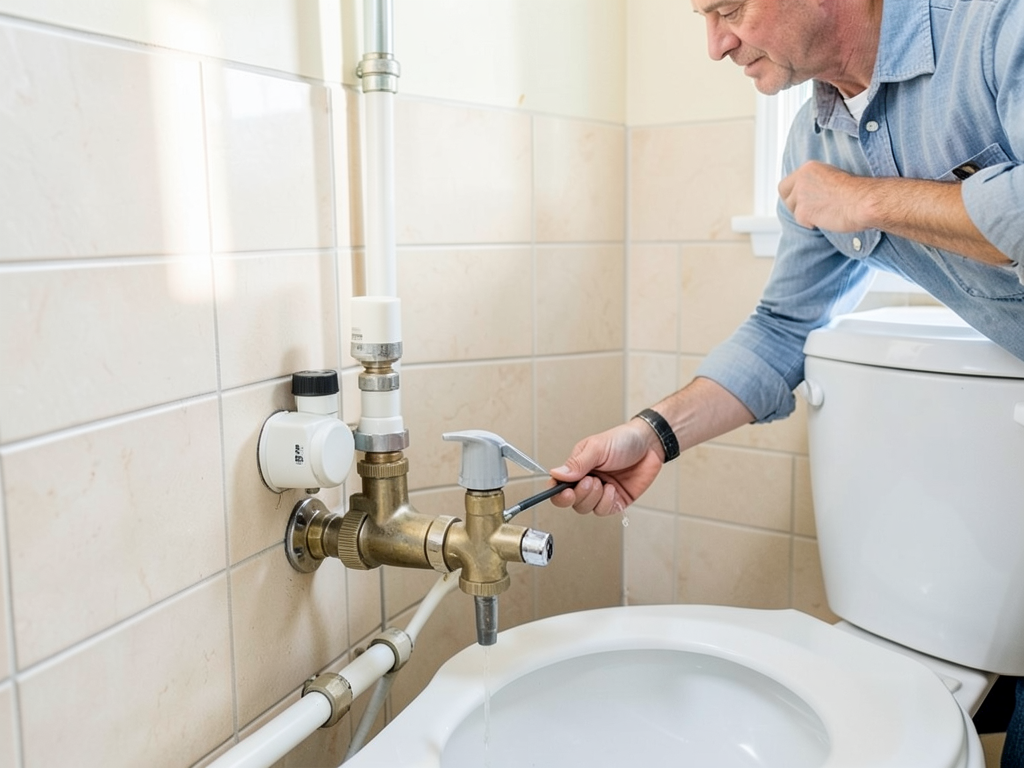
Why Your Toilet Is Sweating and Leaving Puddles on Your Cos Cob Bathroom Floor
Finding puddles around your toilet base is alarming. You might think you have a leak, but those water droplets on the tank could be condensation. This happens when cold water inside the tank meets warm, humid bathroom air. In Cos Cob, where summer humidity often exceeds 70%, this is a common problem that can damage your bathroom floor if ignored. Overflowing Toilet Repair.
The good news is you can diagnose and fix this issue. This guide explains why your toilet sweats, how to tell if it’s condensation or a leak, and what solutions work best for Greenwich homes.
Understanding Toilet Tank Condensation
Condensation forms when warm, moist air contacts a cold surface. Your toilet tank holds cold water from your supply line. When humid bathroom air touches the cold porcelain, moisture forms on the outside. This is the same process that creates water droplets on a cold glass of water on a hot day.
In Cos Cob, several factors make this worse. Many homes use well water, which stays cold year-round. Coastal Connecticut summers bring high humidity. Bathrooms often lack proper ventilation. These conditions create the perfect environment for toilet sweating.
According to the EPA’s WaterSense program, bathroom humidity levels above 60% significantly increase condensation risks on cold plumbing fixtures. In coastal areas like Cos Cob, relative humidity often reaches 75-80% during summer months. Plumbing Stamford.
Is It a Leak or Condensation?
Before fixing anything, you need to know what you’re dealing with. A leaking toilet wastes water and causes different damage than condensation. Here’s how to tell the difference. Fixing a Persistent Clog in Your Glenville Kitchen Sink.
The paper towel test is simple. Dry the outside of your toilet tank completely with paper towels. Wait 30 minutes without using the toilet. Check the paper towels. If they’re wet again, you likely have condensation. If they stay dry, you might have a leak.
Another sign is the location of moisture. Condensation appears all over the tank surface. A leak usually shows up at the base, around the supply line, or from the tank-to-bowl connection.
Check your water meter too. For a true leak, the meter will show water usage even when no fixtures are running. Condensation doesn’t affect your water meter.
According to Connecticut State Building Code Section P2904.5, all toilet installations must prevent water damage to surrounding structures. This makes proper diagnosis important for both your home and code compliance.
3 Immediate Solutions for Toilet Tank Sweat
You can try several DIY fixes before calling a plumber. These solutions range from simple to more involved.
First, improve bathroom ventilation. Run your exhaust fan during and after showers. If you don’t have a fan, crack a window. The goal is reducing bathroom humidity below 60%. According to ASHRAE Standard 62.1, bathrooms need at least 50 cubic feet per minute of exhaust ventilation.
Second, install a toilet tank liner kit. These foam insulation sheets stick to the inside of your tank. They prevent cold water from chilling the porcelain exterior. Most kits cost under $20 and install in about 30 minutes.
Third, check your toilet flapper. A leaking flapper causes your tank to refill constantly with cold water. This keeps the tank cold and promotes more condensation. Replace the flapper if it’s worn or doesn’t seal properly.
These fixes work best when humidity is moderate. In Cos Cob’s coastal climate, you might need more permanent solutions.
Professional Plumbing Upgrades for a Permanent Fix
For chronic condensation problems, professional solutions offer lasting results. These upgrades address the root cause rather than just the symptoms.
A mixing valve, also called an anti-sweat valve, mixes hot and cold water before it enters your toilet tank. This raises the water temperature slightly, preventing condensation. The valve installs on your supply line and costs $150-300 installed.
According to the International Plumbing Code Section 604.8, mixing valves must maintain water temperature between 50-80°F for toilet supply lines. This prevents both scalding and freezing while reducing condensation.
Another option is a factory-insulated toilet tank. These tanks have built-in foam insulation that prevents exterior condensation. When replacing your toilet, choose a model with this feature. High-efficiency toilets often include better insulation.
For historic Cos Cob homes with original hardwood floors, these professional solutions protect your investment. Water damage from chronic condensation can cost thousands in floor repairs. Why We Are the Top Rated Pipe Repair Specialists in Byram.
Learn more about protecting historic Greenwich plumbing systems
Protecting Your Greenwich Home from Water Damage
Chronic toilet condensation does more than create puddles. It can damage your bathroom floor, promote mold growth, and compromise subfloor integrity.
Hardwood floors are especially vulnerable. Water seeping between floorboards causes warping, cupping, and eventual rot. In Cos Cob’s historic homes, original hardwood flooring can cost $15-25 per square foot to replace.
Tile floors aren’t immune either. Water can penetrate grout lines and damage the subfloor underneath. Signs of subfloor damage include soft spots, bouncy floors, and visible mold growth in cabinet toe-kicks.
The CDC reports that persistent moisture in bathrooms increases mold growth risk by 300%. Mold exposure can cause respiratory issues, especially in children and elderly residents.
Consider a moisture meter test if you suspect hidden damage. These devices measure moisture content in wood and drywall. Readings above 16% indicate active moisture problems requiring professional attention.
According to FEMA guidelines, bathrooms should maintain relative humidity below 50% to prevent structural damage and mold growth. This is challenging in coastal Connecticut without proper ventilation or dehumidification.
Frequently Asked Questions
Does a sweating toilet cause mold?
Yes. Constant moisture creates ideal conditions for mold growth. Bathroom mold often appears as black spots on grout, caulk, or wall surfaces near the toilet. Mold can spread to adjacent walls and cabinets if moisture persists.
Why is my toilet sweating in the winter?
Winter condensation happens when cold well water enters a warm bathroom. Even with lower outdoor humidity, the temperature difference between cold supply water and warm indoor air causes condensation. This is common in Connecticut homes using well water year-round.
How much does a mixing valve cost to install?
A mixing valve installation typically costs $150-300, including parts and labor. The valve itself costs $50-100. Installation complexity varies based on your existing plumbing configuration and whether you need to modify supply lines.
Can I use a dehumidifier instead of fixing the toilet?
A dehumidifier can reduce bathroom humidity and minimize condensation. However, it’s a temporary solution that increases your electric bill. For chronic problems, fixing the underlying cause is more cost-effective long-term.
Will a new toilet solve my condensation problem?
A new toilet with factory insulation can help, but won’t eliminate condensation if humidity remains high. For best results, combine a new insulated toilet with improved ventilation or a mixing valve installation.
When to Call a Professional Plumber
DIY solutions work for minor condensation. Call a professional when you notice these signs:
- Persistent puddles despite ventilation improvements
- Soft or bouncy bathroom floors
- Visible mold growth around the toilet
- High water bills suggesting a hidden leak
- Condensation on multiple fixtures throughout your home
Professional plumbers use diagnostic tools like infrared thermometers to measure surface temperatures and moisture meters to detect hidden water damage. They can also test your water supply temperature and recommend appropriate solutions. Emergency Plumbers in Greenwich Who Actually Answer the Phone at 3 AM.
In Cos Cob’s humid coastal climate, professional solutions often provide better long-term value than repeated DIY fixes. The cost of floor replacement or mold remediation far exceeds preventive plumbing upgrades.
Cost Comparison: DIY vs Professional Solutions
| Solution | Cost Range | Effectiveness | Installation Time |
|---|---|---|---|
| Toilet Tank Liner Kit | $15-25 | Moderate | 30 minutes |
| Exhaust Fan Installation | $150-400 | High | 2-4 hours |
| Mixing Valve Installation | $150-300 | Very High | 1-2 hours |
| Factory-Insulated Toilet | $300-800 | High | 1-2 hours |
| Complete System Upgrade | $500-1,200 | Excellent | 4-8 hours |
According to the EPA’s WaterSense program, fixing plumbing issues promptly can save homeowners up to 10% on water bills while preventing costly water damage repairs.
Preventing Future Problems
Once you’ve solved your condensation issue, take steps to prevent it from returning. Monitor bathroom humidity with a hygrometer. These devices cost under $20 and help you maintain optimal humidity levels.
Clean your exhaust fan regularly. Dust buildup reduces efficiency by up to 50%. Replace the fan if it’s more than 10 years old or makes unusual noises.
Check your toilet’s internal components annually. Replace flappers, fill valves, and other parts before they fail. This prevents both leaks and excessive condensation from constant cold water refilling.
Consider whole-house dehumidification if you live in a particularly humid area of Cos Cob. These systems work with your HVAC to maintain consistent humidity levels throughout your home.
Learn about our comprehensive plumbing maintenance services
Local Climate Considerations
Cos Cob’s coastal location creates unique plumbing challenges. The Long Island Sound moderates temperatures but increases humidity. Summer dew points often exceed 70°F, creating ideal conditions for toilet condensation.
According to the National Weather Service, Fairfield County experiences an average of 45-50 inches of precipitation annually. This moisture contributes to high indoor humidity levels, especially in poorly ventilated bathrooms.
Many Cos Cob homes were built before modern building codes required bathroom exhaust fans. These older homes are more susceptible to moisture problems. The Connecticut State Building Code now requires exhaust fans in all new bathroom construction.
Well water in the Cos Cob area typically stays between 45-55°F year-round. This cold water temperature, combined with warm humid air, creates perfect condensation conditions on toilet tanks.
Local geology also plays a role. Cos Cob’s proximity to the coast means higher water tables in some areas. This can increase basement and bathroom humidity levels, exacerbating condensation problems.
Final Thoughts
Toilet tank condensation is more than a nuisance. It’s a sign of environmental conditions that can damage your home if left unaddressed. In Cos Cob’s humid coastal climate, this problem affects many homeowners.
The solution depends on your specific situation. Simple DIY fixes work for occasional condensation. Professional solutions provide lasting relief for chronic problems. The key is proper diagnosis to distinguish between condensation and actual leaks.
Don’t let toilet sweating damage your beautiful Cos Cob bathroom. Whether you need a simple fix or a complete system upgrade, addressing the problem promptly protects your home and your health.
Call (475) 320-3733 today to schedule your inspection. Our experienced plumbers will diagnose your condensation problem and recommend the most cost-effective solution for your Cos Cob home.
Pick up the phone and call (475) 320-3733 before the next humid summer day turns your bathroom into a water park. We’re ready to help you stop toilet sweating for good.
Additional Resources
For more information about bathroom moisture control and plumbing maintenance, visit these trusted sources:
- EPA WaterSense Program – Water efficiency and conservation tips
- ASHRAE Standards – Indoor air quality and ventilation guidelines
- CDC Mold Information – Health effects and prevention strategies
Proper diagnosis and timely repairs protect your Cos Cob home from water damage and mold growth. Don’t wait until you have costly repairs to address toilet condensation.
{
“@context”: “https://schema.org”,
“@type”: “BlogPosting”,
“headline”: “Why Your Toilet Is Sweating and Leaving Puddles on Your Cos Cob Bathroom Floor”,
“description”: “Toilet tank condensation in Cos Cob is caused by cold water meeting humid air. Learn how to diagnose, fix, and prevent floor damage in your Greenwich home.”,
“wordCount”: 1851,
“datePublished”: “2026-05-25T13:41:00.000Z”,
“dateModified”: “2026-05-25T13:41:00.000Z”,
“inLanguage”: “en-US”,
“mainEntityOfPage”: {
“@type”: “WebPage”,
“@id”: “https://unitedplumbinggreenwich.com”
},
“publisher”: {
“@type”: “LocalBusiness”,
“name”: “United Plumbing Greenwich”,
“url”: “https://unitedplumbinggreenwich.com”
},
“author”: {
“@type”: “Organization”,
“name”: “United Plumbing Greenwich”,
“url”: “https://unitedplumbinggreenwich.com”
},
“image”: {
“@type”: “ImageObject”,
“url”: “https://unitedplumbinggreenwich.com/wp-content/uploads/2026/03/why-your-toilet-is-sweating-and-leaving-puddles-on-1.png”
}
}
{
“@context”: “https://schema.org”,
“@type”: “Plumber”,
“name”: “United Plumbing Greenwich”,
“url”: “https://unitedplumbinggreenwich.com”,
“address”: {
“@type”: “PostalAddress”,
“addressLocality”: “Greenwich”
},
“areaServed”: {
“@type”: “City”,
“name”: “Greenwich”
}
}
{
“@context”: “https://schema.org”,
“@type”: “FAQPage”,
“mainEntity”: [
{
“@type”: “Question”,
“name”: “Is It a Leak or Condensation?”,
“acceptedAnswer”: {
“@type”: “Answer”,
“text”: “Before fixing anything, you need to know what you’re dealing with. A leaking toilet wastes water and causes different damage than condensation. Here’s how to tell the difference. Fixing a Persistent Clog in Your Glenville Kitchen Sink.”
}
},
{
“@type”: “Question”,
“name”: “Does a sweating toilet cause mold?”,
“acceptedAnswer”: {
“@type”: “Answer”,
“text”: “Yes. Constant moisture creates ideal conditions for mold growth. Bathroom mold often appears as black spots on grout, caulk, or wall surfaces near the toilet. Mold can spread to adjacent walls and cabinets if moisture persists.”
}
},
{
“@type”: “Question”,
“name”: “Why is my toilet sweating in the winter?”,
“acceptedAnswer”: {
“@type”: “Answer”,
“text”: “Winter condensation happens when cold well water enters a warm bathroom. Even with lower outdoor humidity, the temperature difference between cold supply water and warm indoor air causes condensation. This is common in Connecticut homes using well water year-round.”
}
},
{
“@type”: “Question”,
“name”: “How much does a mixing valve cost to install?”,
“acceptedAnswer”: {
“@type”: “Answer”,
“text”: “A mixing valve installation typically costs $150-300, including parts and labor. The valve itself costs $50-100. Installation complexity varies based on your existing plumbing configuration and whether you need to modify supply lines.”
}
},
{
“@type”: “Question”,
“name”: “Can I use a dehumidifier instead of fixing the toilet?”,
“acceptedAnswer”: {
“@type”: “Answer”,
“text”: “A dehumidifier can reduce bathroom humidity and minimize condensation. However, it’s a temporary solution that increases your electric bill. For chronic problems, fixing the underlying cause is more cost-effective long-term.”
}
},
{
“@type”: “Question”,
“name”: “Will a new toilet solve my condensation problem?”,
“acceptedAnswer”: {
“@type”: “Answer”,
“text”: “A new toilet with factory insulation can help, but won’t eliminate condensation if humidity remains high. For best results, combine a new insulated toilet with improved ventilation or a mixing valve installation.”
}
}
]
}
{
“@context”: “https://schema.org”,
“@type”: “BreadcrumbList”,
“itemListElement”: [
{
“@type”: “ListItem”,
“position”: 1,
“name”: “Home”,
“item”: “https://unitedplumbinggreenwich.com”
},
{
“@type”: “ListItem”,
“position”: 2,
“name”: “Blog”,
“item”: “https://unitedplumbinggreenwich.com/blog”
},
{
“@type”: “ListItem”,
“position”: 3,
“name”: “Why Your Toilet Is Sweating and Leaving Puddles on Your Cos Cob Bathroom Floor”
}
]
}
{
“@context”: “https://schema.org”,
“@type”: “Service”,
“serviceType”: “Plumbing”,
“provider”: {
“@type”: “LocalBusiness”,
“name”: “United Plumbing Greenwich”,
“url”: “https://unitedplumbinggreenwich.com”
},
“areaServed”: {
“@type”: “City”,
“name”: “Greenwich”
},
“description”: “Toilet tank condensation in Cos Cob is caused by cold water meeting humid air. Learn how to diagnose, fix, and prevent floor damage in your Greenwich home.”
}