
The Essential Winterization Guide for Greenwich Shoreline Properties
Greenwich shoreline homeowners face a unique winter threat. When coastal temperatures drop below 20°F combined with high humidity from Long Island Sound, unprotected pipes can freeze in as little as 4-6 hours. The result? Burst pipes flooding your basement or crawl space with hundreds of gallons of water before you even know there’s a problem.. Read more about Keeping Your Basement Dry with Professional Sump Pump Installation in Riverside.
This guide covers everything you need to know about protecting your Greenwich shoreline property from winter pipe damage. We’ll explain the specific risks for coastal homes in Old Greenwich and Riverside, provide a step-by-step winterization checklist, and help you decide when professional help makes sense.. Read more about A Homeowner Guide to Choosing the Best Sump Pump for a Finished Basement.
Why Greenwich Shoreline Properties Face Greater Winterization Risks
Greenwich shoreline homes experience winter conditions that inland properties don’t. The combination of coastal moisture and freezing temperatures creates a perfect storm for pipe problems.. Read more about How to Stop Your Pipes from Freezing During a Greenwich Cold Snap.
Properties along the shoreline from Old Greenwich to Riverside sit at or below sea level. This means higher water tables that keep soil temperatures slightly warmer than inland areas. While this might seem beneficial, it actually creates more freeze-thaw cycles as temperatures fluctuate around the freezing point.
Older shoreline homes built before 1970 often have copper pipes running through uninsulated crawl spaces or exterior walls. These pipes are particularly vulnerable because they lack the modern insulation standards required by current Connecticut building codes. Connecticut Department of Energy and Environmental Protection.
According to the Connecticut Department of Energy and Environmental Protection, the first hard freeze in Greenwich typically occurs between November 15-25. This gives you a narrow window to complete winterization before temperatures drop below 32°F.. Read more about The Difference Between a Standard and a High Efficiency Boiler in Greenwich.
Essential Winterization Steps for Greenwich Shoreline Properties
Proper winterization involves more than just wrapping a few pipes. Here’s a comprehensive checklist specifically designed for Greenwich shoreline homes:
- Locate and Test Main Water Shut-off Valve
Find your main water shut-off valve and test it to ensure it turns easily. Many Greenwich shoreline homes have gate valves that can seize up over time. If the valve is difficult to turn, replace it before winter arrives. The valve should be located where the main water line enters your home, often in the basement or utility room.
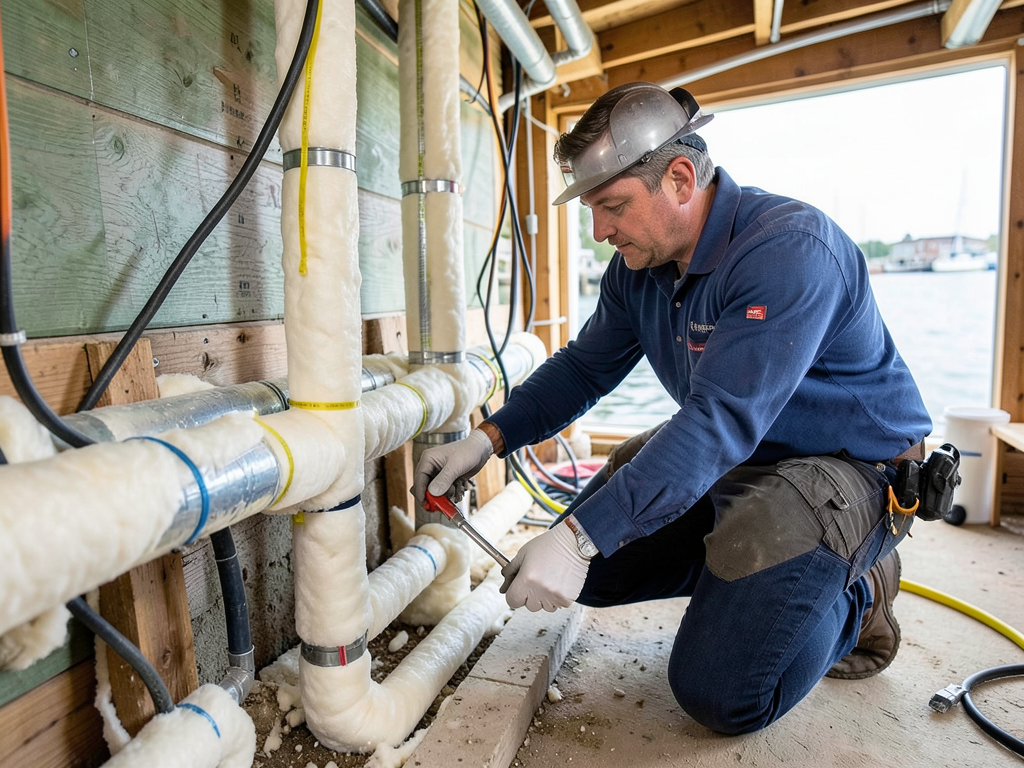
- Insulate Exposed Pipes in Crawl Spaces
Crawl spaces under shoreline homes are particularly vulnerable because they’re often unheated and sit directly on the ground. Use foam pipe insulation rated for outdoor use. For extra protection in crawl spaces, wrap pipes with heat tape before adding insulation. The Connecticut State Building Code requires a minimum R-3 insulation value for exposed pipes in unconditioned spaces. Why We Are the Top Rated Pipe Repair Specialists in Byram.
- Seal Foundation Vents and Gaps
Foundation vents allow cold air to circulate under your home, freezing pipes faster. Install vent covers or use rigid foam board to block vents during winter months. Also seal any gaps where pipes enter the foundation with expanding foam or caulk.
- Protect Outdoor Hose Bibs and Faucets
Remove garden hoses and drain outdoor faucets completely. For Greenwich shoreline homes, install frost-free hose bibs if you haven’t already. These extend the valve mechanism into the heated portion of your home. If replacing isn’t possible, use insulated faucet covers and shut off the interior supply valve to outdoor faucets. The Most Reliable Drain Cleaning Services in Old Greenwich.
- Winterize Irrigation Systems
Shoreline properties often have extensive irrigation systems. These must be professionally blown out with compressed air to remove all water from pipes and sprinkler heads. Water left in the system can freeze and crack PVC pipes, causing leaks that won’t appear until spring.
- Set Thermostat for Vacant Properties
If you’re a snowbird leaving your Greenwich shoreline home vacant, set your thermostat to at least 55°F. This maintains enough warmth to prevent freezing while saving on heating costs. Consider installing smart thermostats that allow remote temperature monitoring and control via smartphone apps.. Read more about Comparing the Best Smart Leak Detectors for Your Pemberwick Home.
Neighborhood-Specific Winterization Considerations
Different areas of Greenwich shoreline require slightly different approaches based on home age, construction, and proximity to water.
Old Greenwich Winterization
Homes in the 06870 zip code near Greenwich Point Park often date back to the 1920s-1940s. These properties typically feature:
- Balloon frame construction with minimal wall insulation
- Cast iron drain pipes that can crack in extreme cold
- Stone or brick foundations with multiple entry points for cold air
For these homes, focus on interior pipe insulation and consider installing electric pipe heating cables in particularly vulnerable areas.
Riverside Winterization
The 06878 area features a mix of mid-century ranches and newer custom homes. Many Riverside properties have:
- Slab-on-grade construction with pipes embedded in concrete
- Modern PEX plumbing that’s more freeze-resistant than copper
- Finished basements that may have plumbing in exterior walls
For Riverside homes, pay special attention to pipes in exterior walls and consider installing pipe insulation with a vapor barrier to prevent condensation.
Advanced Winterization Technologies for Modern Greenwich Homes
Today’s smart home technology offers additional protection for Greenwich shoreline properties:
Smart Water Leak Detectors
Devices like the Phyn Plus or Flo by Moen monitor water pressure and flow throughout your home. They can detect the characteristic pressure drop that occurs when a pipe freezes and begins to crack. These systems send instant alerts to your phone and can automatically shut off your main water supply.
Temperature Sensors in Vulnerable Areas
Place wireless temperature sensors in crawl spaces, attics, and other unheated areas. Set alerts to notify you when temperatures drop below 40°F. This gives you time to take action before pipes freeze.
Smart Thermostats with Freeze Protection
Modern smart thermostats like the Ecobee or Nest can be programmed to maintain minimum temperatures in specific zones of your home. Some models integrate with leak detectors to provide comprehensive freeze protection.
What to Do If a Pipe Freezes
Even with proper winterization, pipes can still freeze during extreme cold snaps. Here’s what to do if you suspect frozen pipes in your Greenwich shoreline home:
- Identify the Frozen Section
Turn on faucets to determine which ones aren’t working. If no water comes out, or only a trickle flows, you likely have a frozen pipe. Check exposed pipes in basements, crawl spaces, and exterior walls for frost or bulging.
- Shut Off Main Water Supply
Before attempting to thaw frozen pipes, shut off your main water valve. This prevents flooding if the pipe has already cracked and thaws.
- Apply Gentle Heat
Use a hair dryer, heat lamp, or portable space heater to thaw the pipe. Start from the faucet end and work backward. Never use an open flame or propane torch, as this can damage pipes and create fire hazards.
- Check for Leaks After Thawing
Once water begins flowing again, inspect the pipe for cracks or leaks. Even small cracks can cause significant water damage over time.
Professional Winterization Services vs. DIY
Deciding whether to handle winterization yourself or hire professionals depends on several factors specific to Greenwich shoreline properties.
| DIY Winterization | Professional Winterization |
|---|---|
| Cost: $50-200 for materials | Cost: $300-800 depending on home size |
| Time: 4-8 hours for average home | Time: 2-4 hours for professional service |
| Best for: Simple homes, handy homeowners | Best for: Complex systems, older homes, peace of mind |
| Risk: Missing critical areas | Benefit: Professional assessment and warranty |
For Greenwich shoreline properties, professional winterization often makes sense because:
- Older homes may have hidden plumbing issues
- Complex irrigation systems require specialized equipment
- Professional services often include emergency response if problems occur
- Warranties provide protection against winter damage
- Water damage remediation: $2,500-7,500
- Mold remediation if not addressed quickly: $3,000-10,000
- Structural repairs to walls, floors, or ceilings: $1,500-5,000
- Insurance deductibles: typically $1,000-2,500
- Pipes in unconditioned spaces must be protected from freezing
- Minimum insulation R-values vary by location and pipe type
- Outdoor hose bibs must be frost-resistant or properly drained
- Irrigation systems require backflow prevention devices
- No water flow when you expect it
- Visible water damage or damp spots on walls/ceilings
- Unusual sounds from pipes (banging, whistling)
- Sudden increases in water bills
- Musty odors suggesting hidden leaks
Cost-Benefit Analysis: Winterization vs. Burst Pipe Repair
The cost of professional winterization ($300-800) pales in comparison to burst pipe repair costs. A single burst pipe can cause:
Plus, you’ll deal with the hassle of repairs during winter when contractors are busiest and may charge premium rates.
Greenwich-Specific Building Code Requirements
The Connecticut State Building Code (based on the 2021 International Plumbing Code) requires specific protections for plumbing in coastal areas: 2021 International Building Code.
Local amendments in Greenwich may impose additional requirements, particularly for shoreline properties in flood zones. Always check with the Greenwich Building Department before making major plumbing modifications. Plumbing Stamford.
Emergency Response: When to Call for Help
Know when to call professionals immediately:
United Plumbing offers 24/7 emergency service for Greenwich shoreline properties. Our technicians carry specialized equipment for detecting frozen pipes and can respond within 60 minutes for emergency calls. Emergency Plumbers in Greenwich Who Actually Answer the Phone at 3 AM.
Frequently Asked Questions
When should I winterize my Greenwich shoreline property?
Complete winterization by November 1st to ensure protection before the first hard freeze, which typically occurs between November 15-25 in Greenwich.
How much does professional winterization cost in Greenwich?
Professional winterization for a typical Greenwich shoreline home costs $300-800, depending on home size, age, and complexity of plumbing systems.. Read more about Planning the Plumbing for Your New Outdoor Kitchen in Riverside.
Can PEX pipes freeze?
Yes, PEX pipes can freeze, but they’re more resistant to bursting than copper pipes. PEX can expand slightly without breaking, making it a good choice for vulnerable areas.
What temperature should I set my thermostat if I’m away for the winter?
Set your thermostat to at least 55°F to prevent freezing while saving on heating costs. Consider smart thermostats for remote monitoring.
Do I need to winterize my pool house plumbing?
Yes, pool houses and other detached structures need separate winterization since they’re often unheated and have exposed plumbing.. Read more about Preparing Your Pool House Plumbing for the Summer Season in Belle Haven.
How can I tell if my pipes are already frozen?
Symptoms include no water flow, frost on exposed pipes, unusual sounds from plumbing, or damp spots on walls where pipes run.
Take Action Before the Next Cold Snap
Don’t wait until temperatures drop below freezing to protect your Greenwich shoreline property. The cost of prevention is minimal compared to the potential damage from burst pipes.
Whether you choose DIY winterization or prefer professional service, the key is taking action before the first hard freeze. Check your main water shut-off valve, inspect exposed pipes, and consider installing smart leak detectors for added protection.
Ready to schedule professional winterization? Call (475) 320-3733 today to book your service. Our experienced technicians know the unique challenges of Greenwich shoreline properties and can ensure your home is protected before winter arrives.
Don’t let frozen pipes ruin your winter. Take action now and enjoy peace of mind knowing your Greenwich shoreline property is protected from winter’s worst.
{
“@context”: “https://schema.org”,
“@type”: “BlogPosting”,
“headline”: “The Essential Winterization Guide for Greenwich Shoreline Properties”,
“description”: “Protect your Greenwich shoreline property this winter with expert pipe winterization tips. Learn when to act, how to prevent frozen pipes, and when to call the pros.”,
“wordCount”: 1789,
“datePublished”: “2026-03-08T12:32:00.000Z”,
“dateModified”: “2026-03-08T12:32:00.000Z”,
“inLanguage”: “en-US”,
“mainEntityOfPage”: {
“@type”: “WebPage”,
“@id”: “https://unitedplumbinggreenwich.com”
},
“publisher”: {
“@type”: “LocalBusiness”,
“name”: “United Plumbing Greenwich”,
“url”: “https://unitedplumbinggreenwich.com”
},
“author”: {
“@type”: “Organization”,
“name”: “United Plumbing Greenwich”,
“url”: “https://unitedplumbinggreenwich.com”
},
“image”: {
“@type”: “ImageObject”,
“url”: “https://unitedplumbinggreenwich.com/wp-content/uploads/2026/03/the-essential-winterization-guide-for-greenwich-sh-1.png”
}
}
{
“@context”: “https://schema.org”,
“@type”: “Plumber”,
“name”: “United Plumbing Greenwich”,
“url”: “https://unitedplumbinggreenwich.com”,
“address”: {
“@type”: “PostalAddress”,
“addressLocality”: “Greenwich”
},
“areaServed”: {
“@type”: “City”,
“name”: “Greenwich”
}
}
{
“@context”: “https://schema.org”,
“@type”: “FAQPage”,
“mainEntity”: [
{
“@type”: “Question”,
“name”: “When should I winterize my Greenwich shoreline property?”,
“acceptedAnswer”: {
“@type”: “Answer”,
“text”: “Complete winterization by November 1st to ensure protection before the first hard freeze, which typically occurs between November 15-25 in Greenwich.”
}
},
{
“@type”: “Question”,
“name”: “How much does professional winterization cost in Greenwich?”,
“acceptedAnswer”: {
“@type”: “Answer”,
“text”: “Professional winterization for a typical Greenwich shoreline home costs $300-800, depending on home size, age, and complexity of plumbing systems.”
}
},
{
“@type”: “Question”,
“name”: “Can PEX pipes freeze?”,
“acceptedAnswer”: {
“@type”: “Answer”,
“text”: “Yes, PEX pipes can freeze, but they’re more resistant to bursting than copper pipes. PEX can expand slightly without breaking, making it a good choice for vulnerable areas.”
}
},
{
“@type”: “Question”,
“name”: “What temperature should I set my thermostat if I’m away for the winter?”,
“acceptedAnswer”: {
“@type”: “Answer”,
“text”: “Set your thermostat to at least 55°F to prevent freezing while saving on heating costs. Consider smart thermostats for remote monitoring.”
}
},
{
“@type”: “Question”,
“name”: “Do I need to winterize my pool house plumbing?”,
“acceptedAnswer”: {
“@type”: “Answer”,
“text”: “Yes, pool houses and other detached structures need separate winterization since they’re often unheated and have exposed plumbing.”
}
}
]
}
{
“@context”: “https://schema.org”,
“@type”: “HowTo”,
“name”: “How to Winterize Your Greenwich Shoreline Property”,
“step”: [
{
“@type”: “HowToStep”,
“position”: 1,
“name”: “Locate and Test Main Water Shut-off Valve”,
“text”: “Find your main water shut-off valve and test it to ensure it turns easily. Many Greenwich shoreline homes have gate valves that can seize up over time. If the valve is difficult to turn, replace it before winter arrives. The valve should be located where the main water line enters your home, often in the basement or utility room.”
},
{
“@type”: “HowToStep”,
“position”: 2,
“name”: “Insulate Exposed Pipes in Crawl Spaces”,
“text”: “Crawl spaces under shoreline homes are particularly vulnerable because they’re often unheated and sit directly on the ground. Use foam pipe insulation rated for outdoor use. For extra protection in crawl spaces, wrap pipes with heat tape before adding insulation. The Connecticut State Building Code requires a minimum R-3 insulation value for exposed pipes in unconditioned spaces. Why We Are the Top Rated Pipe Repair Specialists in Byram.”
},
{
“@type”: “HowToStep”,
“position”: 3,
“name”: “Seal Foundation Vents and Gaps”,
“text”: “Foundation vents allow cold air to circulate under your home, freezing pipes faster. Install vent covers or use rigid foam board to block vents during winter months. Also seal any gaps where pipes enter the foundation with expanding foam or caulk.”
},
{
“@type”: “HowToStep”,
“position”: 4,
“name”: “Protect Outdoor Hose Bibs and Faucets”,
“text”: “Remove garden hoses and drain outdoor faucets completely. For Greenwich shoreline homes, install frost-free hose bibs if you haven’t already. These extend the valve mechanism into the heated portion of your home. If replacing isn’t possible, use insulated faucet covers and shut off the interior supply valve to outdoor faucets. The Most Reliable Drain Cleaning Services in Old Greenwich.”
},
{
“@type”: “HowToStep”,
“position”: 5,
“name”: “Winterize Irrigation Systems”,
“text”: “Shoreline properties often have extensive irrigation systems. These must be professionally blown out with compressed air to remove all water from pipes and sprinkler heads. Water left in the system can freeze and crack PVC pipes, causing leaks that won’t appear until spring.”
},
{
“@type”: “HowToStep”,
“position”: 6,
“name”: “Set Thermostat for Vacant Properties”,
“text”: “If you’re a snowbird leaving your Greenwich shoreline home vacant, set your thermostat to at least 55°F. This maintains enough warmth to prevent freezing while saving on heating costs. Consider installing smart thermostats that allow remote temperature monitoring and control via smartphone apps.”
}
],
“image”: “https://unitedplumbinggreenwich.com/wp-content/uploads/2026/03/the-essential-winterization-guide-for-greenwich-sh-1.png”
}
{
“@context”: “https://schema.org”,
“@type”: “BreadcrumbList”,
“itemListElement”: [
{
“@type”: “ListItem”,
“position”: 1,
“name”: “Home”,
“item”: “https://unitedplumbinggreenwich.com”
},
{
“@type”: “ListItem”,
“position”: 2,
“name”: “Blog”,
“item”: “https://unitedplumbinggreenwich.com/blog”
},
{
“@type”: “ListItem”,
“position”: 3,
“name”: “The Essential Winterization Guide for Greenwich Shoreline Properties”
}
]
}
{
“@context”: “https://schema.org”,
“@type”: “Service”,
“serviceType”: “Plumbing”,
“provider”: {
“@type”: “LocalBusiness”,
“name”: “United Plumbing Greenwich”,
“url”: “https://unitedplumbinggreenwich.com”
},
“areaServed”: {
“@type”: “City”,
“name”: “Greenwich”
},
“description”: “Protect your Greenwich shoreline property this winter with expert pipe winterization tips. Learn when to act, how to prevent frozen pipes, and when to call the pros.”
}