
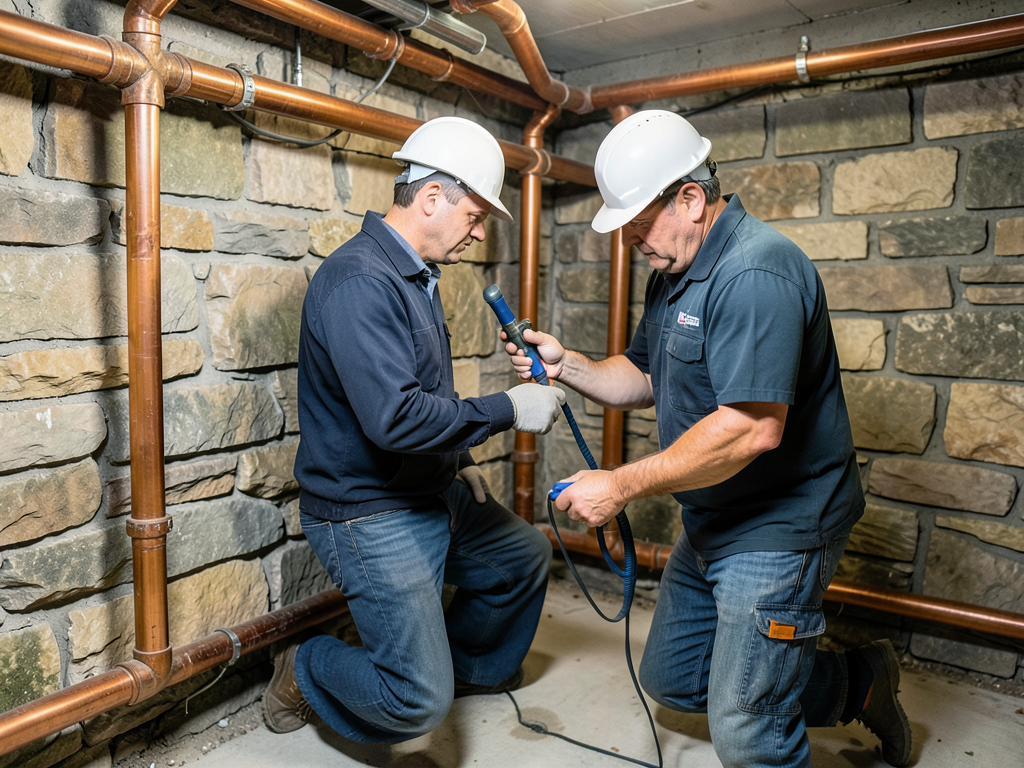
How to Stop Your Pipes from Freezing During a Greenwich Cold Snap
When temperatures in Greenwich drop below 20°F and the wind picks up off Long Island Sound, your home’s plumbing faces a serious threat. Frozen pipes don’t just mean no water—they can burst, flood your basement, and cause thousands in damage before you even know there’s a problem. Plumbing Stamford.
Greenwich’s historic homes, many built before modern insulation standards, are especially vulnerable. Stone foundations, uninsulated crawl spaces, and pipes running through exterior walls create perfect conditions for freezing. The good news is that with the right preparation, you can protect your home before the next cold snap hits.. Read more about The Difference Between a Standard and a High Efficiency Boiler in Greenwich.
Why Greenwich Homes Are Susceptible to Frozen Pipes
Greenwich’s coastal location creates a unique climate challenge. The proximity to Long Island Sound means higher humidity, which makes cold air feel colder through wind chill. When temperatures drop into the teens, exposed pipes in older Greenwich homes—particularly those in Riverside, Cos Cob, and Old Greenwich—can freeze within hours.. Read more about 5 Reasons Your Greenwich Water Bill Just Doubled Without Warning.
Many homes in the Back Country area sit on rocky terrain where excavation for proper pipe burial was difficult during original construction. This means pipes often run closer to the surface or through unheated spaces than building codes would allow today.
According to the Connecticut State Building Code (Section 305.1), water supply pipes must be protected from freezing when installed in areas where temperatures fall below 32°F. However, many Greenwich homes predate these requirements, leaving them with plumbing that’s essentially unprotected.. Read more about Planning the Plumbing for Your New Outdoor Kitchen in Riverside.
Step-by-Step Prevention Checklist
- Locate Your Main Water Shut-off Valve
Find the valve where water enters your home—typically in the basement near the front foundation wall. Test it to ensure it turns easily. In an emergency, you’ll need to shut off water immediately if a pipe bursts. Emergency Plumbers in Greenwich Who Actually Answer the Phone at 3 AM.
- Seal Drafts in Unheated Areas
Use spray foam or caulk to seal gaps around pipes where they enter the home. Pay special attention to areas where pipes run through exterior walls or foundations. Even small drafts can lower temperatures enough to cause freezing.
- Insulate Exposed Pipes
Install foam pipe insulation on all exposed pipes in unheated areas like basements, crawl spaces, and garages. For pipes in extremely cold zones, consider heat tape with a built-in thermostat that activates when temperatures drop.
- Maintain Consistent Indoor Temperatures
Keep your thermostat set to at least 55°F even when you’re away. In Greenwich’s historic homes, temperature fluctuations can cause pipes in exterior walls to freeze even when the main living areas feel warm.
- Let Faucets Drip During Extreme Cold
Allow a small trickle of water to flow through faucets served by exposed pipes. Moving water is much harder to freeze than standing water. This is especially important for homes with PEX piping, which can expand slightly without bursting but still benefits from prevention.
The ‘Greenwich Special’: Dealing with Older Home Plumbing
Greenwich’s architectural heritage creates specific challenges. Many homes in the Riverside and Old Greenwich areas were built between 1900 and 1950 with cast iron drain pipes and copper supply lines that weren’t designed for today’s energy efficiency standards. The Most Reliable Drain Cleaning Services in Old Greenwich.
Historic homes often have pipes running through exterior stone walls that lack modern insulation. The thermal mass of stone actually works against you in winter, absorbing heat from pipes during the day and releasing it slowly at night when temperatures drop.
For these properties, professional-grade solutions make the difference. Heat cable installed by a licensed plumber can maintain pipe temperatures above freezing without creating fire hazards. This is particularly important for homes with older electrical systems that may not support DIY heat tape installations.
According to the National Fire Protection Association (NFPA 70), electrical heating cables must be installed with proper thermostatic control and must not overlap or cross during installation. This is why professional installation matters for historic Greenwich homes. National Fire Protection Association (NFPA 70).
Smart Home Settings for Greenwich Commuters
Many Greenwich residents commute to New York City or travel frequently during winter months. For these homes, smart technology provides crucial protection.. Read more about Comparing the Best Smart Leak Detectors for Your Pemberwick Home.
Install smart thermostats that allow remote temperature monitoring and adjustment. Set up alerts to notify you if indoor temperatures drop below 45°F. Some systems can even automatically adjust settings based on local weather forecasts from the National Weather Service station in Upton, NY. National Weather Service station in Upton, NY.
Smart water leak detectors placed near vulnerable pipes can alert you to problems before they become disasters. These devices connect to your smartphone and can even shut off your main water supply automatically if they detect unusual water flow patterns.
Outdoor Plumbing Protection
Greenwich’s many historic estates often include extensive outdoor plumbing for irrigation systems, pool equipment, and outdoor kitchens. These systems require special attention before winter.
Drain and winterize all outdoor irrigation systems by October. Use compressed air to blow out remaining water from pipes and sprinkler heads. For pool plumbing, lower water levels below skimmer lines and use pool antifreeze in pipes that can’t be fully drained.
Install insulated hose bib covers on all outdoor faucets. These simple foam covers cost under $5 but can prevent thousands in damage. For Greenwich’s many homes with vintage outdoor fixtures, consider upgrading to frost-free hose bibs that prevent water from remaining in the exposed portion of the pipe.
What to Do if Your Pipes Are Already Frozen
If you turn on a faucet and only get a trickle of water, you likely have a frozen pipe. Act quickly but carefully.
First, keep the faucet open. As you treat the frozen pipe, water will begin to flow and help melt the ice. Apply heat to the frozen section using a hair dryer, heating pad, or portable space heater. Never use an open flame like a propane torch—this creates a serious fire hazard and can damage pipes.
Check all faucets in your home. If none work, the main water line may be frozen where it enters the house. If you can’t locate the frozen area or thaw it safely, call a professional immediately. Water expands about 9% when it freezes, and pressure can build to over 2,000 psi—enough to burst even copper pipes.. Read more about Should You Choose PEX or Copper for Your Greenwich Home Repiping?.
Signs of a burst pipe include water stains on ceilings or walls, unexplained drops in water pressure, or the sound of running water when all fixtures are off. If you suspect a burst pipe, shut off your main water valve immediately and call (475) 320-3733 for emergency service. Emergency Sewer Backup Cleanup.
Cost-Effective Prevention vs. Emergency Repair
Preventing frozen pipes costs a fraction of emergency repairs. Basic pipe insulation runs $0.50 to $2 per linear foot. Heat tape installation typically costs $200 to $400 for a standard home. Compare this to emergency pipe repair, which can cost $500 to $2,000 plus water damage restoration that often exceeds $5,000. Why We Are the Top Rated Pipe Repair Specialists in Byram.
For Greenwich’s many vacation homes and investment properties, the math is even more compelling. A single frozen pipe incident can mean not just repair costs but lost rental income and potential insurance premium increases.
Consider a professional winterization inspection if your home has any of these risk factors: uninsulated crawl spaces, pipes in exterior walls, a history of frozen pipes, or if the home will be unoccupied for more than 48 hours during cold weather.
Local Resources and Emergency Contacts
Greenwich residents can access several local resources for winter plumbing emergencies. The Aquarion Water Company serves most of Greenwich and can assist with main water line issues. Their emergency line is available 24/7 at (203) 869-6164.
For immediate plumbing emergencies, United Plumbing offers 24/7 service throughout Fairfield County. Our technicians carry the specialized equipment needed to thaw pipes safely and repair damage quickly, minimizing water damage to your home.
The Town of Greenwich Emergency Management team provides winter weather updates and can direct you to warming centers if your home loses heat during a cold snap. Sign up for emergency alerts through the Greenwich Town website.
Schedule a Winterization Inspection in Greenwich
Don’t wait for the first cold snap to discover your pipes are vulnerable. A professional winterization inspection can identify risks specific to your home’s construction and plumbing layout.
During an inspection, a licensed plumber will check pipe locations, assess insulation needs, test your main water shut-off valve, and recommend specific upgrades for your home. This service typically takes 1-2 hours and costs $150 to $250—a small investment compared to emergency repairs.
United Plumbing has served Greenwich homeowners for over 15 years, handling everything from routine maintenance to emergency repairs in historic homes throughout Riverside, Cos Cob, Old Greenwich, and the Back Country area. Our technicians understand the unique challenges of Connecticut’s coastal climate and historic architecture.
Call (475) 320-3733 today to schedule your winterization inspection before the next cold snap hits. Don’t let frozen pipes turn your winter into a plumbing nightmare.
Frequently Asked Questions
At what temperature should I worry about my pipes freezing?
Pipes begin to freeze when outdoor temperatures drop to 20°F or below, especially if they’re in uninsulated areas. In Greenwich’s coastal climate, wind chill can make freezing occur even when the thermometer reads slightly higher.
How long does it take for pipes to freeze?
Uninsulated pipes in unheated spaces can freeze in as little as 3-6 hours when temperatures are in the teens or lower. Pipes in exterior walls may take 12-24 hours to freeze, but once freezing starts, damage can occur quickly.
Should I turn off my water if I’m leaving town during winter?
If you’ll be away for more than 48 hours during cold weather, it’s wise to shut off your main water valve and drain your pipes. If you can’t drain them, keep your thermostat at 55°F minimum and have a neighbor check on your home daily.
Can PEX pipes freeze without bursting?
PEX piping can expand up to three times its size without breaking, making it more freeze-resistant than copper. However, PEX can still freeze and block water flow, and fittings can burst. All pipe materials benefit from freeze prevention.
What’s the difference between pipe insulation and heat tape?
Pipe insulation is passive protection that slows heat loss but won’t prevent freezing in extreme cold. Heat tape actively warms pipes when temperatures drop below a set point. For Greenwich’s historic homes, combining both methods often provides the best protection.