
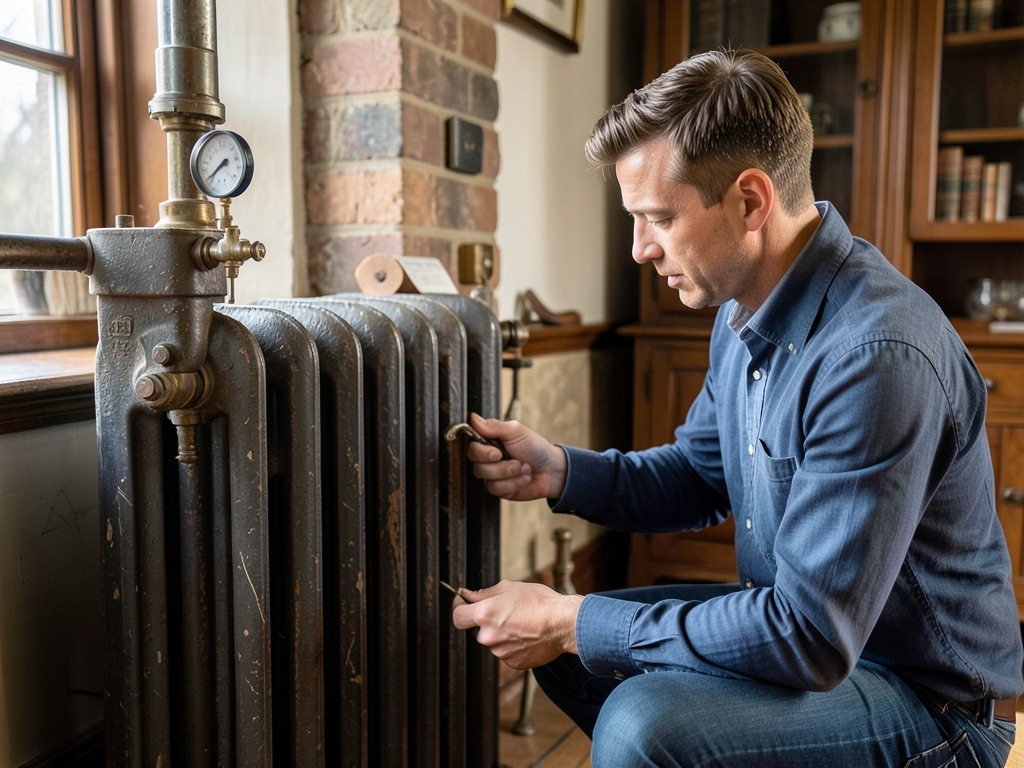
Why Every Historic Home in Central Greenwich Needs a Radiator Health Check
The moment you hear that familiar clanking sound from your radiator on a freezing January morning, you know something is wrong. In Central Greenwich, where historic Victorian and Colonial homes line tree-shaded streets, steam heating systems are not just appliances—they are part of the home’s character and infrastructure. These aging systems require specialized knowledge that generic HVAC companies simply do not possess.
Steam radiators in Central Greenwich homes face unique challenges. The area’s mix of Victorian mansions, Colonial Revival homes, and early 20th-century bungalows means your heating system could be anywhere from 50 to 120 years old. These systems operate under pressure, and when they fail, they do not just stop working—they can cause significant property damage through leaks, flooding, or even dangerous pressure buildup.
Central Greenwich’s historic district includes homes near Bruce Park and the Greenwich Avenue corridor, where many properties still rely on their original steam heating infrastructure. The combination of old cast-iron pipes, original radiators, and aging boiler systems creates a perfect storm for heating failures during the coldest months when you need heat the most. Expert Boiler Repair for Historic Greenwich Homes.
The diagnostic process for steam radiator systems requires understanding the specific architecture of your home. One-pipe systems, common in older Central Greenwich homes, operate differently than two-pipe systems found in some mid-century renovations. Each system has its own failure patterns, and treating them as generic heating units leads to missed problems and repeated service calls.
How Steam Radiator Systems Actually Work
Understanding your steam system is the first step to maintaining it properly. Steam radiators operate on a simple principle: a boiler heats water until it becomes steam, which travels through pipes to radiators throughout your home. The steam releases heat, condenses back into water, and returns to the boiler through a return line.
The critical components include the boiler itself, the distribution piping, radiator air vents, steam traps, and the condensate return system. Each component must function correctly for the system to operate efficiently. A single failed air vent can cause uneven heating throughout an entire zone of your home.
In Central Greenwich’s older homes, you will typically find cast-iron radiators connected to steel or copper distribution pipes. The pipes are often buried in walls or run through unheated spaces, making leaks difficult to detect until significant damage occurs. The original installation methods from the early 1900s did not account for modern insulation standards, creating additional stress on aging components.
The boiler sight glass, a small vertical tube on the front of your boiler, provides crucial information about water levels. A cloudy or dirty sight glass indicates poor water quality, which accelerates corrosion throughout the system. This is particularly common in Central Greenwich where many homes have hard water that leaves mineral deposits inside boilers and pipes.
Common Steam Radiator Problems in Central Greenwich Homes
Water hammer represents the most dramatic failure in steam systems. This occurs when steam meets cooler condensate, creating a violent collision that sounds like someone hitting your pipes with a hammer. The noise is not just annoying—it indicates a serious problem that can rupture pipes and damage radiators. In Central Greenwich’s older homes, water hammer often results from improperly pitched pipes or failed steam traps.. Read more about Stopping That Annoying Hissing Sound from Your Steam Radiators.
Radiator air vents play a crucial role in system operation. These small devices allow air to escape as steam enters the radiator. When vents fail, radiators cannot heat properly. You will notice cold spots or radiators that take forever to warm up. The Hoffman No. 75 vent, common in many Central Greenwich homes, requires specific replacement parts that generic hardware stores do not stock.
Steam trap failure causes another common problem. These devices regulate steam flow in two-pipe systems. When traps fail, steam can enter the return line, causing pressure imbalances and preventing proper condensate return. This leads to water hammer, uneven heating, and increased fuel consumption.
Boiler issues manifest in several ways. A failing low water cut-off (LWCO) can cause the boiler to run dry, damaging the heat exchanger. The Connecticut State Building Code requires specific LWCO configurations for steam boilers, and many older installations in Central Greenwich do not meet current standards.
Radiator pitch problems develop over time as buildings settle. Radiators must be slightly tilted toward the supply valve to allow proper condensate drainage. A level radiator or one tilted away from the valve will trap water, causing gurgling sounds and preventing efficient heat transfer. The Most Reliable Drain Cleaning Services in Old Greenwich.
Diagnostic Tests Every Steam System Needs
The screwdriver test for radiator pitch involves placing a level on top of the radiator and adjusting the mounting feet until the radiator slopes slightly toward the supply valve. This simple adjustment can eliminate gurgling noises and improve heating efficiency. Many Central Greenwich homeowners discover their radiators have settled level or even backward over decades.
Steam trap testing requires feeling the temperature of the trap and outlet pipe. A properly functioning trap will feel hot on the inlet side and significantly cooler on the outlet. If both sides feel equally hot, the trap has failed and needs replacement. This test takes seconds but requires understanding what temperatures to expect.
Air vent inspection involves removing the vent and blowing through it. A good vent will allow air to pass in one direction but not the other. Many homeowners in Central Greenwich find their original vents completely blocked with mineral deposits or rust, preventing proper system operation.
Boiler water quality testing uses pH strips to check for acidity or alkalinity. Steam boilers require specific pH ranges between 7 and 9 to prevent corrosion. Water that is too acidic will eat through pipes and radiators from the inside out. Many Central Greenwich homes have never had their boiler water tested in decades of operation.
Pressure testing the system involves checking the boiler’s pressure gauge and ensuring it operates within the manufacturer’s specifications. Most residential steam systems operate at less than 2 PSI. Higher pressures indicate problems with the pressuretrol or air vents and can cause dangerous conditions.
Annual Maintenance Schedule for Steam Systems
September through October represents the ideal time for steam system maintenance in Central Greenwich. This timing ensures your system operates efficiently before the coldest weather arrives. The maintenance process includes boiler cleaning, water quality testing, and inspection of all safety controls.
Boiler skimming removes oil and debris from the water surface. New boilers often contain residual oils from manufacturing that create foam and cause carryover into the steam pipes. This process requires specific techniques and cannot be rushed. Many Central Greenwich homeowners discover their new boiler installation was never properly skimmed, leading to years of operational problems.
Low water cut-off (LWCO) testing ensures this critical safety device functions correctly. The LWCO prevents the boiler from operating without adequate water, preventing catastrophic failures. Testing involves manually simulating low water conditions and verifying the boiler shuts down as designed.
Vent and trap replacement should occur every 5 to 10 years, depending on water quality and system usage. Original vents in Central Greenwich homes often date back to the 1920s or 1930s and function poorly at best. Modern vents provide better air venting and more reliable operation.
Pipe insulation inspection helps prevent heat loss and reduces the risk of condensation in steam pipes. Many Central Greenwich homes have lost their original asbestos insulation, which was removed for safety reasons. Replacing this insulation with modern materials improves system efficiency and prevents pipe sweating.
Upgrading Historic Steam Systems
Thermostatic Radiator Valves (TRVs) offer significant improvements for large Central Greenwich homes. These devices allow individual room temperature control, eliminating the need to heat unused spaces. Installation requires understanding your system’s pressure characteristics and selecting appropriate valve sizes for each radiator.
Modern air vents provide better venting characteristics than original equipment. The Hoffman No. 75 remains popular, but newer designs offer improved reliability and easier maintenance. Upgrading vents can solve chronic heating problems in specific rooms without replacing entire radiators.
Zone control systems divide large homes into separate heating zones, allowing different temperature settings for various areas. This approach works well in Central Greenwich’s sprawling historic homes where the kitchen might need less heat than the upstairs bedrooms. Installation requires adding zone valves and thermostats while maintaining proper system balance. EPA guidelines.
Energy efficiency improvements include adding outdoor reset controls that adjust boiler operation based on outdoor temperatures. These devices can reduce fuel consumption by 10 to 15 percent while improving comfort. The controls work by preventing the boiler from producing steam hotter than necessary for current conditions.
Backup heating systems provide security during boiler failures. Many Central Greenwich homeowners install electric baseboard heaters in critical areas as emergency backup. This approach ensures you never face a complete heating outage during winter storms. Emergency Plumbers in Greenwich Who Actually Answer the Phone at 3 AM.
Emergency Steam System Troubleshooting
When your radiator makes banging noises, immediately check the pressure gauge. If pressure exceeds 3 PSI, shut off the boiler and call for service. High pressure indicates a failed pressuretrol or air vent problems. Continuing to operate under high pressure risks pipe rupture and water damage.
Water leaks around radiators require immediate attention. Small leaks can quickly become major floods, especially in multi-story Central Greenwich homes where water travels through floors and ceilings. Turn off the boiler and isolate the affected radiator by closing both supply and return valves if equipped.
Cold radiators on one side of the house often indicate air vent problems or steam trap failures. Check if other radiators on the same floor are working. If they are, the problem is likely isolated to that specific radiator or its air vent. If multiple radiators are cold, the issue may be with the boiler or main vents.
Boiler short cycling, where the boiler turns on and off frequently, indicates water level problems or pressure issues. This behavior wastes fuel and accelerates component wear. Check the sight glass for proper water level and ensure the pressure gauge reads zero when the boiler is off.
Complete system failure requires systematic troubleshooting. First, verify the boiler has power and the pilot light or ignition system functions. Check the thermostat settings and ensure it calls for heat. If these basic checks pass, the problem likely involves internal boiler components requiring professional diagnosis.
Local Building Code Requirements
The Connecticut State Building Code, based on the International Mechanical Code, requires specific safety features for steam heating systems. Low water cut-off devices must be installed and tested annually. Pressure relief valves must be sized according to boiler output and discharge to safe locations away from occupied spaces.
Greenwich’s historic district regulations affect heating system modifications. Any changes visible from public streets must maintain the home’s historic character. This restriction often limits the types of radiators and venting systems that can be installed, requiring creative solutions that preserve architectural integrity.
Permit requirements for steam system work vary by scope. Simple radiator valve replacement typically does not require permits, but boiler replacement or major system modifications need approval from the Greenwich building department. The permit process ensures work meets current safety standards and energy efficiency requirements.
Insurance considerations affect steam system maintenance. Many insurance companies require annual inspections of aging heating systems, particularly in historic homes. Documentation of regular maintenance can prevent coverage disputes if system failures cause damage.
Environmental regulations impact fuel choices for steam boilers. While oil remains common in Central Greenwich, natural gas conversions offer cleaner operation and lower operating costs. The conversion process requires careful system evaluation to ensure existing radiators and piping can handle the different combustion characteristics.
Cost Factors for Steam System Service
Service call pricing for steam systems typically ranges higher than standard HVAC work due to specialized knowledge requirements. A basic diagnostic visit in Central Greenwich costs between $150 and $300, reflecting the expertise needed to understand these complex systems.
Replacement part costs vary significantly. A new Hoffman air vent costs $25 to $50, while a steam trap replacement ranges from $75 to $200 installed. Complete radiator replacement can cost $800 to $2,000 depending on size and style, with period-appropriate radiators commanding premium prices.
Boiler replacement represents the largest expense, typically ranging from $5,000 to $12,000 installed. High-efficiency condensing boilers offer fuel savings but require careful system evaluation to ensure compatibility with existing radiators and piping. Many Central Greenwich homes benefit from mid-efficiency boilers that match the system’s operating characteristics.
Annual maintenance contracts provide cost savings for homeowners who want predictable expenses. These contracts typically cost $300 to $500 annually and include seasonal tune-ups, priority service, and discounts on parts and labor. The investment often pays for itself through improved efficiency and prevented breakdowns.
Emergency service premiums apply during nights, weekends, and holidays when heating failures are most stressful. Expect to pay 1.5 to 2 times standard rates for emergency calls, though many Central Greenwich homeowners find this premium worthwhile for immediate response during cold weather emergencies.
Finding Qualified Steam System Technicians
Not all plumbers or HVAC technicians understand steam heating systems. Look for professionals with specific steam system experience, preferably those who have worked on historic homes in Central Greenwich or similar areas. Ask about their experience with one-pipe versus two-pipe systems and their familiarity with common local equipment brands.
References from other Central Greenwich homeowners provide valuable insights into a technician’s reliability and expertise. The tight-knit community often shares recommendations for trusted service providers who understand the unique challenges of historic steam systems.
Professional associations like the National Association of Plumbing-Heating-Cooling Contractors offer certification programs that indicate technical competence. While not steam-specific, these certifications demonstrate commitment to ongoing education and professional standards. Plumbing Stamford.
Insurance and licensing verification protects homeowners from liability and ensures work meets local codes. Connecticut requires specific licenses for heating work, and technicians should carry both liability and workers’ compensation insurance.
Written estimates prevent misunderstandings about scope and cost. A qualified technician should explain their diagnostic findings, recommend specific repairs, and provide clear pricing before beginning work. Avoid technicians who cannot explain their recommendations in understandable terms. Why We Are the Top Rated Pipe Repair Specialists in Byram.
Frequently Asked Questions
How often should I have my steam radiator system inspected?
Annual inspections before the heating season are recommended for all steam systems, with bi-annual inspections for systems over 30 years old. Central Greenwich’s older homes benefit from spring inspections to identify winter damage and fall inspections to prepare for the coming season.
Why does my radiator make banging noises?
Banging noises, or water hammer, occur when steam meets cooler condensate, creating violent collisions in pipes. This common problem in Central Greenwich homes results from improperly pitched pipes, failed steam traps, or blocked air vents. The condition requires professional diagnosis as it can cause pipe damage.
Can I replace my old radiators with modern ones?
Modern radiators can replace old units, but sizing and system compatibility must be carefully evaluated. Many Central Greenwich homeowners choose to restore original radiators due to their historic value and compatibility with existing systems. Any replacements should match the heat output of original units.
How much does it cost to replace a steam boiler?
Steam boiler replacement in Central Greenwich typically costs $5,000 to $12,000 installed, depending on size, efficiency rating, and installation complexity. High-efficiency condensing boilers cost more upfront but offer fuel savings of 10 to 15 percent annually.
Is it normal for my boiler to produce some noise?
Some operational noise is normal, but loud banging, whistling, or rumbling indicates problems. Central Greenwich homeowners should be concerned about any new or changing sounds, as steam systems operate under pressure and unusual noises often precede failures.
Protecting Your Investment
Your historic steam heating system represents both a functional necessity and a piece of Central Greenwich’s architectural heritage. Proper maintenance preserves both the system’s efficiency and your home’s historic character. The investment in professional care pays dividends through reliable operation, lower fuel costs, and preserved property value.
The unique combination of Central Greenwich’s historic housing stock, local climate conditions, and aging infrastructure makes steam system expertise essential for homeowners in the area. Generic HVAC service simply cannot address the specific challenges these systems present.
Annual health checks by qualified technicians prevent the emergency breakdowns that leave families without heat during the coldest months. These inspections identify developing problems before they cause system failures, water damage, or dangerous pressure conditions.
The peace of mind that comes from knowing your steam system operates safely and efficiently justifies the cost of professional maintenance. When winter storms hit Central Greenwich and temperatures plummet, you will appreciate having a heating system that performs as designed.
Do not wait for that first cold morning when your radiator remains silent and cold. Schedule your steam system health check now to ensure reliable operation throughout the heating season. Your historic home deserves specialized care from technicians who understand its unique heating requirements.
Call (475) 320-3733 today to schedule your comprehensive steam radiator inspection. Our technicians specialize in Central Greenwich’s historic steam systems and can identify potential problems before they leave you without heat this winter.
Pick up the phone and call (475) 320-3733 before the next cold snap hits. We provide same-day service for emergency situations and can often diagnose problems over the phone to get your heat working quickly. For more information, visit FEMA recommendations.
{
“@context”: “https://schema.org”,
“@type”: “BlogPosting”,
“headline”: “Why Every Historic Home in Central Greenwich Needs a Radiator Health Check”,
“description”: “Central Greenwich’s historic homes need specialized radiator care. Learn how steam heating systems work, common failure points, and why annual inspections prevent costly damage.”,
“wordCount”: 2901,
“datePublished”: “2026-04-18T15:06:00.000Z”,
“dateModified”: “2026-04-18T15:06:00.000Z”,
“inLanguage”: “en-US”,
“mainEntityOfPage”: {
“@type”: “WebPage”,
“@id”: “https://unitedplumbinggreenwich.com”
},
“publisher”: {
“@type”: “LocalBusiness”,
“name”: “United Plumbing Greenwich”,
“url”: “https://unitedplumbinggreenwich.com”
},
“author”: {
“@type”: “Organization”,
“name”: “United Plumbing Greenwich”,
“url”: “https://unitedplumbinggreenwich.com”
},
“image”: {
“@type”: “ImageObject”,
“url”: “https://unitedplumbinggreenwich.com/wp-content/uploads/2026/03/why-every-historic-home-in-central-greenwich-needs-1.png”
}
}
{
“@context”: “https://schema.org”,
“@type”: “Plumber”,
“name”: “United Plumbing Greenwich”,
“url”: “https://unitedplumbinggreenwich.com”,
“address”: {
“@type”: “PostalAddress”,
“addressLocality”: “Greenwich”
},
“areaServed”: {
“@type”: “City”,
“name”: “Greenwich”
}
}
{
“@context”: “https://schema.org”,
“@type”: “FAQPage”,
“mainEntity”: [
{
“@type”: “Question”,
“name”: “How often should I have my steam radiator system inspected?”,
“acceptedAnswer”: {
“@type”: “Answer”,
“text”: “Annual inspections before the heating season are recommended for all steam systems, with bi-annual inspections for systems over 30 years old. Central Greenwich’s older homes benefit from spring inspections to identify winter damage and fall inspections to prepare for the coming season.”
}
},
{
“@type”: “Question”,
“name”: “Why does my radiator make banging noises?”,
“acceptedAnswer”: {
“@type”: “Answer”,
“text”: “Banging noises, or water hammer, occur when steam meets cooler condensate, creating violent collisions in pipes. This common problem in Central Greenwich homes results from improperly pitched pipes, failed steam traps, or blocked air vents. The condition requires professional diagnosis as it can cause pipe damage.”
}
},
{
“@type”: “Question”,
“name”: “Can I replace my old radiators with modern ones?”,
“acceptedAnswer”: {
“@type”: “Answer”,
“text”: “Modern radiators can replace old units, but sizing and system compatibility must be carefully evaluated. Many Central Greenwich homeowners choose to restore original radiators due to their historic value and compatibility with existing systems. Any replacements should match the heat output of original units.”
}
},
{
“@type”: “Question”,
“name”: “How much does it cost to replace a steam boiler?”,
“acceptedAnswer”: {
“@type”: “Answer”,
“text”: “Steam boiler replacement in Central Greenwich typically costs $5,000 to $12,000 installed, depending on size, efficiency rating, and installation complexity. High-efficiency condensing boilers cost more upfront but offer fuel savings of 10 to 15 percent annually.”
}
},
{
“@type”: “Question”,
“name”: “Is it normal for my boiler to produce some noise?”,
“acceptedAnswer”: {
“@type”: “Answer”,
“text”: “Some operational noise is normal, but loud banging, whistling, or rumbling indicates problems. Central Greenwich homeowners should be concerned about any new or changing sounds, as steam systems operate under pressure and unusual noises often precede failures.”
}
}
]
}
{
“@context”: “https://schema.org”,
“@type”: “BreadcrumbList”,
“itemListElement”: [
{
“@type”: “ListItem”,
“position”: 1,
“name”: “Home”,
“item”: “https://unitedplumbinggreenwich.com”
},
{
“@type”: “ListItem”,
“position”: 2,
“name”: “Blog”,
“item”: “https://unitedplumbinggreenwich.com/blog”
},
{
“@type”: “ListItem”,
“position”: 3,
“name”: “Why Every Historic Home in Central Greenwich Needs a Radiator Health Check”
}
]
}
{
“@context”: “https://schema.org”,
“@type”: “Service”,
“serviceType”: “Plumbing”,
“provider”: {
“@type”: “LocalBusiness”,
“name”: “United Plumbing Greenwich”,
“url”: “https://unitedplumbinggreenwich.com”
},
“areaServed”: {
“@type”: “City”,
“name”: “Greenwich”
},
“description”: “Central Greenwich’s historic homes need specialized radiator care. Learn how steam heating systems work, common failure points, and why annual inspections prevent costly damage.”
}