
Is a Garbage Disposal Actually Bad for Your Septic System in Backcountry Greenwich?
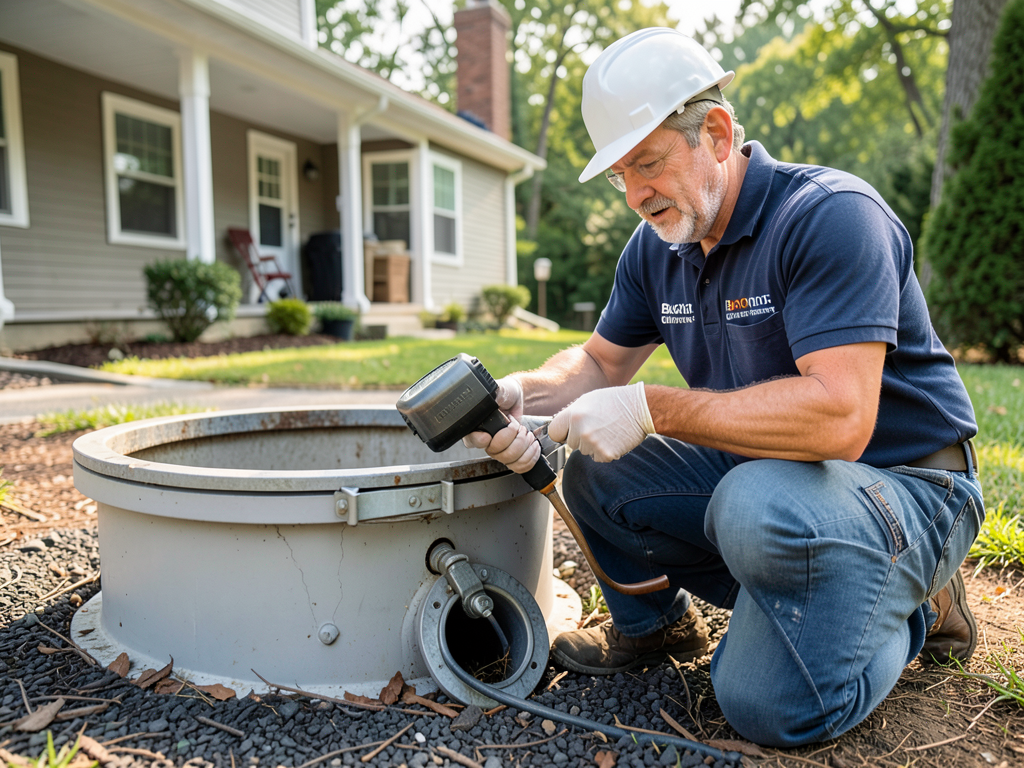
Yes, a garbage disposal can harm your septic system if used incorrectly, but it does not automatically ruin it. The key is understanding how food waste affects the anaerobic bacteria in your tank and following septic-safe practices. In Backcountry Greenwich, where many homes rely on private septic systems instead of municipal sewer, this question matters more than most realize. Greenwich Health Department.
How Garbage Disposals Affect Your Septic Tank’s Ecosystem
Food scraps ground up in a disposal do not simply disappear. They enter your septic tank as solids that settle into the bottom sludge layer. This increases the total suspended solids (TSS) and biochemical oxygen demand (BOD) in your tank. Over time, excess solids can overwhelm the anaerobic bacteria that break down waste, leading to faster sludge buildup and potential drain field failure. The Most Reliable Drain Cleaning Services in Old Greenwich.
In a healthy septic tank, three distinct layers form: the scum layer on top, the effluent in the middle, and the sludge layer on the bottom. Adding ground food waste pushes more material into the sludge layer, which does not break down as quickly as human waste. This means your tank fills faster and needs pumping more often.
Local Regulations in Greenwich
The Greenwich Department of Health oversees septic system permitting and inspections. Connecticut State Building Code Section 12-242 requires that any modification to a septic system, including adding a garbage disposal, must be evaluated by a licensed septic professional. Backcountry homes often sit on rocky or clay-heavy soil, which already limits drainage capacity. Adding a disposal without adjusting your system can violate local codes and void your septic warranty. EPA Septic System Care.
Greenwich also enforces strict setback requirements. Your drain field must be at least 75 feet from any water source, and the town prohibits direct discharge of food waste into systems without proper pretreatment. If you already have a disposal, you may need to install an effluent filter or upgrade your tank baffles to maintain compliance.. Read more about How to Host a Huge Thanksgiving Dinner in Greenwich Without Clogging Your Drains.
Best Practices for Septic-Safe Disposal Use
Using a garbage disposal with a septic system is possible if you follow these guidelines:
- Never put fats, oils, or grease (FOG) down the disposal. These substances solidify in the tank and clog pipes.
- Avoid fibrous vegetables like celery, corn husks, and potato peels. They tangle in the grind chamber and do not break down easily.
- Run cold water for 15-30 seconds before and after grinding to flush particles through the system.
- Choose a disposal with a high RPM motor and stainless steel grind components to reduce particle size.
- Consider a septic-assist model that injects enzyme treatments with each use to boost bacterial activity.
Recommended Maintenance Schedule
A household with a garbage disposal typically needs septic pumping every 2-3 years instead of the standard 3-5 years. This 25-50% increase in frequency prevents sludge from backing up into the drain field. If your tank is smaller than 1,000 gallons or you have a large family, you may need pumping even more often.
During each service visit, ask your technician to check the outlet baffle and effluent filter. These components prevent solids from leaving the tank. A clogged filter can cause backups even if your tank is not full.
Septic-Assist Disposal Models
Brands like InSinkErator offer Evolution Septic Assist models that inject a natural enzyme solution each time the unit runs. These enzymes help break down food particles in the tank, reducing the load on anaerobic bacteria. While not a substitute for proper maintenance, they can extend the time between pumpings by 6-12 months in a well-maintained system.
Other features to look for include multi-stage grinding, anti-jam swivel impellers, and sound insulation. A finer grind means smaller particles that settle more slowly, giving bacteria more time to act before sludge forms.
Common Mistakes That Damage Septic Systems
Even with a disposal, certain habits can ruin your septic system:
- Pouring chemical drain cleaners down the sink. These kill beneficial bacteria.
- Using the disposal as a trash can for paper, plastic, or cigarette butts.
- Overloading the system with multiple high-water-use appliances at once.
- Ignoring slow drains, which can indicate a full tank or clogged filter.
If you notice gurgling sounds, slow drainage, or sewage odors, stop using the disposal immediately and call a licensed septic professional.
Cost-Benefit Analysis for Backcountry Homeowners
Installing a disposal in a septic home costs $300-$800 for the unit plus $200-$500 for professional installation. The trade-off is convenience versus increased maintenance. If you currently compost or trash most food waste, a disposal may not be worth the extra pumping fees. However, if you entertain often or have a busy household, the time savings can justify the added expense.
Consider also the resale value. Many buyers expect a disposal in modern kitchens. If your system is already oversized and well-maintained, adding a disposal may not significantly impact your pumping schedule.
Diagnostic Test: Checking Your System’s Capacity
Before adding a disposal, perform this simple test: Turn off all water in the house for 30 minutes. Then run the kitchen faucet at full flow for 10 minutes while observing the drain field area. If you see surface water or smell sewage, your system is already near capacity. Adding a disposal would likely cause failure.
A licensed plumber can also measure scum and sludge layers with a sludge judge tool. If the combined depth of these layers exceeds 25% of your tank’s total depth, your system cannot handle additional solids.
Frequently Asked Questions
Can I use a garbage disposal with a cesspool instead of a septic tank?
No. Cesspools are illegal in Connecticut for new construction and are being phased out. They lack the separation between solids and effluent that septic tanks provide, so adding a disposal would cause immediate failure.
Does using a disposal void my septic warranty?
It depends on the manufacturer. Some warranties require annual pumping and prohibit food waste additions. Check your contract or ask your installer before modifying your system.
How much food waste is too much for a septic system?
As a rule, no more than 10% of your total solid waste should come from the disposal. For a family of four, this means limiting disposal use to small scraps and avoiding bulk food processing in the sink.
Should I use septic tank additives if I have a disposal?
Most experts recommend against additives. They can disrupt the natural bacterial balance. Instead, focus on proper maintenance and enzyme-enhanced disposals if needed. Expert Boiler Repair for Historic Greenwich Homes.
Call (475) 320-3733 Today to Schedule Your Inspection
Don’t guess about your septic system’s capacity. Call United Plumbing at (475) 320-3733 for a professional inspection. We’ll check your tank layers, evaluate your soil conditions, and recommend the right solution for your Backcountry Greenwich home. Whether you need a disposal installed, your tank pumped, or a complete system upgrade, we’re ready to help. Plumbing Stamford.
Pick up the phone and call (475) 320-3733 before the next holiday dinner overloads your system. Our licensed technicians understand Greenwich’s unique soil and code requirements, and we’ll ensure your disposal use keeps your septic healthy for years to come.
You may also find this helpful. Why Your New Dishwasher Is Not Draining Properly (and How to Fix the Air Gap).