
Managing Grease and Waste in Your Professional-Grade Home Kitchen in Greenwich
High-end home kitchens in Greenwich often feature commercial-grade appliances that produce far more fats, oils, and grease than standard residential plumbing systems were designed to handle. These FOG byproducts can quickly overwhelm drains, cause backups, and even damage septic systems. Understanding how to manage grease and waste properly is essential for protecting your home’s plumbing infrastructure and complying with local regulations. The Most Reliable Drain Cleaning Services in Old Greenwich.
The challenge for Greenwich homeowners is that traditional grease traps require significant space and regular manual cleaning that many find impractical. Fortunately, several modern alternatives exist that are better suited for residential applications while still meeting the Connecticut Department of Energy and Environmental Protection requirements for FOG management. Connecticut DEEP FOG Management Guidelines.
Before exploring solutions, it’s important to understand what happens when grease enters your plumbing system. When hot cooking oils and fats cool, they solidify and adhere to pipe walls. Over time, this buildup narrows pipe diameter, reduces flow capacity, and creates perfect conditions for complete blockages. In Greenwich’s older homes with cast iron plumbing, this problem becomes even more severe as the rough interior surfaces of aging pipes trap grease more readily than smooth PVC. Plumbing Stamford.
Call (475) 320-3733 today to schedule a professional kitchen plumbing assessment and prevent costly backups before they happen.
Understanding FOG and Its Impact on Your Plumbing
FOG stands for Fats, Oils, and Grease, the three primary components that cause residential plumbing problems. When you cook with butter, olive oil, bacon grease, or any animal fat, these substances appear liquid when hot but solidify as they cool. This transformation is what makes FOG so destructive to plumbing systems.
In Greenwich’s coastal climate, temperature fluctuations can actually accelerate grease buildup. During summer months, FOG remains more liquid and can travel further through pipes before solidifying. However, when winter arrives and temperatures drop, that same grease hardens quickly, creating thick deposits that restrict water flow and trap food particles.
The problem becomes more complex in homes near the coast or in areas with high water tables. Homes in Riverside and Cos Cob often sit on soil with poor drainage characteristics. When FOG combines with other debris in these conditions, it creates stubborn blockages that resist traditional drain cleaning methods.
Image Placeholder 1: Close-up photograph showing grease buildup inside a residential drain pipe, illustrating how FOG adheres to pipe walls and creates flow restrictions.
Traditional Grease Traps vs. Modern Alternatives
Traditional grease interceptors are large, underground tanks that separate FOG from wastewater through gravity. While effective in commercial kitchens, they present several challenges for residential use. The minimum size for a functional grease trap is typically 50-100 gallons, requiring excavation and significant yard space that many Greenwich properties cannot accommodate.
Manual grease traps also demand regular maintenance. Homeowners must manually remove accumulated grease every 1-3 months, depending on cooking frequency. This process involves pumping out the trap, scraping solidified grease, and properly disposing of the waste. Many find this maintenance schedule too demanding for a home kitchen.
Modern alternatives offer more practical solutions for residential applications. These systems are smaller, require less frequent maintenance, and often provide better FOG removal efficiency than traditional traps. The key is matching the right system to your specific kitchen setup and local regulations.
The Connecticut State Building Code, which incorporates the International Plumbing Code, requires proper FOG management for any kitchen producing significant grease waste. However, the code provides flexibility in how this requirement is met, allowing homeowners to choose solutions that work best for their situation.
Automatic Grease Removal Units for Home Kitchens
Automatic Grease Removal Units, or AGRUs, represent the most advanced solution for residential FOG management. These self-contained units use heating elements to keep grease in liquid form while mechanical skimmers continuously remove it from the wastewater stream. The separated grease is then collected in a removable container for easy disposal. Why We Are the Top Rated Pipe Repair Specialists in Byram.
AGRU systems offer several advantages for Greenwich homeowners. They require minimal maintenance, typically needing attention only every 3-6 months. The units are compact enough to fit under standard kitchen sinks, making them ideal for homes where space is limited. Most importantly, they achieve FOG removal rates of 90-95%, significantly better than manual traps.
Installation requires professional plumbing expertise, as the units must be properly sized based on your kitchen’s FOG production and connected to both hot and cold water lines. The initial investment is higher than manual systems, but the reduced maintenance and superior performance often justify the cost over time. Expert Boiler Repair for Historic Greenwich Homes.
Several manufacturers produce residential-grade AGRUs designed specifically for home use. These units typically handle flow rates of 5-15 gallons per minute, sufficient for even the busiest home kitchens. Some models include smart technology that monitors FOG levels and alerts homeowners when maintenance is needed.
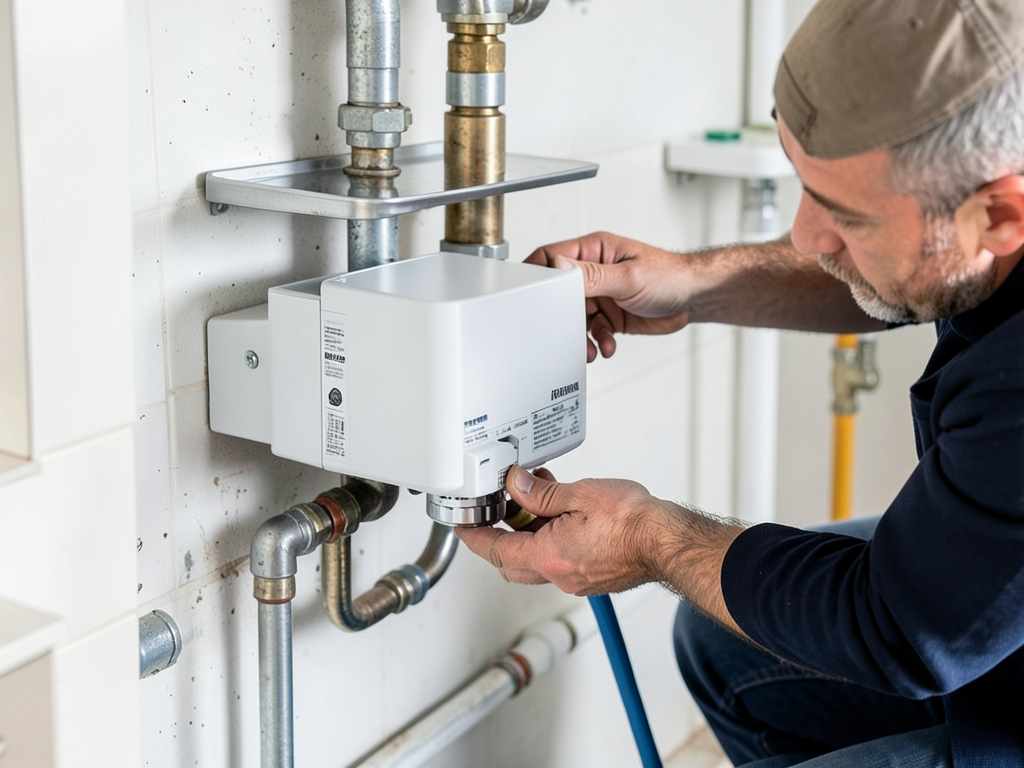
Image Placeholder 2: Professional plumber installing an under-sink automatic grease removal unit, showing the compact design and connection points to existing plumbing.
Bio-Enzymatic Drain Maintenance Systems
Bio-enzymatic systems use beneficial bacteria to break down FOG before it can cause problems in your plumbing. These systems introduce specialized microorganisms into your drain lines that consume fats, oils, and grease as part of their natural metabolic processes. The bacteria convert FOG into harmless byproducts like water and carbon dioxide.
This approach works best as a preventative measure rather than a solution for existing grease buildup. The bacteria need time to establish colonies in your pipes and work most effectively when FOG levels are relatively low. For kitchens that produce moderate amounts of grease, bio-enzymatic systems can significantly reduce the need for mechanical grease removal.
Application methods vary by product. Some systems use timed dosing pumps that automatically release bacteria at optimal intervals. Others come as drain treatments that homeowners add manually. The key is consistency, as the bacterial colonies need regular replenishment to maintain effectiveness.
Bio-enzymatic systems offer several benefits beyond FOG control. They also help eliminate odors by breaking down organic matter that causes foul smells. They’re environmentally friendly, using natural processes rather than harsh chemicals. And they can help maintain overall drain health by preventing the buildup of various organic materials.
However, these systems have limitations. They work slowly and may not be sufficient for kitchens that produce large amounts of grease. They also require ongoing product purchases to maintain effectiveness. In Greenwich’s climate, where pipes can get quite cold in winter, the bacteria may become less active during extreme cold snaps.
Grease Recovery Devices: Compact and Efficient
Grease Recovery Devices, or GRDs, offer a middle ground between traditional traps and advanced AGRUs. These units use a combination of gravity separation and mechanical collection to remove FOG from wastewater. They’re significantly smaller than traditional traps, often measuring just 12-18 inches in diameter and 24-36 inches in height.
GRDs work by slowing wastewater flow through a series of baffles and collection chambers. As water velocity decreases, FOG rises to the surface where it’s collected in a removable container. Some models include heating elements to keep grease liquid for easier removal, while others rely on the natural cooling process to solidify grease for collection.
The compact size of GRDs makes them ideal for retrofitting into existing kitchens. They can often be installed under sinks or in adjacent cabinets with minimal plumbing modifications. This makes them particularly attractive for Greenwich’s historic homes where space is at a premium and major renovations are undesirable.
Maintenance requirements for GRDs fall between manual traps and AGRUs. Most units need cleaning every 1-3 months, depending on usage. The process is relatively simple, involving removing a collection container and disposing of the solidified grease. Some models feature quick-release mechanisms that make cleaning even easier.
Cost-wise, GRDs represent a good balance between upfront investment and long-term maintenance. Initial costs are lower than AGRUs but higher than manual traps. The reduced maintenance frequency compared to manual systems often results in better long-term value for busy households.
Call (475) 320-3733 today to schedule a professional kitchen plumbing assessment and prevent costly backups before they happen.
Greenwich Plumbing Codes and Local Requirements
The Town of Greenwich Department of Public Works maintains specific regulations regarding FOG management for residential properties. Under Section 26-216 of the Greenwich Plumbing Code, any kitchen producing significant grease waste must have appropriate FOG control measures in place. This requirement applies to both new construction and major renovations.
For homes connected to municipal sewer systems, the regulations focus on preventing FOG from entering public infrastructure. The Greenwich Sewer Division conducts regular inspections and can issue citations for properties that contribute excessive FOG to the system. These citations can result in fines and mandatory corrective action.
Properties with private septic systems face additional considerations. FOG can significantly reduce septic system efficiency by creating a scum layer that interferes with normal bacterial processes. The Connecticut Public Health Code requires proper FOG management for any property with a septic system, with specific requirements varying by system size and household usage.
Historic districts in Greenwich, including areas around the Bruce Museum and Greenwich Avenue, may have additional restrictions on plumbing modifications. Any system installation in these areas must comply with both modern code requirements and historic preservation guidelines. This often means choosing solutions that minimize visible alterations to existing structures.
Permitting requirements vary by project scope. Simple under-sink installations may qualify for minor plumbing permits, while larger systems might require full building permits. The Greenwich Building Department can provide guidance on specific requirements for your property and chosen system.
Installation Process and Professional Recommendations
Professional installation is crucial for any FOG management system to function properly. The process typically begins with a site assessment where a licensed plumber evaluates your kitchen layout, existing plumbing, and FOG production patterns. This assessment helps determine the most appropriate system type and size.
Installation usually requires 2-4 hours for most residential systems. The plumber must shut off water supply, modify existing drain lines, install the new system, and test all connections. For under-sink units, this often involves accessing wall cavities or cabinets to route plumbing properly.
One critical consideration is the system’s connection to your home’s drainage network. Proper venting is essential to prevent pressure buildup and ensure efficient FOG separation. In some cases, existing vent lines may need modification to accommodate the new system.
After installation, the plumber should provide comprehensive training on system operation and maintenance. This includes demonstrating cleaning procedures, explaining warning signs of potential problems, and establishing a maintenance schedule. Many homeowners find this training invaluable for getting the most from their investment.
Professional plumbers in Greenwich should be familiar with local soil conditions, particularly in areas with high clay content or poor drainage. These factors can influence system performance and may require additional considerations during installation. Emergency Plumbers in Greenwich Who Actually Answer the Phone at 3 AM.
Cost-Benefit Analysis of Grease Management Solutions
Understanding the true cost of FOG management requires looking beyond initial purchase prices. Manual grease traps typically cost $200-$500 but require monthly cleaning that takes 30-60 minutes. Over five years, the labor cost alone can exceed the initial investment, not counting potential plumbing emergencies from inadequate maintenance.
GRDs range from $800-$2,000 and need cleaning every 1-3 months. While the upfront cost is higher, the reduced maintenance frequency and better FOG removal efficiency often result in lower total cost of ownership. These systems also reduce the risk of plumbing emergencies, which can cost thousands to resolve.
AGRU systems represent the highest initial investment at $2,000-$4,000 but offer the lowest long-term costs. With cleaning required only every 3-6 months and superior FOG removal, these systems often pay for themselves through prevented plumbing issues and reduced maintenance time.
Bio-enzymatic systems operate on a subscription model, with monthly product costs of $30-$80. While the initial investment is minimal, ongoing costs continue indefinitely. However, these systems can significantly extend the life of existing plumbing, potentially saving thousands in premature replacement costs.
The value proposition changes based on your specific situation. High-volume home kitchens may justify the investment in advanced systems, while occasional cooks might find manual traps sufficient. Consider your cooking habits, property value, and risk tolerance when making your decision.
Maintenance Best Practices for Residential Systems
Regardless of which system you choose, proper maintenance is essential for optimal performance. For manual traps, establish a regular cleaning schedule based on your cooking frequency. Mark your calendar for the first of each month or after heavy cooking periods like holidays.
GRD maintenance involves removing collection containers and disposing of solidified grease. Most units feature quick-release mechanisms that make this process simple. Always wear gloves and avoid pouring hot water directly into the unit, as this can liquefy grease and defeat the separation process.
AGRU systems require less frequent attention but shouldn’t be ignored. Check the collection container every 3 months and empty it when it’s about 75% full. Some units feature automatic alerts, but manual checks provide peace of mind and catch potential issues early.
For bio-enzymatic systems, consistency is key. Add treatments on schedule, even if drains seem to be working fine. The bacterial colonies need regular replenishment to maintain effectiveness. During periods of heavy cooking or when using antibacterial cleaning products, you may need to increase treatment frequency.
Watch for warning signs that indicate maintenance is needed sooner than scheduled. Slow drains, gurgling sounds, or foul odors suggest your system isn’t keeping up with FOG production. Address these issues promptly to prevent more serious problems.
Environmental Impact and Responsible Disposal
Proper FOG disposal benefits both your home and the environment. When grease enters municipal sewer systems, it can combine with other debris to form fatbergs, massive underground blockages that require expensive removal. In Greenwich’s aging sewer infrastructure, these blockages can cause sewage overflows that contaminate local waterways.
The Long Island Sound, which borders Greenwich, is particularly vulnerable to water quality issues. FOG-related sewage overflows can introduce harmful bacteria and nutrients that disrupt marine ecosystems. By managing grease properly, you’re helping protect this valuable natural resource.
Responsible disposal methods include solidifying grease and placing it in household trash, using municipal grease recycling programs when available, or working with licensed waste haulers for larger quantities. Never pour liquid grease down drains or attempt to compost it, as this can attract pests and create odor problems.
Some Greenwich restaurants participate in grease recycling programs that convert waste oil into biodiesel. While these programs aren’t typically available for residential users, they demonstrate the potential for turning waste into valuable resources when handled properly.
Consider the full lifecycle of your FOG management system. While some solutions require more resources to manufacture, they may result in less environmental impact over their lifetime through reduced maintenance needs and better performance.
Emergency Response and Troubleshooting
Even with proper FOG management, emergencies can occur. A sudden drain backup might indicate a blockage beyond your grease control system, or a malfunctioning unit could allow FOG to bypass collection mechanisms. Knowing how to respond quickly can minimize damage and restoration costs.
Initial signs of trouble often include slow draining sinks, gurgling sounds from drains, or foul odors emanating from plumbing fixtures. These symptoms suggest FOG buildup somewhere in your system and warrant immediate attention before complete blockage occurs.
For minor slow drains, try using a plunger or drain snake before calling for professional help. However, avoid chemical drain cleaners, as these can damage pipes and interfere with biological systems. If problems persist after basic troubleshooting, professional assessment is warranted.
During a complete backup, stop using all water fixtures immediately to prevent flooding. If sewage is involved, avoid contact and ventilate the area. Document the damage with photos for insurance purposes. Most homeowner’s insurance policies cover sudden plumbing failures but may exclude gradual FOG-related damage.
Emergency plumbing services in Greenwich typically charge premium rates for after-hours calls, with fees often 1.5-2 times standard rates. Having a relationship with a reliable plumber before emergencies occur can result in faster response times and potentially better rates.
Pick up the phone and call (475) 320-3733 before the next storm hits. Don’t let a grease backup ruin your holiday dinner or damage your home’s plumbing system.
Future Trends in Residential FOG Management
The residential FOG management industry continues to evolve with new technologies emerging regularly. Smart grease control systems now incorporate sensors that monitor FOG levels, track usage patterns, and even predict maintenance needs based on cooking habits. These systems can send alerts to smartphones when attention is needed.
Advanced materials are improving system efficiency and durability. New grease-resistant coatings for pipes and collection chambers reduce FOG adhesion, making systems more effective and easier to clean. Some manufacturers are experimenting with self-cleaning mechanisms that use ultrasonic technology to prevent buildup.
Integration with home automation systems represents another trend. Future FOG management units may coordinate with smart appliances to optimize performance. For example, a system might communicate with a smart oven to anticipate FOG production and adjust collection parameters accordingly.
Environmental regulations continue to tighten, potentially affecting residential FOG management requirements. Connecticut may adopt stricter standards similar to those already in place for commercial kitchens. Staying ahead of these trends by investing in advanced systems now could provide long-term benefits.
Research into biological solutions continues to advance, with scientists developing more efficient bacterial strains and delivery methods. These improvements could make bio-enzymatic systems more effective and reliable, potentially reducing the need for mechanical grease removal in many applications.
Making the Right Choice for Your Home
Selecting the appropriate FOG management system requires balancing several factors: your cooking habits, kitchen layout, budget, and local regulations. Start by honestly assessing your FOG production. Do you frequently fry foods or cook with large amounts of oil? Or do you primarily use minimal cooking fats?
Consider your kitchen’s physical constraints. Under-sink installation limits your options to compact systems, while more flexible layouts might accommodate larger units. Historic homes in Greenwich’s preservation districts may require systems that minimize visible alterations.
Budget considerations extend beyond initial costs. Factor in maintenance time, cleaning supplies, and potential emergency repair costs. Sometimes a higher upfront investment results in lower total cost of ownership over the system’s lifetime.
Consult with local plumbing professionals who understand Greenwich’s specific challenges. They can provide insights about local soil conditions, municipal requirements, and system performance in coastal environments. Their experience with similar installations can help you avoid common pitfalls.
Remember that FOG management is an ongoing responsibility, not a one-time installation. Choose a system you can maintain consistently, and establish relationships with service providers before emergencies occur. Your diligence will protect your home’s plumbing and contribute to the community’s infrastructure health.
Frequently Asked Questions
How often should I clean my grease trap or recovery device?
Cleaning frequency depends on your system type and cooking habits. Manual traps typically need monthly cleaning, while automatic units may go 3-6 months between services. Watch for slow drains or odors as signs that cleaning is needed sooner.
Can I install a grease management system myself?
While some homeowners attempt DIY installation, professional installation is strongly recommended. Proper sizing, venting, and connection to existing plumbing require expertise. DIY installations may void warranties and fail to meet local code requirements.
What happens if I don’t manage FOG properly?
Improper FOG management can cause severe plumbing problems including complete drain blockages, sewage backups, and damage to septic systems. You may also face fines from the Town of Greenwich for violating sewer regulations and potentially costly emergency repairs.
Are grease management systems expensive to operate?
Operating costs vary by system type. Manual systems have minimal costs but require significant time investment. Advanced systems have higher upfront costs but lower ongoing expenses. Most homeowners find the cost of prevention far less than emergency repairs would be.
Do I need a permit to install a grease management system?
Permit requirements depend on the system type and installation scope. Simple under-sink units may not require permits, while larger systems typically do. Check with the Greenwich Building Department to determine specific requirements for your project. For more information, visit ASME A112.14.3 Standards.
You may also find this helpful. Adding a Pot Filler Above Your Professional Range (Is the Plumbing Worth It?).
{
“@context”: “https://schema.org”,
“@type”: “BlogPosting”,
“headline”: “Managing Grease and Waste in Your Professional-Grade Home Kitchen in Greenwich”,
“description”: “Learn how to handle FOG waste in high-end home kitchens. Discover grease trap alternatives, local codes, and professional solutions for Greenwich homeowners.”,
“wordCount”: 3354,
“datePublished”: “2026-05-19T15:21:00.000Z”,
“dateModified”: “2026-05-19T15:21:00.000Z”,
“inLanguage”: “en-US”,
“mainEntityOfPage”: {
“@type”: “WebPage”,
“@id”: “https://unitedplumbinggreenwich.com”
},
“publisher”: {
“@type”: “LocalBusiness”,
“name”: “United Plumbing Greenwich”,
“url”: “https://unitedplumbinggreenwich.com”
},
“author”: {
“@type”: “Organization”,
“name”: “United Plumbing Greenwich”,
“url”: “https://unitedplumbinggreenwich.com”
},
“image”: {
“@type”: “ImageObject”,
“url”: “https://unitedplumbinggreenwich.com/wp-content/uploads/2026/03/managing-grease-and-waste-in-your-professional-gra-1.png”
}
}
{
“@context”: “https://schema.org”,
“@type”: “Plumber”,
“name”: “United Plumbing Greenwich”,
“url”: “https://unitedplumbinggreenwich.com”,
“address”: {
“@type”: “PostalAddress”,
“addressLocality”: “Greenwich”
},
“areaServed”: {
“@type”: “City”,
“name”: “Greenwich”
}
}
{
“@context”: “https://schema.org”,
“@type”: “FAQPage”,
“mainEntity”: [
{
“@type”: “Question”,
“name”: “How often should I clean my grease trap or recovery device?”,
“acceptedAnswer”: {
“@type”: “Answer”,
“text”: “Cleaning frequency depends on your system type and cooking habits. Manual traps typically need monthly cleaning, while automatic units may go 3-6 months between services. Watch for slow drains or odors as signs that cleaning is needed sooner.”
}
},
{
“@type”: “Question”,
“name”: “Can I install a grease management system myself?”,
“acceptedAnswer”: {
“@type”: “Answer”,
“text”: “While some homeowners attempt DIY installation, professional installation is strongly recommended. Proper sizing, venting, and connection to existing plumbing require expertise. DIY installations may void warranties and fail to meet local code requirements.”
}
},
{
“@type”: “Question”,
“name”: “What happens if I don’t manage FOG properly?”,
“acceptedAnswer”: {
“@type”: “Answer”,
“text”: “Improper FOG management can cause severe plumbing problems including complete drain blockages, sewage backups, and damage to septic systems. You may also face fines from the Town of Greenwich for violating sewer regulations and potentially costly emergency repairs.”
}
},
{
“@type”: “Question”,
“name”: “Are grease management systems expensive to operate?”,
“acceptedAnswer”: {
“@type”: “Answer”,
“text”: “Operating costs vary by system type. Manual systems have minimal costs but require significant time investment. Advanced systems have higher upfront costs but lower ongoing expenses. Most homeowners find the cost of prevention far less than emergency repairs would be.”
}
},
{
“@type”: “Question”,
“name”: “Do I need a permit to install a grease management system?”,
“acceptedAnswer”: {
“@type”: “Answer”,
“text”: “Permit requirements depend on the system type and installation scope. Simple under-sink units may not require permits, while larger systems typically do. Check with the Greenwich Building Department to determine specific requirements for your project. For more information, visit ASME A112.14.3 Standards.”
}
}
]
}
{
“@context”: “https://schema.org”,
“@type”: “BreadcrumbList”,
“itemListElement”: [
{
“@type”: “ListItem”,
“position”: 1,
“name”: “Home”,
“item”: “https://unitedplumbinggreenwich.com”
},
{
“@type”: “ListItem”,
“position”: 2,
“name”: “Blog”,
“item”: “https://unitedplumbinggreenwich.com/blog”
},
{
“@type”: “ListItem”,
“position”: 3,
“name”: “Managing Grease and Waste in Your Professional-Grade Home Kitchen in Greenwich”
}
]
}
{
“@context”: “https://schema.org”,
“@type”: “Service”,
“serviceType”: “Plumbing”,
“provider”: {
“@type”: “LocalBusiness”,
“name”: “United Plumbing Greenwich”,
“url”: “https://unitedplumbinggreenwich.com”
},
“areaServed”: {
“@type”: “City”,
“name”: “Greenwich”
},
“description”: “Learn how to handle FOG waste in high-end home kitchens. Discover grease trap alternatives, local codes, and professional solutions for Greenwich homeowners.”
}