
The Unique Challenges of Updating Plumbing in a Pre-War Home in Glenville
Updating plumbing in a pre-war home in Glenville presents unique challenges that require specialized knowledge and careful preservation techniques. These historic homes, built before World War II, often contain original plumbing systems that have reached the end of their useful life but must be updated without compromising the home’s architectural integrity. Plumbing Stamford.
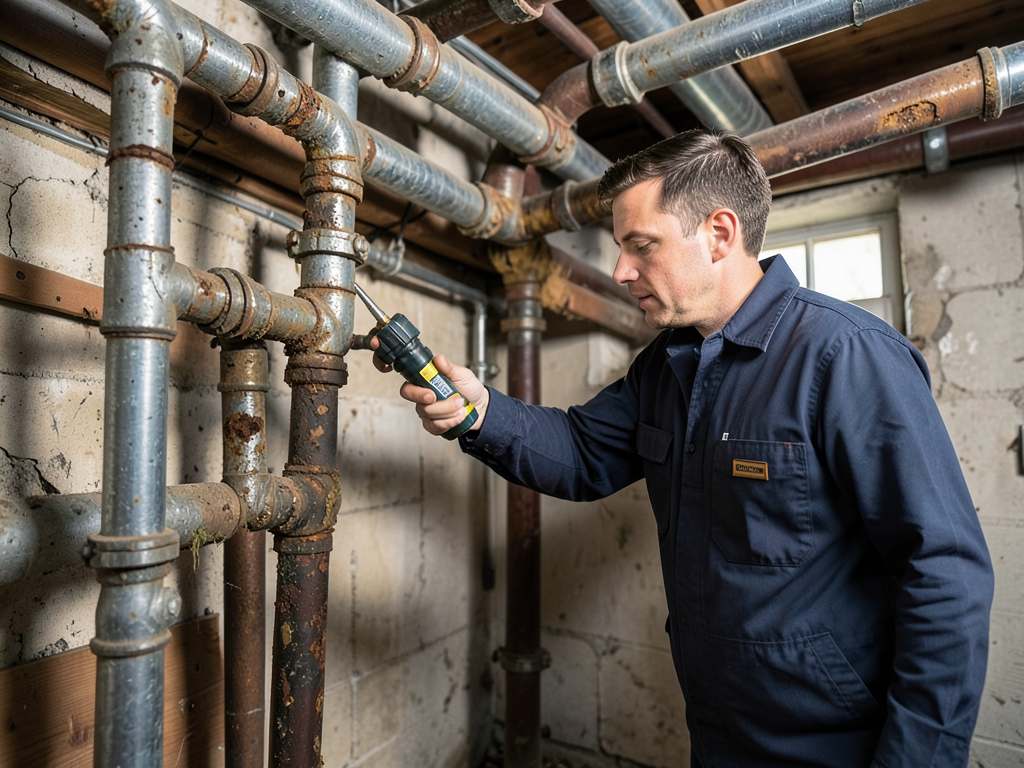
Glenville’s pre-war homes typically feature materials like galvanized steel pipes, lead service lines, and cast iron drain stacks that have deteriorated over the decades. The challenge lies in modernizing these systems while preserving the home’s historic character and meeting current Connecticut building codes. The Most Reliable Drain Cleaning Services in Old Greenwich.
The specific soil composition in Glenville, with its mix of clay and rocky terrain, can complicate underground work and affect how pipes settle over time. Additionally, Glenville’s proximity to the coast means higher humidity levels that can accelerate corrosion in older metal pipes.
Common Plumbing Materials Found in Glenville Pre-War Homes
Understanding what you’re working with is the first step in any historic plumbing renovation. Glenville’s pre-war homes commonly contain several outdated materials that require special handling.. Read more about Why Every Historic Home in Central Greenwich Needs a Radiator Health Check.
Galvanized steel pipes were the standard for water supply lines before the 1960s. These pipes corrode from the inside out, reducing water pressure and introducing rust into the water supply. A typical Glenville home built in the 1920s or 1930s may have completely blocked galvanized pipes that deliver only a trickle of water.. Read more about Why a Smart Water Shut Off Valve Is the Best Insurance for Your Waterfront Home in Riverside.
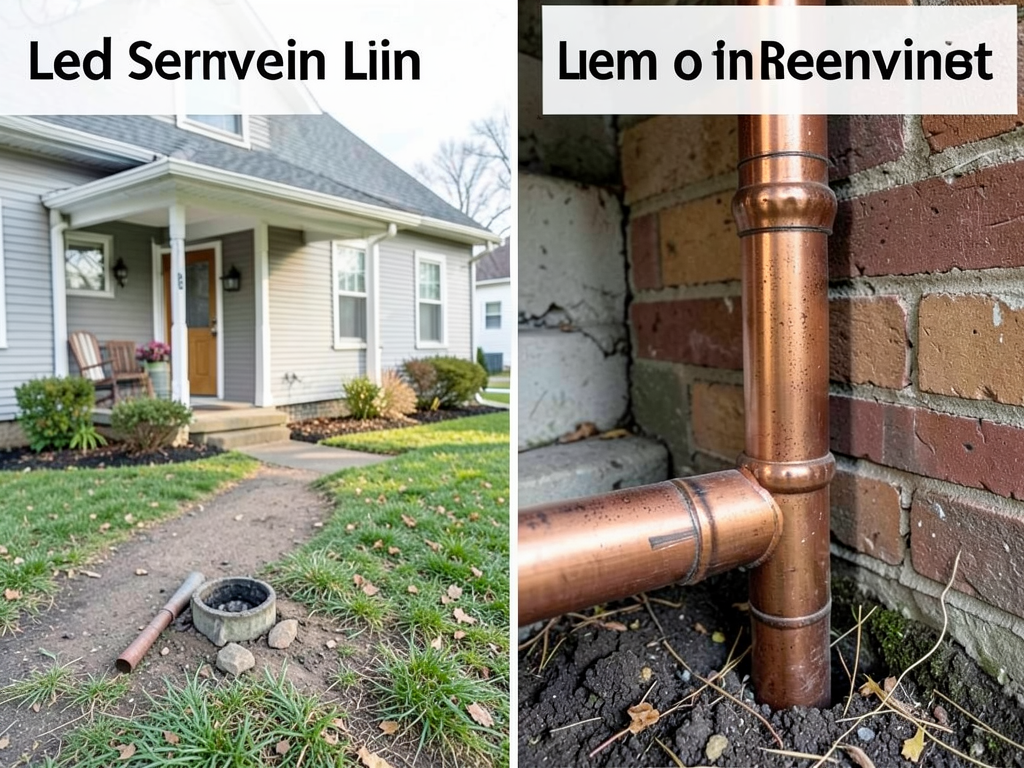
Lead service lines were commonly used to connect homes to the municipal water supply until the 1950s. The Aquarion Water Company, which serves Glenville, has been actively replacing lead service lines throughout Fairfield County, but many pre-war homes still have the original lead connections. Aquarion Water Company service area.
Cast iron soil stacks handle waste and vent pipes in these older homes. While durable, cast iron becomes brittle with age and can crack, especially at the joints where it connects to newer materials.
Comparison of Common Pre-War Plumbing Materials
| Material | Typical Lifespan | Common Issues | Modern Replacement |
|---|---|---|---|
| Galvanized Steel | 40-50 years | Internal corrosion, reduced pressure | Copper or PEX |
| Lead | 50-70 years | Lead contamination, brittle joints | Copper or PEX |
| Cast Iron | 50-100 years | Cracking, root intrusion | ABS or PVC |
| Clay Sewer | 50-60 years | Joint separation, root intrusion | HDPE or PVC |
Preserving Historic Features While Modernizing Systems
The key to successful plumbing updates in Glenville’s historic homes is finding the balance between modern functionality and historic preservation. Many homeowners want to maintain original features like clawfoot tubs, pedestal sinks, and exposed radiator pipes.. Read more about Plumbing Repairs Needed to Pass a Greenwich Home Inspection.
Modern reproduction fixtures that match the period style are often the best solution. These fixtures meet current code requirements while maintaining the home’s aesthetic. For example, a modern clawfoot tub with concealed PEX supply lines can provide the vintage look with reliable performance.
Exposed plumbing in pre-war homes often becomes a design feature. Instead of hiding modern PEX lines in walls, they can be routed through existing chases and painted to match the original color scheme. This approach preserves the home’s character while ensuring reliable water delivery.
Radiator systems in Glenville’s pre-war homes require special consideration. Many of these systems use original pipes that have corroded or developed leaks. Modern PEX-aluminum-PEX composite pipes can replace damaged sections while maintaining the system’s original appearance.
Navigating Greenwich Building Codes and Permits
Updating plumbing in a historic Glenville home requires careful attention to local building codes and permit requirements. The Town of Greenwich Building Department has specific guidelines for work in historic districts and older homes. EPA information on lead in drinking water.
According to the Connecticut State Building Code, which adopts the International Plumbing Code with state amendments, lead service line replacement must be done by licensed professionals and requires a permit. The code also mandates specific backflow prevention devices in older homes when the plumbing system is modified.
Historic preservation considerations may affect how work can be done. The Greenwich Historical Society provides guidelines for renovations that maintain the character of historic properties. These guidelines often influence how visible plumbing components can be modified or replaced.. Read more about Upgrading to a TOTO Washlet in Your Greenwich Master Suite.
Permitting typically requires detailed plans showing the proposed changes, especially when modifying the main water service or drain lines. The permit process ensures that work meets current safety standards while respecting the home’s historic nature.
Water Pressure Challenges in Multi-Story Pre-War Homes
Glenville’s pre-war homes often feature three or more stories, creating unique water pressure challenges. The original plumbing systems were designed for lower pressure and smaller fixture flow rates than modern expectations.
Galvanized pipes that have corroded from the inside can reduce water pressure by 50% or more. In a three-story Glenville home, this means upper floors may have barely usable water pressure for showers and fixtures.
Modern pressure-boosting systems can solve this issue without major structural modifications. Variable-speed booster pumps can increase pressure throughout the home while maintaining the existing pipe layout. These systems are particularly useful in Glenville’s hillside homes where elevation changes create additional pressure challenges.
Water hammer arrestors are essential in older homes where pipes may not be properly secured. The sound of banging pipes when fixtures are turned off indicates water hammer, which can damage old pipe joints and lead to leaks.
Trenchless Technology for Minimal Impact Repairs
Traditional sewer line replacement often requires extensive excavation that can damage historic landscaping and foundations. Trenchless technology offers solutions that preserve the home’s exterior while replacing damaged pipes. Emergency Sewer Backup Cleanup.
Cured-in-place pipe lining can repair damaged sewer lines without excavation. This process involves inserting a flexible liner coated with epoxy resin into the existing pipe, then inflating it to cure and form a new pipe within the old one. This method is particularly valuable in Glenville where mature trees and established landscaping make excavation difficult. Why We Are the Top Rated Pipe Repair Specialists in Byram.
Pipe bursting can replace collapsed sewer lines by pulling a new pipe through the old one while simultaneously breaking apart the damaged pipe. This technique requires only small access pits rather than trenching the entire line.
These trenchless methods are especially important in Glenville’s historic districts where exterior modifications may be restricted. They allow for complete system replacement without visible changes to the property.
Lead Pipe Replacement and Water Quality
Lead service lines pose health risks, particularly in homes with young children or pregnant women. The EPA’s Lead and Copper Rule requires water utilities to address lead contamination, but the responsibility for service line replacement often falls to homeowners.
Identifying lead pipes is crucial before any renovation work. A simple scratch test can reveal lead pipes – they scratch easily and appear shiny when scraped. Lead pipes are often found in the basement where the water service enters the home.
Complete lead service line replacement involves removing both the utility-owned portion and the homeowner’s portion. This work must be coordinated with Aquarion Water Company and requires permits from the Town of Greenwich.
Water quality testing before and after lead pipe replacement provides documentation of improvement. Many Glenville homeowners choose to replace lead pipes as part of broader plumbing renovations to ensure safe drinking water throughout the home.
Case Study: Glenville Colonial Renovation
A recent project in Glenville’s historic district demonstrates the challenges and solutions involved in updating pre-war plumbing. This 1920s Colonial home had galvanized supply lines, lead service pipe, and cast iron drains that were all failing.
The homeowners wanted to maintain the home’s historic character while ensuring reliable plumbing for their growing family. The project involved complete re-piping using PEX-a expansion piping, which offered several advantages for this historic renovation.
PEX-a’s flexibility allowed for routing through existing wall cavities without removing plaster walls. The material’s resistance to scale buildup addressed the hard water issues common in Greenwich. Expansion fittings eliminated the need for torches near original wood framing.
The lead service line was replaced with copper, and the cast iron drain system was upgraded to modern ABS while preserving the original vent configuration. The project maintained all visible historic features while providing modern reliability.
Cost Factors and Investment Considerations
Plumbing renovations in historic Glenville homes typically cost 30-50% more than similar work in modern homes due to the specialized techniques and preservation requirements involved.
Several factors affect the total cost. The extent of deterioration often exceeds initial expectations once work begins. Hidden damage behind walls or under floors can add significant costs to the project.
Permit fees in Greenwich vary based on project scope. Historic district properties may require additional review, extending the approval timeline by several weeks.
While the upfront cost is substantial, updated plumbing systems protect the home’s value and prevent costly water damage. Many Glenville homeowners view these renovations as essential maintenance for their historic investment.
Maintenance Tips for Updated Historic Plumbing
After investing in updated plumbing, proper maintenance helps protect that investment. Regular inspections can catch small issues before they become major problems in historic homes.
Water pressure monitoring helps identify developing issues. A sudden drop in pressure may indicate a leak or blockage in the system. Pressure gauges installed at key points can provide early warning of problems.
Drain maintenance is crucial in older homes. Even modern pipes can develop issues in historic drainage systems. Annual drain cleaning prevents buildup that can cause backups.
Water heater maintenance extends the life of the entire plumbing system. Flushing the tank annually removes sediment that can cause corrosion and reduce efficiency.. Read more about Why Your High Efficiency Boiler Is Leaking Water on the Floor — Understanding Condensate Lines.
Seasonal checks before winter ensure pipes are protected from freezing. Even with modern materials, poor insulation in historic homes can lead to frozen pipes and costly damage.
Choosing the Right Contractor for Historic Plumbing Work
Not all plumbers have experience with historic home renovations. Look for contractors who understand the unique challenges of Glenville’s pre-war homes and have completed similar projects. Emergency Plumbers in Greenwich Who Actually Answer the Phone at 3 AM.
Experience with local building codes and permit processes is essential. A contractor familiar with Greenwich’s requirements can navigate the approval process more efficiently.
Preservation experience matters. The best contractors for historic work understand how to balance modern functionality with historic integrity. They should be able to suggest solutions that maintain the home’s character while providing reliable performance.
Insurance and licensing should be current and adequate for the scope of work. Historic home renovations often involve higher values and more complex liability considerations than standard plumbing work.
References from similar projects provide insight into a contractor’s capabilities. Ask to see examples of historic home plumbing renovations they’ve completed in the Greenwich area.
Frequently Asked Questions
How do I know if my Glenville home has lead pipes?
Lead pipes are typically found in homes built before 1950. You can identify them by their soft, easily scratched surface and gray color. A scratch test reveals shiny metal underneath. Professional testing can confirm lead presence and determine if replacement is needed.
Can I keep my original clawfoot tub during plumbing updates?
Yes, original fixtures can often be preserved and integrated into updated systems. Modern supply lines can be concealed while maintaining the tub’s appearance. The key is working with a contractor experienced in historic renovations who can suggest preservation-friendly solutions.
How long does a complete plumbing renovation take in a historic home?
Most complete plumbing renovations in historic Glenville homes take 2-4 weeks, depending on the scope and any unexpected issues discovered during the work. Permit approval can add 2-4 weeks to the timeline. Your contractor should provide a detailed schedule after the initial inspection.
Will I need to leave my home during the renovation?
In most cases, you can remain in your home during plumbing updates. Contractors typically work room by room to maintain partial functionality. However, there may be brief periods when water service is interrupted. Your contractor will coordinate these shutdowns to minimize disruption.
What permits are required for plumbing work in historic Glenville homes?
Most plumbing renovations require permits from the Town of Greenwich Building Department. Work involving the main water service, sewer lines, or significant modifications typically requires detailed plans. Historic district properties may need additional approvals from preservation boards.
Ready to Update Your Historic Glenville Home’s Plumbing?
Updating plumbing in a pre-war home requires specialized knowledge and careful preservation techniques. Don’t trust this complex work to just any plumber. United Plumbing has extensive experience with historic home renovations throughout Greenwich, including Glenville’s unique pre-war properties.
Our team understands the delicate balance between modern functionality and historic preservation. We’re familiar with local building codes, permit requirements, and the specific challenges of Glenville’s historic homes.
Call (475) 320-3733 today to schedule your inspection. We’ll evaluate your existing plumbing system, identify potential issues, and provide a detailed plan for updating your home’s plumbing while preserving its historic character.
Don’t wait until a plumbing emergency forces your hand. Proactive updates can prevent costly damage and ensure your historic Glenville home continues to provide comfort and reliability for years to come. Pick up the phone and call (475) 320-3733 before the next problem arises.
You may also find this helpful. Stopping That Annoying Hissing Sound from Your Steam Radiators.
You may also find this helpful. Adding a Wet Bar to Your Riverside Home Office (Plumbing Costs and Requirements).
{
“@context”: “https://schema.org”,
“@type”: “BlogPosting”,
“headline”: “The Unique Challenges of Updating Plumbing in a Pre-War Home in Glenville”,
“description”: “Learn the specific challenges of updating plumbing in Glenville’s historic pre-war homes. From lead pipes to antique fixtures, discover preservation-first solutions.”,
“wordCount”: 2170,
“datePublished”: “2026-04-15T07:10:00.000Z”,
“dateModified”: “2026-04-15T07:10:00.000Z”,
“inLanguage”: “en-US”,
“mainEntityOfPage”: {
“@type”: “WebPage”,
“@id”: “https://unitedplumbinggreenwich.com”
},
“publisher”: {
“@type”: “LocalBusiness”,
“name”: “United Plumbing Greenwich”,
“url”: “https://unitedplumbinggreenwich.com”
},
“author”: {
“@type”: “Organization”,
“name”: “United Plumbing Greenwich”,
“url”: “https://unitedplumbinggreenwich.com”
},
“image”: {
“@type”: “ImageObject”,
“url”: “https://unitedplumbinggreenwich.com/wp-content/uploads/2026/03/the-unique-challenges-of-updating-plumbing-in-a-pr-1.png”
}
}
{
“@context”: “https://schema.org”,
“@type”: “Plumber”,
“name”: “United Plumbing Greenwich”,
“url”: “https://unitedplumbinggreenwich.com”,
“address”: {
“@type”: “PostalAddress”,
“addressLocality”: “Greenwich”
},
“areaServed”: {
“@type”: “City”,
“name”: “Greenwich”
}
}
{
“@context”: “https://schema.org”,
“@type”: “FAQPage”,
“mainEntity”: [
{
“@type”: “Question”,
“name”: “How do I know if my Glenville home has lead pipes?”,
“acceptedAnswer”: {
“@type”: “Answer”,
“text”: “Lead pipes are typically found in homes built before 1950. You can identify them by their soft, easily scratched surface and gray color. A scratch test reveals shiny metal underneath. Professional testing can confirm lead presence and determine if replacement is needed.”
}
},
{
“@type”: “Question”,
“name”: “Can I keep my original clawfoot tub during plumbing updates?”,
“acceptedAnswer”: {
“@type”: “Answer”,
“text”: “Yes, original fixtures can often be preserved and integrated into updated systems. Modern supply lines can be concealed while maintaining the tub’s appearance. The key is working with a contractor experienced in historic renovations who can suggest preservation-friendly solutions.”
}
},
{
“@type”: “Question”,
“name”: “How long does a complete plumbing renovation take in a historic home?”,
“acceptedAnswer”: {
“@type”: “Answer”,
“text”: “Most complete plumbing renovations in historic Glenville homes take 2-4 weeks, depending on the scope and any unexpected issues discovered during the work. Permit approval can add 2-4 weeks to the timeline. Your contractor should provide a detailed schedule after the initial inspection.”
}
},
{
“@type”: “Question”,
“name”: “Will I need to leave my home during the renovation?”,
“acceptedAnswer”: {
“@type”: “Answer”,
“text”: “In most cases, you can remain in your home during plumbing updates. Contractors typically work room by room to maintain partial functionality. However, there may be brief periods when water service is interrupted. Your contractor will coordinate these shutdowns to minimize disruption.”
}
},
{
“@type”: “Question”,
“name”: “What permits are required for plumbing work in historic Glenville homes?”,
“acceptedAnswer”: {
“@type”: “Answer”,
“text”: “Most plumbing renovations require permits from the Town of Greenwich Building Department. Work involving the main water service, sewer lines, or significant modifications typically requires detailed plans. Historic district properties may need additional approvals from preservation boards.”
}
},
{
“@type”: “Question”,
“name”: “Ready to Update Your Historic Glenville Home’s Plumbing?”,
“acceptedAnswer”: {
“@type”: “Answer”,
“text”: “Updating plumbing in a pre-war home requires specialized knowledge and careful preservation techniques. Don’t trust this complex work to just any plumber. United Plumbing has extensive experience with historic home renovations throughout Greenwich, including Glenville’s unique pre-war properties.”
}
}
]
}
{
“@context”: “https://schema.org”,
“@type”: “BreadcrumbList”,
“itemListElement”: [
{
“@type”: “ListItem”,
“position”: 1,
“name”: “Home”,
“item”: “https://unitedplumbinggreenwich.com”
},
{
“@type”: “ListItem”,
“position”: 2,
“name”: “Blog”,
“item”: “https://unitedplumbinggreenwich.com/blog”
},
{
“@type”: “ListItem”,
“position”: 3,
“name”: “The Unique Challenges of Updating Plumbing in a Pre-War Home in Glenville”
}
]
}
{
“@context”: “https://schema.org”,
“@type”: “Service”,
“serviceType”: “Plumbing”,
“provider”: {
“@type”: “LocalBusiness”,
“name”: “United Plumbing Greenwich”,
“url”: “https://unitedplumbinggreenwich.com”
},
“areaServed”: {
“@type”: “City”,
“name”: “Greenwich”
},
“description”: “Learn the specific challenges of updating plumbing in Glenville’s historic pre-war homes. From lead pipes to antique fixtures, discover preservation-first solutions.”
}