
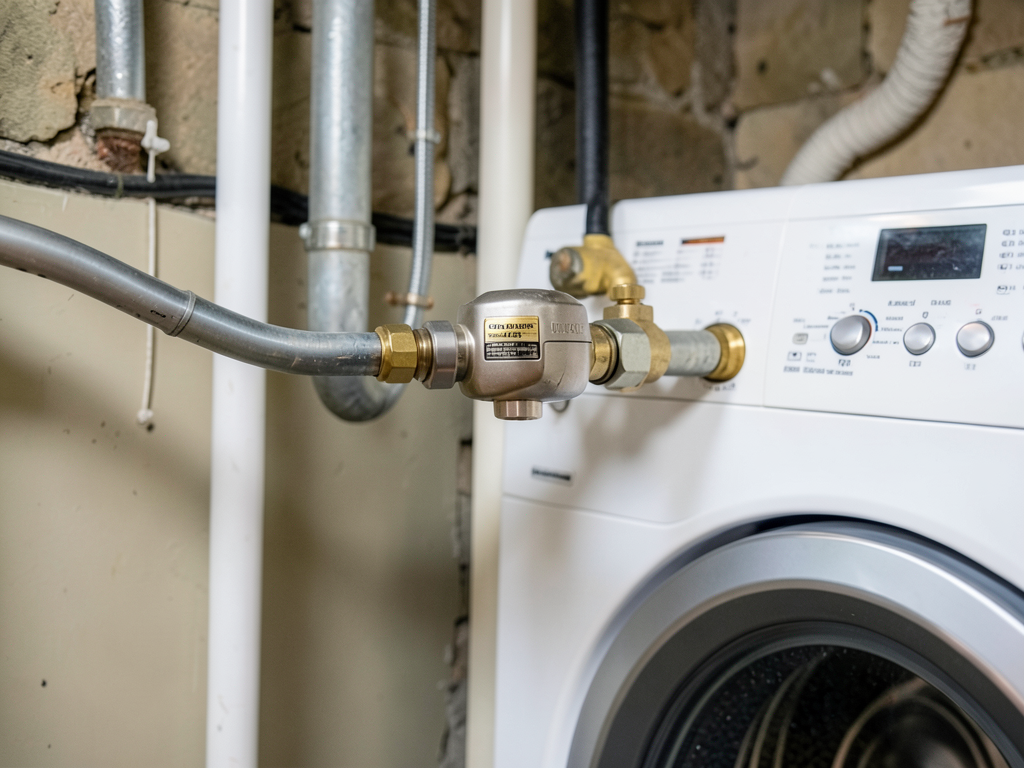
What That Loud Banging Noise in Your Walls Actually Means (It’s Not Ghosts)
Your pipes just slammed like a car door. You freeze heart racing. That metallic bang echoing through your walls isn’t a ghost. It’s water hammer and in Greenwich’s older homes it’s a warning sign you can’t ignore.. Read more about Why High Water Pressure Is Actually Ruining the Plumbing in Your Riverside Home.
Water hammer happens when fast-moving water suddenly stops or changes direction creating a shockwave that rattles your pipes like a jackhammer. In Greenwich’s historic neighborhoods this isn’t just annoying. It’s a red flag that your plumbing system is under stress. Left unchecked it can split copper pipes destroy washing machine valves and flood your basement before you even know what hit you. Plumbing Stamford.
What is Water Hammer The Science of Hydraulic Shock
Water hammer is hydraulic shock. When a valve closes quickly the water’s momentum stops instantly. That energy has to go somewhere. It travels back through your pipes as a pressure wave making them bang against walls floor joists and each other. The sound can be a single sharp knock or a machine-gun rattle that lasts seconds.
In Greenwich many homes built before the 1980s lack modern air chambers or water hammer arrestors. When those chambers fill with water over time the shock has nowhere to dissipate. Combine that with Aquarion Water Company’s high-pressure mains in certain SE10 zones and you’ve got a perfect storm for pipe damage. Aquarion Water Company.

Top 5 Common Causes of Water Hammer
Understanding what triggers that bang helps you stop it before it causes real damage. Here are the five most common culprits we see in Greenwich homes:
| Cause | Symptoms | Common in Greenwich |
|---|---|---|
| High Water Pressure | Constant banging especially at night | SE10 zones near high mains |
| Depleted Air Chambers | Single loud knock when faucets shut off | Victorian and Colonial homes |
| Fast-Closing Solenoid Valves | Banging during dishwasher/washer cycles | Modern appliance installations |
| Loose Pipe Mounting | Rattling that travels along walls | Homes with aging brackets |
| Faulty Pressure Reducing Valve | Pressure fluctuations pipe vibration | PRV over 10 years old |
How to Diagnose the Sound
Before you call a plumber you can narrow down the cause. Grab a notebook and listen carefully. Does the bang happen when a specific appliance runs? Does it echo through the entire house or just one section? These clues point to the source.
- Identify the Timing
Does it happen when you shut off a faucet or during appliance cycles? Quick-shut events usually mean water hammer.
- Locate the Sound
Tap walls to find where pipes are loose. A hollow sound near the bang often means missing brackets.
- Check the Pressure
Buy a simple gauge from the hardware store. Screw it onto a hose bib. If it reads over 70 PSI that’s too high.
- Inspect Visible Pipes
Look in basements or crawl spaces. Are pipes strapped every 6-8 feet? Missing straps let pipes move and bang.. Read more about Why Every Historic Home in Central Greenwich Needs a Radiator Health Check.
If you hear banging from multiple fixtures at once or if the noise is getting louder stop guessing. That’s when small problems turn into burst pipes.
The Dangers of Ignoring Banging Pipes
Water hammer isn’t just noise pollution. It’s structural violence against your plumbing. Every shockwave flexes joints loosens fittings and stresses pipe walls. In Greenwich’s older homes that’s a recipe for disaster.
High-pressure hydraulic shock can split copper tubing along its length. It can crack soldered joints. It can destroy the delicate diaphragm inside your washing machine’s inlet valve. Worst case? A pipe bursts inside a wall. You won’t hear the leak just the aftermath: soaked insulation ruined drywall and toxic mold growth within 24-48 hours.
According to the International Plumbing Code IPC Section 604.8 water hammer arrestors are required on quick-closing valves in residential systems. If your home predates modern code updates you’re operating without that safety net. International Plumbing Code Section 604.8.

Professional Solutions in Greenwich
Stopping water hammer isn’t guesswork. It’s a systematic fix that starts with pressure testing and ends with code-compliant protection. At United Plumbing we tailor every solution to your home’s age layout and local water conditions.. Read more about Stopping That Annoying Hissing Sound from Your Steam Radiators.
First we test your static pressure. If it’s over 60 PSI we recommend a pressure reducing valve PRV set to 50-55 PSI. That’s the sweet spot for protecting appliances while maintaining flow. Next we inspect your air chambers. If they’re waterlogged we recharge them or install permanent mechanical arrestors.
For homes with frequent appliance-induced banging we install Sioux Chief or Watts water hammer arrestors directly on the offending lines. These devices absorb the shock before it travels through your system. In some cases we add pipe insulation or remount loose sections to prevent contact noise.
All work complies with Connecticut State Building Code and IPC requirements. We never guess. We test measure and verify before we leave. Connecticut State Building Code.
Why Greenwich Homes Are Especially Vulnerable
Greenwich’s unique mix of historic architecture and modern infrastructure creates water hammer hot spots. Many homes in Old Greenwich and Riverside were built with galvanized steel supply lines. Over decades those pipes corrode internally reducing flow area and increasing water velocity. Higher velocity means stronger shock waves.. Read more about The Unique Challenges of Updating Plumbing in a Pre-War Home in Glenville.
Meanwhile Aquarion’s high-pressure mains in certain SE10 zones push more PSI into your home than older systems were designed to handle. Combine that with modern appliances that close valves in milliseconds and you’ve got a system constantly under hydraulic assault.
Add in the freeze-thaw cycles common in Connecticut winters. Pipes expand and contract loosening mounts. By spring that slight rattle becomes a full-on hammer.

DIY Quick Fixes (When to Call a Pro)
Some water hammer issues you can tackle yourself. If the noise is mild and localized try these steps:
- Turn off your main water supply.
- Open all faucets to drain the system.
- Close faucets starting from the lowest floor and work up.
- Turn the main supply back on slowly.
This can recharge air chambers in some systems. If the noise returns within days the problem is deeper. High pressure failing PRVs or corroded pipes need professional tools and parts.
Never ignore banging that happens during every appliance cycle. That’s not air in the lines. That’s hydraulic shock wearing down your plumbing one bang at a time.
Frequently Asked Questions
Is water hammer dangerous?
Yes. Repeated hydraulic shock can burst pipes flood walls and destroy appliances. In older Greenwich homes it’s a serious structural risk.
How much does it cost to fix water hammer?
Simple fixes like recharging air chambers might cost under $200. Installing arrestors or a PRV typically runs $300-$800 depending on your system’s complexity.
Can I ignore it if it only happens sometimes?
No. Occasional banging often means pressure spikes or loose mounts that will worsen. Early intervention prevents costly water damage.
Will my homeowner’s insurance cover water hammer damage?
Most policies exclude gradual damage from wear and tear. If a pipe bursts from long-term hammer stress you’re likely on the hook for repairs. Why We Are the Top Rated Pipe Repair Specialists in Byram.
How long does a fix take?
Most water hammer repairs take 2-4 hours. Complex systems with multiple arrestors or PRV replacement might need a full day.
Stop the Noise Before It Stops Your Life
That bang in your walls isn’t just annoying. It’s a countdown to a plumbing emergency. In Greenwich’s older homes water hammer can turn a quiet evening into a flooded basement before sunrise. Don’t wait for the disaster. Emergency Plumbers in Greenwich Who Actually Answer the Phone at 3 AM.
Call United Plumbing at (475) 320-3733 today to schedule your inspection. We’ll test your pressure diagnose the cause and install code-compliant protection that keeps your pipes silent and your home dry. One call now prevents thousands in water damage later.
Pick up the phone and call (475) 320-3733 before the next storm hits. Your pipes are counting on you.
You may also find this helpful. Why Your Kitchen Sink Gurgles When You Flush the Toilet.